

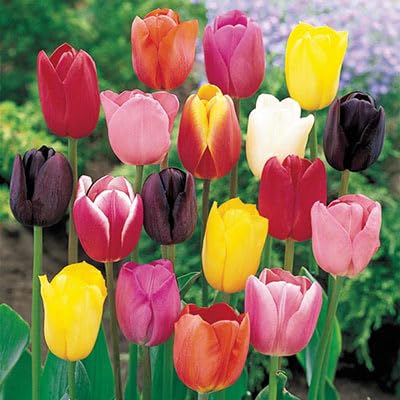

Are you looking to add charm and structure to your garden? Building a garden trellis might be the perfect project for you.
Not only does a trellis support your climbing plants, but it also creates a stunning focal point that can transform any outdoor space. Imagine watching your favorite vines or flowers grow tall and vibrant, all thanks to something you made yourself.
In this guide, you’ll discover simple steps to build a strong, beautiful garden trellis that fits your style and needs. Ready to turn your garden into a green paradise? Let’s get started!
Choosing The Right Trellis
Building a garden trellis starts with picking the right one. The trellis must fit your plants and space. This guide helps you choose the best trellis by looking at materials, design, and size.
Each factor affects how well your plants grow and how the trellis looks in your garden. Take time to think about these points before you start building.
Materials To Consider
Trellises come in many materials. Wood, metal, and plastic are common choices. Each has good and bad points to think about.
- Wood:Natural look, easy to cut and paint. May rot over time if not treated.
- Metal:Strong and long-lasting. Can rust if not coated properly.
- Plastic:Lightweight and weatherproof. Less sturdy for heavy plants.
Selecting The Best Design
The trellis design affects plant support and garden style. Choose a design that fits your plants’ needs and your space.
| Design Type | Best For | Description |
| Lattice | Vines, flowers | Grid pattern for climbing plants |
| Arch | Entryways, pathways | Curved shape for decoration and support |
| Obelisk | Small spaces, potted plants | Tall, narrow frame for vertical growth |
| Fan | Wall mounting | Spreads plants out for sun and air |
Sizing Your Trellis
Pick a size that fits your plants and garden space. The height and width matter for plant growth and stability.
- Measure the area where you want the trellis.
- Check how tall your plants will grow.
- Make sure the trellis is strong enough for the plant weight.
- Allow space for air and sunlight to reach the plants.
Gathering Tools And Supplies
Building a garden trellis is a fun project. It helps your plants grow tall and strong.
Before starting, you need the right tools and materials. Safety gear is important too.
Essential Tools List
You need some basic tools to build a trellis. These tools make the job easier and safer.
- Measuring tape to get exact sizes
- Hand saw or power saw to cut wood
- Hammer or drill for nails and screws
- Level to keep your trellis straight
- Pencil to mark measurements
- Safety glasses to protect your eyes
Recommended Materials
Choose materials that last outside. Wood and metal are common choices.
Pick materials that fit your garden style and plant needs.
- Wooden slats or lattice panels
- Weather-resistant screws or nails
- Wood stain or paint for protection
- Metal rods or wire mesh (optional)
- Concrete mix for strong support (optional)
Safety Gear
Safety gear protects you while building the trellis. Always wear the right gear.
Good safety gear helps prevent injuries and makes work more comfortable.
- Safety glasses to shield your eyes
- Work gloves to protect your hands
- Dust mask if cutting wood creates dust
- Closed-toe shoes for foot safety
- Ear protection if using loud power tools
Preparing The Site
Building a garden trellis starts with preparing the site. Good preparation makes the trellis strong and long-lasting. This guide covers picking the location, clearing and leveling, and marking placement.
Taking time to prepare the area helps your plants grow well and keeps the structure safe. Follow these steps carefully before you build.
Picking The Location
Choose a spot that gets enough sunlight for the plants you want to grow. Check if the area has good air flow and is not too close to other structures. Avoid places that flood easily or have poor soil drainage.
Clearing And Leveling
Clear the chosen area by removing weeds, rocks, and debris. Level the ground to make sure the trellis stands straight and firm. Uneven ground can cause the trellis to tilt or fall.
- Remove all plants and roots in the area
- Pick out stones and sticks
- Use a rake to smooth the soil surface
- Check the level with a carpenter’s level or a straight board
- Add or remove soil to make the ground flat
Marking Placement
| Tool | Purpose |
| Measuring tape | Measure trellis dimensions and spacing |
| Stakes or flags | Mark corners and post locations |
| String or twine | Connect stakes to show the outline |
| Hammer or mallet | Drive stakes into the ground |
Measure the area and mark where each post will go. Use stakes or flags at corners and along edges. Tie string between stakes to see the trellis shape clearly. This step helps avoid mistakes when building.

Credit: crystelmontenegrohome.com
Building The Frame
Building a garden trellis frame gives your plants support and style. Start by planning the size and shape you want. A strong frame lasts for many seasons in your garden.
This guide covers cutting wood, putting the frame together, and securing joints. Follow each part carefully for a sturdy trellis.
Cutting Wood Pieces
Choose wood that resists weather, like cedar or redwood. Cut all pieces to size before assembly. Use a saw and measure twice to avoid mistakes.
- Measure the height and width of your trellis.
- Mark the wood with a pencil for each piece.
- Cut vertical posts to the desired height.
- Cut horizontal crosspieces to match the width.
- Cut any decorative pieces if you want added style.
Assembling The Frame
Lay out your cut pieces on a flat surface. Start by placing the vertical posts parallel to each other. Add horizontal pieces between them to form a rectangle or square.
| Part | Position | Purpose |
|---|---|---|
| Vertical Posts | Left and right sides | Support height and structure |
| Horizontal Crosspieces | Between vertical posts | Hold plants and add stability |
| Decorative Pieces | Optional, on top or sides | Enhance appearance |
Check that the frame is square by measuring diagonally. Adjust pieces if needed before securing.
Securing Joints
Use screws or nails to hold the wood pieces together. Screws offer a stronger hold and are easier to remove if needed.
- Pre-drill holes to prevent wood from splitting.
- Fasten vertical posts to crosspieces at each joint.
- Make sure corners are tight and even.
- Add wood glue for extra strength if desired.
- Check all joints after fastening to ensure stability.
Adding Support And Lattice
A garden trellis needs strong support to hold climbing plants. Adding lattice panels helps plants grow evenly. This guide shows how to add support and lattice to your trellis.
Follow simple steps to install crossbars, attach lattice panels, and reinforce stability. These steps make your trellis durable and useful for your garden.
Installing Crossbars
Crossbars give your trellis extra strength. They connect the vertical posts and hold the lattice panels in place. Use wood that matches your trellis material.
- Measure the distance between the vertical posts.
- Cut crossbars to fit this distance.
- Attach crossbars horizontally using screws or nails.
- Space crossbars evenly for better plant support.
Attaching Lattice Panels
Lattice panels provide a grid for plants to climb. They also add a decorative look to your trellis. Secure the panels properly for safety and durability.
| Material | Fastener Type | Spacing |
| Wood | Galvanized Screws | Every 12 inches |
| Vinyl | Plastic Clips | Every 10 inches |
| Metal | Bolts and Nuts | Every 8 inches |
Make sure the lattice panels are flush with the crossbars. Check that all fasteners are tight to avoid movement.
Reinforcing Stability
Strong support keeps the trellis upright. Use braces and anchors to add stability. This prevents damage from wind or heavy plants.
- Attach diagonal braces from the trellis base to the posts.
- Use ground anchors to secure the base firmly in the soil.
- Check all joints regularly for looseness.
- Replace any worn or damaged parts immediately.

Credit: savvygardening.com
Finishing Touches
Finishing touches make your garden trellis look great. They also help it last longer outside.
We will cover sanding and smoothing, applying paint or stain, and protecting against weather.
Sanding And Smoothing
Sanding removes rough spots and splinters on the wood. It makes the surface smooth to touch.
Use medium-grit sandpaper first. Then, use fine-grit sandpaper for a smooth finish.
- Sand all sides and edges
- Check for rough spots with your hand
- Wear a mask to avoid dust
- Clean wood after sanding
Applying Paint Or Stain
Paint or stain adds color and protects wood from damage. Choose one that suits your style.
Apply evenly with a brush or roller. Let the first coat dry before adding a second.
- Use outdoor paint or stain
- Follow the product instructions
- Work in a well-ventilated area
- Protect nearby plants and surfaces
Protecting Against Weather
Weather can harm your trellis over time. Use a sealant to keep water and sun damage away.
Apply a clear water-resistant sealant after paint or stain dries. Reapply each year for best care.
- Choose a sealant suitable for outdoor wood
- Apply with a clean brush
- Let it dry fully before use
- Store tools and leftover sealant safely
Planting And Maintenance Tips
Building a garden trellis is only the start. Choosing the right plants and caring for them keeps your garden healthy.
Follow simple tips on planting and maintaining climbing plants for long-lasting beauty and support.
Choosing Climbing Plants
Select plants that match your climate and garden space. Some vines need full sun, others prefer shade. Consider how fast plants grow and their height.
- Pick native plants for better growth and less care
- Choose vines with strong stems to hold on the trellis
- Look for flowering or fruiting plants to add color
- Avoid invasive species that spread too quickly
Training Vines
Guide your climbing plants gently on the trellis. Tie stems loosely with soft garden ties or twine. Check often and adjust ties as plants grow.
- Start training young plants early for better shape
- Secure main stems to the trellis for firm support
- Weave side shoots through the trellis gaps
- Remove weak or dead stems to focus growth
- Keep plants evenly spaced to prevent crowding
Regular Care And Repairs
Maintain your trellis and plants regularly. Check for damage and fix broken parts quickly. Healthy plants grow stronger and look better.
| Task | Frequency | Notes |
| Watering | Weekly or as needed | Keep soil moist but not soggy |
| Pruning | Every 2-3 months | Remove dead or overcrowded stems |
| Trellis inspection | Monthly | Look for loose or broken supports |
| Fertilizing | Every spring | Use balanced fertilizer for healthy growth |
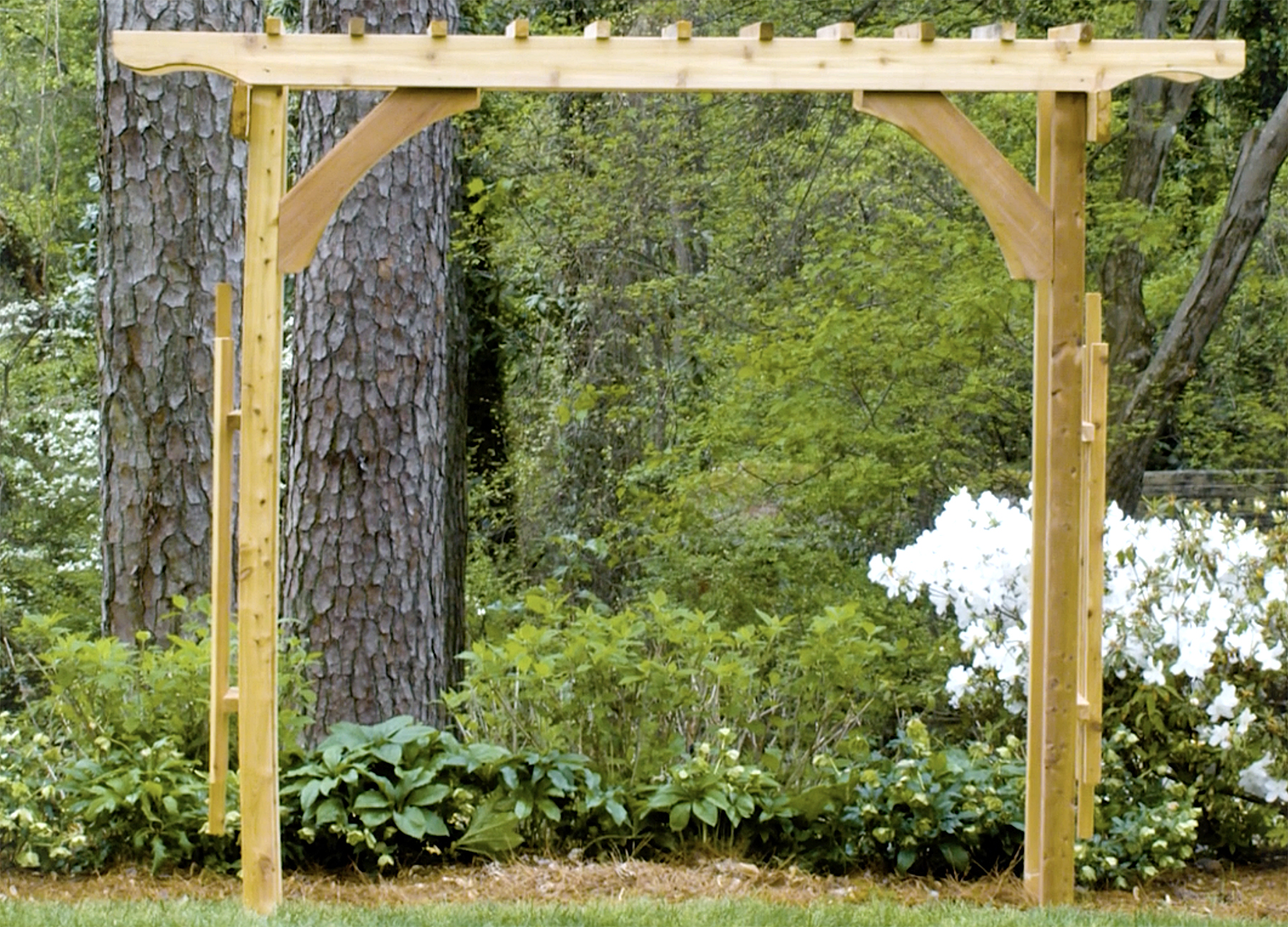
Credit: www.wjhl.com
Frequently Asked Questions
What Materials Are Needed For A Garden Trellis?
To build a garden trellis, you’ll need wood or metal frames, screws, nails, and weather-resistant paint. Choose durable materials for longevity. Metal is sturdy but wood offers a natural look. Consider vine weight and local weather conditions when selecting materials.
This ensures your trellis is both functional and aesthetically pleasing.
How Do I Choose The Right Location For A Trellis?
Choose a location that gets adequate sunlight and supports plant growth. Ensure the area has good soil drainage. Consider wind exposure, as strong winds may damage the structure. Proximity to water sources can be beneficial for maintenance. Additionally, consider aesthetics and how it fits into your garden design.
Can I Build A Trellis Without Professional Help?
Yes, you can build a garden trellis without professional help. With basic tools and materials, it’s a straightforward DIY project. Follow step-by-step guides or video tutorials for assistance. Ensure you have a clear plan and measure accurately. This ensures a sturdy and effective trellis for your garden.
How To Maintain A Garden Trellis?
Regular maintenance involves checking for structural integrity and repainting to prevent weather damage. Remove any debris or dead plant material. Tighten loose screws or nails as needed. Inspect for signs of rot or rust, especially in wooden or metal trellises.
Proper maintenance extends the life of your garden trellis.
Conclusion
Building a garden trellis is simple and rewarding. Choose strong materials that last long. Measure your space to fit the trellis well. Assemble parts carefully and secure them tight. Plant climbing flowers or vegetables for beauty. A trellis adds charm and supports growth.
Enjoy watching your garden come alive. Start your project today and see results soon. Small effort brings big garden joy.