


Are weeds taking over your garden bed and stealing nutrients from your plants? You’re not alone, and the good news is, clearing them out doesn’t have to be a frustrating, endless battle.
Imagine a garden bed free of stubborn weeds, where your flowers and vegetables can grow strong and healthy. You’ll discover simple, effective ways to remove those pesky intruders and keep your garden thriving. Keep reading, and you’ll learn how to take control of your garden bed—quickly and easily.
Credit: www.lawnstarter.com
Prepare The Garden Bed
Preparing your garden bed well helps plants grow strong and healthy. Clearing weeds is the first step to a neat garden.
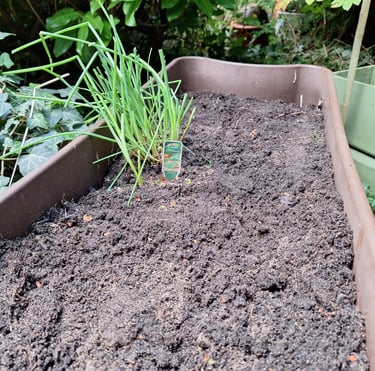
Start by removing weeds and loosening the soil. This makes it easier to plant and helps water reach roots.
Remove Large Weeds By Hand
Pull out big weeds by their roots to stop them from growing back. Do this when the soil is moist for easier removal.
Wear gloves to protect your hands. Grab the weed close to the ground and pull slowly to get the whole root.
- Work after rain or watering
- Use a trowel to loosen soil near roots
- Dispose of weeds away from the garden
Loosen Soil With Tools
Use a hoe or garden fork to break up hard soil. Loose soil helps plant roots spread and absorb water better.
Work the tool gently to avoid damaging nearby plants. Turn the soil about 6 to 8 inches deep for good aeration.
- Remove stones and old roots
- Break up large clumps of dirt
- Level the soil surface before planting
Credit: natureandsustainability.com
Choose Effective Weed Removal Methods
Weeds can quickly take over your garden bed. Choosing the right removal method helps keep your plants safe and healthy.
There are several ways to remove weeds. Some work by stopping weed growth, while others kill existing weeds.
Use Mulch To Suppress Growth
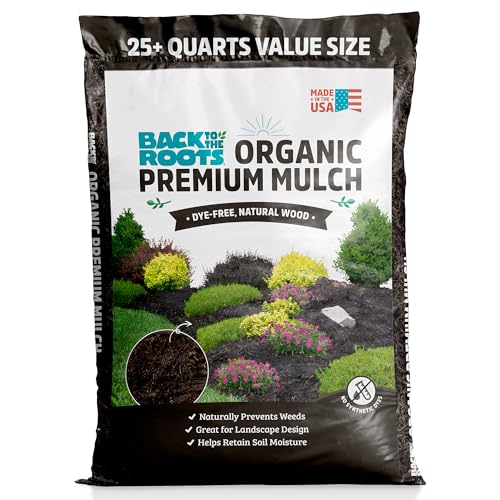
Mulch blocks sunlight, which prevents weed seeds from growing. It also keeps soil moist and cool for your plants.
Apply a thick layer of mulch around your plants. Organic mulch like wood chips or straw works best.
- Spread 2 to 3 inches of mulch
- Keep mulch away from plant stems
- Reapply mulch each season
Apply Natural Herbicides
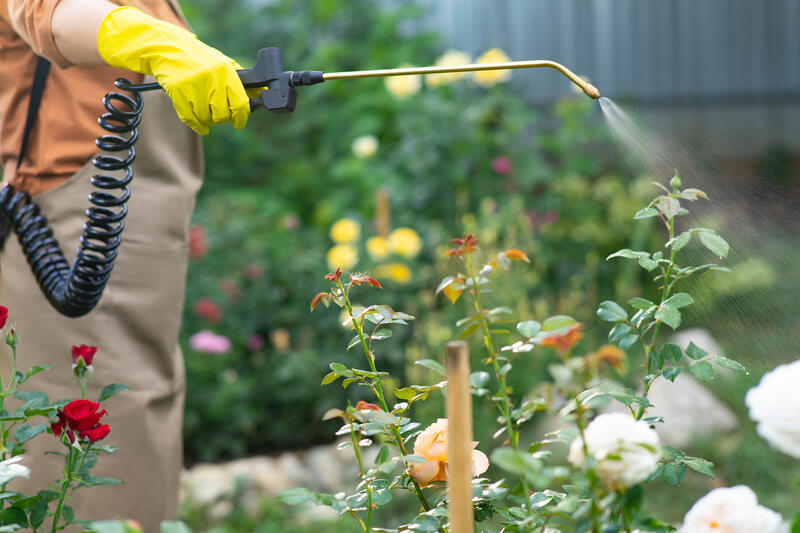
Natural herbicides use ingredients like vinegar or citrus oils to kill weeds. They are safer for the environment.
Spray natural herbicides on young weeds. Repeat treatments may be needed for tough weeds.
- Use on calm, dry days
- Avoid spraying on windy days
- Protect nearby plants from spray
Consider Chemical Weed Killers
Chemical weed killers work fast and kill many types of weeds. Use them carefully to avoid harming your garden.
Follow the instructions on the label. Wear gloves and avoid spraying on windy days.
- Choose weed killers for your specific weed type
- Apply only to affected areas
- Keep pets and children away during application
Prevent Future Weed Growth
Weeds can quickly take over your garden bed. Stopping them before they grow saves time and effort. Use smart methods to keep your garden healthy and clean.
These tips help block weeds and support your plants. Choose what fits your garden best and work on it regularly.
Lay Landscape Fabric
Landscape fabric blocks light, stopping weed seeds from sprouting. It allows water and air to reach the soil. Lay it flat on the garden bed before planting.
- Clear the bed of existing weeds first
- Roll out the fabric tightly over the soil
- Cut holes where plants will go
- Cover fabric with mulch to protect it
Maintain Regular Weeding Routine
Weeds grow fast and spread seeds. Pull weeds regularly to stop growth early. Set a weekly or bi-weekly schedule for weeding your garden bed.
| Task | How to Do It | Frequency |
| Check for young weeds | Look closely between plants | Once a week |
| Pull weeds by roots | Use hands or a hoe carefully | Every 1-2 weeks |
| Dispose weeds properly | Put in compost or trash | After weeding |
Plant Ground Covers
Ground covers spread over soil and block weeds from growing. They keep moisture in and improve soil health. Choose low-growing plants that suit your garden climate.
- Creeping thyme
- Sweet woodruff
- Ajuga
- Clover

Credit: www.reddit.com
Maintain A Healthy Garden Bed
Keeping your garden bed healthy helps stop weeds from taking over. Strong plants grow better and crowd out unwanted weeds.
Good care of the soil and plants makes your garden look neat and thrive all season long.
Improve Soil Health
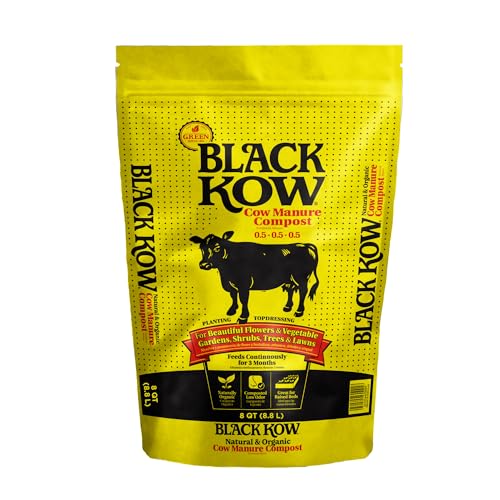
Healthy soil feeds plants and keeps weeds away. Add organic matter like compost to enrich your soil. This helps soil hold water and nutrients.
- Mix compost or well-rotted manure into the soil each season
- Avoid compacting the soil to keep it loose and airy
- Use mulch to protect soil and stop weed seeds from sprouting
- Rotate crops yearly to prevent soil depletion and pests
Water And Fertilize Properly
Water your garden bed deeply but less often to encourage strong roots. Overwatering can help weeds grow.
| Task | Recommended Action |
| Watering | Water deeply 1-2 times a week |
| Fertilizing | Use balanced fertilizer every 4-6 weeks |
| Mulching | Apply 2-3 inches of mulch around plants |
Frequently Asked Questions
How Do I Effectively Remove Weeds From A Garden Bed?
To effectively remove weeds, start by pulling them out by the roots. Use a hand fork or hoe for stubborn ones. Mulching can prevent new weeds from sprouting. Consistent maintenance and regular checks help keep your garden bed weed-free.
What Tools Are Best For Weeding Garden Beds?
The best tools for weeding include a hand fork, hoe, and gloves. A hand fork helps loosen soil around weeds. A hoe is useful for cutting through roots. Gloves protect your hands from thorns and irritants.
Can I Use Vinegar To Kill Weeds In My Garden?
Yes, vinegar can kill weeds due to its acetic acid content. Spray directly on the weeds for the best results. Be careful, as it can also harm plants you want to keep. Use it selectively and in controlled amounts.
How Often Should I Weed My Garden Bed?
Regular weeding, ideally every week, keeps your garden bed clear. Frequent checks ensure weeds don’t establish deep roots. Consistent maintenance prevents larger problems and reduces time spent on future weed removal.
Conclusion
Clearing your garden bed of weeds takes time and care. Pull weeds regularly to keep them from growing back. Use mulch to stop new weeds and save moisture. Water your plants well but avoid wetting weeds. Keep tools clean to prevent spreading seeds.
Stay patient and consistent with these simple steps. A weed-free garden grows healthy plants and looks great. Small efforts every day make a big difference. Enjoy your beautiful, clean garden bed this season.