
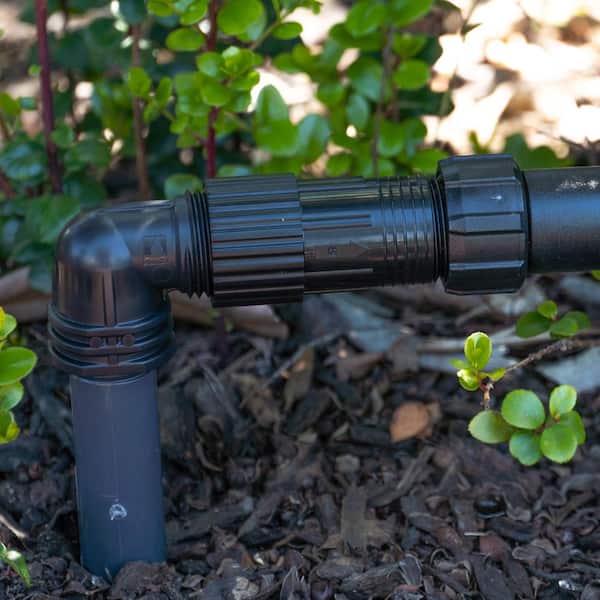
Are you tired of struggling to water your garden because your hose won’t connect properly to your PVC pipe? You’re not alone.
Many people find it tricky to join these two different materials without leaks or damage. But don’t worry—once you know the right steps, connecting your garden hose to a PVC pipe becomes quick and easy. You’ll learn simple, effective methods that save you time and keep your watering system running smoothly.
Keep reading, and you’ll be ready to tackle this common problem like a pro.
Tools And Materials Needed
Connecting a garden hose to a PVC pipe requires the right tools and materials. This ensures a strong and leak-free connection for your watering needs.
Gathering everything before you start will save time and avoid interruptions during the installation.
Tools
- Pipe cutter or hacksaw to cut the PVC pipe cleanly
- Adjustable wrench to tighten fittings
- Measuring tape to measure pipe and hose lengths
- Marker to mark cutting points
- Sandpaper or deburring tool to smooth pipe edges
- Teflon tape for sealing threaded connections
Materials
| Material | Description |
|---|---|
| PVC pipe | Standard size pipe suitable for water flow |
| Garden hose adapter | Connector to join hose and PVC pipe |
| PVC primer and cement | Adhesives for bonding PVC parts securely |
| Rubber washer | Ensures a watertight seal inside the adapter |
Additional Supplies
Keep some extra materials handy for a smooth process and future repairs.
- Spare hose clamps
- Replacement washers
- Bucket or rag to catch any water spills
Choosing The Right Pvc Pipe And Hose
Connecting a garden hose to a PVC pipe needs the right materials. Choosing the correct PVC pipe and hose will help you avoid leaks and damage.
Selecting the right size and type of pipe and hose makes your setup strong and long-lasting.
Selecting The Proper Pvc Pipe
Use PVC pipes made for water use. They resist pressure and weather well. The pipe size must match your hose fitting size.
Check the pipe’s diameter and thickness. Thicker pipes handle more water pressure and last longer outdoors.
- Choose Schedule 40 or Schedule 80 pipes for durability
- Use pipes with a diameter matching your hose end
- Pick white or gray pipes made for plumbing
Choosing The Right Garden Hose
Pick a garden hose that fits your PVC pipe connection. The hose should be flexible but strong to avoid kinks and leaks.
Look at the hose diameter and material. Rubber hoses last longer and resist damage better than vinyl ones.
- Match the hose diameter to the PVC pipe fitting
- Use rubber or reinforced hoses for durability
- Check hose connectors for compatibility with PVC fittings
Preparing The Pvc Pipe
Connecting a garden hose to a PVC pipe requires proper preparation. Preparing the pipe well ensures a tight and leak-free connection.
Before attaching fittings, you must cut and clean the PVC pipe carefully. This helps the hose fit securely and prevents damage.
Cutting The Pipe To Size
Cut the PVC pipe to the length you need using a fine-toothed saw or a PVC cutter. Measure twice to avoid mistakes.
Cut straight across to make a clean edge. An uneven cut can cause leaks or poor fitting.
- Use a marker to mark the cutting point
- Hold the pipe steady while cutting
- Cut slowly to avoid cracking the pipe
- Check the length after cutting
Cleaning And Smoothing Edges
After cutting, remove any burrs or rough edges. These can stop fittings from sealing properly.
Use sandpaper or a utility knife to smooth the pipe edges. Clean the pipe surface to remove dust and dirt.
- Use fine sandpaper to smooth the cut edges
- Wipe the pipe with a clean cloth
- Ensure the pipe is dry before attaching fittings

Credit: www.reddit.com
Selecting The Correct Connector
Connecting a garden hose to a PVC pipe needs the right connector. This ensures a tight fit and no leaks.
Choosing the correct connector depends on the pipe size and hose type. This guide helps you find the best match.
Types Of Hose-to-pvc Adapters
There are several adapters to connect a garden hose to a PVC pipe. Each type suits different setups.
- Threaded Adapters:Screw onto the PVC pipe and hose. Easy to install.
- Barbed Fittings:Push into the PVC and hose for a secure grip. Use hose clamps for strength.
- Slip Connectors:Slide inside the PVC pipe. Often glued for a permanent seal.
- Quick Connectors:Snap on and off quickly. Good for frequent connections.
Fitting Sizes And Compatibility
Match the connector size with both the PVC pipe and garden hose. Size differences cause leaks or weak joints.
Measure the outside diameter of your PVC pipe and the inside diameter of your hose. Use these sizes to pick fittings.
| Component | Common Size Range | Measurement Type |
|---|---|---|
| PVC Pipe | ½ inch to 2 inches | Outside Diameter (OD) |
| Garden Hose | ⅜ inch to ¾ inch | Inside Diameter (ID) |
| Connectors | Match PVC OD & Hose ID | Thread or Barbed Size |
Attaching The Connector To The Pvc Pipe
Connecting a garden hose to a PVC pipe requires the right tools and steps. This guide explains how to attach the connector securely.
You need to prepare the PVC pipe and use primer and cement to ensure a tight fit. Then, secure the connector firmly to avoid leaks.
Applying Pvc Primer And Cement
Start by cleaning the end of the PVC pipe. Apply PVC primer to soften the surface for a better bond. After the primer dries, apply PVC cement evenly on both the pipe and the connector.
- Wear gloves to protect your hands.
- Use a clean cloth to wipe the pipe end.
- Brush primer on the pipe and connector.
- Wait 10 seconds for the primer to dry.
- Apply a generous layer of PVC cement on both parts.
Securing The Connector
After applying cement, push the connector onto the pipe. Hold it in place to ensure the pieces bond well. Let the joint cure before using the hose.
| Action | Details |
|---|---|
| Insert Connector | Push firmly until fully seated on the pipe |
| Hold Steady | Keep pressure for 30 seconds to bond |
| Wipe Excess Cement | Remove any overflow with a cloth |
| Cure Time | Wait at least 15 minutes before use |

Credit: medium.com
Connecting The Garden Hose
Connecting a garden hose to a PVC pipe ensures water flows smoothly to your garden. Doing it correctly prevents leaks and damage.
This guide covers how to thread the hose onto the connector and how to secure it using hose clamps.
Threading The Hose Onto The Connector
Start by pushing the garden hose firmly onto the PVC pipe connector. Make sure it fits snugly without gaps.
- Check the connector size matches your hose diameter.
- Twist the hose gently while pushing it onto the connector.
- Push until the hose covers the connector’s barbs or threads fully.
- Ensure the hose is straight and not bent at the connection point.
Using Hose Clamps For Stability
Hose clamps hold the hose tightly on the PVC pipe connector. This prevents leaks and hose slipping.
| Type of Clamp | Best Use | Material |
| Worm Gear Clamp | Most garden hoses | Stainless Steel |
| Spring Clamp | Quick installation | Steel |
| Wire Clamp | Lightweight hoses | Steel |
Place the clamp over the hose end where it meets the connector. Tighten the clamp with a screwdriver until secure. Check for leaks by running water through the hose.
Testing The Connection
After connecting your garden hose to the PVC pipe, testing the connection ensures it works well. This step helps find leaks and fixes loose fittings early.
Follow simple checks to keep your watering system safe and efficient. Proper testing can save water and prevent damage.
Checking For Leaks
Turn on the water slowly and watch the connection point. Look for any water drops or wet spots around the joint.
- Inspect the hose end and PVC pipe connection closely.
- Check if water sprays or drips from the fitting.
- Feel for moisture on the outside of the pipe or hose.
- Listen for hissing sounds that signal small leaks.
Adjusting Tightness
If you find leaks, adjust the connection tightness. Use a wrench or hand-tighten the fittings carefully.
| Adjustment Method | How to Do It | Important Notes |
| Hand Tightening | Turn the hose connector clockwise | Stop when snug, avoid over-tightening |
| Wrench Tightening | Use an adjustable wrench for extra grip | Apply gentle pressure only |
| Check Seals | Replace worn washers or tape if needed | Use plumber’s tape for better seal |
Maintenance Tips
Keeping your garden hose connected to the PVC pipe works best with regular care. Proper maintenance helps avoid damage and saves water.
Simple steps can prevent leaks and prepare your system for different seasons. Follow these easy tips to keep your setup in good shape.
Preventing Leaks
Leaks often start at connection points. Tighten fittings but avoid over-tightening, which can crack PVC pipes or damage hose connectors.
- Use plumber’s tape around threads to seal joints.
- Check washers inside hose connectors; replace if worn.
- Inspect connections regularly for drips or moisture.
- Keep fittings clean from dirt and debris.
- Replace cracked or damaged PVC pipes promptly.
Seasonal Care
Protect your hose and PVC pipe through seasonal changes. Cold weather can cause cracks if water stays inside the pipes.
| Season | Care Action | Reason |
|---|---|---|
| Winter | Drain all water from hose and pipes. | Prevent freezing and cracking. |
| Spring | Check for leaks and repair before use. | Fix damage from winter weather. |
| Summer | Store hose away from direct sunlight when not in use. | Reduce wear from UV rays. |
| Fall | Clean and coil hose neatly for storage. | Keep hose in good condition for winter. |

Credit: www.youtube.com
Frequently Asked Questions
How To Attach A Garden Hose To Pvc Pipe?
To attach a garden hose to PVC pipe, use a PVC hose adapter. First, ensure the PVC pipe end is clean. Then, glue the adapter to the pipe using PVC cement. Finally, screw the garden hose onto the adapter, ensuring a tight fit to prevent leaks.
What Tools Do I Need For This Connection?
You’ll need a PVC hose adapter, PVC cement, and a wrench. Ensure you have Teflon tape for sealing. These tools will help create a secure and leak-proof connection between your garden hose and PVC pipe.
Can I Use Any Pvc Pipe For Garden Hoses?
Not all PVC pipes are suitable for garden hoses. Use Schedule 40 PVC pipes for durability. Schedule 40 pipes handle pressure well, making them ideal for garden hose connections. Ensure they are compatible with your hose size for the best fit.
Is It Necessary To Use Pvc Cement?
Yes, using PVC cement ensures a strong, leak-proof connection. PVC cement chemically bonds the adapter to the pipe. This creates a durable and watertight seal. Without it, the connection might be weak and prone to leaks, especially under pressure.
Conclusion
Connecting a garden hose to a PVC pipe is easy with the right steps. Use the correct fittings to avoid leaks and ensure a tight seal. Cutting the pipe cleanly helps the parts fit well. Tighten all connections firmly but gently.
Test the water flow to check for any drips. Small efforts now save big problems later. Enjoy watering your garden without hassle. Simple tools and clear steps make this task quick. Anyone can do it with a little care and patience.