

Are you looking for a unique way to add calm and natural beauty to your space? Growing a moss garden might be exactly what you need.
Moss gardens are low-maintenance, soothing, and bring a touch of green that feels peaceful and fresh. Imagine stepping into your own quiet retreat, where soft, lush moss cushions your feet and colors your world in vibrant greens. In this guide, you’ll learn simple steps to start and care for your moss garden, even if you’ve never worked with plants before.
Ready to transform your space into a peaceful moss haven? Let’s dive in.
Credit: extension.msstate.edu
Choosing The Right Location
Growing a moss garden requires picking the perfect spot. Moss grows best in places that fit its needs for light, soil, and moisture. Choosing the right location helps your moss stay healthy and green.
This guide explains how to assess light conditions, soil type, and moisture levels. These factors matter for a successful moss garden.
Assessing Light Conditions
Moss prefers shaded or partly shaded areas. Direct sunlight can dry moss quickly. Look for places with filtered light or shade most of the day.
- Full shade areas under trees or buildings
- North-facing walls or slopes
- Spots with dappled sunlight
- Avoid places with strong afternoon sun
Evaluating Soil Type
Moss grows best on compact, acidic soil. It can also grow on rocks or wood. Check your soil’s texture and pH before planting moss.
| Soil Type | Suitability for Moss | Notes |
|---|---|---|
| Clay | Good | Holds moisture well |
| Sandy | Poor | Drains water too fast |
| Loamy | Fair | Good drainage, may need more moisture |
| Rocky | Good | Moss can attach to rocks |
Considering Moisture Levels
Moss needs constant moisture to thrive. Choose a location that stays damp but not flooded. Check if water collects or drains quickly.
Good moisture signs:
- Soil feels soft and wet to touch
- Area stays cool and humid
- Nearby water sources like streams or shaded sprinklers
- Good drainage without standing water
Selecting Moss Varieties
Growing a moss garden starts with picking the right moss types. Each moss grows best in certain places.
Choosing moss that fits your garden’s conditions helps it thrive and look healthy.
Common Moss Types For Gardens
There are many moss types used in gardens. Some are soft and bright green. Others are tough and dark.
Here are some popular moss types you can try growing:
- Sphagnum Moss – holds water well and is spongy.
- Sheet Moss – flat and spreads quickly on soil or rocks.
- Cushion Moss – grows in round clumps like tiny cushions.
- Haircap Moss – tall and looks like tiny green brushes.
- Rock Cap Moss – grows on rocks and is very hardy.
Matching Moss To Environment
Not all moss grows well in every spot. Light, moisture, and soil type matter for moss health.
Choose moss that matches your garden’s conditions to help it grow strong.
| Environment | Best Moss Types | Notes |
|---|---|---|
| Shady, moist areas | Sphagnum, Sheet Moss | These mosses like damp and low light. |
| Sunny, dry spots | Haircap Moss, Rock Cap Moss | Tolerate more sun and less water. |
| Rocky surfaces | Rock Cap Moss, Cushion Moss | Grow well on stones and hard surfaces. |
| Soil with good drainage | Sheet Moss, Cushion Moss | Prefer soil that does not stay soggy. |
Preparing The Site
Growing a moss garden starts with the right site preparation. Good preparation helps moss grow healthy and strong.
Make sure the area is clean and the surface is ready before planting moss.
Clearing Debris And Weeds
Remove leaves, sticks, and any trash from the garden area. Moss grows best on clean surfaces without debris.
Pull out all weeds and grass. These plants compete with moss for water and space.
- Rake the area to clear small debris
- Pick out weeds by hand or use a garden tool
- Dispose of all debris to prevent regrowth
Creating A Suitable Surface
Moss needs a firm, moist surface to grow well. Choose a shady spot with little direct sunlight.
Prepare the surface by smoothing soil or rocks. Moss can grow on soil, stones, or wood, but the surface must hold moisture.
- Lightly press soil to make it even and firm
- Remove loose soil or gravel that can dry out quickly
- Keep the surface moist before planting moss

Credit: www.yahoo.com
Planting Moss
Moss gardens add a calm and green touch to your space. They need little care and grow slowly. Planting moss is simple but needs patience.
Start by learning how to gather moss and move it properly. You can also use moss slurry to help spread moss faster.
Harvesting Moss
Look for healthy moss patches in shady, moist areas. Avoid places with pollution or heavy foot traffic. Use a flat tool to gently lift moss with a bit of soil attached.
- Choose moss with a dense, green appearance
- Harvest in small amounts to let moss regrow
- Keep moss moist after collecting
- Store moss in a cool place until planting
Transplanting Techniques
Prepare the soil by removing debris and smoothing the surface. Moss likes slightly acidic and moist soil. Press the moss firmly on the surface to help it attach.
- Clear the planting area
- Moisten the soil lightly
- Place moss patches with soil attached
- Press moss down to remove air pockets
- Water gently to keep moss wet
Using Moss Slurry
Moss slurry is a mix of moss, water, and a binder. It helps spread moss over uneven surfaces or large areas. You can paint or spray it where you want moss to grow.
| Slurry Ingredients | Purpose |
|---|---|
| Moss clippings | Source of moss spores |
| Water | Keeps slurry fluid |
| Buttermilk or yogurt | Helps moss stick and grow |
Mix ingredients in a blender until smooth. Apply the slurry to your chosen area. Keep it moist and shaded while moss grows.
Maintaining Your Moss Garden
A moss garden adds calm and green beauty to your space. To keep it healthy, you need to care for it regularly. Good maintenance helps moss grow thick and lush.
This guide explains how to water, stop weeds and pests, and trim your moss garden. These steps keep your moss looking fresh and vibrant.
Watering Tips
Moss needs moisture to survive. Water your moss garden often, especially in dry weather. Use gentle watering to avoid washing away moss.
Water in the early morning or late evening. This helps moss soak up water without drying out quickly.
- Keep moss moist but not soaking wet
- Use a spray bottle or gentle hose setting
- Avoid watering during midday sun
- Check soil moisture regularly
Preventing Weeds And Pests
Weeds can crowd your moss and take nutrients. Remove weeds by hand to protect the moss roots. Do this often to keep weeds from spreading.
Some pests may damage moss. Watch for small bugs or signs of damage. Use natural pest control methods to avoid harming moss.
- Pull out weeds gently by hand
- Use mulch around moss to block weed growth
- Check moss for pests regularly
- Apply natural pest repellents if needed
Trimming And Grooming
Trimming keeps your moss garden neat and healthy. Cut back overgrown moss to help light reach all parts. Use scissors or a small rake for grooming.
Remove dead or brown moss pieces to encourage new growth. Groom your moss every few months for best results.
- Trim moss edges to shape your garden
- Remove dry or damaged moss parts
- Use clean tools to avoid spreading disease
- Groom moss in cool, dry weather
Credit: www.gardeningknowhow.com
Troubleshooting Common Issues
Growing a moss garden can be simple, but some problems may arise. Knowing how to fix these issues keeps your moss healthy and green.
This guide covers common troubles like dryness, too much sun, and foot traffic. Each section offers easy tips to help your moss thrive.
Dealing With Dryness
Moss needs moisture to grow well. Dry conditions can make it turn brown and brittle.
- Water your moss garden regularly using a spray bottle.
- Choose shady spots that hold moisture longer.
- Add mulch nearby to keep the soil damp.
- Use a misting system if your area is very dry.
- Avoid heavy watering that can wash moss away.
Handling Excess Sunlight
Too much sun can dry out moss and cause it to fade or die.
| Problem | Effect | Solution |
| Direct midday sun | Dries moss quickly | Plant shade trees or use shade cloth |
| Reflective surfaces | Increases heat exposure | Remove or cover reflective materials |
| Open areas with no cover | Moss thins out or dies | Grow taller plants nearby for shelter |
Managing Foot Traffic
Walking on moss can crush it and slow growth. Protect your moss with these methods.
Follow these tips to reduce damage:
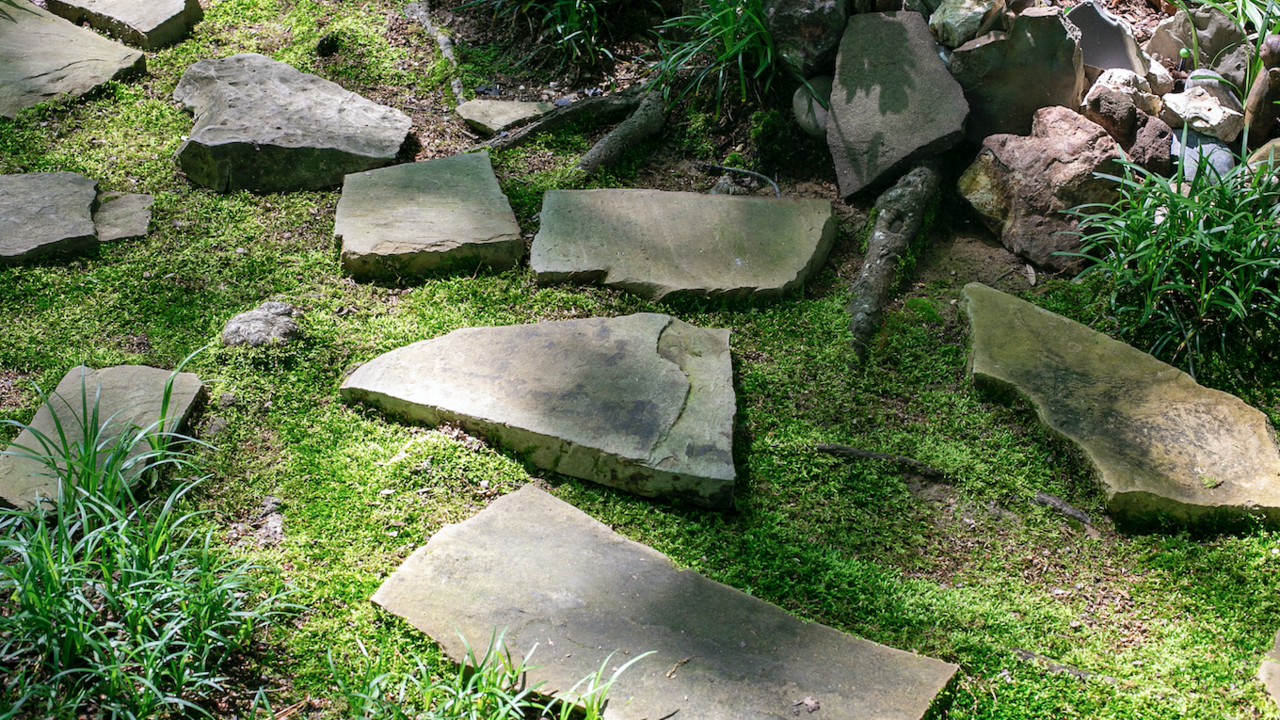
- Create paths with stepping stones to guide feet.
- Use signs to remind visitors to stay off moss.
- Place barriers around delicate moss patches.
- Allow moss time to recover after heavy use.
Creative Moss Garden Ideas
Moss gardens bring calm and green beauty to any space. They are easy to grow and need little care.
Using stones, paths, and other plants can make your moss garden more interesting and lively.
Incorporating Stones And Paths
Stones and paths add texture and guide visitors through your moss garden. They create a natural look and feel.
- Use flat stones to create stepping paths.
- Place larger rocks as focal points.
- Mix different stone colors for contrast.
- Keep the paths narrow to highlight the moss.
- Use gravel or sand around stones to improve drainage.
Combining Moss With Other Plants
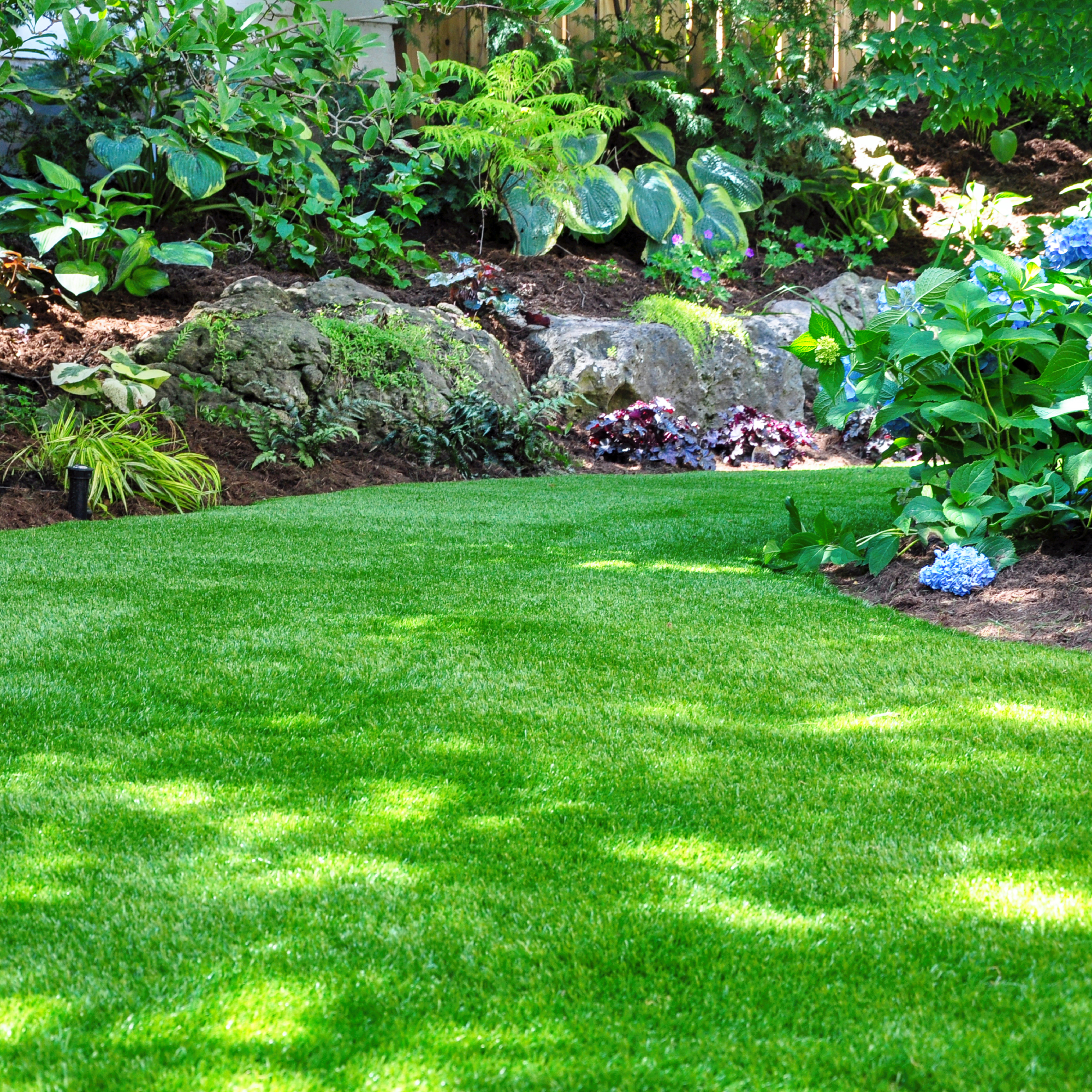
Mix moss with small plants to add layers and color. Choose plants that like shade and moist soil.
| Plant | Light | Water Needs |
| Ferns | Shade | Medium |
| Hostas | Partial Shade | Medium |
| Heuchera | Shade | Low |
| Small Ivy | Shade | Medium |
Frequently Asked Questions
What Is The Best Environment For Moss Growth?
Moss thrives in shaded, moist environments. It prefers acidic soil with good drainage. Moss can grow on rocks, soil, or wood. Ensure the area is free of debris. Moss needs indirect sunlight and a consistent moisture level. Keep the area damp but not waterlogged for optimal growth.
How Do You Start A Moss Garden?
Begin by selecting a shaded location. Clear the area of debris and weeds. Choose a suitable moss variety. Prepare the surface by moistening it. Spread the moss fragments evenly. Press them gently into the surface. Water regularly to maintain moisture.
Within weeks, the moss will establish itself.
Can Moss Grow Indoors?
Yes, moss can grow indoors with proper conditions. Choose a container with good drainage. Ensure indirect sunlight and maintain high humidity. Mist the moss regularly to keep it moist. Use distilled water to prevent mineral buildup. Monitor the moss for pests and mold.
Indoor moss gardens require regular maintenance.
How To Maintain A Moss Garden?
Maintain a moss garden by keeping it moist. Water regularly, especially during dry periods. Remove debris and fallen leaves promptly. Ensure the area remains shaded. Avoid stepping on the moss to prevent damage. Fertilizers are not necessary. Regularly check for pests and diseases.
Proper maintenance ensures lush, healthy moss growth.
Conclusion
Growing a moss garden brings calm and beauty to any space. It needs little care but gives much peace. Choose a shady spot and keep the soil moist. Watch the moss spread slowly and cover the ground softly. Small steps each day help your garden thrive.
Enjoy the quiet green carpet you create. A moss garden adds nature’s charm in a simple way. Start today and see how gentle growth brings joy.