
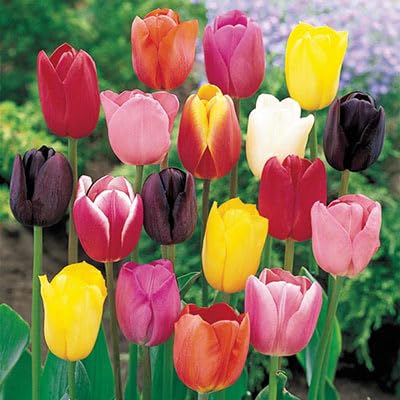

Do you want to see your garden come alive with vibrant, healthy plants? Growing garden plants can be simple and rewarding when you know the right steps.
Imagine stepping outside to a garden full of color, fresh scents, and the joy of watching your efforts bloom. In this guide, you’ll discover easy tips that make growing plants fun and successful. Whether you’re a beginner or just looking to improve, these ideas will help your garden thrive like never before.
Keep reading to unlock the secrets that will turn your garden into a green paradise!
Choosing The Right Plants
Choosing the right plants helps your garden grow strong and healthy. It saves time and effort later. Picking plants that fit your environment is key to a good garden.
Learn how to match plants to climate, soil, and sunlight. These factors affect how well your plants will thrive.
Matching Plants To Climate
Each plant grows best in a certain climate. Check if your area is hot, cold, wet, or dry. Choose plants that like your local weather. This helps them survive and grow well.
- Look for plants labeled as hardy for your zone
- Choose drought-tolerant plants in dry areas
- Pick frost-resistant plants if you have cold winters
- Use native plants that naturally fit your climate
Selecting Suitable Soil Types
Soil type affects plant health and growth. Some plants like sandy soil, others prefer clay or loam. Test your soil to know its type. Then pick plants that match the soil texture and nutrients.
| Soil Type | Best Plants |
| Sandy | Carrots, Lavender, Melons |
| Clay | Daylilies, Iris, Peonies |
| Loamy | Tomatoes, Beans, Roses |
| Peaty | Blueberries, Rhododendrons |
Considering Sunlight Needs
Plants need different amounts of sunlight. Some grow well in full sun. Others do better in shade or part shade. Know your garden’s sun areas before planting.
- Full Sun:Tomatoes, Basil, Zinnias
- Partial Shade:Lettuce, Spinach, Ferns
- Full Shade:Hostas, Impatiens, Caladiums
Preparing Your Garden Soil
Good soil is the base for healthy garden plants. Preparing soil helps plants grow strong.
Before planting, check soil quality and improve it if needed. This gives your plants a good start.
Testing Soil Quality
Test your soil to know its condition. This includes checking pH and nutrient levels.
You can use a soil test kit or send samples to a lab. Tests show what your soil lacks.
- Check soil pH to see if it is acidic, neutral, or alkaline
- Test for key nutrients like nitrogen, phosphorus, and potassium
- Look at soil texture to understand water retention and drainage
Improving Soil Fertility
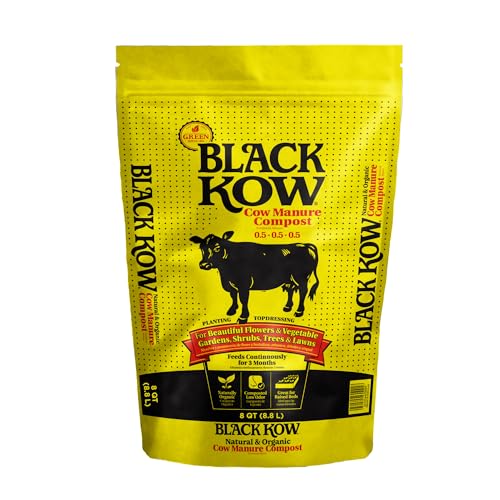
Add organic matter to improve soil fertility. Compost and manure work well.
Fertile soil helps plants get the nutrients they need to grow healthy and strong.
- Mix compost or aged manure into the soil
- Use natural fertilizers if tests show nutrient deficiencies
- Rotate crops to keep soil healthy over time
Ensuring Proper Drainage
Good drainage prevents water from pooling around plant roots. Too much water can harm plants.
Check if your soil drains well by digging a small hole and filling it with water.
- If water stays too long, add sand or organic matter to improve drainage
- Build raised beds to help excess water flow away
- Avoid compacting soil to keep air and water moving
Planting Techniques
Growing healthy garden plants starts with good planting methods. Careful steps at the start help plants thrive.
Learn how to plant at the right depth, give enough space, and pick the right time to plant.
Correct Planting Depth
Planting at the right depth helps roots grow strong. Too deep or too shallow can stop growth.
Seeds usually need to be covered with soil about twice their size. Young plants should be set so their roots are fully covered.
- Check seed packet for depth instructions
- Use a stick or finger to measure depth
- Firm soil gently after planting
- Avoid planting too deep to prevent rot
Spacing For Growth
Plants need space to spread leaves and roots. Crowded plants can get less sun and air.
| Plant Type | Space Between Plants | Space Between Rows |
| Lettuce | 8 inches | 12 inches |
| Tomatoes | 24 inches | 36 inches |
| Carrots | 3 inches | 12 inches |
| Beans | 4 inches | 18 inches |
Timing Your Planting
Plant at the right time for your climate and plant type. Planting too early or late harms growth.
- Check last frost date for your area
- Plant warm-season crops after frost
- Start cool-season crops before last frost
- Follow seed packet planting dates
Credit: 104homestead.com
Watering Strategies
Watering garden plants correctly helps them grow strong and healthy. The right water amount and timing are key to good plant care.
This guide covers how often to water, what tools to use, and how to avoid watering problems.
Frequency And Amount
Plants need different amounts of water depending on their type and weather conditions. Too little or too much water can harm them.
- Check the soil moisture before watering to know if plants need water.
- Water deeply but less often to encourage strong roots.
- Water plants early in the morning or late in the evening to reduce evaporation.
- Adjust watering during rainy or hot days.
Watering Tools And Methods
Using the right tools makes watering easier and more effective. Different methods suit different plants and garden sizes.
- Watering cans work well for small gardens and potted plants.
- Soaker hoses deliver water directly to the soil and save water.
- Drip irrigation systems provide slow, steady water to roots.
- Sprinklers cover large areas but may waste water if not timed properly.
Avoiding Overwatering
Overwatering can cause root rot and attract pests. Watch for signs and adjust your watering habits.
| Sign | Cause | Action |
| Yellow leaves | Too much water | Let soil dry before watering again |
| Wilting | Root rot from waterlogged soil | Improve soil drainage and reduce watering |
| Fungus or mold | Excess moisture | Water less often and increase airflow |
Fertilizing Your Garden
Fertilizing helps your garden plants grow strong and healthy. Good fertilizer gives plants the nutrients they need.
Using the right fertilizer and applying it well can boost your garden’s growth and yield.
Choosing The Right Fertilizer
Pick a fertilizer based on your plants’ needs and soil condition. Look at the three main nutrients: nitrogen, phosphorus, and potassium.
| Fertilizer Type | Main Use | Best For |
| High Nitrogen | Leaf growth | Leafy vegetables, lawns |
| High Phosphorus | Root and flower growth | Root crops, flowering plants |
| Balanced NPK | Overall plant health | Most garden plants |
Natural Vs. Synthetic Options
Natural fertilizers come from plants or animals. They release nutrients slowly and improve soil health.
Synthetic fertilizers are made in factories. They give nutrients fast but can harm soil if overused.
- Natural fertilizers: compost, manure, bone meal
- Synthetic fertilizers: chemical blends, liquid feeds
- Use natural options for long-term soil health
- Use synthetic for quick nutrient fixes
Fertilizer Application Tips
Apply fertilizer carefully to avoid plant damage. Follow these tips for best results.
- Read the fertilizer label for instructions
- Apply fertilizer evenly around the plant base
- Water plants after fertilizing to help nutrients soak in
- Avoid fertilizing on very hot or dry days
- Do not overuse fertilizer to prevent root burn
Credit: acreagelife.com
Controlling Pests And Diseases
Gardening can be hard when pests and diseases attack your plants. Knowing how to control them keeps your garden healthy.
Use simple methods to spot pests early and stop diseases from spreading. This helps your plants grow strong.
Identifying Common Garden Pests
Look for signs of pests like holes in leaves, sticky residue, or webbing. Common pests include aphids, caterpillars, and slugs.
- Aphids: small, soft-bodied insects on new growth
- Caterpillars: chew large holes in leaves
- Slugs: leave slime trails and eat leaves at night
- Spider mites: tiny spots and fine webs on leaves
- Whiteflies: small white insects flying around plants
Natural Pest Control Methods
Use natural ways to keep pests away without harming the plants. These methods help keep your garden safe and clean.
- Introduce ladybugs and lacewings to eat harmful insects
- Spray plants with soapy water to remove pests
- Plant marigolds to repel some insects
- Use neem oil as a natural pesticide
- Handpick larger pests like caterpillars and slugs
Preventing Plant Diseases
Stop diseases before they start by keeping plants healthy and clean. Good habits help your garden stay disease-free.
| Prevention Method | Description |
| Proper Spacing | Leaves room for air to flow and dry leaves quickly |
| Watering Early | Water plants in the morning to avoid wet leaves at night |
| Clean Tools | Disinfect garden tools to stop spreading disease |
| Remove Diseased Leaves | Cut off infected parts to prevent spread |
| Use Disease-resistant Plants | Choose plants that resist common local diseases |
Pruning And Maintenance
Pruning helps garden plants grow strong and healthy. It removes parts that can slow growth. Proper maintenance keeps plants looking good.
Knowing when and how to prune is key. Using the right tools and removing bad parts of the plant improves its life.
When To Prune
Prune most plants in late winter or early spring. This is before new growth starts. Some flowering plants need pruning after they bloom.
- Prune fruit trees in winter for better fruit
- Cut back roses in early spring
- Trim summer-flowering shrubs after they bloom
- Avoid pruning in fall to prevent damage
Tools For Pruning
Use clean, sharp tools to make smooth cuts. This helps plants heal faster. Different tools work best for different plants.
| Tool | Use |
| Pruning shears | Small branches and stems |
| Loppers | Thicker branches up to 2 inches |
| Pruning saw | Large branches over 2 inches |
| Gloves | Protect hands from cuts and thorns |
Removing Dead Or Diseased Growth
Dead and diseased parts harm plants and spread problems. Remove them quickly to keep plants healthy. Cut back to healthy wood.
Follow these tips to remove bad growth:
- Look for brown, dry, or black branches
- Cut off leaves with spots or mold
- Dispose of removed parts away from the garden
- Clean tools after pruning to avoid spreading disease
Supporting Plant Growth
Growing garden plants well needs extra help sometimes. Supporting plants keeps them healthy and strong.
This guide shows simple ways to help plants grow better in your garden.
Using Stakes And Trellises
Stakes and trellises hold plants up as they grow. This stops plants from falling or breaking.
Many climbing plants like beans or tomatoes need support to grow tall and healthy.
- Use stakes for single tall plants
- Trellises work well for climbing vines
- Tie plants gently with soft string
- Place supports early to avoid damage
Mulching Benefits
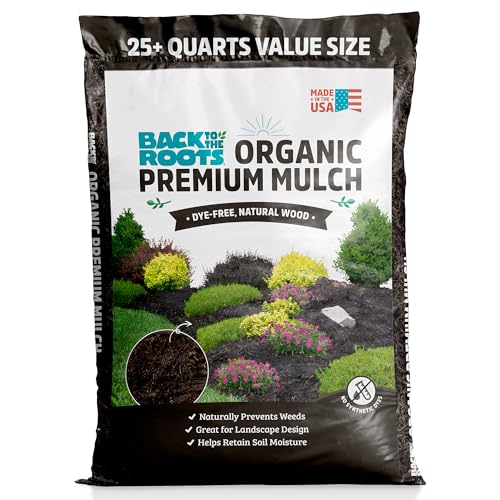
Mulch is a layer of material on the soil surface. It helps keep soil moist and cool.
Mulching reduces weeds and adds nutrients to the soil as it breaks down.
- Use straw, wood chips, or leaves as mulch
- Apply mulch around plants but not on stems
- Mulch keeps soil temperature steady
- It helps plants use water better
Companion Planting Ideas
Companion planting means growing plants that help each other nearby. This can improve growth and reduce pests.
Some plants work well together by sharing nutrients or keeping bugs away.
- Basil grows well with tomatoes and keeps bugs off
- Carrots and onions planted together protect each other
- Corn, beans, and squash grow well in the same area
- Marigolds near vegetables can stop harmful insects
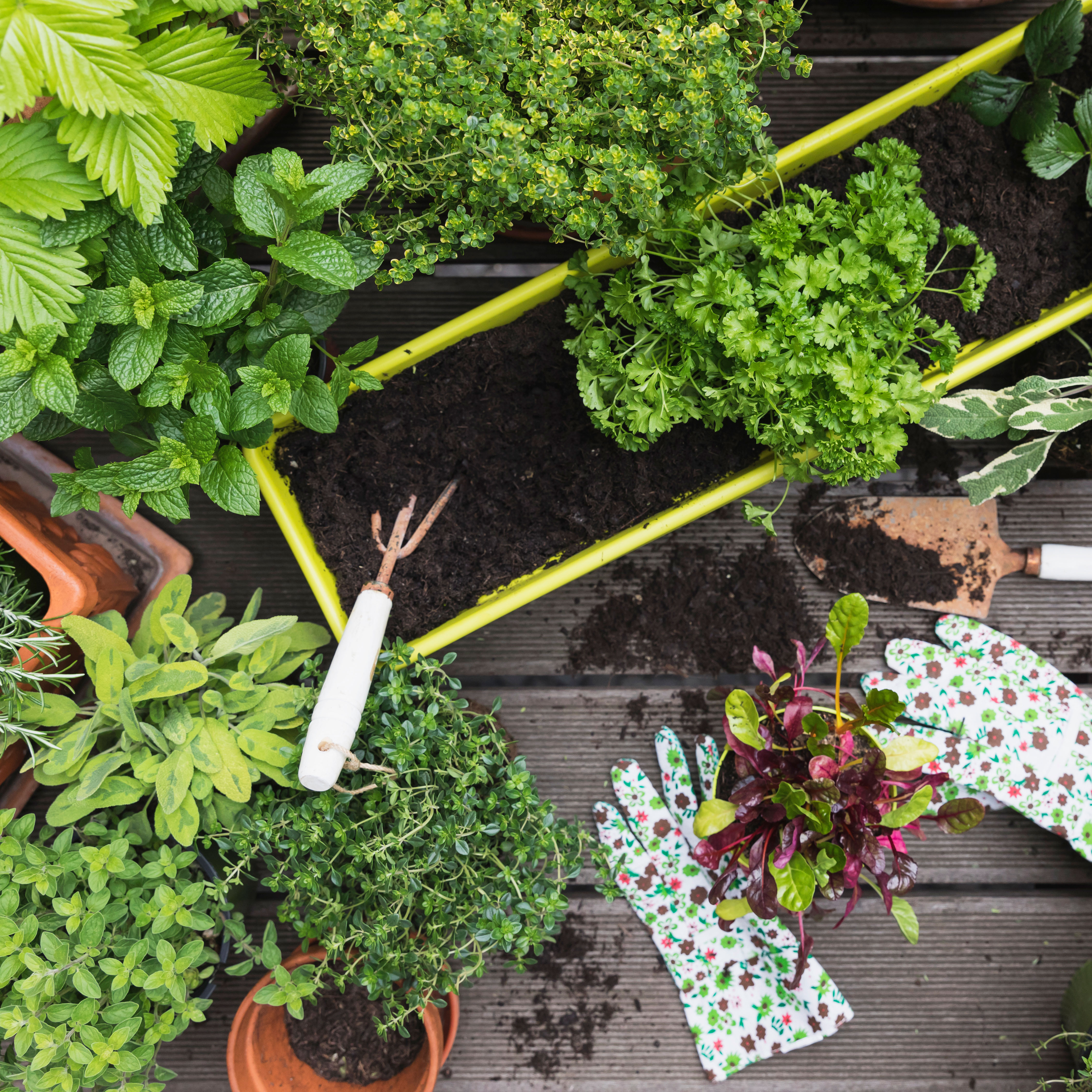
Credit: www.gardeningknowhow.com
Frequently Asked Questions
How Can I Start A Garden Easily?
To start a garden, choose a sunny spot with good soil. Begin with easy-to-grow plants like tomatoes or herbs. Use quality soil and water consistently. Research local climate conditions to select the best plants for your area. Regular maintenance, such as weeding and fertilizing, will help your garden thrive.
What Is The Best Soil For Garden Plants?
The best soil for garden plants is well-draining, rich in organic matter, and loamy. A balanced pH level, typically between 6. 0 and 7. 0, is ideal. Soil with good aeration allows roots to breathe. Compost can enrich the soil, providing essential nutrients for plant growth and health.
How Often Should I Water Garden Plants?
Water garden plants deeply but infrequently, usually once or twice a week. This encourages deep root growth. The frequency depends on the plant type, soil, and climate. Morning is the best time to water, minimizing evaporation. Always check soil moisture before watering to avoid overwatering.
What Are Common Mistakes In Gardening?
Common gardening mistakes include overwatering, poor soil preparation, and planting in the wrong season. Neglecting pest control and not providing enough sunlight can harm plants. Avoid these mistakes by researching plant needs, maintaining soil health, and monitoring weather conditions. Regular garden maintenance is essential for plant success.
Conclusion
Growing garden plants takes patience and care. Choose good soil and plant seeds correctly. Water your plants regularly, but don’t overdo it. Give them enough sunlight every day. Watch for pests and remove them fast. Prune dead leaves to keep plants healthy.
Enjoy the small changes as your garden grows. With time and effort, your plants will thrive. Gardening brings joy and fresh air to your life. Start today, and see your garden bloom beautifully.