



Is your garden uneven, making it hard to plant or enjoy? Leveling your garden can transform it into a smooth, beautiful space perfect for growing flowers, vegetables, or just relaxing.
Imagine stepping outside to a garden that looks neat and feels comfortable underfoot. You’ll discover simple, effective ways to level your garden without expensive tools or expert help. Ready to create the garden you’ve always wanted? Let’s get started!

Credit: www.reddit.com
Preparing The Site
Leveling a garden starts with good preparation. A smooth and clean area makes the job easier and the results better.
Focus on clearing the space first. Removing anything unwanted helps create a flat surface for planting.
Clearing The Area
Begin by removing large objects like rocks, sticks, and old roots. These can block your tools and cause uneven ground.
- Pick up stones and branches by hand
- Use a rake to gather small debris
- Remove old garden structures or fences
- Mark any underground pipes or cables before digging
Removing Debris And Weeds
Weeds can grow back if roots stay in the soil. Clearing them out fully helps keep your garden healthy.
| Type of Debris | Method of Removal |
| Weeds with shallow roots | Pull by hand or use a hoe |
| Weeds with deep roots | Use a spade to dig them out |
| Dead leaves and grass | Rake and collect in a bag |
| Small stones and soil clumps | Break apart with a garden fork |
Assessing The Terrain
Before leveling your garden, it is important to check the ground. Knowing the shape of your land helps you plan better.
Assessing the terrain shows where you need to add or remove soil. This step makes the garden safe and neat.
Identifying Uneven Spots
Walk around your garden and look closely at the ground. Notice areas that look higher or lower than others.
Uneven spots can cause water to pool or drain incorrectly. Mark these places with flags or sticks.
- Check for slopes that are too steep
- Look for dips where water might collect
- Find raised patches that may block water flow
- Note any large holes or bumps
Using Tools To Measure Level
Use simple tools to check if the garden is flat. These tools help measure how much the ground rises or falls.
A level surface makes planting easier and prevents water problems. Common tools include a spirit level or a laser level.
- Spirit level: Place on the ground to see if it is even
- Laser level: Sends a beam to check height differences
- String line: Stretch between two points to compare heights
- Measuring tape: Measure distances and drops in height
Gathering Materials And Tools
Leveling a garden needs the right materials and tools. This helps you create a flat, even area for plants.
Gather everything before you start. This saves time and makes the work easier.
Essential Equipment
Use tools that make leveling simple and accurate. The right equipment improves your work quality.
- Shovel for digging and moving soil
- Rake to smooth the surface
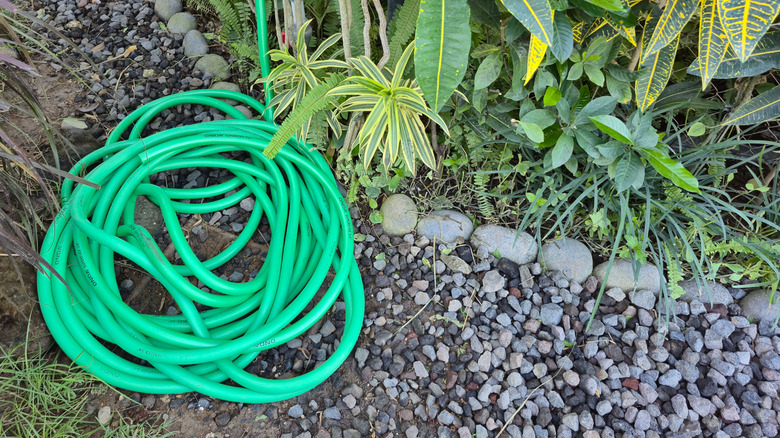
- Garden hose or string for marking lines
- Spirit level or laser level to check evenness
- Wheelbarrow to carry soil and materials
- Measuring tape for accurate dimensions
Choosing The Right Soil
Good soil helps plants grow well and keeps the garden stable. Choose soil based on your garden needs.
| Soil Type | Use | Notes |
| Loamy Soil | Best for most plants | Balances drainage and nutrients |
| Sandy Soil | Good for drainage | Needs added organic matter |
| Clay Soil | Holds water well | May need mixing with sand |
| Topsoil | Surface layer for planting | Rich in organic material |

Credit: www.reddit.com
Leveling Techniques
Leveling a garden makes planting easier and improves water drainage. It also helps create a neat and safe space for walking or playing.
There are simple ways to level your garden by filling low spots, removing high spots, and using tools like a rake and board. These methods help you get an even surface.
Filling Low Areas
Low areas in your garden can collect water and cause problems for plants. Filling these spots with soil or compost lifts the ground level to match the rest of the garden.
- Clear the low area of debris and dead plants.
- Fill the spot with topsoil or compost.
- Compact the soil gently to avoid sinking later.
- Water the area lightly to help settle the soil.
- Add more soil if needed after settling.
Removing High Spots
High spots can cause uneven water flow and make the garden look uneven. Removing or lowering these areas helps create a smooth surface.
You can use a shovel or spade to dig up excess soil. Move the soil to fill low spots or set it aside for later use.
| Tool | Use |
|---|---|
| Shovel | Dig and remove high soil spots |
| Wheelbarrow | Move removed soil to low areas |
| Gloves | Protect hands while digging |
Using A Rake And Board
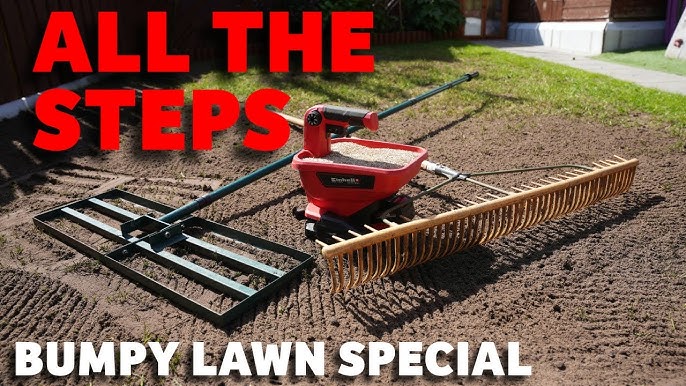
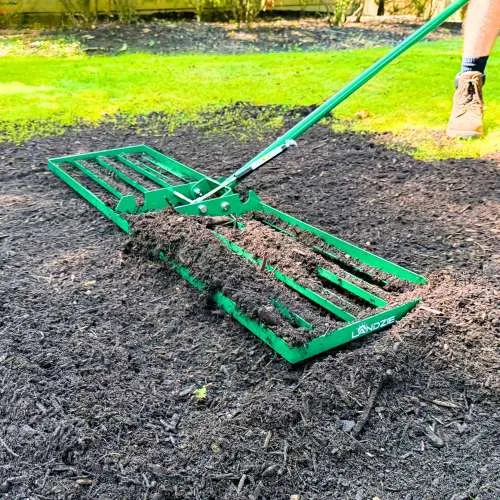
A rake and a flat board help spread soil evenly and smooth the surface. This step gives your garden a clean, level look.
- Use the rake to spread soil across the garden evenly.
- Place a flat board on the soil surface.
- Drag the board gently over the soil to flatten bumps.
- Repeat until the garden surface feels smooth and level.
- Check the level by walking across and looking for uneven spots.
Compact The Soil
Compacting the soil is an important step when leveling a garden. It makes the ground firm and stable.
Firm soil helps plants grow better and prevents uneven surfaces.
Methods For Soil Compaction
You can compact soil using different tools and techniques. Each method helps press soil particles closer.
- Use a hand tamper to press small areas by hand.
- Roll a lawn roller over the soil for large flat spaces.
- Walk over the soil with heavy boots to add pressure.
- Use a plate compactor for heavy-duty soil pressing.
Importance Of Firm Ground
Firm ground supports plants and garden structures well. It stops soil from shifting or sinking.
Compacted soil helps water soak evenly and stops puddles from forming. It also makes mowing easier.
Final Touches
After leveling your garden, the final steps bring life and beauty to the soil. These touches help your garden grow healthy and strong.
Focus on planting and caring for your lawn carefully. This ensures the garden stays even and green for a long time.
Seeding Or Laying Sod
Choose between seeding or laying sod based on your time and budget. Seeds take longer but cost less. Sod gives instant grass but costs more.
- Prepare the soil by raking to remove debris
- Spread seeds evenly or roll out sod carefully
- Press seeds or sod lightly into the soil
- Cover seeds with a thin layer of soil or mulch
- Keep the area free of heavy foot traffic
Watering And Maintenance Tips
| Task | Frequency | Notes |
| Watering | Daily (first 2 weeks) | Keep soil moist but not soaked |
| Mowing | Once grass reaches 3 inches | Cut only top third of blades |
| Fertilizing | 4-6 weeks after planting | Use balanced fertilizer for lawns |
| Weed Control | Regularly | Remove weeds by hand or with herbicide |
Consistent care helps your garden stay level and beautiful. Water and mow properly to avoid uneven growth.
Common Mistakes To Avoid
Leveling a garden is important to create a smooth, even surface. Many gardeners make mistakes that cause problems later.
Knowing what to avoid helps you get better results and saves time and effort.
Overfilling Low Areas
Adding too much soil to low spots can cause uneven ground. It may look good at first but can settle and create dips.
Fill low areas gradually and compact the soil as you go. This prevents future sinking and keeps the garden level.
- Do not dump large amounts of soil at once
- Compact soil after each layer is added
- Check the level frequently with a straight board or level tool
Ignoring Drainage Issues
Poor drainage can cause water to pool in your garden. This damages plants and soil structure.
Make sure the garden slopes gently away from buildings. Add drainage solutions if water collects in certain spots.
- Check for water pooling after rain
- Create a slight slope to direct water flow
- Use gravel or drainage pipes if needed
Credit: landzie.com
Frequently Asked Questions
What Tools Do I Need To Level A Garden?
To level a garden, you’ll need a shovel, garden rake, string level, and a wheelbarrow. These tools help in removing excess soil, evening out the surface, and ensuring the ground is level. Having the right tools makes the process efficient and effective.
How Do I Prepare Soil For Leveling?
Start by removing rocks, debris, and vegetation. Then, use a garden rake to break up clumps. This ensures the soil is loose and easy to work with, allowing for better leveling. Proper preparation is crucial for achieving a smooth and even garden surface.
Can Leveling A Garden Improve Drainage?
Yes, leveling a garden can significantly improve drainage. By creating a slight slope away from structures, water can flow away efficiently. This prevents pooling and reduces the risk of waterlogging, promoting healthier plant growth and maintaining garden integrity.
How Long Does Garden Leveling Take?
The time to level a garden depends on size and condition. Smaller gardens can take a few hours, while larger ones may take a day or more. Proper planning and efficient use of tools can help speed up the process.
Conclusion
Leveling a garden takes some effort but brings great results. A flat garden helps plants grow better and makes watering easier. Using simple tools and following clear steps can guide you well. Regular checks keep the garden even over time.
Enjoy the process and watch your garden thrive. A smooth, level garden adds beauty and value to your home. Start small, stay patient, and see the difference soon.