

Are you dreaming of a beautiful garden but don’t know where to start? Planning a garden design might seem tricky, but with the right steps, you can create a space that’s perfect for you.
Imagine stepping outside to a garden that feels just right—full of colors, scents, and spots to relax. This guide will show you how to plan your garden easily, so you get the results you want without stress. Keep reading, and you’ll discover simple tips that turn your garden ideas into reality.
Choosing The Right Location
Picking the right spot for your garden is very important. The location affects how plants grow and how much care they need.
Good planning helps your garden stay healthy and beautiful. You should look at sunlight, soil, and water access before you start planting.
Assessing Sunlight And Shade
Plants need different amounts of sunlight. Some need full sun, while others grow well in shade.
Watch the area during the day. Note where the sun hits and where shade falls.
- Full sun: at least 6 hours of direct light
- Partial sun/shade: 3 to 6 hours of light
- Full shade: less than 3 hours of light
Evaluating Soil Quality
Good soil helps plants get nutrients and water. Test your soil to see what it needs.
Check if the soil is sandy, clay, or loamy. Loamy soil is best for most plants.
- Sandy soil drains quickly but holds fewer nutrients
- Clay soil holds water but may drain poorly
- Loamy soil is balanced and fertile
- Amend soil with compost to improve quality
Considering Drainage And Water Access
Good drainage stops water from pooling around plant roots. Too much water can hurt plants.
Make sure your garden spot has easy access to water. This helps you keep plants healthy.
- Check if water drains well after rain
- Avoid low spots where water collects
- Choose a location near a water source
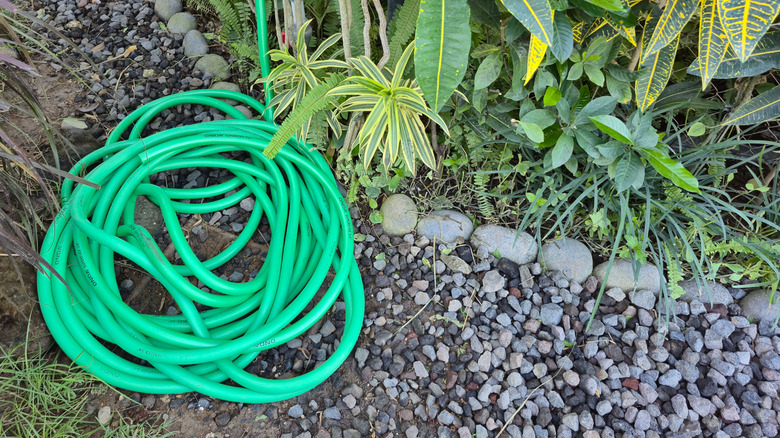
- Use watering tools that reach your garden easily
Selecting A Garden Style
Choosing the right garden style helps you create a space you enjoy. Your garden style sets the mood and guides your design.
Think about how you want to use your garden. Pick a style that fits your needs and taste.
Formal Vs Informal Layouts
Formal gardens use straight lines and clear shapes. They look neat and organized with matching plants and paths.
Informal gardens have natural shapes. They use curved paths and mixed plants to look relaxed and wild.
- Formal gardens have symmetry and balance
- Informal gardens feel casual and free
- Formal uses trimmed hedges and straight paths
- Informal uses natural plants and winding paths
Incorporating Themed Designs
Themed gardens focus on a certain idea or culture. Themes create a unique look and feel.
Popular themes include Japanese, Mediterranean, and cottage gardens. Each uses special plants and decorations.
- Japanese gardens use rocks, water, and simple plants
- Mediterranean gardens have herbs and bright flowers
- Cottage gardens mix many colorful flowers and veggies
Blending With Surrounding Architecture
Your garden should match your home’s style. This creates a smooth look from house to garden.
Use colors, shapes, and materials that fit your building. This helps your garden feel part of the whole space.
- Modern homes suit simple, clean gardens
- Traditional homes pair well with classic garden styles
- Use stone, wood, or metal that matches your house
- Choose plants that fit the climate and home style
Planning Plant Selection
Choosing the right plants is key to a beautiful garden. Good plant selection helps your garden thrive and look great.
Think about the climate, colors, and bloom times. These factors make your garden healthy and interesting year-round.
Choosing Native And Adapted Plants
Native plants grow well in your area’s soil and weather. They need less water and care than other plants.
Adapted plants also do well in your climate but may come from other places. They add variety to your garden.
- Native plants support local wildlife
- Adapted plants can handle local weather
- Both save water and reduce maintenance
Balancing Colors And Textures
Use different colors to make your garden lively. Mix bright and soft colors for a nice look.
Textures from leaves and flowers add interest. Combine smooth, rough, and fuzzy plants for variety.
- Use warm colors like red and orange to attract attention
- Cool colors like blue and purple calm the space
- Mix large and small leaves for texture contrast
Seasonal Bloom Considerations
Pick plants that bloom in different seasons. This keeps your garden colorful all year long.
Include early spring bulbs, summer flowers, and fall shrubs. This way, your garden changes with the seasons.
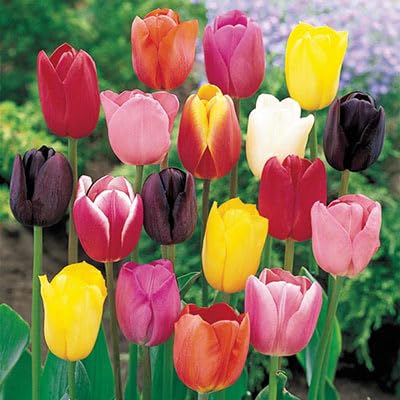
- Spring: tulips, daffodils, crocus
- Summer: roses, lilies, sunflowers
- Fall: asters, chrysanthemums, sedum
Designing Garden Structures
Garden structures add beauty and function to your outdoor space. They help organize the garden and create focal points.
Careful planning of these elements makes your garden inviting and easy to enjoy all year round.
Adding Paths And Walkways
Paths guide visitors and protect plants from foot traffic. Choose materials that fit your garden style and climate.
- Use gravel or crushed stone for a natural look
- Concrete or brick paths offer durability and clean lines
- Wooden boardwalks suit wet or shady areas
- Consider curved paths to add interest and flow
Integrating Fences And Walls
Fences and walls provide privacy and define garden zones. They also support climbing plants and add texture.
| Type | Purpose | Material |
| Wooden Fence | Privacy, natural feel | Wood |
| Stone Wall | Structure, soil retention | Stone |
| Metal Fence | Security, modern look | Iron or steel |
| Hedge | Soft barrier, wildlife habitat | Plants |
Incorporating Water Features
Water features add sound and movement to the garden. They can attract birds and create a calm space.
Popular Water Features
- Ponds with fish and aquatic plants
- Fountains for a soothing water sound
- Waterfalls to add height and interest
- Birdbaths for wildlife attraction
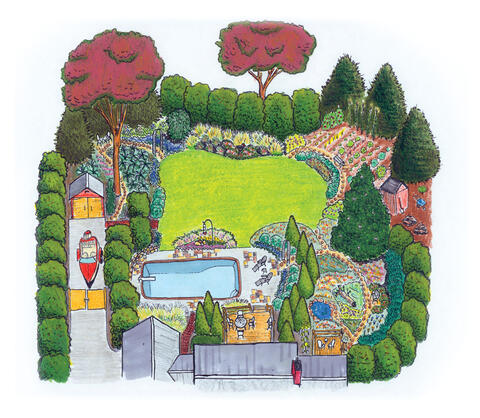
Maximizing Space And Functionality
Credit: extension.msstate.edu
Implementing Sustainable Practices
Planning a garden with sustainable practices helps protect the environment. It saves resources and supports local wildlife.
Sustainable gardening makes your space healthy and beautiful while reducing waste and pollution.
Water Conservation Techniques
Using water wisely helps your garden grow and saves this valuable resource. Choose plants that need less water.
Collect rainwater and water plants early in the morning or late in the evening.
- Install drip irrigation systems to reduce water waste
- Mulch soil to keep moisture longer
- Group plants with similar water needs
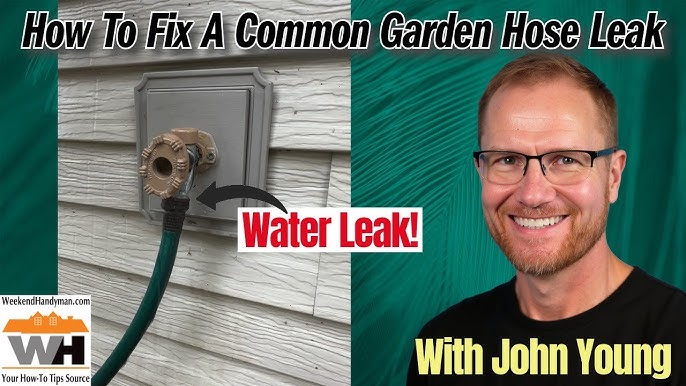
- Fix leaks in hoses and sprinklers quickly
Composting And Soil Health
Composting turns kitchen scraps and yard waste into rich soil nutrients. It improves soil structure and plant growth.
Healthy soil holds water better and supports beneficial microbes that fight pests naturally.
- Use vegetable peels, coffee grounds, and leaves for compost
- Turn compost regularly to speed breakdown
- Add compost to garden beds to enrich soil
- Avoid chemical fertilizers that harm soil life
Choosing Eco-friendly Materials
Select garden tools and decorations made from recycled or natural materials. Avoid plastics that last for decades.
Use wood, bamboo, or metal items that can be reused or recycled easily.
- Choose natural mulch like straw or bark
- Pick organic fabrics for garden covers
- Buy seeds from local, organic sources
- Reuse containers and pots when possible
Maintaining Your Garden
Keeping your garden healthy takes regular care. A well-maintained garden grows stronger and looks beautiful.
Simple daily tasks help plants stay healthy and produce more flowers and fruits.
Establishing A Care Routine
Create a daily and weekly plan for garden tasks. This makes maintenance easier and keeps plants healthy.
Check your garden often for signs of problems like dry soil or damaged leaves.
- Water plants early in the morning or late in the evening
- Remove weeds regularly to reduce competition for nutrients
- Check soil moisture before watering
- Clear fallen leaves and debris to prevent disease
Pruning And Feeding Plants
Prune plants to remove dead or weak branches. This helps plants grow stronger.
Feed plants with the right nutrients. Use natural fertilizers to improve soil health.
- Trim dead flowers to encourage new blooms
- Use compost or organic mulch to add nutrients
- Apply fertilizer based on plant type and season
- Prune at the right time for each plant species
Managing Pests Naturally
Use natural methods to control pests without harming your plants or the environment.
Encourage beneficial insects and use homemade sprays to keep pests away.
- Plant flowers that attract ladybugs and bees
- Use neem oil or garlic spray to deter pests
- Remove affected leaves or plants quickly
- Keep the garden clean to avoid pest hiding spots

Credit: perricogardens.com

Credit: www.gardensillustrated.com
Frequently Asked Questions
What Are The First Steps In Garden Design Planning?
Start by assessing your space, sunlight, and soil type. Define your garden’s purpose and style. Sketch a rough layout to visualize plant placement and pathways.
How Do I Choose Plants For My Garden Design?
Select plants suited to your climate, soil, and sunlight. Consider plant size, colors, and bloom times for year-round interest. Group plants with similar water needs together.
What Tools Help In Garden Design Planning?
Use graph paper or garden design software for accurate layouts. Measuring tape, soil test kits, and gardening books also aid in planning and plant selection.
How Can I Maximize Space In A Small Garden?
Use vertical planting, containers, and raised beds to save space. Choose compact or dwarf plant varieties. Create multi-functional areas with seating and storage.
Conclusion
Crafting a garden design requires patience and creativity. Start small. Choose plants that thrive in your climate. Plan for sunlight and shade. Consider the garden’s shape and size. Create a balance of colors and textures. Add pathways for easy access.
Don’t forget about water sources. Include space for seating or relaxation. Regularly maintain your garden for best results. Enjoy the process and watch your garden grow. Every step brings you closer to your dream garden. Happy gardening!