

Imagine stepping into your garden each morning and picking fresh, vibrant flowers to brighten your home. You don’t need a big yard or fancy tools to create your own cut flower garden.
With a little planning and simple steps, you can grow beautiful blooms that last longer and smell amazing. In this guide, you’ll discover exactly how to plant a cut flower garden that fits your space and style. Ready to turn your garden into a colorful bouquet waiting to happen?
Let’s get started!
Choosing The Right Location
Picking the right spot is key to a healthy cut flower garden. The location affects how well flowers grow and bloom.
Think about sunlight, soil, and space before planting. These factors help your flowers thrive and look beautiful.
Sunlight Requirements
Most cut flowers need plenty of sunlight to grow strong. Choose a place that gets at least six hours of sun daily.
Some flowers prefer morning sun and afternoon shade. Check the sunlight needs of your chosen flowers for best results.
- Full sun: 6-8 hours of direct sunlight
- Partial sun: 4-6 hours of sunlight
- Shade: Less than 4 hours of direct sun
Soil Conditions
Good soil helps flowers get the nutrients they need. Look for well-drained soil that stays moist but not soggy.
Test the soil pH; most cut flowers like slightly acidic to neutral soil. Add compost to improve soil health.
- Well-drained soil prevents root rot
- Loamy soil holds nutrients and water well
- Soil pH between 6.0 and 7.0 works best
- Add organic matter to enrich poor soil
Space Planning
Give each flower enough space to grow and get air. Crowded plants can cause diseases and weak blooms.
Plan rows or groups with enough room for walking and harvesting flowers easily.
- Check seed packets for spacing recommendations
- Leave space between rows for walking
- Group plants with similar height together
- Allow air flow to reduce mold and mildew

Credit: www.epicgardening.com
Selecting Cut Flower Varieties
Choosing the right flowers makes your cut flower garden beautiful and long-lasting. Pick flowers that grow well in your climate and soil.
Think about colors, shapes, and how long the flowers last after cutting. This helps you create lovely bouquets all season.
Popular Annuals
Annual flowers grow and bloom quickly in one season. They add bright colors and variety to your garden.
- Sunflowers – tall and cheerful with big blooms
- Zinnias – colorful and easy to grow
- Cosmos – delicate flowers that attract butterflies
- Marigolds – bright orange and yellow flowers
- Snapdragons – unique shapes and many colors
Best Perennials
Perennials come back every year, saving time and effort. They usually bloom for several weeks in spring or summer.
| Flower | Bloom Time | Cutting Tips |
| Peonies | Late spring | Cut when buds start to open |
| Lavender | Summer | Cut before full bloom for fragrance |
| Echinacea | Mid to late summer | Cut early morning for best freshness |
| Delphiniums | Early summer | Cut long stems for tall bouquets |
Seasonal Blooms
Choose flowers that bloom in different seasons. This keeps your garden colorful all year.
Here is a simple guide for seasonal cut flowers:
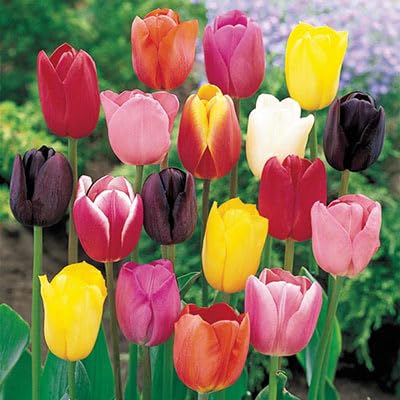
- Spring:Tulips, Daffodils, Hyacinths
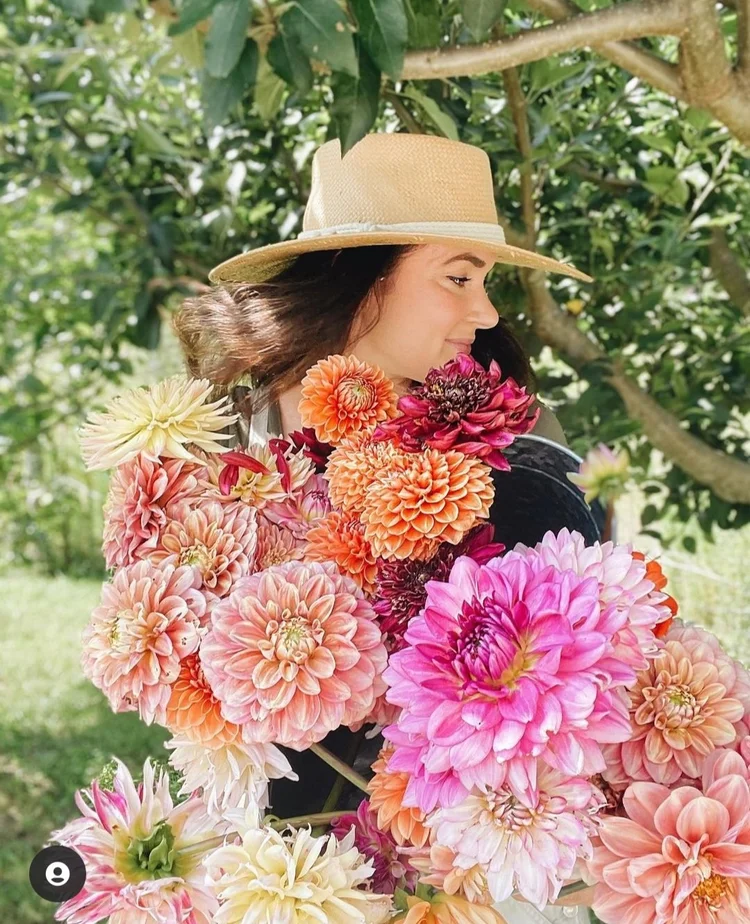
- Summer:Dahlias, Gladiolus, Sweet Peas
- Fall:Chrysanthemums, Asters, Goldenrod
- Winter:Hellebores, Winter Jasmine, Camellias
Preparing The Soil
Good soil is key to growing beautiful cut flowers. Preparing the soil helps plants get strong roots and healthy growth.
Before planting, you need to check the soil quality, improve drainage, and add nutrients. These steps create a great base for your garden.
Testing Soil Quality
Test the soil to know its type and condition. This shows if the soil is sandy, clay, or loamy. Each type needs different care.
Check the soil pH to see if it is too acidic or alkaline. Most cut flowers grow well in neutral soil with pH 6.0 to 7.0.
- Use a soil test kit or send a sample to a lab
- Note the soil texture: sand, silt, or clay
- Measure the pH level
- Look for signs of poor health like crusting or compaction
Improving Drainage
Good drainage stops water from sitting around roots. Too much water can cause root rot and kill plants.
If your soil drains slowly, mix in materials that help water flow better. This makes roots healthy and strong.
- Add organic matter like compost or peat moss
- Mix in sand or fine gravel for sandy soil
- Break up hard soil with a garden fork or tiller
- Create raised beds to improve water runoff
Adding Nutrients
Plants need nutrients to grow tall and bloom well. Adding the right nutrients helps flowers stay healthy all season.
Use natural fertilizers and compost to feed the soil. This keeps the soil alive and full of nutrients.
- Spread compost or well-rotted manure over the soil
- Use balanced fertilizer with nitrogen, phosphorus, and potassium
- Mix nutrients into the soil before planting
- Test soil again after adding nutrients to check levels
Planting Techniques
Planting a cut flower garden needs good techniques to help flowers grow well. Proper planting ensures strong roots and healthy blooms.
Use correct methods for starting seeds, moving seedlings, and placing plants in the soil. This helps your garden look full and colorful.
Seed Starting Tips
Start seeds indoors to give them a strong start. Use clean containers and fresh seed-starting mix for best results.
- Keep soil moist but not wet.
- Place seeds in a warm, bright spot.
- Thin seedlings to avoid crowding.
- Use grow lights if natural light is low.
- Harden off seedlings before planting outside.
Transplanting Seedlings
Move seedlings carefully to avoid root damage. Plant them on a cloudy day or in the late afternoon to reduce stress.
Water seedlings well before and after transplanting. Firm soil gently around the roots to remove air pockets.
Spacing And Depth
| Flower Type | Spacing | Planting Depth |
|---|---|---|
| Sunflowers | 12 to 18 inches | 1 to 2 inches |
| Zinnias | 6 to 12 inches | ¼ to ½ inch |
| Cosmos | 8 to 12 inches | ¼ inch |
| Dahlias | 18 to 24 inches | 4 to 6 inches |
Watering And Fertilizing
Watering and fertilizing are key for a healthy cut flower garden. These tasks help flowers grow strong and bloom beautifully.
Knowing how and when to water and fertilize keeps plants happy and prevents problems like root rot or poor growth.
Optimal Watering Schedule
Water flowers deeply but less often to encourage strong roots. Early morning is the best time to water plants.
Check soil moisture before watering. If soil feels dry 1 inch below the surface, it is time to water again.
- Water 2-3 times a week during dry weather
- Adjust watering based on rainfall and temperature
- Avoid watering late in the day to reduce disease risk
Choosing Fertilizers
Select a balanced fertilizer with equal parts nitrogen, phosphorus, and potassium. This supports healthy growth and blooms.
Use slow-release fertilizers or liquid feeds every few weeks for steady nutrition. Organic options work well for cut flowers.
- Nitrogen helps leaves grow green and strong
- Phosphorus supports root and flower development
- Potassium improves overall plant health and disease resistance
Avoiding Overwatering
Too much water harms roots and can cause mold or fungus. Always check soil moisture before adding water.
Ensure good drainage in your garden beds or pots. Remove excess water quickly to keep roots healthy.
- Use well-draining soil with organic matter
- Water only when soil is dry to the touch
- Watch for yellowing leaves or wilting signs
Maintaining Your Garden
Keeping your cut flower garden healthy takes regular care. Good maintenance helps flowers grow strong and look beautiful.
Simple tasks like controlling weeds and pests keep your garden neat. Removing old blooms helps plants make new flowers.
Weed Control
Weeds compete with your flowers for water and nutrients. Removing weeds early keeps your plants healthy.
Pull weeds by hand or use a hoe to clear them from the soil surface. Mulching helps stop weeds from growing.
- Remove weeds when small to stop spreading
- Use mulch to keep soil moist and block weeds
- Check your garden weekly for new weeds
Pest Management
Pests can damage flowers and leaves. Watch your garden often to spot bugs early.
Use natural pest controls like handpicking bugs or spraying water to remove them. Avoid harsh chemicals to protect beneficial insects.
- Inspect plants every few days
- Remove harmful insects by hand
- Spray water to wash away pests
- Encourage ladybugs and bees
Deadheading Flowers
Deadheading means removing old, faded flowers. This helps plants make new blooms faster.
Pinch or cut off dead flowers just above the next leaf or bud. This keeps your garden looking fresh and full.
- Remove wilted flowers regularly
- Cut back to healthy leaves or buds
- Use clean scissors or pinch by hand
- Deadheading extends blooming time
Harvesting Cut Flowers
Harvesting cut flowers at the right time keeps them fresh longer. Proper cutting and storing help maintain their beauty.
Learn the best time to cut flowers, how to cut them correctly, and ways to store and arrange them.
Best Time To Cut
Cut flowers early in the morning or late in the afternoon. The temperature is cooler then, so flowers last longer. Choose flowers that are just starting to open for the longest vase life.
Cutting Techniques
Use sharp scissors or pruning shears to cut flowers. Make a clean cut at an angle to help water absorption. Remove leaves that will be below the water line to stop rot.
- Cut stems at a 45-degree angle
- Use clean, sharp tools
- Cut early or late in the day
- Remove lower leaves
- Place cut flowers in water immediately
Storing And Arranging
| Storage Tip | Reason |
| Keep flowers in cool water | Slows down wilting |
| Change water every two days | Prevents bacteria growth |
| Use flower food if available | Feeds flowers and extends life |
| Trim stems every few days | Improves water intake |
| Arrange flowers loosely | Allows air circulation |
Store flowers in a cool place away from direct sunlight. Arrange them in clean vases with fresh water. Change the water often to keep flowers fresh.
Credit: www.azurefarmlife.com

Credit: www.thegritandpolish.com
Frequently Asked Questions
How Do I Start A Cut Flower Garden?
Begin by selecting a sunny location with well-drained soil. Choose flower varieties that thrive in your climate. Prepare the soil by adding compost or organic matter. Plan your garden layout and plant seeds or seedlings according to their spacing needs.
Water regularly and maintain your garden by weeding and deadheading.
What Flowers Are Best For Cutting?
Ideal cut flowers include roses, sunflowers, zinnias, and dahlias. These flowers have sturdy stems and long vase life. Consider planting a mix of annuals and perennials for continuous blooms. Choose varieties known for their fragrance and vibrant colors to enhance your arrangements.
When Is The Best Time To Plant?
The best time to plant depends on your climate. Generally, spring is ideal for most regions. Plant after the last frost date in your area. In warmer climates, you can start in late winter. Check local gardening guides for specific timing recommendations.
How Often Should I Water My Flower Garden?
Watering needs depend on climate and soil type. Generally, water deeply once a week. Ensure the soil is moist but not waterlogged. Mulching helps retain moisture and reduce evaporation. During hot spells, increase watering frequency to keep plants healthy and vibrant.
Conclusion
Planting a cut flower garden brings joy and beauty to your home. Choose flowers that suit your climate and soil. Water them regularly and watch them grow tall and bright. Harvest flowers in the morning for the best freshness. Enjoy the colors and scents that fill your space.
A simple garden can brighten any day. Start small and learn as you go. Soon, you will have a lovely garden full of blooms. Gardening brings peace and happiness to many people. Try planting your own cut flower garden today!