



Are you ready to transform your outdoor space into a stunning rose garden? Imagine stepping into your own colorful paradise, filled with fragrant blooms that brighten every day.
Planting a rose garden may seem tricky, but with the right tips, you can create a beautiful and thriving space that brings joy for years to come. In this guide, you’ll discover simple steps to choose, plant, and care for roses like a pro—making your garden the envy of the neighborhood.
Keep reading, and let’s get your rose garden growing!
Choosing The Right Roses
Choosing the right roses is key for a beautiful garden. Picking the best types and healthy plants helps your roses grow strong.
Learn about rose types, how to spot healthy plants, and find the right variety for your garden.
Types Of Roses
There are many types of roses. Each type has a unique look and care needs. Choose the type that fits your garden space and climate.
- Hybrid Tea Roses: Large, classic blooms on long stems.
- Floribunda Roses: Clusters of smaller flowers, bloom often.
- Climbing Roses: Long canes that grow on trellises or fences.
- Miniature Roses: Small bushes with tiny flowers, good for containers.
- Shrub Roses: Hardy and easy to grow, good for borders.
Selecting Healthy Plants
Pick healthy rose plants to avoid problems later. Look for strong stems and green leaves. Avoid plants with spots or dry edges.
- Firm, green stems with no cracks
- Leaves free of holes or yellow spots
- New buds forming
- Roots not crowded or dry
Picking The Perfect Variety
Choose rose varieties that match your climate and soil. Some roses need more sun, some tolerate shade. Think about flower color and scent.
| Rose Variety | Sunlight Needs | Soil Preference | Special Features |
| Hybrid Tea | Full sun | Well-drained | Large flowers, strong fragrance |
| Floribunda | Full sun | Moist, fertile | Frequent blooming |
| Climbing Rose | Full sun to part shade | Well-drained | Great for walls and fences |
| Miniature Rose | Full sun | Rich soil | Good for pots and small spaces |
| Shrub Rose | Full sun to part shade | Varies | Low maintenance, hardy |

Credit: www.her86m2.com
Preparing The Planting Site
Preparing the right place for your rose garden is very important. Good preparation helps roses grow strong and healthy.
This section explains how to find the best location, prepare the soil, and improve drainage and fertility.
Finding The Best Location
Roses need plenty of sunlight to bloom well. Choose a spot that gets at least six hours of direct sun every day.
Pick a place with good air flow. This helps keep leaves dry and stops diseases.
- Avoid areas near large trees or shrubs
- Stay away from places with strong winds
- Check if the spot drains water well
Soil Preparation
Good soil is key for healthy roses. Test your soil to know its type and pH level.
Roses prefer slightly acidic soil with a pH between 6.0 and 6.5. Add amendments to adjust the pH if needed.
- Remove weeds and grass from the area
- Loosen the soil to about 12 inches deep
- Mix in compost or organic matter to improve soil texture
Improving Drainage And Fertility
Roses do not like wet feet. Make sure the soil drains well to avoid root rot.
Add organic matter like compost to boost soil fertility. This gives roses the nutrients they need.
- If soil is heavy clay, mix in sand or fine gravel
- Use raised beds if the ground stays wet for long
- Apply balanced fertilizer before planting
Planting Your Roses
Planting roses is a rewarding task that needs care and timing. Proper planting helps your roses grow strong and bloom well.
Follow simple steps to plant your roses correctly. This guide covers the best time, spacing, and how to plant roses.
When To Plant
The best time to plant roses depends on your climate. In cooler areas, plant in early spring. In warmer areas, fall is ideal.
Planting at the right time lets the roots grow before hot or cold weather arrives. Avoid planting during freezing or very hot days.
Proper Spacing
Give each rose enough space to grow. Proper spacing helps air flow and reduces diseases. Space depends on the rose type.
| Rose Type | Space Between Plants |
|---|---|
| Hybrid Tea | 18 to 24 inches |
| Floribunda | 12 to 18 inches |
| Climbing Roses | 36 inches or more |
| Shrub Roses | 24 to 36 inches |
Step-by-step Planting Guide
- Choose a sunny spot with good soil drainage.
- Dig a hole twice as wide and deep as the rose root ball.
- Loosen the soil at the bottom and mix in compost.
- Place the rose in the hole so the graft union is just below ground level.
- Fill the hole with soil and press gently to remove air pockets.
- Water the rose deeply to settle the soil.
- Add mulch around the base to keep moisture and reduce weeds.
Caring For Your Rose Garden
Taking care of your rose garden helps the plants grow strong and bloom well. Roses need water, food, and proper trimming to stay healthy.
This guide covers easy tips for watering, feeding, and pruning your roses. Follow these steps to keep your garden beautiful.
Watering Tips
Roses need deep watering to reach their roots. Water your plants early in the morning to reduce evaporation.
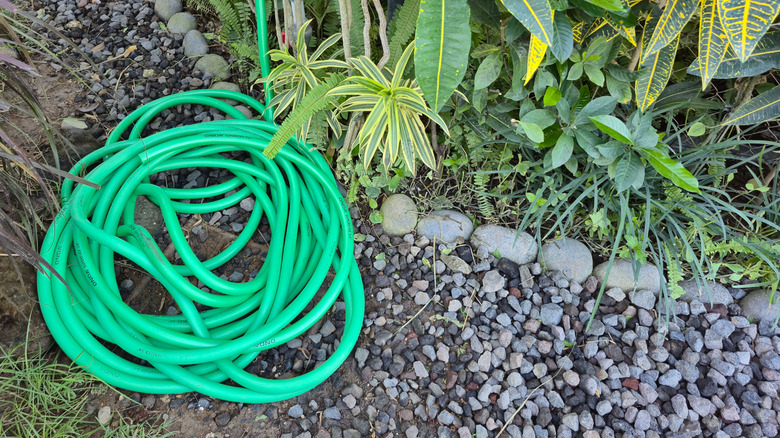
Avoid wetting the leaves to prevent diseases. Use a drip or soaker hose for best results.
- Water roses once or twice a week
- Give about 1 to 2 inches of water each time
- Water at the base, not the leaves
- Adjust watering during rainy or hot days
Fertilizing Schedule
Feed your roses with a balanced fertilizer to support growth and blooms. Start feeding in early spring when new leaves appear.
Stop fertilizing about six weeks before the first frost to help plants prepare for winter.
- Apply fertilizer every 4 to 6 weeks
- Use a fertilizer with equal parts nitrogen, phosphorus, and potassium
- Water the soil before and after applying fertilizer
- Follow package instructions for amounts
Pruning Techniques
Pruning helps roses grow new branches and flowers. Cut off dead or weak stems in early spring.
Make cuts at a 45-degree angle above a leaf bud. Remove any crossing branches to improve air flow.
- Prune in early spring before new growth
- Cut dead or damaged stems first
- Trim branches to shape the plant
- Use clean, sharp tools to prevent damage
Protecting Roses From Pests And Diseases
Roses are beautiful but need care to stay healthy. Pests and diseases can harm your rose garden.
Knowing how to protect your roses helps them grow strong and bloom well.
Common Rose Problems
Roses face many problems like pests and diseases. Some common issues are aphids, black spot, and powdery mildew.
- Aphids:Small insects that suck sap from new growth.
- Black Spot:A fungal disease causing black spots on leaves.
- Powdery Mildew:White powdery coating on leaves and stems.
- Spider Mites:Tiny pests that cause yellowing and webbing.
Natural Pest Control
Use natural methods to control pests without chemicals. This protects roses and the environment.
- Introduce ladybugs to eat aphids.
- Spray neem oil to stop fungal growth.
- Use insecticidal soap for soft-bodied insects.
- Plant marigolds nearby to repel pests.
Preventive Measures
Prevent problems before they start with good care. Keep your roses strong and less likely to get sick.
| Preventive Action | Purpose |
| Plant roses where they get six hours of sun | Helps keep leaves dry and stops fungal diseases |
| Water the base of plants, not the leaves | Reduces moisture on leaves that fungi need |
| Prune dead or diseased stems regularly | Removes sources of infection and improves air flow |
| Use mulch to keep soil moist and prevent weeds | Keeps roots healthy and reduces stress |
| Inspect plants often for signs of pests or disease | Early detection helps control problems quickly |
Credit: eu.davidaustinroses.com
Encouraging More Blooms
Growing a rose garden is rewarding. Roses bloom best with the right care. Encouraging more blooms takes simple steps.
Regular attention to deadheading, seasonal care, and soil health helps your roses thrive. Let’s explore these topics.
Deadheading Spent Flowers
Remove old flowers to keep roses producing new blooms. Deadheading stops the plant from making seeds.
- Cut the stem just above the first set of five leaves below the spent flower.
- Use clean, sharp pruning shears to avoid damage.
- Do this regularly during the blooming season.
Seasonal Care
Roses need different care at each season to bloom well. Adjust watering and feeding as weather changes.
| Season | Care Tips |
| Spring | Prune dead wood, start feeding weekly, water deeply |
| Summer | Water regularly, deadhead often, watch for pests |
| Fall | Reduce feeding, clean fallen leaves, prepare for winter |
| Winter | Protect roots with mulch, avoid pruning |
Using Mulch And Compost
Mulch and compost improve soil health. They keep moisture in and feed the plants slowly.
Apply mulch and compost as follows:
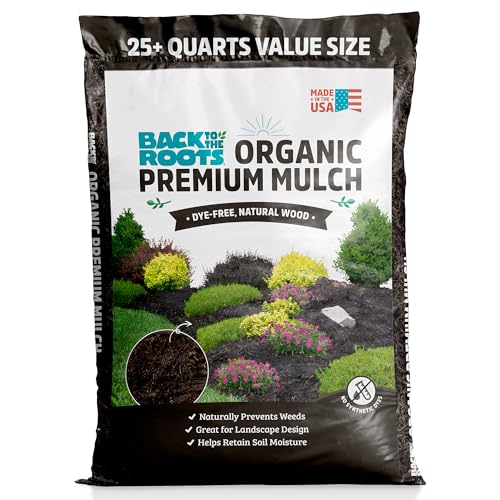
- Spread 2 to 3 inches of organic mulch around the base of the rose bush.
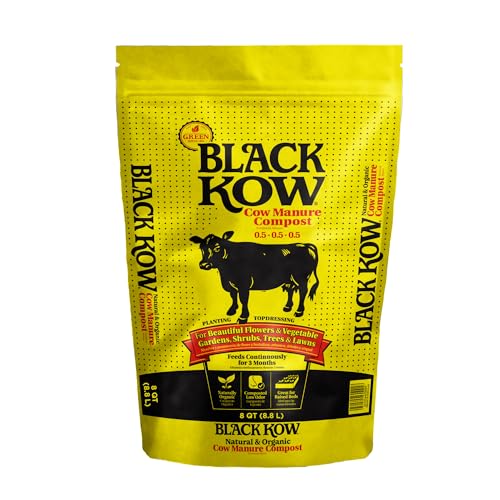
- Add a layer of compost under the mulch once or twice a year.
- Keep mulch a few inches away from the stem to prevent rot.

Credit: www.youtube.com
Frequently Asked Questions
What Is The Best Time To Plant Roses?
The best time to plant roses is in the spring or fall. These seasons offer mild temperatures and ample rainfall. This helps roses establish roots before extreme weather. Ensure the soil is well-drained and rich in organic matter. Proper planting time enhances growth and blooms.
How Do You Prepare Soil For A Rose Garden?
Prepare soil by removing weeds and debris, then loosen it to a depth of 12 inches. Mix in organic compost and well-rotted manure to enrich the soil. Ensure good drainage to prevent root rot. Balanced soil nutrients and proper pH levels are crucial for healthy roses.
How Much Sunlight Do Roses Need?
Roses need at least six to eight hours of sunlight daily. They thrive in full sun, which promotes abundant blooms and healthy growth. Ensure they are planted in a spot that receives ample light. Insufficient sunlight may lead to poor flowering and weak plants.
How Often Should You Water A Rose Garden?
Water roses deeply once or twice a week, depending on weather conditions. Ensure the soil is moist but not waterlogged. Morning watering is ideal to prevent fungal diseases. Mulching helps retain moisture and regulates soil temperature, supporting healthy root development.
Conclusion
Planting a rose garden brings joy and beauty to your space. Choose healthy plants and good soil for best results. Water roses regularly and give them plenty of sunlight. Prune carefully to help roses grow strong and bloom well. Watch your garden daily to catch any problems early.
With patience and care, your roses will thrive. Enjoy the colors and sweet scents in your garden. A rose garden is a lovely way to connect with nature. Start small, keep learning, and your garden will grow.