

Are you ready to grow your own fresh, tasty vegetables right at home? Planting a vegetable garden in raised beds is one of the easiest and most effective ways to get started.
Whether you have limited space, poor soil, or just want a garden that looks neat and organized, raised beds can make a huge difference. In this guide, you’ll discover simple steps to set up your raised beds and start planting with confidence.
By the end, you’ll have everything you need to enjoy a thriving garden that feeds your family and brightens your outdoor space. Keep reading to unlock the secrets to successful raised bed gardening!
Benefits Of Raised Bed Gardening
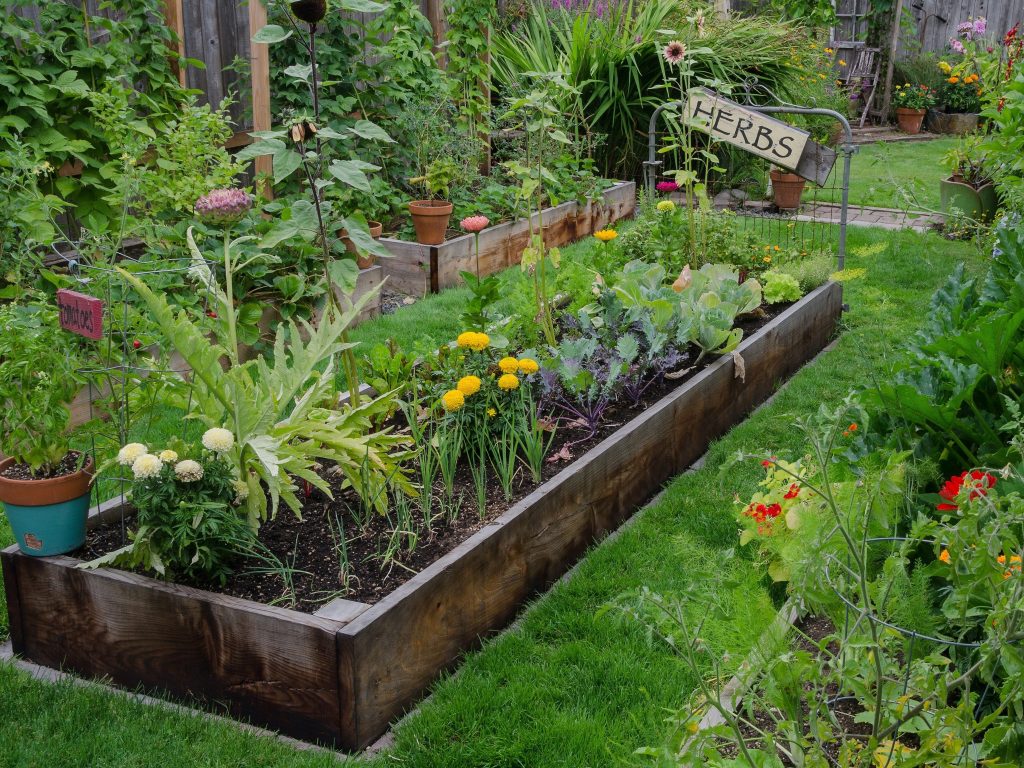
Raised bed gardening offers many advantages for growing vegetables. It helps gardeners control soil and water better. This method can improve plant health and yield.
Using raised beds can make gardening easier and more enjoyable. It allows for better management of garden space and soil conditions.
Improved Soil Quality
Raised beds let you fill the garden with high-quality soil. You can avoid poor native soil and add compost or other nutrients. This creates a healthy environment for plants to grow strong roots.
Better Drainage
Raised beds drain water faster than ground-level gardens. This prevents water from pooling around roots, which can cause rot. Plants get the right amount of moisture without staying too wet.
Easier Weed Control
Weeds grow less in raised beds because you start with clean soil and add mulch. It is easier to spot and remove weeds early. This saves time and reduces competition for nutrients.
- Use quality soil to reduce weed seeds
- Apply mulch to block sunlight from weeds
- Pull weeds as soon as you see them
- Keep pathways clear to avoid weed spread
Extended Growing Season
Raised beds warm up faster in spring and stay warm longer in fall. This lets you plant earlier and harvest later. You can grow more vegetables in one year than in a normal garden.
| Season | Raised Bed | Ground Garden |
| Spring Planting | Early April | Late April |
| Fall Harvest | Late October | Mid October |

Credit: www.youtube.com
Choosing The Right Location
Picking the right spot is important for a raised bed vegetable garden. The location affects plant growth and yield.
Consider sunlight, space, and protection to help your garden thrive.
Sunlight Requirements
Vegetables need plenty of sunlight to grow well. Most vegetables require at least six hours of direct sun daily. Choose a place that is not shaded by buildings or trees.
- Find a spot with full sun exposure.
- Avoid areas with too much shade.
- Observe sunlight patterns during the day.
Accessibility And Space
Make sure you can easily reach your raised beds for planting and harvesting. Leave enough space around beds to move comfortably.
| Factor | Recommendation |
| Path Width | At least 24 inches wide |
| Bed Size | 4 feet wide for easy reach |
| Distance from House | Close enough for watering |
Protection From Wind And Pests
Strong wind can damage plants and dry out soil. Pests can eat your vegetables and harm growth. Choose a spot that reduces these risks.
- Plant near a fence or wall to block wind.
- Use natural barriers like shrubs to protect plants.
- Avoid areas close to wild plants that attract pests.
- Check the location regularly for signs of pests.
Selecting Materials For Raised Beds
Choosing the right materials for your raised beds is important. The materials affect how long your beds last and how safe they are for growing food.
There are several material options to consider. Each has its own benefits and drawbacks depending on your garden needs.
Wood Options
Wood is a popular choice for raised beds. It looks natural and is easy to work with. Cedar and redwood resist rot and last longer outdoors.
Untreated pine is cheaper but may decay faster. Avoid wood treated with harmful chemicals that can leach into the soil.
- Cedar and redwood resist rot naturally
- Untreated pine is affordable but less durable
- Avoid chemically treated wood for safety
Metal And Plastic Alternatives
Metal raised beds use steel or aluminum. They last long and do not rot. Metal can heat up in the sun, so place beds where plants get some shade.
Plastic or composite materials resist rot and insects. They come in many shapes and colors. Look for food-safe plastics to avoid chemicals in your soil.
- Steel and aluminum are strong and long-lasting
- Metal can get hot under direct sunlight
- Plastic resists rot and insect damage
- Choose food-safe plastic materials
Considerations For Durability And Safety
Durability means your raised beds hold up through weather and time. Wood can rot, metal can rust, and plastic can crack in cold.
Safety means no harmful chemicals leach into your soil. Avoid treated wood with arsenic or copper. Pick materials labeled safe for growing food.
- Check if material resists rot, rust, and cracking
- Avoid toxic chemicals in treated wood
- Look for food-safe labels on plastics and metals
- Consider local climate and sun exposure
Preparing The Site
Starting a vegetable garden in raised beds needs a good site. Preparing the ground well helps plants grow healthy.
This guide covers clearing, leveling, weed barriers, and bed positioning. Follow these steps for a strong garden base.
Clearing And Leveling Ground
Clear the area of grass, rocks, and debris. Remove anything that can block plant roots or water flow.
Level the ground so the beds sit flat. Use a rake or shovel to smooth out bumps and holes.
- Remove weeds and grass completely
- Take out large rocks and sticks
- Use a rake to create a flat surface
- Fill low spots with soil and pack it down
Installing Weed Barriers
Place a weed barrier to stop weeds from growing up through the beds. It saves time and protects plants.
Use a breathable fabric or thick cardboard. Avoid plastic because it can trap water and hurt roots.
- Cut the barrier to fit the bed area
- Lay it flat over the cleared ground
- Secure edges with garden staples or rocks
- Make small cuts for drainage if needed
Positioning The Raised Beds
Place raised beds where they get at least six hours of sunlight daily. Sun helps vegetables grow strong.
Keep beds spaced to allow easy walking and gardening. Leave enough room for tools and watering.
- Choose a sunny, flat area
- Align beds north to south for best sun exposure
- Space beds at least 2-3 feet apart
- Ensure easy access for watering and harvesting
Filling Raised Beds
Filling raised beds correctly helps plants grow strong. Good soil and nutrients give vegetables the best start.
This guide explains how to choose soil, add compost and fertilizers, and layer materials for raised beds.
Choosing The Right Soil Mix
Use a light, well-draining soil mix for raised beds. Avoid heavy clay or pure sand. A good mix holds moisture but lets air reach roots.
- 50% topsoil or garden soil
- 30% compost
- 20% peat moss or coconut coir
- Small amount of perlite or vermiculite
Adding Compost And Fertilizers
Compost improves soil with nutrients and helps water retention. Fertilizers add minerals plants need for growth.
| Type | Purpose | How to Use |
| Compost | Enriches soil | Mix into soil before planting |
| Organic Fertilizer | Slow nutrient release | Apply around plants |
| Balanced NPK Fertilizer | Provides nitrogen, phosphorus, potassium | Follow package instructions |
Layering For Optimal Growth
Layering helps keep weeds down and improves drainage. Start with coarse materials at the bottom, then add soil layers on top.
- Bottom: small branches or straw for drainage
- Middle: partially composted leaves or grass clippings
- Top: rich soil mix with compost and fertilizers

Credit: www.youtube.com
Selecting Vegetables To Plant
Choosing the right vegetables is key to a successful raised bed garden. Consider where you live and what grows well in your area.
Also, think about how plants work together and what crops fit the season. This will help your garden thrive.
Choosing Based On Climate
Vegetables grow best in certain temperatures and weather conditions. Know your climate zone before planting.
- Cool climates suit lettuce, peas, and broccoli.
- Warm climates favor tomatoes, peppers, and beans.
- Check frost dates to avoid planting too early or late.
- Use shade or cover crops to protect plants in extreme heat.
Companion Planting Tips
Some vegetables grow better when planted near certain others. Companion planting helps reduce pests and boost growth.
| Vegetable | Good Companions | Bad Companions |
| Tomato | Basil, Carrots | Cabbage, Corn |
| Carrot | Peas, Lettuce | Dill |
| Beans | Corn, Cucumbers | Onions |
Seasonal Crop Suggestions
Plant vegetables that fit the season for best results. Use this list as a guide for raised bed gardens.
- Spring: Spinach, Radishes, Peas
- Summer: Tomatoes, Peppers, Beans
- Fall: Kale, Broccoli, Carrots
- Winter: Garlic, Onions, Lettuce
Planting Techniques
Planting vegetables in raised beds helps your plants grow strong. Using the right techniques improves growth and yield.
Good planting methods include correct spacing, choosing seeds or seedlings, and proper watering after planting.
Spacing And Depth Guidelines
Plants need enough space to grow roots and leaves. Crowded plants compete for water and nutrients.
Plant seeds or seedlings at the right depth. Too deep or too shallow can stop growth.
- Leafy greens: space 6-12 inches apart, plant seeds ¼ to ½ inch deep
- Root vegetables: space 2-4 inches apart, plant seeds ½ to 1 inch deep
- Tomatoes and peppers: space 18-24 inches apart, plant seedlings deep to cover stems
- Beans and peas: space 3-6 inches apart, plant seeds 1-2 inches deep
Starting From Seeds Vs. Seedlings
Seeds are cheaper and give you more plant choices. They need more time and care to sprout.
Seedlings grow faster and are easier to plant. They reduce the risk of poor germination.
- Use seeds for crops like carrots, beans, and lettuce.
- Use seedlings for tomatoes, peppers, and herbs.
- Start seeds indoors for a head start on the season.
- Plant seedlings carefully to avoid root damage.
Watering After Planting
Water plants right after planting to settle soil around roots. This helps plants start strong.
Keep soil moist but not soggy. Overwatering can cause root rot and disease.
- Use a gentle spray or watering can to avoid washing away soil.
- Water early in the morning or late in the evening to reduce evaporation.
- Check soil moisture regularly to adjust watering as plants grow.
Maintaining Your Garden
Keeping your vegetable garden healthy takes regular care. You need to watch your plants daily and give them what they need to grow well.
Good maintenance helps your plants stay strong and produce more vegetables. This includes watering, managing pests, and feeding the soil.
Watering Schedules
Water your raised bed garden early in the morning or late in the evening. This helps reduce water loss from evaporation.
Most vegetables need about one inch of water per week. Check soil moisture by feeling the soil with your fingers.
- Water deeply to reach roots
- Avoid watering leaves to prevent disease
- Adjust watering in hot or dry weather
- Use drip irrigation or soaker hoses for efficiency
Weed And Pest Management
Remove weeds regularly to stop them from stealing nutrients and water. Pull weeds out by hand or use a hoe carefully.
Check plants often for pests like aphids, beetles, or caterpillars. Early spotting helps control them before they spread.
- Use natural pest controls like ladybugs or neem oil
- Keep garden clean to reduce pest hiding spots
- Use row covers to protect plants from insects
- Remove damaged or infected leaves immediately
Fertilizing Throughout The Season
Vegetables need nutrients to grow strong. Add fertilizer every few weeks to keep the soil rich.
Use balanced fertilizers with nitrogen, phosphorus, and potassium. Organic options like compost or fish emulsion also work well.
- Follow instructions on fertilizer labels
- Do not over-fertilize to avoid plant damage
- Apply fertilizer around the base of plants
- Water after fertilizing to help nutrients soak in
Harvesting And Crop Rotation
Growing vegetables in raised beds is a great way to get fresh food. Knowing when and how to harvest helps keep your plants healthy. Crop rotation improves soil and reduces pests for future harvests.
This guide covers signs of readiness, proper harvesting methods, and planning for the next season. These tips help you grow a successful vegetable garden year after year.
Signs Of Readiness
Knowing when your vegetables are ready to pick is key. Each vegetable has different signs to look for. Picking too early or too late can affect taste and nutrition.
- Look for full color and size according to the seed packet
- Check texture; some vegetables get firm or soft when ready
- Notice flower or fruit drop which can mean maturity
- Smell can also show ripeness, like tomatoes and herbs
Proper Harvesting Methods
Harvest your vegetables carefully to avoid damage. Use clean, sharp tools like scissors or knives. Handle produce gently to keep it fresh longer.
- Cut vegetables instead of pulling to protect roots
- Harvest in the morning for best flavor and moisture
- Store harvested crops in cool, shaded places
- Remove any damaged or diseased parts immediately
Planning For Next Season
Crop rotation keeps your soil healthy and prevents pests. Avoid planting the same vegetables in the same spot each year. Plan different plant families for each bed.
- Rotate root crops, leafy greens, and fruiting plants
- Use legumes to add nitrogen to the soil
- Keep a garden journal to track what you plant and where
- Clean raised beds and add compost before new planting
Credit: www.melnor.com
Frequently Asked Questions
What Are The Benefits Of Raised Bed Gardening?
Raised beds offer better soil drainage and control. They warm up faster in spring, extending the growing season. Raised beds reduce soil compaction, making it easier for roots to grow. They also minimize weed growth and pest issues. Additionally, they can be customized to fit any garden space.
How Deep Should A Raised Bed Be?
A raised bed should be at least 12 inches deep. This depth provides enough space for root growth. Deeper beds, around 18 inches, are ideal for plants with longer roots. Ensure the soil is rich and well-draining. Consider adding compost or organic matter for improved soil quality.
What Vegetables Grow Best In Raised Beds?
Leafy greens, tomatoes, and root vegetables thrive in raised beds. Herbs like basil and cilantro also do well. Raised beds provide excellent drainage, ideal for these plants. Rotate crops annually to maintain soil health. Companion planting can enhance growth and deter pests.
How Often Should I Water Raised Beds?
Water raised beds when the top inch of soil is dry. In hot weather, this may be daily. Ensure even watering without waterlogging the soil. Early morning is the best time to water. Mulching helps retain moisture and reduces the need for frequent watering.
Conclusion
Raised bed gardening makes growing vegetables simple and fun. It helps plants grow strong and healthy. You can control the soil and water easily. Start small and add more beds as you learn. Remember to water regularly and remove weeds.
Watch your garden grow day by day. Enjoy fresh vegetables right from your yard. Gardening brings joy and healthy food to your home. Try it today and see the results for yourself.