

Are you ready to grow your own fresh, delicious veggies right at home? Planting a veggie garden is easier than you might think, and it’s a rewarding way to enjoy healthy food straight from your backyard.
Imagine picking ripe tomatoes, crisp lettuce, and sweet carrots whenever you want. In this guide, you’ll discover simple, step-by-step tips to start your veggie garden with confidence. Whether you have a big yard or just a small balcony, you’ll learn how to make the most of your space and time.
Keep reading to unlock the secrets of successful veggie gardening and enjoy the satisfaction of growing your own food!
Choosing The Right Location
Picking the right spot is key for a veggie garden. The location affects plant growth and yield. Consider sunlight, soil, and space before planting.
Good planning helps your garden thrive. Let’s explore important factors to find the best place for your vegetables.
Sunlight Requirements
Most vegetables need at least six hours of direct sunlight daily. Sunlight powers photosynthesis and helps plants grow strong. Choose a spot with full sun exposure, avoiding shade from trees or buildings.
Soil Quality And Drainage
Soil must be fertile and drain well. Poor drainage causes root rot and weak plants. Test soil by digging a hole and filling it with water. If water drains within an hour, drainage is good.
| Soil Quality Factors | Why It Matters |
| Loamy texture | Holds nutrients and water well |
| pH level 6.0-7.0 | Optimal for most veggies |
| Good drainage | Prevents waterlogging |
| Rich in organic matter | Boosts fertility and soil life |
Space Considerations
Space affects how many plants you can grow. Leave enough room for growth and air circulation. Crowded plants risk disease and poor yield.
- Measure the area before planting
- Check seed or plant spacing instructions
- Plan pathways for easy access
- Consider future plant size and spread

Credit: food52.com
Selecting Vegetables
Choosing the right vegetables is key to a successful garden. Pick plants that grow well in your area.
Think about your garden space, climate, and the vegetables you enjoy eating.
Best Veggies For Beginners
Start with easy vegetables that need less care. These plants grow quickly and are forgiving.
Choose vegetables that do well in many types of soil and weather.
- Tomatoes
- Lettuce
- Radishes
- Green beans
- Zucchini
Seasonal Choices
Pick vegetables that grow best in the current season. This helps plants grow strong.
Cool-season crops grow well in spring and fall. Warm-season crops need summer heat.
- Cool-season: spinach, carrots, broccoli
- Warm-season: peppers, cucumbers, corn
Companion Planting
Plant some vegetables together to help each other grow. This is called companion planting.
Good companion plants can keep pests away and improve soil health.
- Tomatoes and basil
- Carrots and onions
- Cucumbers and radishes
- Beans and corn
Preparing The Soil
Good soil helps your vegetable garden grow strong and healthy. Preparing the soil well makes plants get more nutrients and water.
Before planting, spend time testing and improving your soil. This helps your veggies grow better and produce more.
Testing Soil Ph
Soil pH shows how acidic or alkaline the soil is. Most vegetables grow best in soil with pH between 6.0 and 7.0.
You can use a soil test kit to check pH. Follow the instructions on the kit for accurate results.
- If soil is too acidic, add lime to raise pH.
- If soil is too alkaline, add sulfur to lower pH.
- Adjust soil pH before planting for best growth.
Adding Compost And Fertilizers
Compost adds nutrients and improves soil texture. It helps soil hold moisture and air for roots.
Fertilizers give extra nutrients that plants need. Choose fertilizers based on your soil test results.
- Mix compost into the top 6-8 inches of soil.
- Use balanced fertilizers with nitrogen, phosphorus, and potassium.
- Follow package instructions to avoid over-fertilizing.
Tilling And Loosening Soil
Tilling breaks up hard soil and mixes in organic matter. It makes the soil soft and easy for roots to grow.
Loosen soil by turning it with a garden fork or tiller. Avoid compacting soil after tilling.
- Remove weeds and rocks before tilling.
- Do not till wet soil to prevent damage.
- After tilling, rake soil smooth and level.
Planting Seeds And Seedlings
Starting a veggie garden begins with planting seeds and seedlings correctly. Good preparation helps plants grow strong and healthy.
This guide covers tips for starting seeds, how deep and far apart to plant, and how to transplant seedlings safely.
Seed Starting Tips
Use fresh seeds for better growth. Plant seeds in clean containers with good drainage. Keep soil moist but not wet. Place containers in a warm spot with sunlight or use grow lights.
- Use seed-starting mix, not garden soil
- Keep soil temperature between 65°F and 75°F
- Water gently to avoid washing away seeds
- Label your seeds with plant names and dates
Spacing And Depth Guidelines
Plant seeds at the right depth and distance. Too deep or too close can stop seeds from growing well. Follow seed packet instructions for best results.
| Vegetable | Seed Depth | Spacing Between Plants |
| Carrots | ¼ inch | 2-3 inches |
| Tomatoes | ½ inch | 18-24 inches |
| Peppers | ¼ inch | 12-18 inches |
| Lettuce | ⅛ inch | 6-12 inches |
| Beans | 1 inch | 3-6 inches |
Transplanting Seedlings
Move seedlings outdoors after they grow strong leaves. Hardening off helps them adjust. Do this by placing seedlings outside for a few hours each day for a week.
- Water seedlings before transplanting
- Dig holes big enough for roots
- Handle seedlings by leaves, not stems
- Plant at the same depth as before
- Water well after planting
Watering And Maintenance
Taking care of a veggie garden means watering and maintaining it well. Proper care helps plants grow strong and healthy.
Good watering and maintenance keep pests away and improve your garden’s harvest. Let’s explore how to do it right.
Watering Techniques
Water your garden early in the morning or late in the evening. This reduces water loss from evaporation.
Use a watering can or drip irrigation to give water directly to the roots. Avoid wetting the leaves to prevent disease.
- Water deeply but less often
- Check soil moisture before watering
- Use soaker hoses or drip lines
- Avoid watering in the heat of the day
Mulching Benefits
Mulch is a layer of material spread on the soil surface. It helps keep the soil moist and cool.
Mulching also stops weeds from growing and adds nutrients to the soil as it breaks down.
- Retains soil moisture
- Reduces weed growth
- Keeps soil temperature steady
- Improves soil health over time
Weed Control
Weeds compete with your vegetables for water and nutrients. Remove them often to keep your plants healthy.
Hand-pulling weeds is best. Use a hoe or garden fork to loosen the soil and take out roots.
- Pull weeds when soil is moist
- Remove entire root to stop regrowth
- Use mulch to reduce weed seeds
- Check your garden regularly for new weeds
Credit: www.melnor.com
Pest And Disease Management
Pests and diseases can harm your vegetable garden. Managing them helps plants grow healthy.
Using safe and natural ways protects your plants and the environment.
Common Garden Pests
Many insects and animals eat or damage vegetable plants. Some common pests include aphids, caterpillars, and slugs.
- Aphids suck plant juices and spread diseases.
- Caterpillars chew leaves and fruits.
- Slugs eat holes in leaves and stems.
- Whiteflies cause yellowing and weaken plants.
- Spider mites create webs and damage leaves.
Natural Pest Control Methods
Natural pest control uses safe ways to keep pests away. It avoids harmful chemicals.
- Encourage birds and insects that eat pests.
- Use neem oil or insecticidal soap on plants.
- Plant herbs like basil or marigold to repel bugs.
- Remove pests by hand when you see them.
- Keep the garden clean and remove dead leaves.
Preventing Plant Diseases
Diseases can spread quickly in a garden. Prevention keeps plants strong and healthy.
- Choose disease-resistant vegetable varieties.
- Water plants at the base to avoid wet leaves.
- Space plants to allow air flow around them.
- Remove and destroy infected plants immediately.
- Rotate crops to prevent soil diseases.
Harvesting And Storage
Harvesting your vegetables at the right time keeps them fresh and tasty. Proper storage helps them last longer. These steps let you enjoy your garden’s produce well after picking.
Knowing when to pick, how to pick, and how to store your vegetables makes a big difference. Follow simple guidelines to get the best results from your veggie garden.
When To Harvest
Harvest vegetables when they reach full size but before they get old or tough. Each vegetable has its best time to pick for taste and nutrition.
Check your plants often. Pick veggies early in the morning for the best flavor and freshness.
- Leafy greens: Harvest when leaves are young and tender
- Tomatoes: Pick when fully colored and slightly soft
- Beans: Pick when pods are firm but before seeds bulge
- Carrots: Pull when roots are big enough to eat
- Peppers: Harvest when they reach full color and size
Proper Picking Techniques
Use gentle hands to avoid bruising or cutting your vegetables. Proper picking keeps plants healthy and helps them keep producing.
Use scissors or garden shears for delicate stems. Twist or cut carefully to avoid damage.
- Hold the vegetable firmly but gently
- Cut or twist without pulling hard on the plant
- Use clean tools to prevent disease spread
- Pick only ripe vegetables, leaving others to grow
Storing Your Vegetables
Store vegetables properly to keep them fresh and tasty for days or weeks. Different veggies need different storage conditions.
Keep most vegetables in a cool, dark place or in the fridge. Avoid washing before storage unless needed.
| Vegetable | Storage Method | Duration |
|---|---|---|
| Leafy Greens | Wrap in damp paper towel, refrigerate | 3-5 days |
| Tomatoes | Store at room temperature, away from sun | Up to 1 week |
| Beans | Refrigerate in breathable bag | 5-7 days |
| Carrots | Refrigerate in plastic bag or container | 2-3 weeks |
| Peppers | Refrigerate in vegetable drawer | 1-2 weeks |

Credit: medium.com
Tips For Year-round Gardening
Growing vegetables all year long lets you enjoy fresh food every season. You need to plan and use smart techniques to keep your garden productive.
These tips help you grow vegetables even in cold months or limited space. Try these ideas to keep your veggie garden thriving all year.
Extending The Growing Season
Start planting early in spring or keep growing late into fall. Use tools that protect plants from cold and frost.
Cover your plants with row covers, cloches, or cold frames. These create a warmer microclimate for your vegetables.
- Use plastic or fabric row covers to trap heat
- Build cold frames with clear lids to protect from frost
- Plant cold-hardy vegetables like kale or spinach
- Mulch around plants to keep soil warm
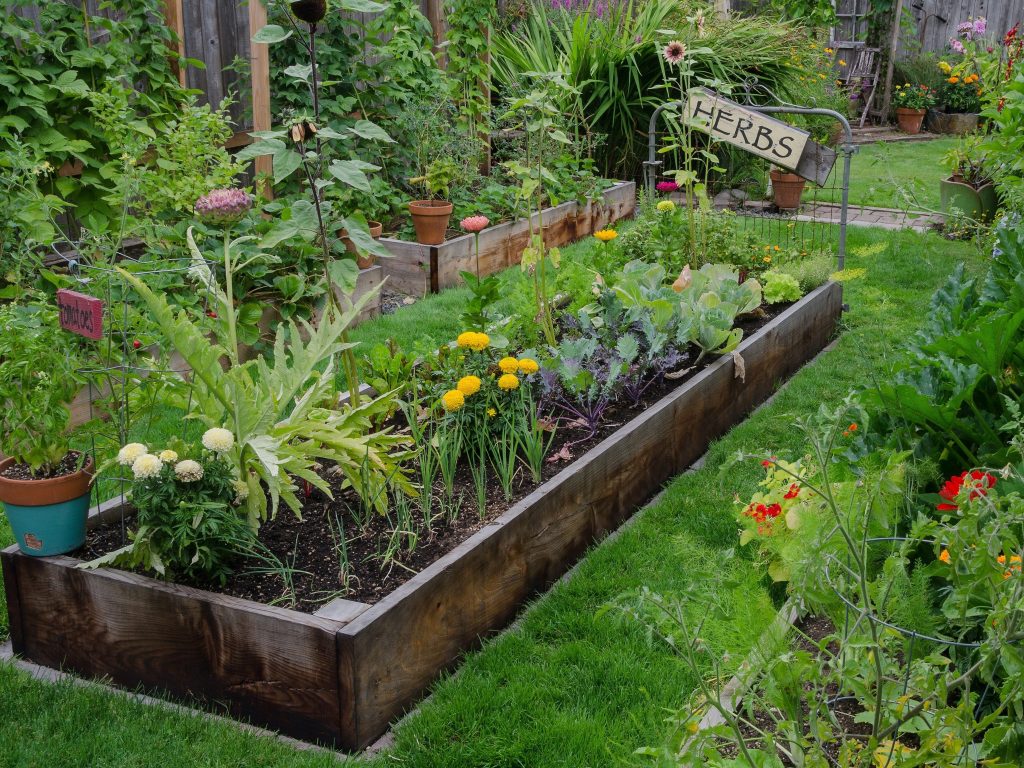
Using Raised Beds And Containers
Raised beds and containers warm up faster in spring. They also drain well, reducing root problems.
You can move containers to sunny spots or indoors if needed. Raised beds allow better soil control and easier maintenance.
- Fill raised beds with quality soil and compost
- Choose containers with drainage holes
- Place containers where they get at least 6 hours of sun
- Water more often as containers dry faster
Indoor Gardening Options
You can grow herbs and small veggies inside your home. Use windowsills or shelves with good light.
Grow plants in pots with potting mix. Use grow lights if natural light is weak or short.
- Choose herbs like basil, parsley, or chives
- Use LED grow lights for 12-16 hours daily
- Keep indoor plants away from cold drafts
- Water carefully to avoid overwatering
Frequently Asked Questions
How To Start A Veggie Garden?
Begin by selecting a sunny spot with good soil. Clear the area of weeds and debris. Choose vegetables suited to your climate. Prepare the soil with compost and organic matter. Plant seeds or seedlings following spacing guidelines. Water regularly and monitor for pests.
Enjoy your fresh produce.
What Vegetables Are Best For Beginners?
Easy-to-grow vegetables for beginners include tomatoes, lettuce, radishes, and carrots. They require minimal maintenance and thrive in various conditions. These vegetables are resilient and can provide a rewarding harvest with proper care. Starting with these options can build confidence for future gardening endeavors.
How Often Should I Water My Veggie Garden?
Water your veggie garden about 1 inch per week, depending on rainfall. Consistent moisture is crucial for healthy growth. Morning watering is ideal to reduce evaporation. Adjust frequency based on climate and soil conditions. Check soil moisture by sticking a finger into the soil to ensure it remains adequately moist.
What Are Common Veggie Garden Pests?
Common pests include aphids, caterpillars, and slugs. These pests can damage leaves and stunt plant growth. Use natural pest control methods like neem oil or introducing beneficial insects. Regularly inspect your plants for signs of infestation. Early intervention can prevent significant damage and ensure a healthy garden.
Conclusion
Planting a veggie garden brings fresh food right to your home. Start small and choose easy vegetables to grow. Water your plants regularly and give them enough sunlight. Watch your garden daily for pests or problems. Enjoy the process of caring for your plants.
Harvest veggies when they are ripe and tasty. Gardening helps you eat healthy and saves money. It also gives you time outdoors and reduces stress. Growing your own food feels rewarding and fun. Keep learning and trying new plants each season.
Your garden will grow better with practice and care.