

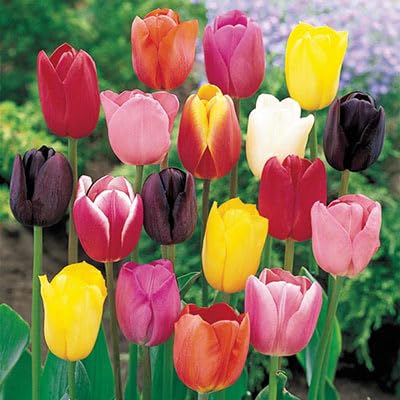

Are you ready to transform your outdoor space into a vibrant, thriving garden? Knowing how to plant in your garden is the first step to creating a beautiful, green oasis you can enjoy every day.
Whether you’re a beginner or want to improve your gardening skills, this guide will give you simple, clear steps to help your plants grow strong and healthy. Imagine the joy of watching your garden bloom, the fresh scents filling the air, and the satisfaction of nurturing life with your own hands.
Keep reading, and you’ll discover easy tips that make planting in your garden both fun and successful.
Credit: stacyling.com
Choosing The Right Plants
Choosing the right plants helps your garden grow healthy and strong. You must think about where you live and the soil in your garden.
This guide will help you pick plants that fit your climate and soil type well.
Assessing Your Climate Zone
Climate zones show the temperature and weather in your area. Plants grow best in specific zones. Knowing your zone helps you select plants that survive cold or heat.
- Find your zone using a map or online tool.
- Choose plants labeled for your zone.
- Avoid plants that need colder or warmer climates.
Selecting Native Species
Native plants grow naturally in your area. They need less water and care. These plants support local wildlife and keep your garden balanced.
- Native plants resist local pests better.
- They use fewer fertilizers and pesticides.
- Native flowers attract local bees and butterflies.
Considering Soil Type
Soil types affect how plants get nutrients and water. Common types include sandy, clay, and loamy soils. Each holds water and drains differently.
| Soil Type | Water Retention | Best Plants |
| Sandy | Low | Succulents, Lavender |
| Clay | High | Willows, Daylilies |
| Loamy | Medium | Tomatoes, Roses |

Credit: www.theolympian.com
Preparing The Garden Bed
Preparing the garden bed is important for healthy plants. It helps the soil support growth and keeps plants strong.
Good preparation makes planting easier and improves your garden’s success. Start with clearing, soil work, and drainage.
Clearing Weeds And Debris
Remove all weeds from the garden bed. Weeds compete with your plants for water and nutrients.
Clear away sticks, rocks, and old leaves. These can block plant roots and reduce soil quality.
- Pull weeds by hand or use a hoe
- Rake the area to collect debris
- Dispose of weeds and debris properly
Improving Soil Quality
Good soil helps plants grow strong roots. Add organic matter to improve soil health.
Mix compost or aged manure into the soil. This adds nutrients and helps soil hold water.
- Test soil pH if possible
- Add lime if soil is too acidic
- Add sulfur if soil is too alkaline
- Turn the soil to mix amendments well
Setting Up Proper Drainage
Good drainage prevents water from pooling around plants. Too much water can harm roots.
Check the garden bed slope. Make sure water flows away from plants.
- Raise garden beds if soil drains poorly
- Use mulch to help soil retain moisture but drain well
- Add sand or perlite to heavy clay soils
- Test drainage by digging a small hole and filling it with water
Planting Techniques
Planting in your garden needs good techniques. These help plants grow strong and healthy.
Using the right methods for spacing, depth, and watering makes a big difference.
Correct Plant Spacing
Give each plant enough space to grow. Crowding plants can stop air flow and cause disease.
Check seed packets or plant tags for spacing rules. Different plants need different amounts of room.
- Small plants need 6 to 12 inches apart
- Larger plants need 18 to 36 inches apart
- Leafy vegetables need closer spacing than fruiting plants
Depth And Positioning
Plant seeds and seedlings at the right depth. Too deep or too shallow can harm growth.
Place seedlings so their roots are fully covered but crowns stay above soil. This helps them get air and water.
- Small seeds: plant just below soil surface
- Large seeds: plant deeper, about twice their size
- Seedlings: plant at same depth as they were in pots
Watering After Planting
Water plants right after planting. This helps roots settle and start growing well.
Use gentle watering to avoid washing away soil. Keep soil moist but not soggy in the first days.
- Water slowly and evenly around plants
- Check soil moisture daily
- Avoid leaving water standing near plants
Caring For New Plants
New plants need attention to grow strong and healthy. Proper care helps them settle in the garden soil. This guide covers watering, mulching, and feeding tips.
Each step supports your plants differently. Follow these simple actions to help your garden thrive.
Watering Schedules
Water new plants regularly to keep the soil moist. Avoid overwatering, which can drown roots. Early morning is the best time to water.
- Check soil moisture daily for the first two weeks.
- Water deeply to encourage root growth.
- Reduce watering as plants mature.
Mulching Benefits
Mulch keeps soil temperature steady and retains moisture. It also stops weeds from growing near your plants.
| Benefit | Explanation |
| Moisture Retention | Slows water evaporation from soil |
| Temperature Control | Keeps roots cool in summer |
| Weed Prevention | Blocks sunlight to weed seeds |
| Soil Improvement | Adds nutrients as mulch breaks down |
Fertilizing Tips
Feed your new plants with fertilizer to give them energy. Use a balanced type with equal parts nitrogen, phosphorus, and potassium.
Follow this simple schedule for fertilizing new plants:
- Apply fertilizer two weeks after planting.
- Repeat every four weeks during the growing season.
- Water plants after fertilizing to help nutrients soak in.
Protecting Your Garden
Keeping your garden safe helps plants grow strong and healthy. Protecting your garden means stopping pests and diseases early.
Using natural methods and avoiding mistakes also keeps your garden safe. This guide shows easy ways to protect your plants.
Pest And Disease Control
Pests and diseases can harm plants quickly. Check your garden often for bugs or spots on leaves. Remove damaged parts to stop spread.
- Use traps or barriers to keep pests away
- Water plants early in the day to reduce fungus
- Keep garden clean and remove weeds
- Choose disease-resistant plant varieties
Using Natural Remedies
Natural remedies protect plants without harsh chemicals. They are safe for people and pets. Use these simple solutions to fight garden problems.
| Remedy | Use |
| Neem oil | Stops many insects and fungi |
| Garlic spray | Repels bugs and mites |
| Soap water | Kills soft-bodied insects like aphids |
| Companion planting | Plants that keep pests away naturally |
Avoiding Common Mistakes
Gardening mistakes can cause plant stress and invite pests. Avoid these errors to keep your garden healthy.
- Do not overwater; too much moisture causes root rot
- Avoid planting too close; give plants space to grow
- Do not ignore signs of pest damage
- Use clean tools to prevent disease spread
- Rotate crops each season to reduce soil pests

Credit: reddirtramblings.com
Maintaining Growth Throughout Seasons
Gardening is a year-round activity. Plants need care in every season to stay healthy and strong. Knowing how to adjust your methods helps your garden thrive.
This guide covers important steps to keep your garden growing well through changing weather and seasons.
Seasonal Pruning
Pruning helps plants grow better by removing dead or extra branches. It also shapes plants for stronger growth. Different seasons need different pruning techniques.
- Spring: Cut back winter damage and shape young growth.
- Summer: Light pruning to remove dead flowers and branches.
- Fall: Remove weak branches before winter sets in.
- Winter: Prune dormant plants carefully to prepare for spring.
Adjusting Care In Different Weather
Weather changes affect watering, feeding, and protecting plants. Adjust your care to match temperature and moisture levels.
| Weather Condition | Care Tips |
| Hot and Dry | Water early morning; mulch soil to keep moisture. |
| Cold and Frosty | Cover plants; reduce watering to avoid root rot. |
| Rainy and Humid | Improve drainage; check for mold and pests. |
| Windy | Support tall plants; protect young seedlings. |
Preparing For Dormancy
Many plants slow down or rest in cold months. Preparing them well ensures they grow back strong in spring.
Tips to prepare plants for dormancy:
- Clear fallen leaves and debris to prevent disease.
- Apply mulch to protect roots from freezing.
- Prune dead or weak growth before cold weather.
- Reduce watering as plant activity slows.
Frequently Asked Questions
What Is The Best Soil For Planting In A Garden?
The best soil for garden planting is loamy soil. It drains well and holds nutrients. Loamy soil supports healthy root growth and retains moisture efficiently, making it ideal for most plants.
How Do I Prepare My Garden For Planting?
Clear debris, loosen the soil, and add compost. This improves soil fertility and texture. Proper preparation ensures better plant growth and higher yields.
When Is The Best Time To Plant In A Garden?
The best planting time depends on your climate and plant type. Generally, early spring or fall are ideal for most plants. Check local frost dates for precise timing.
How Often Should I Water Newly Planted Garden Seeds?
Water seeds gently daily or as needed to keep soil moist. Avoid overwatering, which can cause root rot. Consistent moisture helps seeds germinate and grow strong.
Conclusion
Planting in your garden can be simple and fun. Just follow these steps. Choose the right plants for your climate. Prepare your soil well. Water regularly to keep plants healthy. Watch them grow with care. Gardening brings joy and beauty to your home.
It also connects you to nature. Remember to be patient. Plants take time to grow. Enjoy the process. Every garden is unique, just like you. Happy gardening!