

Are you ready to transform your outdoor space into a thriving garden? Planting a raised garden is one of the easiest and most rewarding ways to grow your own fresh vegetables, herbs, and flowers.
Imagine stepping outside to pick ripe tomatoes or fragrant basil, all from your own raised garden bed. In this guide, you’ll discover simple, step-by-step tips to help you build and plant your raised garden with confidence. Whether you’re a beginner or looking to improve your gardening skills, you’ll find everything you need to get started and enjoy a bountiful harvest.
Let’s dive in and make your garden dreams come true!
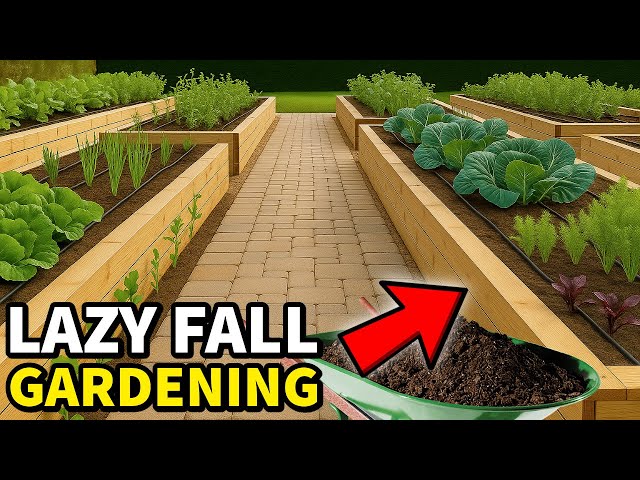
Credit: www.youtube.com
Choosing The Right Location
Picking the right spot for your raised garden bed is key for healthy plants. The location affects sunlight, soil, and how easy it is to work in your garden.
Think about the needs of your plants and your daily routine. This helps you pick the best place for your raised bed.
Sunlight Requirements
Most vegetables need at least six hours of sunlight each day. Some plants like leafy greens can grow well in less light. Check your garden area for sunlight during different times of the day.
- Choose a spot with full sun for most crops.
- Avoid shaded areas near tall trees or buildings.
- Watch how sunlight moves across your garden space.
Soil And Drainage Considerations
Good soil and proper drainage help plants grow strong. Raised beds must not sit in water or hard, compacted soil.
| Soil Condition | Effect on Plants |
| Well-drained | Roots get oxygen and stay healthy |
| Poor drainage | Roots can rot, plants weaken |
| Rich, loose soil | Easy root growth and water retention |
Accessibility And Space
Make sure you can reach your garden easily for watering and harvesting. Leave space to move around your raised bed comfortably.
- Place the bed near a water source.
- Keep paths wide enough for tools and wheelbarrows.
- Allow room for plant growth and maintenance.
Selecting Materials For Raised Beds
Choosing the right materials for raised garden beds helps ensure durability and plant health. You want materials that resist rot and fit your garden style.
This guide covers common wood types, size choices, and tools needed for building raised beds.
Wood Types And Alternatives
Many gardeners use wood because it is easy to handle and looks natural. Cedar and redwood resist decay well. Pine is cheaper but less durable unless treated.
- Cedar: Lasts long, naturally rot-resistant
- Redwood: Strong and beautiful, but expensive
- Pine: Affordable, treat to prevent rot
- Composite: Made from wood fibers and plastic, very durable
- Recycled plastic: Long-lasting and weatherproof
Size And Shape Options
| Dimension | Purpose | Notes |
|---|---|---|
| 4 feet by 8 feet | Common size for easy reach | Fits most gardens and tools |
| 3 feet by 6 feet | Good for small spaces | Easier to build and move |
| Square (4×4 feet) | Allows planting in grid patterns | Simple shape for beginners |
| Custom shapes | Fits unusual spaces | Requires more planning |
Height is usually 12 to 18 inches for good soil depth. Make sure the bed is narrow enough to reach inside comfortably.
Tools Needed
Gathering the right tools helps your project go smoothly. Here are the basic tools you will need:
- Measuring tape for accurate cuts
- Handsaw or circular saw to cut wood
- Drill with screwdriver bits
- Hammer and nails or screws
- Level to keep bed even
- Shovel for moving soil
Building The Raised Garden Bed
Building a raised garden bed is a great way to grow plants in a controlled space. It keeps soil quality high and makes gardening easier.
This guide will help you build a strong and healthy bed for your garden plants.
Preparing The Site
Choose a flat area with good sunlight for your raised bed. Clear the ground of grass, weeds, and debris.
Make sure the site has good drainage to avoid water pooling around the bed.
- Pick a sunny spot
- Remove grass and weeds
- Check for level ground
- Ensure good drainage
Assembling The Frame
Use sturdy wood like cedar or redwood for the frame. Cut the wood to the size you want your garden bed to be.
Join the pieces with screws or nails to make a strong rectangle or square frame.
- Choose rot-resistant wood
- Cut wood to desired size
- Fasten corners with screws
- Check frame for stability
Adding Soil And Compost
Fill the frame with a mix of garden soil and compost. This mix provides nutrients and good drainage for plants.
Level the soil surface and water it lightly before planting your seeds or seedlings.
- Use garden soil mixed with compost
- Fill the bed evenly
- Level the soil surface
- Water soil before planting

Credit: www.sacbee.com
Choosing Plants For Your Garden
Picking the right plants is key to a healthy raised garden. Choose plants that fit your space, climate, and needs.
Think about what you like to eat and what grows well in your area. This helps your garden thrive and saves time.
Vegetables And Herbs
Raised gardens are great for vegetables and herbs. They grow well in good soil and get enough sun.
Choose plants that grow well together and have similar water needs. Some easy choices are lettuce, tomatoes, and basil.
- Leafy greens: spinach, lettuce, kale
- Root vegetables: carrots, radishes, beets
- Herbs: basil, parsley, thyme, mint
- Fruits: tomatoes, peppers, cucumbers
Companion Planting Tips
Some plants grow better together. Companion planting helps keep pests away and improves growth.
Pair plants that support each other. For example, carrots grow well near onions but not near dill.
- Tomatoes and basil help each other grow.
- Carrots and onions repel pests.
- Beans add nitrogen to the soil for corn.
- Marigolds protect many vegetables from bugs.
Seasonal Planting Guide
Planting at the right season helps your garden succeed. Know your local frost dates and weather.
Cool-season crops grow well in spring and fall. Warm-season crops need summer heat to grow well.
| Season | Good Plants |
|---|---|
| Spring | Lettuce, spinach, peas, radishes |
| Summer | Tomatoes, peppers, beans, basil |
| Fall | Kale, carrots, broccoli, parsley |
Planting Techniques
Planting in a raised garden requires special care for healthy growth. Good planting techniques help plants grow strong.
Understanding seed starting, spacing, and watering keeps your garden thriving. These steps make planting easier and more effective.
Seed Starting Vs Transplants
Starting seeds directly in your raised bed saves time but takes patience. Transplants give plants a head start.
- Seed starting lets you grow many plants cheaply.
- Transplants grow faster and resist pests better.
- Use seed starting for easy plants like carrots and beans.
- Choose transplants for tomatoes, peppers, and eggplants.
Spacing And Depth
Proper spacing and planting depth help plants get enough air and nutrients. Crowded plants grow poorly.
| Plant Type | Spacing (inches) | Planting Depth (inches) |
| Leafy Greens | 6-8 | 0.25-0.5 |
| Root Vegetables | 3-4 | 1-2 |
| Tomatoes | 18-24 | 1-2 |
| Peppers | 12-18 | 0.5-1 |
Watering After Planting
Water plants gently after planting. Keep the soil moist but not soaked. Proper watering helps roots grow.
- Use a watering can with a fine rose or a gentle spray nozzle.
- Water in the early morning or late evening to reduce evaporation.
- Check soil moisture daily for the first two weeks.
- Adjust watering if rain occurs or soil feels dry.
Maintaining Your Raised Garden
Keeping your raised garden healthy takes regular care. You must water, control pests, and feed the plants well. These steps help your garden grow strong and produce more.
Each part of maintenance is important. Let’s look at how to water, remove weeds and pests, and add fertilizers properly.
Watering Strategies
Water your raised garden deeply but not too often. This helps roots grow down and keep plants healthy. Early morning is the best time to water. Avoid wetting leaves to stop diseases.
- Check soil moisture before watering
- Use drip irrigation or soaker hoses for even watering
- Water slowly to let soil absorb moisture
- Mulch to keep soil moist longer
- Water less in rainy weather
Weeding And Pest Control
Weeds steal nutrients and water from your plants. Pull weeds by hand or use a hoe to keep them out. Check plants often for pests like aphids or caterpillars. Use natural methods like insecticidal soap or neem oil to control pests.
| Common Pest | Control Method |
| Aphids | Spray insecticidal soap |
| Caterpillars | Handpick and remove |
| Slugs | Use beer traps or copper tape |
| Spider Mites | Spray water to remove |
Fertilizing Tips
Feed your raised garden with fertilizer to give plants nutrients. Use organic compost or balanced slow-release fertilizer. Apply fertilizer according to the plant needs and soil test results.
- Apply compost in spring and fall
- Use liquid fertilizer for quick nutrient boost
- Follow package instructions for amounts
- Water after fertilizing to help absorption
- Avoid over-fertilizing to prevent plant damage
Harvesting For Maximum Yield
Harvesting your raised garden at the right time helps you get the best results. Picking crops too early or too late can reduce yield and quality.
Knowing when and how to harvest keeps your plants healthy. It also lets you enjoy fresh produce longer.
Signs Of Readiness
Look for clear signs that your vegetables or fruits are ready to pick. These signs depend on the type of plant you grow.
- Color changes: Fruits and vegetables often change color when ripe.
- Size: Check if the produce has reached its mature size.
- Firmness: Some crops should be firm, others slightly soft when ready.
- Days to maturity: Use seed packet info as a guide for harvest time.
- Leaves and stems: Wilting or yellowing leaves can signal readiness.
Proper Harvesting Methods
Use sharp tools to avoid damaging plants. Cut or twist fruits and vegetables gently from the stem.
Harvest in the morning when it is cooler. This helps keep the produce fresh longer.
- Use clean scissors or garden shears for cutting.
- Handle produce carefully to avoid bruising.
- Pick regularly to encourage more growth.
- Do not pull plants out by the roots unless harvesting the whole plant.
Storing And Using Produce
Store your harvest properly to keep it fresh and tasty. Different crops need different storage conditions.
Use or preserve your produce soon after harvesting to enjoy its best flavor and nutrition.
- Keep leafy greens in cool, moist conditions.
- Store root vegetables in a dark, cool place.
- Use airtight containers for cut fruits and vegetables.
- Freeze or can surplus produce to prevent waste.
- Wash produce only before use to avoid spoilage.
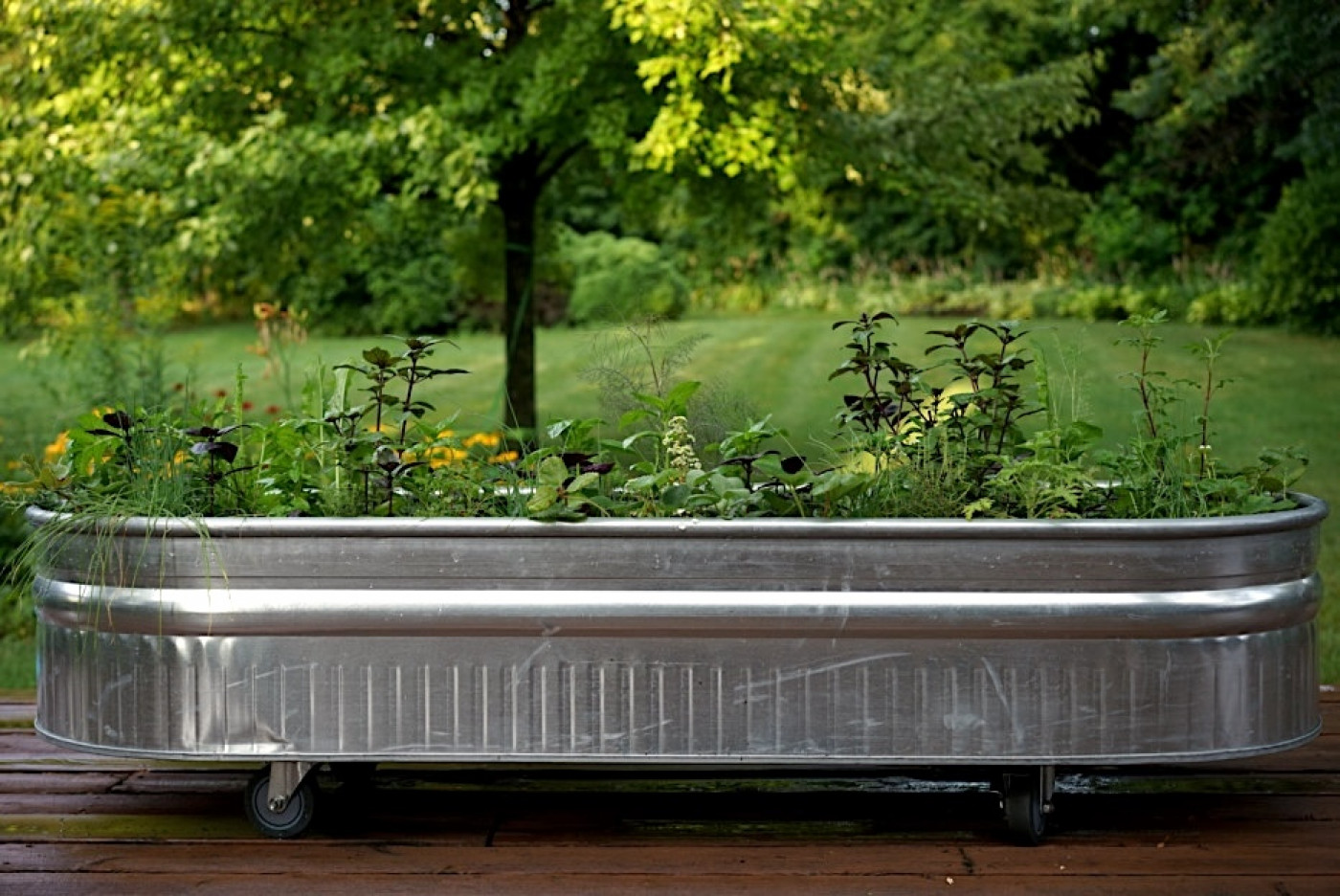
Credit: www.gardenary.com
Troubleshooting Common Issues
Planting a raised garden can be fun and rewarding. Sometimes, problems arise that need fixing. Knowing how to handle these issues helps your garden grow strong.
This guide covers common problems like pests, diseases, and soil nutrient shortages. Each section gives simple tips to keep your garden healthy.
Dealing With Pests
Pests like insects and animals can harm your plants. Watch your garden daily for bugs or bite marks on leaves. Early spotting helps control them fast.
Use natural ways to reduce pests. Hand-pick bugs, spray water, or add plants that repel insects. Avoid harsh chemicals that can hurt plants and soil.
- Remove pests by hand if you see them
- Use neem oil or insecticidal soap safely
- Plant marigolds or basil nearby to repel bugs
- Keep your garden clean and free of dead leaves
Managing Plant Diseases
Diseases can cause spots, wilting, or mold on plants. Remove any sick leaves or plants quickly to stop disease spread. Good air flow helps prevent problems.
Water your plants at the base, not on leaves. This keeps leaves dry and lowers disease risk. Rotate crops yearly to avoid disease build-up in soil.
- Trim and discard diseased plant parts
- Water in the morning to dry leaves quickly
- Use well-draining soil to avoid root rot
- Change planting spots each season
Soil Nutrient Deficiencies
Plants need nutrients like nitrogen, phosphorus, and potassium to grow well. Yellow leaves or slow growth can mean your soil lacks nutrients. Test your soil to find what it needs.
Add compost or organic fertilizer to improve soil health. Avoid using too much fertilizer, which can harm plants. Feeding plants regularly helps them stay strong.
- Look for yellowing or pale leaves as a sign
- Use compost to add natural nutrients
- Apply balanced fertilizer following package instructions
- Test soil every season for best results
Frequently Asked Questions
What Is A Raised Garden Bed?
A raised garden bed is an elevated area for planting. It helps in improving drainage and soil quality. Raised beds are easier to access and manage. They also reduce weed growth and can be more aesthetically pleasing.
How Deep Should A Raised Garden Bed Be?
A raised garden bed should be at least 6-12 inches deep. This depth allows roots to grow properly. It also provides good drainage. For deeper-rooted plants, consider a 12-24 inches depth.
What Materials Are Best For Building Raised Beds?
Cedar and redwood are excellent choices for raised beds. They are rot-resistant and durable. Untreated wood is safe for edible plants. Recycled plastic and metal are also popular options.
How Do I Fill A Raised Garden Bed?
Start with a layer of coarse material for drainage. Add a mix of topsoil, compost, and organic matter. This blend provides essential nutrients. Ensure the soil is loose and well-aerated for healthy plant growth.
Conclusion
Planting a raised garden bed is simple and rewarding. Choose a sunny spot and prepare good soil. Plant seeds or young plants with care. Water regularly, but don’t overwater. Watch your garden grow day by day. Enjoy fresh vegetables and flowers from your own space.
Raised gardens save space and make gardening easier. Start small, learn as you go, and have fun outdoors. Gardening brings peace and fresh air to your home. Your raised garden will flourish with patience and care.