


Spring is just around the corner, and your garden beds are waiting for your care. Preparing them now can make a huge difference in how your plants grow and flourish.
Imagine vibrant flowers and healthy veggies thriving in your garden all season long. You’ll discover simple, effective steps to get your garden beds ready for spring. By following these easy tips, you’ll save time, avoid common mistakes, and give your plants the best start possible.
Ready to transform your garden and enjoy a beautiful spring harvest? Let’s dive in!
Assessing Your Garden Space
Preparing garden beds for spring starts with checking your garden space. This helps you plan what to do next.
Look at the area carefully. Notice what plants grew last year and how much sun the space gets.
Clearing Debris And Weeds
Remove old leaves, sticks, and dead plants from the garden beds. This makes room for new growth.
Pull out all weeds by their roots. Weeds take nutrients and water from your plants.
- Use gloves to protect your hands
- Collect debris in a compost bin or trash bag
- Check corners and edges for hidden weeds
Evaluating Soil Condition
Check if the soil is loose and crumbly. Hard soil needs to be broken up before planting.
Test the soil for moisture. It should be damp but not soggy or dry.
- Look for signs of pests or diseases in the soil
- Consider adding compost to improve soil quality
- Test soil pH if possible to match plant needs

Credit: www.thedreamscapes.com
Testing And Improving Soil
Good soil helps plants grow strong in your garden. Testing soil shows what it needs to stay healthy.
Improving soil before spring makes your garden ready for new plants. You can add things to make soil better.
Soil Ph Testing
Soil pH tells if soil is acidic, neutral, or alkaline. Most plants like soil that is slightly acidic to neutral.
Use a soil test kit or send a sample to a lab to check pH. Knowing pH helps you choose the right plants and treatments.
- pH below 6 means acidic soil
- pH 6 to 7 is ideal for most plants
- pH above 7 means alkaline soil
Adding Organic Matter
Organic matter improves soil texture and holds moisture. It also feeds helpful soil organisms.
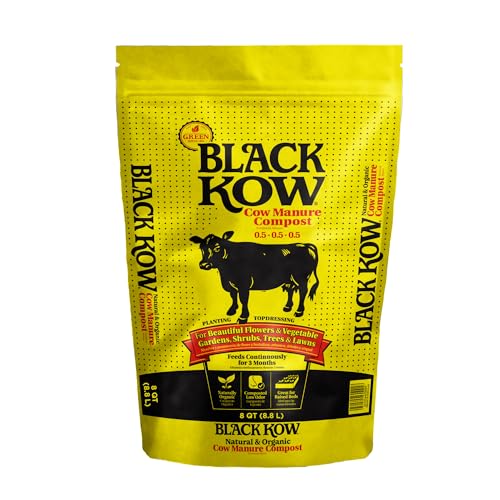
Add compost, leaf mold, or well-rotted manure to your garden beds. Mix it well into the soil to improve growth.
- Compost adds nutrients and improves soil structure
- Leaf mold helps soil hold water
- Manure adds nitrogen and other nutrients
Choosing Fertilizers
Fertilizers add nutrients plants need to grow. Choose fertilizer based on what your soil lacks from testing.
Look for balanced fertilizers or ones with extra nitrogen for leafy plants, or phosphorus for flowers and roots.
- Nitrogen helps leaves grow green and strong
- Phosphorus supports flowers and root growth
- Potassium improves overall plant health
Planning Your Garden Layout
Preparing your garden beds for spring starts with a good plan. Think about the space you have and how you want it to look.
Planning helps you use your garden space well and grow healthy plants. It also makes gardening easier and more fun.
Selecting Plants For Spring
Choose plants that grow well in spring. Pick flowers and vegetables that like cool weather and can handle frost.
Think about how tall and wide plants will grow. Mix tall and short plants to make your garden look nice and full.
- Leafy greens like lettuce and spinach
- Root vegetables like carrots and radishes
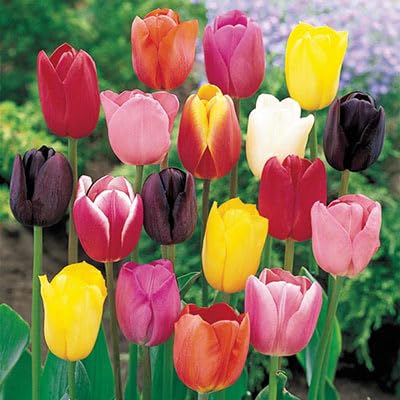
- Spring flowers like tulips and daffodils
- Herbs like parsley and chives
Arranging Beds For Sunlight
Most plants need at least 6 hours of sunlight each day. Place your beds where they get the most sun in spring.
Arrange taller plants on the north side of beds. This way, they will not block sunlight from smaller plants.
- Check your garden for sunny spots early in spring
- Use rows or blocks depending on space
- Leave space between plants for air and light
- Keep paths clear for easy care and watering
Credit: my100yearoldhome.com
Preparing Garden Beds
Preparing garden beds is important for healthy plants. It helps soil stay loose and full of nutrients.
Good preparation makes plants grow stronger and produce more flowers or vegetables.
Tilling And Loosening Soil
Tilling breaks up hard soil and removes weeds. It lets air and water reach plant roots easily.
Use a garden fork or tiller to turn the soil. Work about 6 to 8 inches deep for best results.
- Remove rocks and roots while tilling
- Add compost to improve soil nutrients
- Break large clumps into smaller pieces
Creating Raised Beds
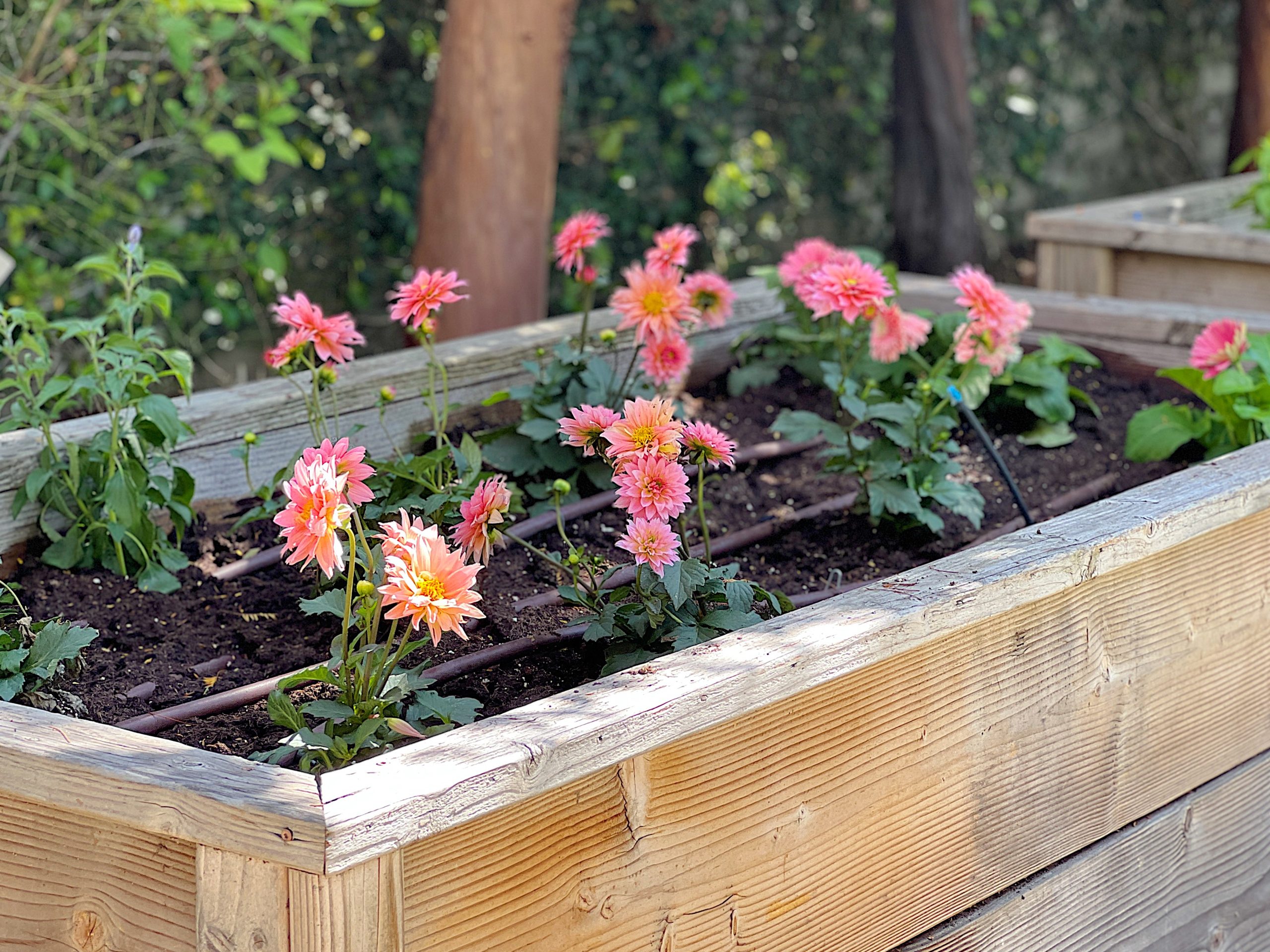
Raised beds raise soil above ground level. They help water drain well and warm soil faster in spring.
Build raised beds with wood, bricks, or stones. Fill them with good soil and compost mix.
- Choose a sunny spot for your beds
- Make beds about 12 to 18 inches high
- Leave paths between beds for easy access
Installing Irrigation Systems
An irrigation system saves water and time. It gives plants the right amount of water regularly.
Drip irrigation or soaker hoses work well for garden beds. They send water slowly to roots.
- Plan water lines to cover all plants
- Use timers to water early morning or evening
- Check for leaks and fix them quickly
Planting Techniques
Preparing garden beds is key for a healthy spring garden. Using the right planting techniques helps plants grow strong. This guide covers seed starting, transplanting seedlings, and spacing rules.
Follow simple steps to give your plants a good start. Good soil and proper planting help your garden thrive all season.
Seed Starting Tips
Start seeds indoors or in a warm spot. Use seed trays or small pots with moist soil. Keep the soil warm and light for best germination. Water gently to avoid washing seeds away.
- Use a seed-starting mix for good drainage.
- Cover seeds lightly with soil or vermiculite.
- Keep soil moist but not soggy.
- Place trays near a window or use grow lights.
- Thin seedlings to avoid crowding.
Transplanting Seedlings
Move seedlings outdoors after they grow a few true leaves. Harden them off by placing outside for a few hours daily. Plant on a cloudy day or in late afternoon to reduce shock.
Dig holes slightly bigger than the root ball. Place seedlings gently and firm soil around roots. Water well after planting to help settle soil.
Spacing And Depth Guidelines
| Plant Type | Spacing | Planting Depth |
| Carrots | 2-3 inches apart | 1/4 inch deep |
| Tomatoes | 24-36 inches apart | Plant deep, bury stem |
| Lettuce | 6-12 inches apart | 1/4 inch deep |
| Beans | 3-6 inches apart | 1-2 inches deep |
| Peppers | 18-24 inches apart | 1/4 inch deep |
Mulching And Watering
Preparing garden beds for spring needs care with mulch and water. Mulching keeps soil warm and moist. Watering helps plants grow strong early on.
Using the right mulch and watering methods makes your garden healthy. These steps save time and help plants thrive all season.
Choosing The Right Mulch
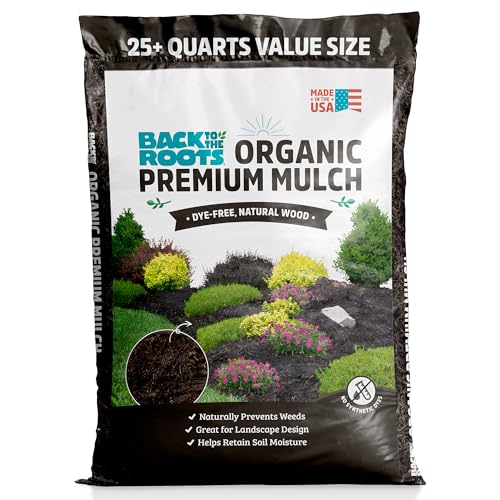
Pick mulch that fits your plants and climate. Organic mulches add nutrients to soil. Inorganic mulches last longer and control weeds well.
Apply mulch in a thick layer around plants but keep it away from stems. This stops pests and keeps soil temperature steady.
- Wood chips improve soil over time
- Straw is light and good for vegetables
- Gravel works for dry gardens
- Rubber mulch lasts but does not feed soil
Watering Strategies For Early Growth
Water garden beds deeply and less often. This encourages roots to grow strong and deep. Shallow watering leads to weak roots.
Water early in the morning to reduce evaporation. Check soil moisture before watering again to avoid overwatering.
- Use drip irrigation or soaker hoses for efficient watering
- Avoid watering leaves to prevent disease
- Adjust watering frequency based on weather
- Mulch helps keep soil moist longer
Pest And Disease Management
Preparing garden beds for spring includes managing pests and diseases. Healthy plants grow better and produce more.
Early care helps stop problems before they start. Use simple steps to keep your garden safe.
Preventative Measures
Clean garden beds remove old plants and debris that carry pests. Turn the soil to expose insects to the sun.
Choose disease-resistant plants and space them well. Good airflow lowers the chance of mold and fungus.
- Remove dead plants and weeds
- Turn soil to kill pests
- Pick resistant plant varieties
- Plant with enough space
- Water at the base of plants
Natural Remedies
Use natural sprays like neem oil or insecticidal soap to control pests. These are safe for the environment.
Encourage helpful insects such as ladybugs and bees. They eat pests and help plants grow strong.
- Neem oil spray for insects
- Insecticidal soap for soft pests
- Introduce ladybugs and lacewings
- Plant flowers to attract pollinators
- Use garlic or chili sprays as deterrents
Maintaining Your Garden Beds
Maintaining garden beds is key for a healthy spring garden. Regular care helps plants grow strong and soil stay fertile.
Two important tasks are weeding often and watching soil moisture. These keep your garden beds in good shape all season.
Regular Weeding
Weeds compete with your plants for nutrients, water, and light. Removing them regularly keeps your garden beds healthy.
- Check your garden beds weekly for new weeds.
- Pull weeds by hand to avoid disturbing roots of nearby plants.
- Use mulch to reduce weed growth and keep soil moist.
- Dispose of weeds away from the garden to prevent spreading seeds.
Monitoring Soil Moisture
Soil moisture affects plant health and growth. Too dry or too wet soil can harm your garden beds.
| Soil Moisture Level | Effect on Plants | Action Needed |
| Too Dry | Plants wilt and grow slowly | Water deeply and regularly |
| Ideal | Plants grow well and stay healthy | Maintain regular watering schedule |
| Too Wet | Roots may rot, plants suffer | Improve drainage and reduce watering |

Credit: www.youtube.com
Frequently Asked Questions
What Tools Do I Need For Preparing Garden Beds?
To prepare garden beds for spring, you’ll need a shovel, rake, trowel, and hoe. These tools help in turning the soil, removing weeds, and leveling the surface. Additionally, consider using a garden fork to aerate the soil and improve drainage.
When Is The Best Time To Prepare Garden Beds?
The ideal time to prepare garden beds is early spring. As soon as the soil is workable, start preparing your beds. This ensures plants have optimal conditions for growth. Avoid working with soggy soil to prevent compaction and damage to its structure.
How Do I Improve Soil Quality For Spring?
To improve soil quality, incorporate organic matter like compost or well-rotted manure. This boosts nutrient content and enhances soil structure. Regularly test your soil pH and add amendments as needed to maintain optimal conditions for plant growth.
Should I Remove Weeds Before Planting?
Yes, remove weeds before planting to prevent competition for nutrients and water. Weeds can hinder plant growth and spread quickly. Use a hoe or hand-pull weeds to ensure they don’t return. A thorough removal ensures a healthier garden bed.
Conclusion
Preparing garden beds for spring helps plants grow strong and healthy. Clear old debris and loosen the soil well. Add compost or natural fertilizer to boost nutrients. Plan your planting layout for best sunlight and space. Water the soil lightly to keep it moist but not wet.
Taking these simple steps sets your garden up for success. Enjoy watching new growth and colorful blooms soon. A little effort now brings a beautiful garden later. Ready for a fresh start? Your garden will thank you.