

Are pesky bugs ruining your beautiful garden? You’ve worked hard to grow vibrant flowers and fresh vegetables, but garden pests can quickly undo all that effort.
The good news is, you don’t have to let these unwanted visitors take over your green space. You’ll discover simple, effective ways to repel garden pests without harsh chemicals. Keep reading, and you’ll learn how to protect your plants, save time, and enjoy a healthier garden all season long.
Your garden deserves the best care, and you’re just one step away from becoming a pest-fighting pro!
Common Garden Pests
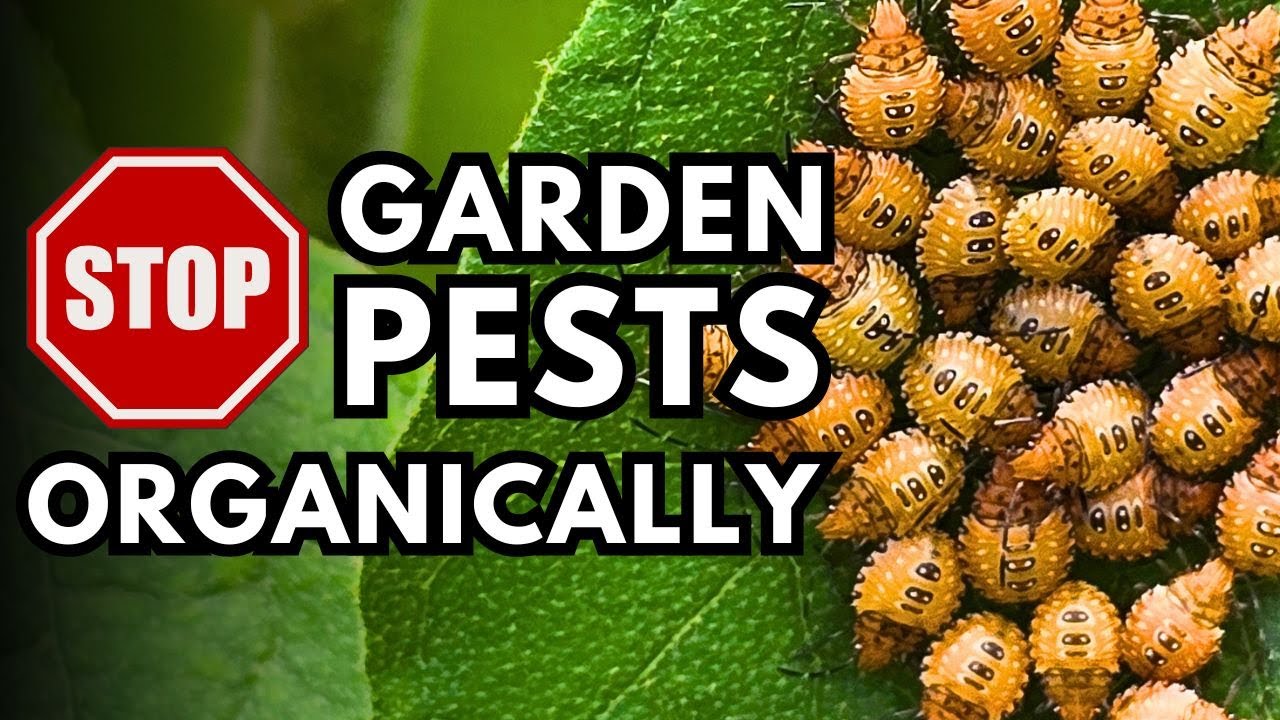
Gardens can attract many pests that harm plants. These pests eat leaves, stems, and fruits.
Knowing common garden pests helps protect your plants and keep your garden healthy.
Types Of Insects
Many insects can damage garden plants. Some suck sap, while others chew leaves or fruit.
- Aphids: Small, soft insects that suck plant juices.
- Caterpillars: Larvae that eat leaves quickly.
- Whiteflies: Tiny white bugs that fly around plants.
- Beetles: Hard-shelled insects that chew on plants.
- Spider Mites: Tiny pests that create webs on leaves.
Animal Intruders
Some animals like to visit gardens and eat plants or dig in soil. They can cause damage.
- Rabbits: They nibble on young shoots and leaves.
- Deer: They eat leaves, buds, and fruits.
- Slugs and Snails: These leave slimy trails and eat leaves.
- Birds: Some birds peck at fruits and seeds.
- Rodents: Mice and rats can chew roots and stems.
Signs Of Infestation
Early signs of pests help catch problems before they get worse. Watch plants closely.
- Holes or chewed edges on leaves.
- Yellow or wilted leaves that look sick.
- Sticky residue or white powder on plants.
- Webbing on leaves or stems.
- Visible insects or larvae on plants.
- Slime trails from snails or slugs.
- Fallen fruit or damaged buds.
Credit: www.youtube.com
Natural Pest Control Methods
Garden pests can damage your plants and reduce your harvest. Using natural methods helps keep pests away safely. These methods protect your garden without harmful chemicals.
Learn how to use plants, insects, and simple remedies to control pests naturally. These techniques work well and support a healthy garden.
Companion Planting
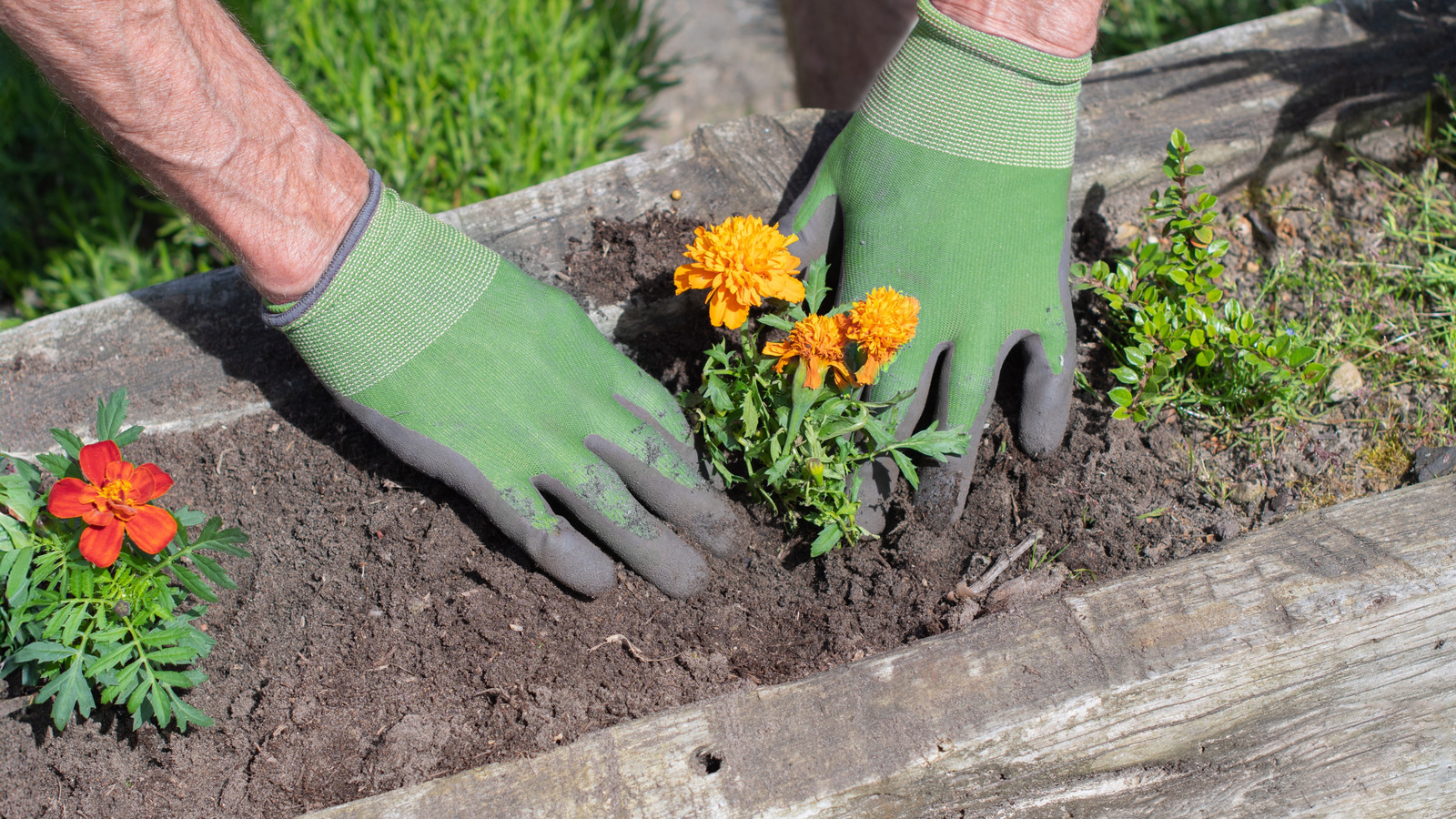
Companion planting means growing certain plants close to each other. Some plants keep pests away by their smell or taste. Others attract helpful insects to protect your garden.
- Plant marigolds near tomatoes to repel nematodes.
- Basil grows well with peppers and keeps flies away.
- Garlic planted near roses can stop aphids.
- Mint helps deter ants and flea beetles.
- Chives protect carrots from carrot flies.
Beneficial Insects
Some insects eat pests that harm plants. Attract these helpful insects to your garden to keep pests under control naturally.
| Beneficial Insect | Pests They Eat |
| Ladybugs | Aphids, mites |
| Lacewings | Thrips, whiteflies |
| Praying Mantises | Beetles, caterpillars |
| Parasitic Wasps | Scale insects, caterpillars |
| Ground Beetles | Slugs, snails |
Homemade Remedies
You can make safe sprays and solutions at home to control pests. These remedies use ingredients you may already have in your kitchen.
- Mix water with a few drops of dish soap for an insect spray.
- Spray crushed garlic or onion juice to repel bugs.
- Use neem oil diluted in water for many garden pests.
- Make a chili pepper spray by soaking chopped peppers in water.
- Apply baking soda mixed with water to stop fungal growth.
Chemical Pest Control Options
Chemical pest control uses substances to kill or repel garden pests. These chemicals can protect plants from damage.
There are different types of chemicals. Some are natural, and others are made in labs. Each has its own use and safety rules.
Organic Pesticides
Organic pesticides come from natural sources like plants or minerals. They are usually less harmful to people and pets.
These pesticides break down quickly in the environment. They help control pests without leaving many chemicals behind.
- Neem oil from the neem tree
- Pyrethrin from chrysanthemum flowers
- Insecticidal soap made from fatty acids
- Spinosad derived from bacteria
Synthetic Chemicals
Synthetic chemicals are made in laboratories. They often work faster and last longer than organic options.
These chemicals can be very effective but may harm beneficial insects or animals. Use them carefully.
- Organophosphates that affect the nervous system
- Neonicotinoids that target insect nerves
- Carbamates that block pest enzymes
- Pyrethroids which are synthetic versions of pyrethrin
Safety Precautions
Always read and follow the instructions on chemical labels. This keeps you and your garden safe.
Wear gloves, masks, and protective clothing when handling chemicals. Keep children and pets away during application.
- Store chemicals in a locked, dry place
- Do not mix different chemicals together
- Apply chemicals on calm, dry days to avoid drift
- Wash hands and clothes after use
Preventive Measures
Stopping pests before they damage your garden saves time and effort. You can keep plants healthy by using simple preventive methods.
These methods focus on keeping your garden clean, improving soil, and using proper watering habits to avoid pests.
Proper Garden Maintenance
Keep your garden tidy to reduce places where pests hide. Remove dead leaves and weeds often. Prune plants to improve air flow and sunlight exposure.
- Clear fallen leaves regularly
- Pull out weeds by the roots
- Trim crowded branches
- Clean tools after use
- Dispose of garden waste away from plants
Soil Health
Healthy soil grows strong plants that resist pests better. Add organic matter like compost to improve soil structure and nutrients.
| Soil Care Task | Benefit |
| Add compost regularly | Improves nutrients and moisture |
| Rotate crops each season | Reduces pest buildup |
| Use mulch around plants | Prevents weeds and retains moisture |
| Test soil pH | Keeps soil balanced for plant growth |
Watering Techniques
Water plants properly to avoid excess moisture that attracts pests. Use methods that target roots and keep leaves dry.
- Water early in the morning
- Use drip irrigation or soaker hoses
- Avoid overhead watering
- Check soil moisture before watering
- Do not overwater plants
Diy Pest Repellent Solutions
Keeping pests away from your garden helps plants grow healthy. You can make natural repellents at home. These solutions are safe and easy to use.
Try essential oils, herbal sprays, and physical barriers to protect your garden. Each method works differently but is effective against common pests.
Essential Oils
Essential oils like peppermint, eucalyptus, and lavender can repel insects. Mix a few drops with water and spray on plants. The strong smell keeps pests away without chemicals.
- Mix 10 drops of essential oil with 1 cup of water.
- Pour the mix into a spray bottle.
- Spray on leaves and stems every few days.
- Avoid spraying in direct sunlight.
Herbal Sprays
Herbal sprays made from garlic, neem, and chili can stop pests from eating your plants. Boil these herbs in water, strain, and spray. This natural spray is safe for most plants.
| Herb | Preparation | Effect |
| Garlic | Crush cloves, boil 10 minutes | Repels aphids and beetles |
| Neem | Soak leaves overnight, boil 15 minutes | Kills larvae and deters insects |
| Chili | Grind peppers, mix with water | Discourages caterpillars and ants |
Physical Barriers
Physical barriers stop pests from reaching plants. Use nets, row covers, or collars around stems. These blocks work well for large and small gardens.
Examples of physical barriers:
- Garden netting to keep birds and insects out
- Collars made from cardboard around vegetable stems
- Floating row covers to protect seedlings
- Copper tape to deter slugs and snails

Credit: www.youtube.com
Attracting Natural Predators
Natural predators help control garden pests without chemicals. They eat insects and keep plants safe.
Attracting these helpful animals creates a healthy garden balance. You can invite them by providing food and shelter.
Birds And Bats
Birds eat many insects that harm plants. Bats catch flying bugs at night, reducing pest numbers.
To attract birds and bats, add birdhouses and bat boxes. Plant fruit trees and flowers for food and shelter.
- Install bird feeders with seeds and suet
- Place bat houses in quiet, shady spots
- Grow native plants that produce berries and nectar
Ladybugs And Lacewings
Ladybugs and lacewings eat aphids and other small pests. They are great helpers for garden health.
Plant flowers like dill, fennel, and marigold to attract these insects. Avoid pesticides to keep them safe.
- Grow herbs such as dill and fennel
- Add marigolds near vegetable plants
- Keep garden pesticide-free
Frogs And Toads
Frogs and toads eat slugs, beetles, and other pests. They need moist, cool places to live in your garden.
Create ponds or leave leaf piles for shelter. Avoid chemicals that can harm amphibians.
- Build a small pond or water area
- Leave leaf piles or logs for hiding spots
- Use natural garden care, no chemicals
Credit: www.housedigest.com
Frequently Asked Questions
What Natural Methods Repel Garden Pests Effectively?
Natural methods like neem oil, garlic spray, and companion planting repel pests. These methods are eco-friendly and safe for plants and beneficial insects.
How Can I Prevent Garden Pests Without Chemicals?
Use crop rotation, handpicking pests, and encouraging natural predators. Healthy soil and diverse plants also reduce pest problems naturally.
What Plants Repel Common Garden Pests?
Marigolds, basil, and lavender repel aphids, mosquitoes, and whiteflies. Planting these near vegetables helps protect your garden naturally and improves growth.
How Often Should I Apply Pest Repellents In My Garden?
Apply natural repellents every 7-14 days or after heavy rain. Consistent application maintains protection and keeps pests away effectively.
Conclusion
Keeping your garden pest-free is within reach. Simple methods work best. Natural repellents protect plants without harm. Regular checks prevent infestations early. Companion planting provides organic defense. Clean garden areas deter pests too. Staying consistent is key for success. Choose eco-friendly solutions for healthy gardens.
Your plants will thrive with care. Happy gardening!