

Are you ready to transform your patch of land into a thriving garden? Knowing how to till a garden for the first time is the key step to growing healthy plants and delicious vegetables.
But if you’ve never done it before, it might feel confusing or overwhelming. Don’t worry—this guide will walk you through the simple, step-by-step process to prepare your soil the right way. Once you master tilling, you’ll unlock the secret to stronger roots, better water flow, and a garden that flourishes season after season.
Keep reading, and you’ll be ready to dig in with confidence!
Preparing Your Garden Space
Tilling a garden starts with good preparation. You need to get your space ready before planting.
Preparing your garden well helps plants grow strong and healthy. It makes gardening easier and more fun.
Choosing The Right Location
Pick a spot with plenty of sunlight. Most plants need at least six hours of sun daily.
Choose a flat area with good drainage. Avoid low spots where water can collect and cause rot.
- Look for a sunny place
- Make sure the soil drains well
- Avoid shady or windy spots
Clearing Debris And Weeds
Remove rocks, sticks, and trash from the garden area. These can block your tools and hurt plants.
Pull out weeds by hand or use a hoe. Weeds compete with your plants for water and nutrients.
- Pick up large debris like stones and branches
- Pull weeds out by the roots
- Clear the area completely before tilling
Marking Garden Boundaries
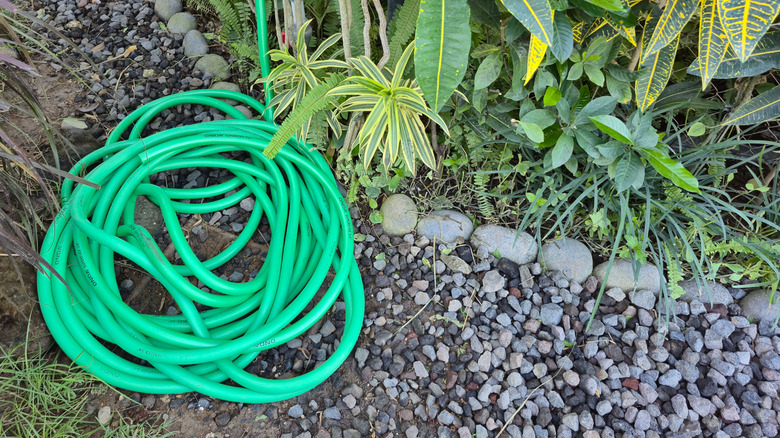
Use string, sticks, or garden hose to mark your garden edges. This keeps your planting area neat.
Clear boundaries help you plan rows and paths. They also stop you from working outside the garden space.
- Use stakes and string to outline your garden
- Measure to keep rows straight
- Mark paths where you will walk

Credit: www.hgtv.com
Gathering Essential Tools
Tilling a garden helps prepare the soil for planting. Using the right tools makes tilling easier and safer.
Before starting, gather all the essential tools you will need. This saves time and effort while working.
Basic Tilling Equipment
Basic tilling equipment includes tools that help break and turn the soil. These tools make the garden ready for seeds or plants.
- Garden fork: loosens and turns soil easily
- Spade or shovel: digs and moves soil
- Hoe: breaks up soil and removes weeds
- Tiller (manual or powered): breaks soil faster in large gardens
- Rake: smooths and levels the soil after tilling
Safety Gear To Consider
Safety gear protects you from injuries while tilling your garden. Use these items to stay safe and comfortable.
- Gardening gloves: protect hands from blisters and cuts
- Sturdy boots: protect feet and provide good grip
- Eye protection: shields eyes from dust and debris
- Knee pads: provide comfort when kneeling on hard ground
- Hat and sunscreen: protect skin from sun exposure
Optional Tools For Efficiency
Optional tools can make tilling faster and easier. Use them if you want to save time and reduce effort.
- Rototiller: powered machine that tills large areas quickly
- Wheelbarrow: carries soil, compost, and tools
- Soil tester: checks soil quality and pH level
- Garden hose or watering can: moistens soil before tilling
- Measuring tape or stakes: mark garden rows for planting
Soil Testing And Improvement
Tilling a garden starts with understanding the soil. Good soil helps plants grow well.
Testing and improving soil makes it easier to grow healthy plants. This guide helps you prepare your soil.
Checking Soil Ph
Soil pH shows how acidic or alkaline the soil is. Most plants grow best in soil with pH between 6 and 7.
You can buy a simple soil pH test kit at a garden store. Follow the instructions to check your soil’s pH level.
- If pH is too low (acidic), add lime to raise it.
- If pH is too high (alkaline), add sulfur to lower it.
- Test soil every few years to keep pH balanced.
Adding Organic Matter
Organic matter improves soil by adding nutrients and helping it hold water. Compost is a great source.
Mix compost, shredded leaves, or aged manure into the soil before tilling. This makes soil soft and rich.
- Use about 2 to 3 inches of organic matter on the soil surface.
- Work it into the top 6 to 8 inches of soil.
- Organic matter feeds plants and helps soil stay loose.
Addressing Soil Compaction
Compacted soil is hard and stops roots from growing well. It also blocks water and air from reaching roots.
Tilling can break up compacted soil. Use a garden fork or tiller to loosen the soil deep down.
- Check if soil feels hard or dense.
- Break up hard soil chunks while tilling.
- Avoid tilling when soil is very wet to prevent more compaction.
Tilling Techniques For Beginners
Tilling a garden helps prepare the soil for planting. It loosens the earth and mixes nutrients well.
There are different ways to till, depending on tools and garden size. Learn simple techniques for good results.
Manual Tilling Methods
Manual tilling uses hand tools like shovels, hoes, or garden forks. It works well for small gardens or tight spaces.
This method needs physical effort but gives you good control over soil texture. It also avoids damaging soil life.
- Use a garden fork to loosen soil by lifting and turning it.
- Shovels can break up hard soil clumps carefully.
- Hoes help remove weeds and smooth the soil surface.
Using A Rototiller
A rototiller is a powered tool that digs and turns soil quickly. It suits medium to large gardens.
Rototillers save time and energy. They dig deeper and mix soil faster than manual tools.
- Start on low speed to avoid throwing soil out of the garden.
- Move the tiller slowly in straight lines for even soil.
- Wear sturdy shoes and safety gear while tilling.
Tilling Depth And Patterns
Tilling depth depends on soil type and plants you want to grow. Usually, 6 to 8 inches is enough.
Tilling patterns help mix soil well and avoid compacting it. You can till in rows or circles.
- Till deeper for root vegetables like carrots or potatoes.
- Shallow tilling is good for leafy greens and herbs.
- Overlap each pass slightly to cover all soil evenly.
- Avoid tilling when soil is wet to prevent clumps and damage.
Post-tilling Care
After tilling your garden, it is important to care for the soil properly. Good care helps prepare the soil for planting.
Taking time for post-tilling steps makes your garden ready for healthy plants and better growth.
Leveling And Raking
Use a rake to smooth out the soil surface. Level the soil to remove large clumps and bumps.
Level soil helps water reach all parts evenly and makes planting easier.
- Remove rocks and debris
- Break large soil clumps
- Make the surface flat and even
Watering The Soil
Water the soil gently after tilling. Moist soil helps settle the soil particles.
Do not soak the soil too much. Keep it damp but not muddy to avoid harming soil structure.
- Water evenly across the garden
- Check soil moisture regularly
- Adjust watering based on weather
Planning For Planting
Decide which plants you want to grow before planting. Plan where each plant will go in your garden.
Consider sunlight, plant size, and water needs when arranging your garden layout.
- Group plants with similar needs
- Leave space for growth
- Plan rows or beds for easy access
Credit: www.indiebookstores.ca
Common Mistakes To Avoid
Tilling a garden is a great way to prepare your soil for planting. But new gardeners often make mistakes that can harm their soil and plants.
Knowing what to avoid helps you get better results. Below are common errors to watch out for when tilling for the first time.
Over-tilling
Tilling too much can break down soil structure. It may destroy helpful organisms and lead to soil erosion. Over-tilling also wastes your time and effort.
- Only till when necessary, not every season.
- Limit tilling depth to avoid disturbing deep soil layers.
- Use proper tools to avoid compacting soil.
- Mix organic matter gently instead of heavy tilling.
Tilling Wet Soil
Tilling soil when it is wet causes clumps and compaction. This makes it harder for roots to grow and water to drain. It can ruin your soil’s texture for a long time.
| Soil Condition | Effect on Soil | What to Do |
|---|---|---|
| Wet | Clumps and compaction | Wait until soil is dry enough to crumble |
| Dry | Easy to work, loosens soil | Ideal for tilling |
| Too Dry | Dusty and hard to till | Lightly moisten soil before tilling |
Ignoring Soil Health
Good soil health is key to a successful garden. Ignoring it leads to poor plant growth. Healthy soil has the right nutrients and good structure.
- Test your soil before tilling to know its needs.
- Add compost or organic matter to improve fertility.
- Avoid tilling too deep to protect soil layers.
- Rotate crops to keep soil balanced and healthy.

Credit: www.youtube.com
Frequently Asked Questions
What Is The Best Time To Till A Garden?
The best time to till a garden is in early spring. This allows the soil to warm up and dry out after winter. Tilling in spring prepares the soil for planting. It’s essential to avoid tilling when the soil is too wet, as this can damage its structure.
How Deep Should You Till A Garden?
Tilling a garden should be done to a depth of 6-8 inches. This depth ensures that the soil is well-aerated and loose. It helps in promoting root growth and improves nutrient absorption. Deeper tilling can disturb beneficial soil organisms, so it’s best to avoid going too deep.
Should I Remove Weeds Before Tilling?
Yes, removing weeds before tilling is important. Weeds can compete with your plants for nutrients and water. Removing them ensures a clean start for your garden. Tilling can also chop up weeds, causing them to spread, so removing them beforehand is beneficial.
Can You Till A Garden By Hand?
Yes, you can till a garden by hand using a garden fork or hoe. This method is suitable for small gardens and is eco-friendly. It allows you to have better control over the soil structure. Hand tilling is more labor-intensive but can be effective for small spaces.
Conclusion
Tilling your garden is the first step to healthy plants. Use the right tools and work the soil gently. Remove weeds and break up hard clumps for better growth. Remember to keep the soil moist but not wet. Take your time and enjoy the process.
A well-tilled garden helps roots grow strong and plants thrive. Start small and learn as you go. Soon, you will see the fruits of your hard work. Gardening brings joy and fresh food to your home. Keep practicing and watch your garden flourish.