

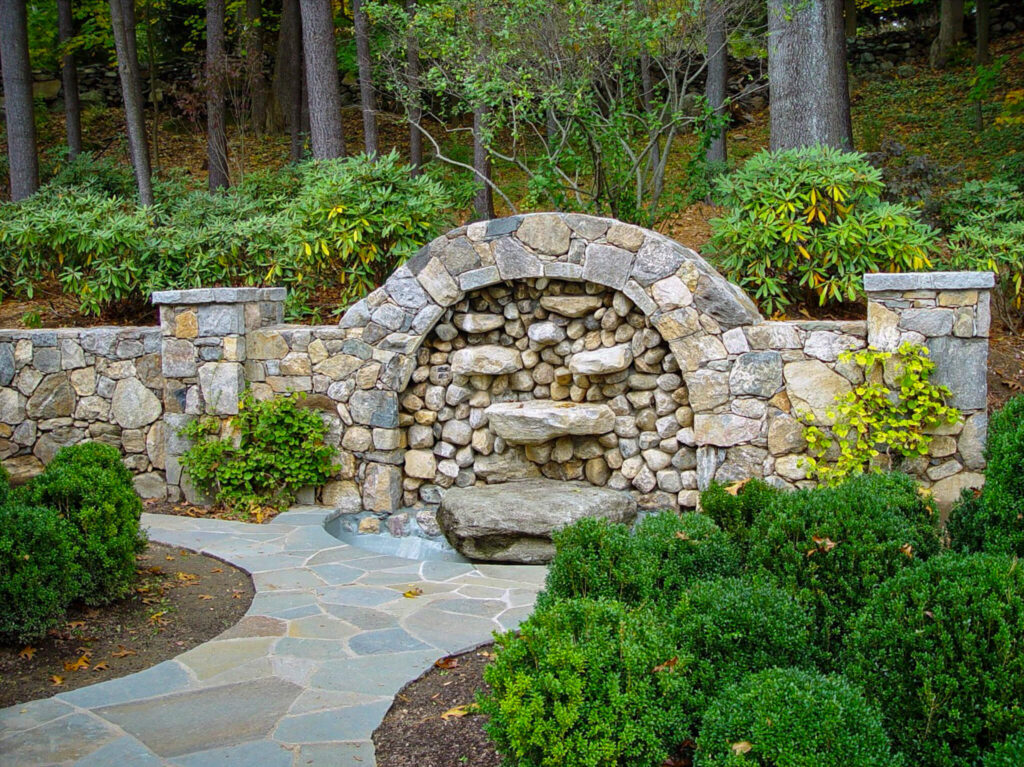
Are you looking to add charm and structure to your outdoor space? A low stone garden wall might be just what your garden needs.
It’s more than just a boundary—it can create cozy seating, define flower beds, and bring a timeless look to your yard. Imagine stepping outside to a beautiful, natural stone wall that not only enhances your garden’s beauty but also boosts your home’s value.
Ready to discover how a low stone garden wall can transform your space? Keep reading to find out everything you need to know.
Credit: www.garonfence.com
Benefits Of Low Stone Garden Walls
Low stone garden walls add charm and structure to your outdoor space. They offer both beauty and practical uses in a garden.
These walls can improve your yard’s look, create clear areas, and help your garden work better.
Enhancing Yard Aesthetics
Stone walls bring natural beauty to any garden. Their colors and textures blend well with plants and flowers. They give a timeless look that suits many garden styles.
- Use different stones for a unique look
- Create curves for a soft, natural feel
- Highlight flower beds with stone borders
- Add seating areas on top of the wall
Creating Defined Spaces
Low stone walls help mark garden sections without blocking views. They separate flower beds, walkways, and lawn areas clearly. This makes the yard easier to navigate and more organized.
| Area | Purpose |
| Flower Beds | Keep soil and plants contained |
| Pathways | Guide foot traffic smoothly |
| Seating Zones | Define cozy resting spots |
Improving Garden Functionality
Stone walls support garden health and ease. They stop soil erosion on slopes and hold mulch in place. Walls can also create raised beds for better plant growth.
Key functions of low stone garden walls:
- Prevent soil washout during rain
- Help retain moisture for plants
- Make gardening tasks easier by raising beds
- Provide spots to place pots or tools
:max_bytes(150000):strip_icc()/GettyImages-183279706-90e05c0acfb948d38a694569afba8926.jpg)
Credit: www.marthastewart.com
Choosing The Right Stone
Building a low stone garden wall can add charm to your landscape. The choice of stone is crucial for appearance and durability.
Considerations such as type, color, texture, and durability of stone will guide your decision.
Natural Vs. Manufactured Stone
Natural stone offers unique patterns and colors. Manufactured stone can be more affordable and lighter.
- Natural stone is often more durable.
- Manufactured stone has consistent shapes and sizes.
- Both options have their aesthetic and practical benefits.
Color And Texture Options
Stone color and texture affect the overall look of your garden wall. Choose options that complement your garden.
| Stone Type | Color | Texture |
| Granite | Gray | Rough |
| Limestone | Beige | Smooth |
| Sandstone | Red | Grainy |
Durability Considerations
Durability is key for a long-lasting garden wall. Consider stone’s resistance to weather and wear.
Popular Design Styles
Low stone garden walls add charm and function to outdoor spaces. They come in many design styles to match different tastes.
Choosing the right style helps your garden look inviting and balanced. Here are some popular designs to consider.
Rustic And Natural
Rustic and natural walls use rough stones with uneven shapes. They blend well with plants and natural surroundings.
This style looks old and earthy. It gives a warm, cozy feel to gardens and outdoor areas.
- Uses local stones and materials
- Irregular shapes and sizes
- Often dry-stacked without mortar
- Works well with wildflowers and shrubs
Modern Minimalist
Modern minimalist walls focus on clean lines and simple shapes. They use smooth, cut stones or concrete blocks.
This style fits well in contemporary gardens. It creates a neat and organized look with little decoration.
- Uniform stone sizes and shapes
- Neutral colors like gray or black
- Smooth, polished surfaces
- Simple, straight or curved lines
Mediterranean Inspired
Mediterranean style walls use warm-colored stones like terracotta or sandstone. They often include decorative patterns.
This style feels bright and sunny. It pairs well with colorful flowers and herbs like lavender or rosemary.
- Warm earth tones and reds
- Rounded or slightly rough stones
- Sometimes includes tile or mosaic details
- Blends with Mediterranean plants
Construction Tips For Low Stone Walls
Building a low stone garden wall adds charm and structure to your outdoor space.
Good planning and careful work ensure the wall lasts for years without problems.
Site Preparation
Clear the area of grass, roots, and debris before you start building.
Mark the wall line with stakes and string to keep it straight.
- Remove plants and topsoil in the wall area
- Level the ground to create a flat base
- Check local rules for property lines and permits
Foundation And Drainage
A strong foundation prevents the wall from leaning or falling.
| Material | Purpose | Depth |
| Gravel | Allows water to drain | 4 inches |
| Sand | Levels the base | 2 inches |
| Compacted soil | Supports the wall | 6-8 inches |
Place gravel first, then sand, and compact each layer well.
Stacking Techniques
Place stones carefully to make the wall strong and stable.
- Use the largest stones at the bottom
- Fit stones tightly together without large gaps
- Stagger joints so stones overlap
- Fill gaps with smaller stones or gravel
- Check that each layer is level before moving on
Incorporating Plants And Landscaping
Low stone garden walls add charm and structure to outdoor spaces. Adding plants and landscaping enhances their beauty.
Plant choices and design can make the wall a key feature in your garden. Careful planning helps blend the stone with nature.
Flower Beds Along The Wall
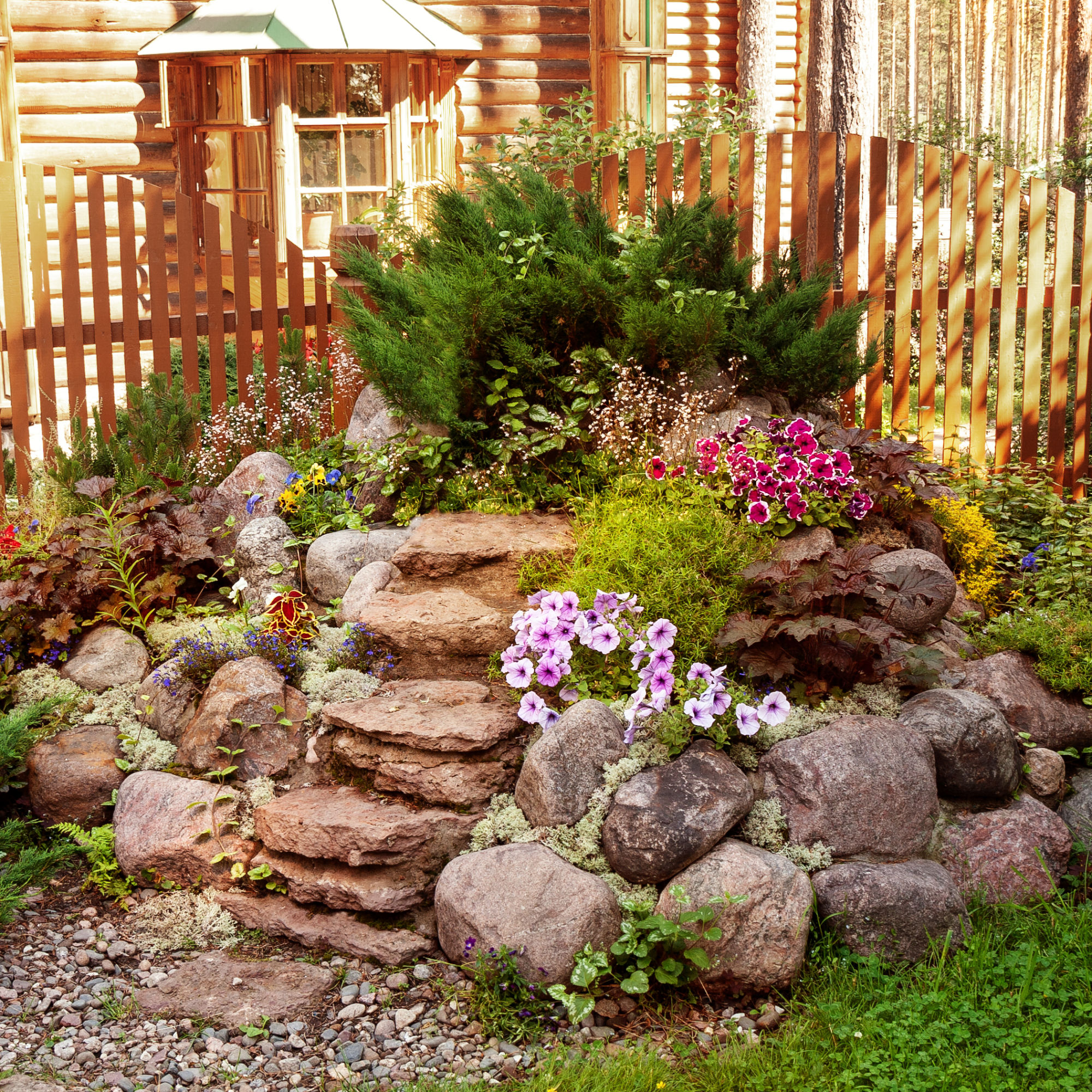
Flower beds next to the wall create color and softness. They help the stone look more natural in your garden.
Choose flowers that suit your climate and soil. Mix tall and short plants for a balanced look.
- Use perennial flowers for low maintenance
- Add seasonal blooms for changing colors
- Include herbs or small shrubs for variety
- Plant flowers with different bloom times
Climbing Vines And Greenery
Climbing vines soften the hard edges of stone walls. They add height and lush green texture to the space.
Choose vines that grow well in your area. Train them gently to cover the wall without damage.
- Use ivy or clematis for full coverage
- Try flowering vines like jasmine or honeysuckle
- Keep vines trimmed to prevent overgrowth
- Place supports for the vines to climb on
Integrating Seating Areas
Low stone walls can double as seating in your garden. Adding plants nearby makes the area inviting and cozy.
Use cushions or wooden benches for comfort. Surround seating with fragrant or colorful plants to enhance the space.
- Build wide, flat tops on the wall for sitting
- Add potted plants around seating spots
- Place shade plants or small trees nearby
- Keep seating areas clean and easy to access
Maintenance And Longevity
Low stone garden walls add charm and structure to outdoor spaces. Proper care helps these walls last longer. Simple maintenance steps keep them strong and looking good.
Regular upkeep prevents costly repairs and preserves the wall’s beauty. Understanding cleaning, weatherproofing, and structural care is key for durability.
Cleaning And Repairs
Keep your stone wall free of dirt and moss. Clean with water and a soft brush. Avoid harsh chemicals that may damage the stone.
- Remove debris and leaves regularly
- Use mild detergent for stubborn stains
- Fix loose stones or cracks promptly
- Repoint mortar joints if they erode
Weatherproofing Methods
Protect your wall from rain, frost, and sun damage. Seal the stone surface with a breathable water repellent. This helps prevent water absorption and freeze damage.
| Weatherproofing Method | Purpose | Frequency |
| Water repellent sealant | Blocks water entry | Every 2-3 years |
| Cap stones installation | Prevents water pooling | One-time or repair |
| Drainage improvement | Reduces water pressure | As needed |
Preventing Structural Issues
Keep the wall stable by avoiding soil pressure and plant roots nearby. Check for shifting stones and settle the base if needed.
- Do not plant large trees near the wall
- Ensure good drainage around the base
- Fill gaps in mortar to stop water entry
- Inspect wall yearly for cracks or bulges
Inspiring Low Stone Wall Ideas
Low stone walls add charm and structure to any garden. They define spaces without blocking views.
These walls blend with plants and paths to create a peaceful outdoor space. Let’s explore ideas for building yours.
Curved Vs. Straight Walls
Curved walls bring softness and flow to a garden. Straight walls give a clean and modern look.
- Curved walls help guide visitors along a path.
- Straight walls create clear boundaries for planting areas.
- Curved shapes can fit uneven ground better.
- Straight walls are easier to build and repair.
Mixed Materials
Using different materials in your wall adds texture and interest. Stone pairs well with wood, metal, or brick.
| Material Combination | Effect |
| Stone and Wood | Rustic and warm look |
| Stone and Metal | Modern and sleek style |
| Stone and Brick | Classic and timeless feel |
Lighting Enhancements
Lights make low stone walls stand out at night. They add safety and a cozy feel to your garden.
- Install small LED lights along the top edge.
- Use solar-powered spotlights for easy setup.
- Add lanterns or string lights nearby for extra glow.
- Choose warm light colors to enhance stone texture.
Credit: www.gardeningknowhow.com
Frequently Asked Questions
What Are Low Stone Garden Walls Used For?
Low stone garden walls define garden spaces, create seating areas, and prevent soil erosion. They add charm and structure to landscapes while blending naturally with outdoor environments.
How Do I Build A Low Stone Garden Wall?
Start by choosing durable stones and marking the wall layout. Dig a shallow trench, lay a solid base, and stack stones tightly. Use mortar or dry-stack techniques depending on the style and stability needed.
Can Low Stone Walls Improve Garden Drainage?
Yes, low stone walls can improve drainage by directing water flow and preventing soil runoff. Properly constructed walls allow water to pass while stabilizing garden soil, reducing erosion risks.
What Types Of Stones Suit Low Garden Walls Best?
Natural stones like limestone, sandstone, and granite suit low garden walls well. These stones are durable, weather-resistant, and provide an attractive, rustic appearance to garden spaces.
Conclusion
A low stone garden wall adds charm and structure to any yard. It defines spaces without blocking views. This type of wall suits many garden styles. It also helps keep soil and plants in place. Building one can be simple and affordable.
Choose stones that match your garden’s look. With care, the wall will last for years. Small changes make your outdoor space feel cozy. Consider a low stone garden wall for a fresh look today.