



Are you ready to keep your garden alive and vibrant even when the cold sets in? Winter doesn’t have to mean a dull, empty yard.
You can grow beautiful plants that thrive in chilly weather and bring color and life to your outdoor space. Imagine stepping outside to see fresh greens and bright blooms while others only see bare branches and frost. In this guide, you’ll discover exactly what to plant for a winter garden that stays healthy and stunning through the cold months.
Let’s make your garden a winter wonderland you’ll love all season long.

Credit: www.youtube.com
Choosing Hardy Plants
Winter gardens need plants that survive cold weather well. Choosing hardy plants helps your garden stay green.
These plants resist frost and snow. They grow even when days are short and temperatures drop.
Cold-tolerant Varieties
Cold-tolerant plants can handle freezing temperatures. They keep their leaves or bloom in winter.
Some popular cold-tolerant plants include cabbage, kale, and pansies. These plants stay healthy in cold soil.
- Brussels sprouts
- Carrots
- Spinach
- Winter rye
Perennials Vs. Annuals
Perennials live for many years. They often survive winters and bloom again in spring.
Annuals grow and die in one season. Some annuals can handle cold if planted late.
- Perennials save time and effort each year.
- Annuals add quick color but need replanting.
- Choose perennials for lasting winter interest.
Native Plants Benefits
Native plants grow well in your local climate. They need less care and water.
They support local wildlife like birds and bees. Using native plants helps the environment.
- Adapted to local soil and weather
- Resist pests naturally
- Promote biodiversity
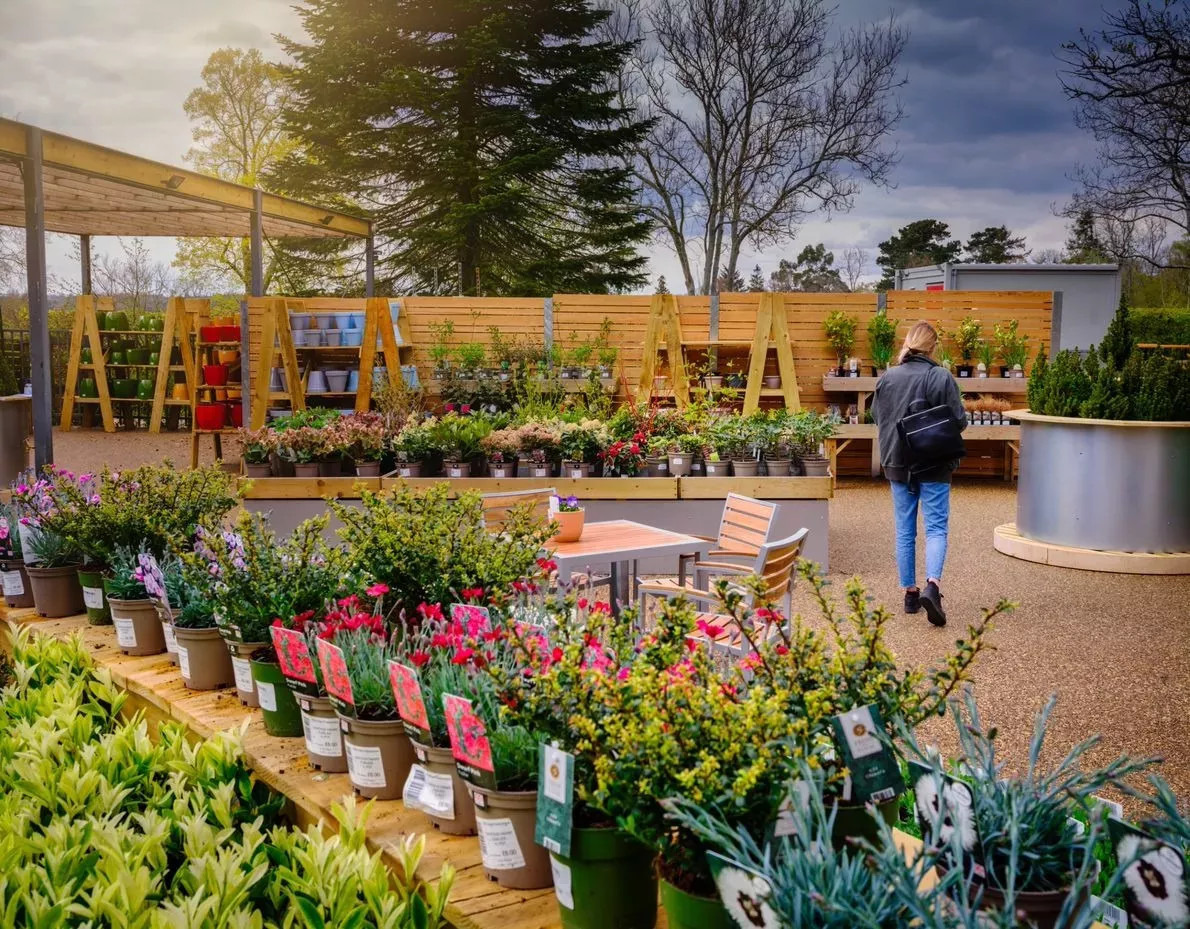
Credit: www.kew.org
Vegetables For Winter
Winter gardens can provide fresh vegetables even in cold months. Choosing the right plants helps you grow healthy food.
Some vegetables thrive in cold weather and frost. They grow slowly but stay tasty and nutritious.
Leafy Greens
Leafy greens grow well in winter and stay fresh longer. They include kale, spinach, and lettuce.
These plants tolerate frost and cold soil. They add vitamins and fiber to your meals.
- Kale
- Spinach
- Swiss chard
- Lettuce (winter varieties)
- Collard greens
Root Vegetables
Root vegetables grow underground and store energy. They include carrots, beets, and turnips.
These vegetables can survive freezing weather. They taste sweeter after frost.
- Carrots
- Beets
- Turnips
- Parsnips
- Radishes
Brassicas
Brassicas are a family of vegetables that like cold weather. They include cabbage, broccoli, and Brussels sprouts.
These vegetables grow slowly but resist frost well. They are rich in vitamins and minerals.
- Cabbage
- Broccoli
- Brussels sprouts
- Cauliflower
- Kohlrabi
Winter Flowers To Brighten Gardens
Winter gardens can look dull without flowers. Planting winter flowers adds color and life.
These flowers survive cold and make your garden cheerful in winter months.
Pansies And Violas
Pansies and violas are popular winter flowers. They bloom in many bright colors.
They can tolerate frost and light snow, making them ideal for cold weather.
- Colors include purple, yellow, blue, and white
- Plant in well-drained soil with some sun
- Water regularly but avoid soggy soil
Hellebores
Hellebores are also called Christmas or Lenten roses. They bloom in winter and early spring.
These flowers have large petals in white, pink, green, or purple shades.
- Grow well in shade or partial sun
- Prefer rich, well-drained soil
- Resistant to frost and deer
Winter Jasmine
Winter jasmine is a bright yellow flowering plant. It blooms on bare stems in winter.
This plant can climb or spread as ground cover. It adds warmth to winter gardens.
- Thrives in full sun to partial shade
- Needs well-drained soil
- Low maintenance and drought tolerant

Credit: www.kew.org
Herbs That Thrive In Cold
Winter gardens can be full of fresh flavors. Some herbs grow well in cold weather. These herbs add taste to your food all winter long.
Choose herbs that stay green and healthy during chilly days. They need less care and still offer great leaves.
Thyme And Rosemary
Thyme and rosemary are strong herbs for cold gardens. Thyme stays low to the ground and loves cool air. Rosemary is a woody herb that can handle frost if protected.
- Thyme grows well in pots or garden beds.
- Rosemary needs good drainage and some sun.
- Both herbs keep their flavor in cold weather.
Chives And Parsley
Chives and parsley are easy to grow in winter. Chives have hollow leaves that add mild onion flavor. Parsley is rich in vitamins and stays green under snow.
| Herb | Cold Hardiness | Care Tips |
| Chives | Very hardy | Keep soil moist |
| Parsley | Hardy with mulch | Protect from strong wind |
Sage And Mint
Sage and mint add fresh taste to winter dishes. Sage leaves are thick and can survive frost. Mint spreads fast and grows well indoors in winter.
Tips for growing sage and mint in winter:
- Plant sage in sunny spots with good air flow.
- Grow mint in pots to control spreading.
- Water moderately and avoid soggy soil.
Tips For Winter Garden Success
Growing a garden in winter needs special care. Cold weather can stress plants and slow their growth.
Using the right methods helps your plants stay healthy and strong during the cold months.
Soil Preparation
Good soil helps plants survive winter. Remove weeds and old roots before planting. Add compost to enrich the soil.
- Clear the soil of debris
- Mix in organic compost or manure
- Test soil pH and adjust if needed
- Loosen soil to improve air flow
- Plant cover crops to protect soil
Mulching Techniques
Mulch keeps soil warm and moist. It stops weeds and protects roots from freezing.
| Mulch Type | Benefits |
| Straw | Lightweight, keeps moisture |
| Wood chips | Long-lasting, good insulation |
| Leaves | Cheap, easy to find |
| Compost | Improves soil nutrients |
Protecting Plants From Frost
Frost can damage or kill plants. Cover plants at night to keep them warm. Use frost cloths or old sheets.
- Cover plants before sunset
- Remove covers in the morning
- Use cloches or plastic tunnels for extra protection
- Water plants during the day to keep soil warm
- Bring potted plants indoors if possible
Frequently Asked Questions
What Vegetables Grow Best In Winter?
Certain vegetables thrive in colder months, such as kale, Brussels sprouts, and carrots. These hardy plants can withstand frost and even improve in flavor after a cold spell. Planting these can ensure a productive winter garden.
Can I Plant Herbs During Winter?
Yes, some herbs like parsley, thyme, and chives can grow well in winter. These herbs are resilient to cold weather and can be harvested throughout the season. Protect them from severe frost for best results.
How Do I Prepare Soil For Winter Planting?
Start by clearing debris and adding organic matter like compost. This enriches the soil and improves drainage. Mulching can also help retain moisture and protect roots from freezing temperatures.
Is It Possible To Grow Flowers In Winter?
Yes, certain flowers like pansies and violas can bloom in winter. These cold-tolerant flowers add color to your garden during the dreary months. Ensure they receive adequate sunlight for best growth.
Conclusion
Winter gardens can be full of life and color. Choose plants that stay strong in cold weather. Leafy greens, root vegetables, and hardy herbs work well. They bring freshness and nutrition through chilly months. With care, your garden will thrive despite frost.
Plant smart, water well, and enjoy the calm of winter growth. A quiet garden in winter still holds plenty of beauty. Start now, and watch your winter garden grow.