

Are you looking for a simple way to make your garden look neat and inviting? River stone garden edging might be exactly what you need.
It’s a natural, stylish way to separate your flower beds, pathways, or lawn from the rest of your yard. Not only does it add beauty, but it also helps keep your garden tidy and easy to maintain. Imagine stepping outside and seeing clean lines that highlight your plants perfectly.
Keep reading to discover how river stone edging can transform your garden and why it could be the perfect choice for you.
Benefits Of River Stone Edging
River stone edging adds a natural border to gardens and pathways. It helps define spaces while adding beauty to your outdoor area.
Using river stones for edging offers many advantages that improve your garden’s look and function. Below are key benefits to consider.
Durability And Longevity
River stones are strong and weather-resistant. They do not break down or fade easily. This makes them last many years.
They can handle rain, wind, and temperature changes without damage. Using river stones protects your garden edges for a long time.
Natural Aesthetic Appeal
River stone edging blends well with plants and soil. Its smooth shapes and colors add a peaceful, natural look.
- Varied colors: grey, brown, white, and more
- Rounded shapes that feel soft and organic
- Complements many garden styles
- Creates a calm, flowing border
Low Maintenance
| Feature | Benefit |
| Weed resistance | Less weeding needed around edges |
| Easy cleaning | Simple to rinse off dirt or debris |
| No painting or sealing | Saves time and cost |
| Stable placement | Stays in place without shifting |
With little work, river stone edging keeps your garden tidy and attractive. It is an excellent choice for busy gardeners.
Choosing The Right River Stones
River stone garden edging adds a natural touch to your garden. Choosing the right stones is important for a beautiful look.
You need to think about size, shape, color, and where the stones come from. These factors help make your garden unique.
Size And Shape Options
River stones come in many sizes and shapes. Smaller stones are great for curves. Bigger stones work well for straight lines.
Round stones have a smooth look. Flat stones stack well for edges. Choose what fits your garden style.
- Small stones: easier for curves
- Large stones: best for straight edges
- Round: smooth appearance
- Flat: good for stacking
Color Variations
River stones come in different colors. These can be gray, brown, or even red. Colors should match your garden’s theme.
Mixing colors can create a beautiful effect. You can choose one color for a simple look. Use different colors for more variety.
- Gray: classic and simple
- Brown: warm and earthy
- Red: adds a pop of color
Source And Quality
Where you get your river stones is important. Local stones are often cheaper and more eco-friendly. Check the quality before buying.
High-quality stones last longer and look better. Avoid stones with cracks or chips. These may break easily.
- Local: cost-effective and eco-friendly
- High-quality: lasts longer
- Avoid cracks: ensures durability
Planning Your Garden Edging
River stone garden edging creates a natural border for your plants. It helps keep soil and mulch in place. Planning your edging ensures it fits your yard well.
Good planning makes your garden look neat and organized. It also makes installation easier and faster.
Measuring Your Yard
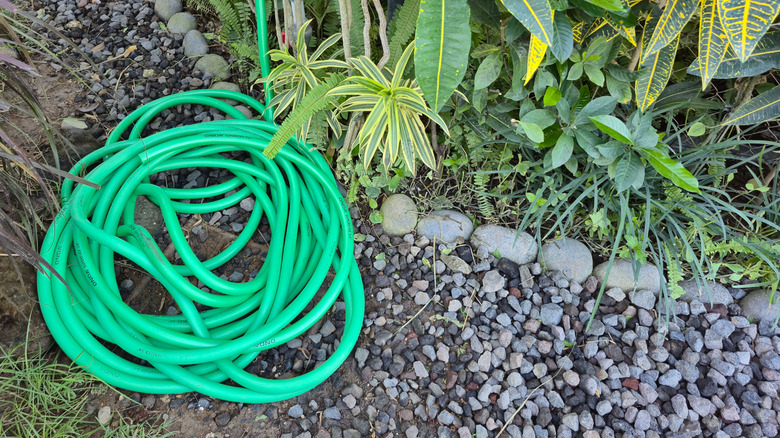
Start by measuring the area where you want to add river stone edging. Use a tape measure or garden hose to mark the shape.
Write down the length and width of each section. This helps you know how many stones you will need.
- Measure in feet or meters
- Mark curves or straight lines
- Include all garden beds you want edged
Design Patterns And Styles
River stones can be arranged in many ways to fit your garden style. Choose a simple or creative pattern that matches your space.
Some popular designs include straight lines, gentle curves, and circular shapes. You can mix sizes for a natural look.
- Straight edges for a clean look
- Curved edges for a soft, natural feel
- Mix large and small stones for texture
Combining With Other Materials
River stone edging looks great with other materials like wood, brick, or metal. Combining materials adds interest and strength.
Use wood for warmth, bricks for classic style, or metal for modern edges. Mix materials to highlight different parts of your garden.
- Wood adds a soft, natural touch
- Brick offers a traditional look
- Metal creates clean, sharp lines
- Mix stones with mulch or gravel for contrast

Credit: guidemyhome.com
Installation Techniques
Installing river stone garden edging creates a natural look. It also helps keep soil and mulch in place. Proper installation ensures the edging lasts a long time.
This guide explains how to prepare the ground, lay the stones, and finish the project for a neat appearance.
Preparing The Ground
Clear the area where you want to place the river stone edging. Remove grass, weeds, and debris. Make sure the ground is level to avoid uneven stones.
- Mark the edging line with a garden hose or string.
- Dig a trench about 4 to 6 inches deep and 6 to 8 inches wide.
- Remove loose soil and compact the bottom of the trench.
- Add a layer of sand or gravel to help with drainage.
- Level the sand or gravel layer before placing stones.
Laying The Stones
Place the river stones carefully in the trench. Fit the stones tightly together for a solid edge. Mix sizes for a natural look.
| Stone Size | Purpose |
| Small (2-4 inches) | Fill gaps between larger stones |
| Medium (5-8 inches) | Main edging stones |
| Large (9+ inches) | Anchor and add weight |
Securing And Finishing Touches
Keep stones stable by packing soil or gravel between and around them. This prevents movement over time. You can add mulch or plants next to the edging for a clean finish.
- Fill gaps with soil or gravel and tamp down firmly.
- Water the area lightly to help settle the materials.
- Trim nearby grass or plants for a neat edge.
- Check the edging after rain and adjust stones if needed.
Maintenance Tips
River stone garden edging adds a natural look to your yard. Taking care of it keeps the stones looking great. Regular maintenance helps stones last longer and stay clean.
Simple care tasks can prevent damage and keep weeds away. Follow these tips to keep your river stone edging in top shape.
Cleaning River Stones
Cleaning river stones removes dirt, moss, and debris. This keeps the stones bright and fresh.
Use a garden hose or a bucket of water for cleaning. For tough dirt, scrub gently with a soft brush.
- Rinse stones with water regularly
- Use a soft brush to remove stubborn dirt
- Avoid harsh chemicals that can damage stones
Preventing Weed Growth
Weeds grow quickly between river stones. Stop them early to keep your garden neat.
Apply mulch or use a weed barrier under the stones. Pull out any weeds by hand before they spread.
- Install landscape fabric under stones
- Check for weeds weekly and remove them
- Use natural weed killers if needed
Replacing And Repairing Stones
Some stones may crack or move over time. Replace damaged stones to keep the border even.
Lift loose stones and reset them firmly in place. Add new stones to fill any gaps or low spots.
- Inspect edging regularly for loose or broken stones
- Remove damaged stones carefully
- Fill gaps with similar sized river stones
- Press stones firmly to keep them stable

Credit: www.grandinroad.com
Creative Ideas For River Stone Edging
River stone garden edging adds a natural look to outdoor spaces. It helps keep soil and plants neat and protected.
You can use river stones in many ways to make your garden stand out. Here are some creative ideas to try.
Curved Vs Straight Edging
Curved edging creates soft, flowing lines that feel natural. It works well around flower beds and paths.
Straight edging gives a clean and modern look. It fits well in formal gardens or along patios.
- Curved edges add movement and interest
- Straight edges show structure and order
- Choose curves for a relaxed style
- Choose straight lines for a sharp style
Incorporating Lighting
Lighting highlights the beauty of river stone edging at night. It also improves safety around walkways.
Use small LED lights or solar lamps placed along the stones. Soft lighting creates a warm and inviting garden.
- Place lights to show the shape of the edging
- Use low lights to avoid glare
- Solar lights save energy and are easy to install
- Spotlights can highlight special plants or features
Complementary Plant Choices
Pick plants that look good next to river stone edging. Use a mix of colors and heights for variety.
Low groundcovers and small shrubs work well to soften the stone edges. Taller plants add background interest.
- Lavender and thyme add color and scent
- Hostas and ferns add green texture
- Ornamental grasses add movement
- Small flowering plants brighten the border
Cost Considerations
Choosing river stone garden edging requires understanding the costs involved. These costs vary by materials, labor, and long-term value.
Knowing these factors helps you plan your budget and get the best results for your garden.
Material Expenses
River stones come in different sizes and types. Prices depend on the stone quality and quantity needed.
- Small river stones are usually cheaper.
- Larger or rare stones cost more.
- Delivery fees can add to the expense.
- Buying in bulk often lowers the price per stone.
Labor Costs
Installing river stone edging takes time and skill. Labor costs can vary based on the project’s size and complexity.
| Task | Estimated Cost |
| Preparing the ground | $100 – $300 |
| Laying stones | $200 – $600 |
| Finishing touches | $50 – $150 |
Long-term Investment Value
River stone edging lasts many years with little upkeep. It can increase your garden’s appeal and property value.
- Durable and weather-resistant
- Low maintenance requirements
- Enhances garden design
- Potentially raises home value
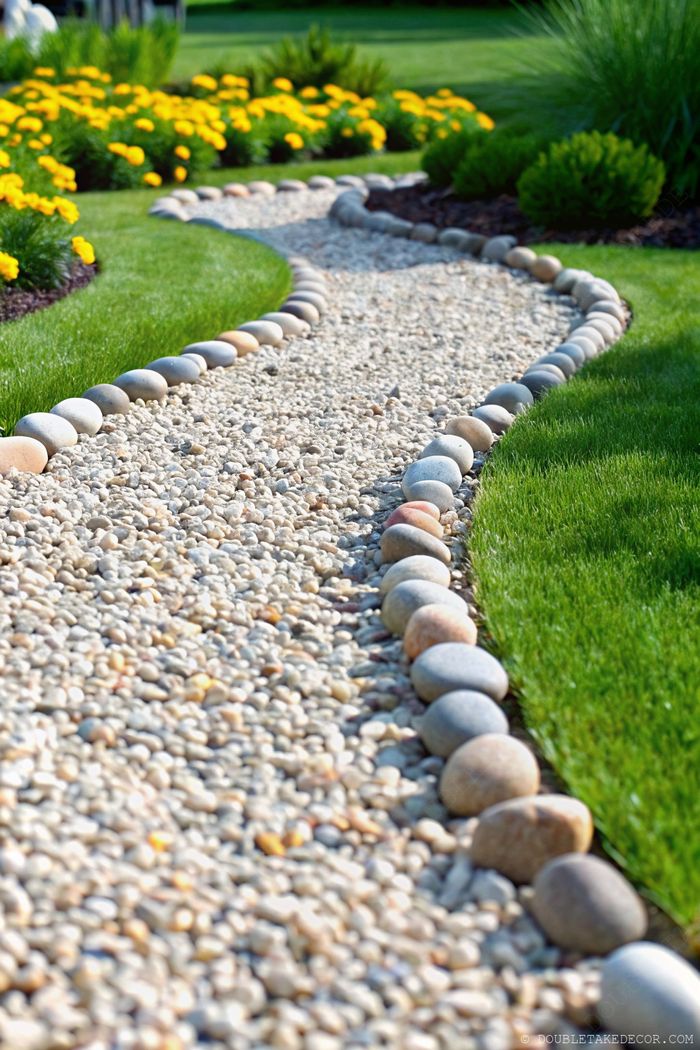
Credit: doubletakedecor.com
Frequently Asked Questions
What Are The Benefits Of River Stone Garden Edging?
River stone garden edging adds natural beauty and durability. It prevents soil erosion, controls weed growth, and defines garden borders neatly. Its smooth texture complements various landscapes, enhancing overall garden aesthetics while requiring minimal maintenance.
How To Install River Stone Garden Edging Properly?
Start by marking the garden edge and digging a shallow trench. Lay landscape fabric to prevent weeds, then place river stones tightly together. Secure stones with soil or sand, ensuring a stable and visually appealing border.
Can River Stone Edging Withstand Harsh Weather Conditions?
Yes, river stone edging is highly durable and weather-resistant. It withstands rain, frost, and heat without cracking or fading. This makes it ideal for long-lasting garden borders in various climates.
Is River Stone Edging Suitable For All Garden Styles?
River stone edging suits many garden styles, including rustic, modern, and cottage gardens. Its natural look blends well with plants, pathways, and water features, offering versatile design options.
Conclusion
River stone garden edging adds a natural look to any yard. It keeps plants neat and defines garden spaces clearly. This type of edging lasts long and needs little care. You can choose different shapes and sizes to fit your style.
Simple to install, it suits many garden types. River stones also help control soil and water flow. Try this edging for a clean and charming garden border. It’s a smart, easy way to improve your outdoor space.