

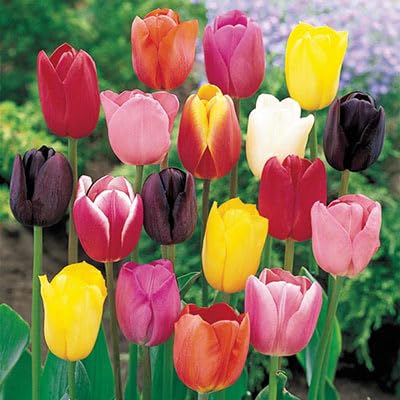

Are you wondering if fertilizing your garden in the fall is a smart move? You might think that once the growing season ends, your plants don’t need much care.
But what if giving your garden the right nutrients now could make it stronger and more vibrant next spring? You’ll discover why fall fertilizing could be the secret to a healthier, more beautiful garden. Keep reading to find out how to give your garden the boost it needs before winter arrives.

Credit: www.epicgardening.com
Benefits Of Fall Fertilizing
Fertilizing your garden in the fall helps plants get ready for colder months. It gives them the nutrients they need to stay healthy.
Applying fertilizer in fall supports strong growth and improves soil quality. This helps your garden grow better next spring.
Boosting Root Growth
Fall fertilizing helps plants build strong roots before winter. Roots absorb nutrients and water, which keeps plants alive in cold weather.
Strong roots also help plants grow faster in spring. Fertilizer with phosphorus supports root development effectively.
- Encourages deeper root systems
- Improves nutrient absorption
- Increases plant stability during winter
Enhancing Soil Health
Fertilizing in fall improves soil by adding essential nutrients. Healthy soil supports beneficial microbes that help plants grow.
Good soil structure holds water and air well. This helps roots get what they need and prevents soil erosion.
- Increases nutrient levels in soil
- Supports helpful soil organisms
- Improves soil texture and moisture retention
Preparing Plants For Winter
Fertilizer strengthens plants to survive cold weather. It helps plants store energy and resist stress from frost and snow.
Well-prepared plants recover faster in spring. Fall fertilizing reduces damage and keeps your garden healthy year-round.
- Boosts plant energy reserves
- Increases frost resistance
- Reduces winter damage to plants
Types Of Fertilizers For Fall
Fertilizing your garden in the fall helps prepare plants for winter. Choosing the right fertilizer type can improve soil health and plant growth.
This guide covers common fertilizer options for fall gardens. You will learn about organic, synthetic, and slow-release fertilizers.
Organic Options
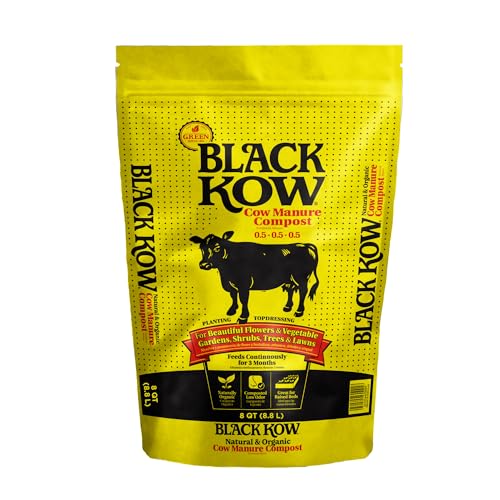
Organic fertilizers come from natural sources. They add nutrients slowly and improve soil quality over time.
- Compost: Rich in nutrients and improves soil texture.
- Manure: Adds nitrogen and other minerals.
- Bone meal: Good source of phosphorus for root growth.
- Fish emulsion: Provides nitrogen and trace elements.
Synthetic Choices
Synthetic fertilizers deliver nutrients quickly. They are easy to apply and have precise nutrient ratios.
| Fertilizer Type | Main Nutrient | Use |
| Urea | Nitrogen | Boost leaf growth |
| Superphosphate | Phosphorus | Strengthen roots |
| Potassium sulfate | Potassium | Improve overall plant health |
Slow-release Formulas
Slow-release fertilizers feed plants over time. They reduce nutrient loss and need fewer applications.
- Coated granules that dissolve gradually
- Controlled nutrient release based on moisture and temperature
- Good for long-term nutrient supply in fall gardens
When To Fertilize In Fall
Fertilizing your garden in the fall helps plants prepare for winter. Timing is key to give plants the nutrients they need.
Knowing when to fertilize depends on the type of plants and the weather conditions. This guide will help you decide the best time.
Ideal Timing For Different Plants
Different plants need fertilizer at different times in the fall. Some need it early, while others do better later in the season.
- Perennials:Fertilize in early fall to help roots grow strong.
- Lawns:Apply fertilizer in mid to late fall for thick grass in spring.
- Vegetable Gardens:Use fertilizer after the last harvest to enrich the soil.
- Trees and Shrubs:Fertilize in early fall before the ground freezes.
Weather Considerations
Weather plays a big role in fall fertilizing. Soil temperature and rainfall affect how well plants absorb nutrients.
| Weather Condition | Fertilizing Advice |
|---|---|
| Warm soil and moderate rain | Best time to fertilize, nutrients absorb well. |
| Cold or freezing soil | Wait to fertilize until soil warms up. |
| Dry weather | Water the garden after fertilizing to help absorption. |
| Heavy rain | Avoid fertilizing to prevent nutrient loss. |
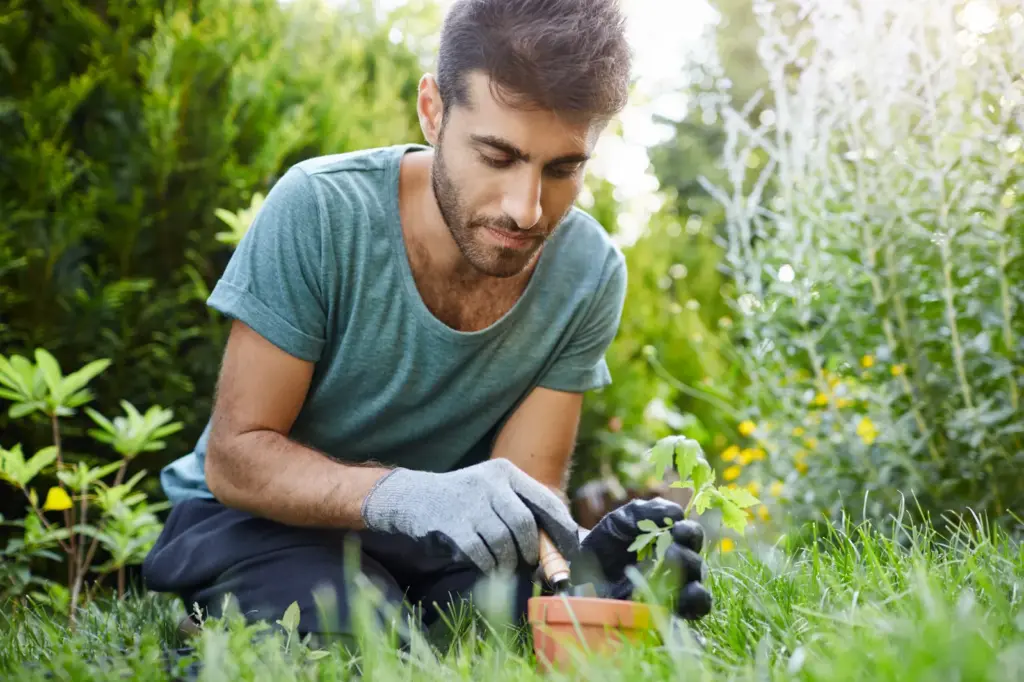
Credit: custodia.com
How To Apply Fertilizer Correctly
Applying fertilizer in the fall helps prepare your garden for spring growth. It is important to use the right tools and methods.
Correct application ensures plants get needed nutrients and avoids damage. Careful spreading and timing make a difference.
Tools And Techniques
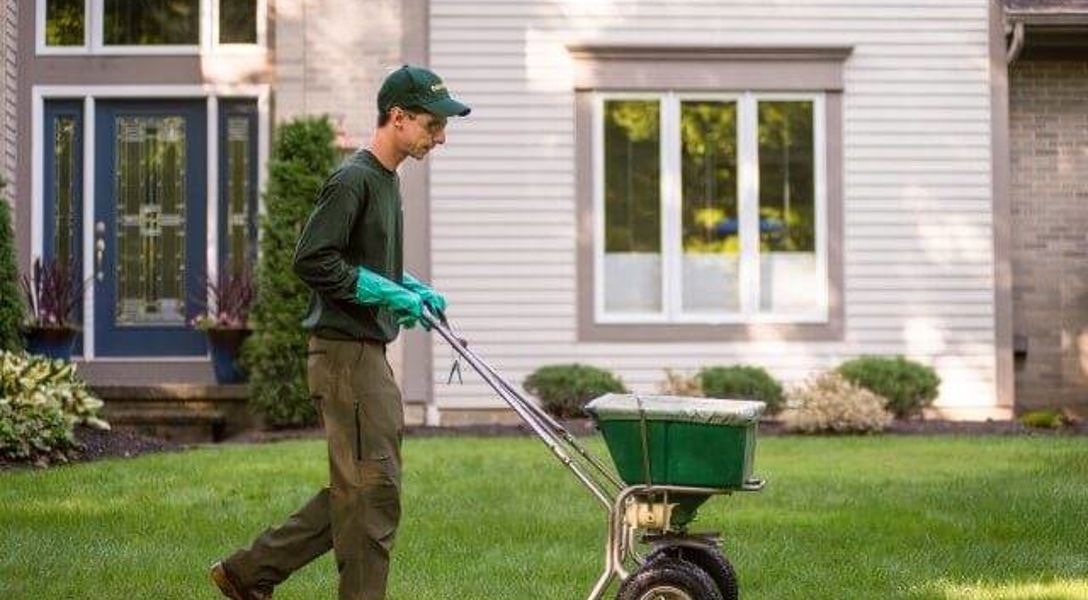
Use tools like spreaders to apply fertilizer evenly. Handheld spreaders work well for small gardens.
- Wear gloves to protect your skin
- Use a broadcast spreader for large areas
- Apply fertilizer on dry grass or soil
- Water the garden lightly after application
- Follow package instructions for rates
Avoiding Overfertilization
Too much fertilizer can harm plants and pollute water. It is best to apply only what your garden needs.
| Sign | Cause | Effect |
| Yellow leaves | Excess nitrogen | Leaf burn |
| Wilting plants | Salt buildup | Root damage |
| Slow growth | Overfertilization | Stress on plants |
Test your soil before fertilizing. Use less if nutrients are already high. Follow recommended amounts closely.
Plants That Benefit Most From Fall Feeding
Feeding plants in the fall helps them prepare for winter and grow strong next year.
Some plants get more benefits from fall fertilizing than others. Knowing which ones helps you care for your garden better.
Perennials
Perennials store nutrients in their roots during fall to bloom well in spring. Fall feeding gives them energy for new growth.
- Hostas
- Daylilies
- Peonies
- Irises
- Asters
Shrubs And Trees
Fall fertilizer helps shrubs and trees recover from summer heat and build strong roots. It also improves their winter hardiness.
| Plant Type | Benefits of Fall Feeding |
| Evergreen Shrubs | Stay green and healthy through winter |
| Deciduous Trees | Develop stronger roots for spring growth |
| Flowering Shrubs | Boost flower buds for next season |
Lawns
Fall feeding helps lawns recover from summer stress. It strengthens roots and makes grass thick and green next spring.
Use these tips for fall lawn feeding:
- Choose fertilizer with high potassium
- Apply before the first frost
- Water the lawn after feeding
- Do not over-fertilize
Common Mistakes To Avoid
Fertilizing your garden in the fall can help plants grow strong next spring. But mistakes can harm your garden instead of helping it.
Knowing what to avoid will keep your garden healthy and ready for the cold months ahead.
Fertilizing Too Late
Applying fertilizer too late in the fall can cause problems. Plants may grow new shoots that freeze in cold weather.
- Fertilize early in the fall, before the first frost.
- Check local frost dates to plan your fertilizing schedule.
- Avoid encouraging new growth late in the season.
- Use slow-release fertilizers to feed plants gradually.
Using Wrong Fertilizer Types
Choosing the wrong fertilizer can harm your plants or waste your effort. Different plants need different nutrients in fall.
| Fertilizer Type | When to Use | Purpose |
| Nitrogen-rich | Spring and early summer | Encourages leaf growth |
| Potassium and phosphorus | Fall | Strengthens roots and helps winter survival |
| Slow-release | Fall | Feeds plants slowly over time |
| High nitrogen in fall | Avoid | Causes weak, frost-prone growth |
Alternative Soil Enrichment Methods
Fertilizing your garden in the fall is one way to prepare the soil. Another way is to enrich it naturally. Using organic methods helps improve soil health over time.
Two popular ways to enrich soil are composting and mulching. They add nutrients and protect the ground. Let’s explore these methods more closely.
Composting
Composting turns kitchen scraps and yard waste into rich soil food. It adds valuable nutrients and improves soil texture. Compost also helps soil hold water better.
- Collect fruit and vegetable peels, coffee grounds, and eggshells.
- Add dry leaves, grass clippings, and small branches.
- Mix wet and dry materials to keep the pile balanced.
- Turn the pile every week to add air.
- Use finished compost in your garden beds in fall or spring.
Mulching
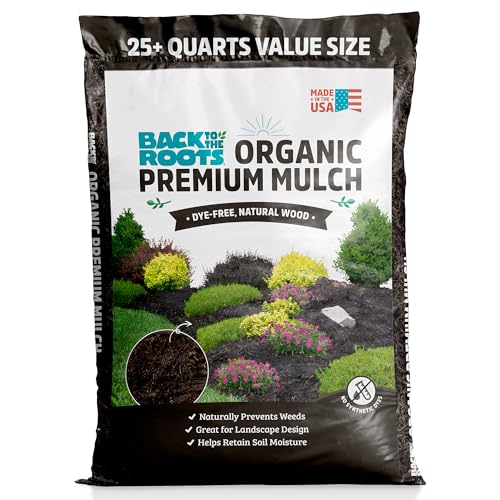
Mulching covers the soil with organic material like straw or wood chips. It protects roots from cold and stops weeds from growing. Mulch also slowly breaks down, adding nutrients.
| Mulch Type | Benefits | Best Use |
| Straw | Lightweight, good for vegetable beds | Vegetables, annual flowers |
| Wood chips | Long-lasting, good for trees and shrubs | Perennials, trees, shrubs |
| Leaves | Easy to find, adds nutrients | Garden beds, paths |
Credit: blog.davey.com
Frequently Asked Questions
Should I Fertilize My Garden In The Fall?
Fertilizing in fall helps replenish soil nutrients lost during summer. It prepares plants for winter and promotes healthy spring growth. Use slow-release fertilizers to avoid nutrient runoff and support root development during colder months.
What Type Of Fertilizer Is Best For Fall Gardens?
Organic fertilizers like compost or manure work well in fall. They slowly release nutrients, improving soil texture and microbial activity. Avoid high-nitrogen fertilizers, which can encourage weak winter growth and increase frost damage risk.
How Does Fall Fertilizing Benefit Spring Garden Growth?
Fall fertilizing boosts root strength and nutrient reserves. Plants absorb nutrients during dormancy, leading to vigorous spring growth. It reduces the need for heavy spring fertilization, promoting a balanced nutrient supply for healthy blooms and vegetables.
Can Fall Fertilizing Harm My Garden Plants?
When applied correctly, fall fertilizing rarely harms plants. Over-fertilizing or using high-nitrogen fertilizers can cause weak growth or frost damage. Always follow recommended rates and choose fertilizers suited for fall use to ensure plant safety.
Conclusion
Fertilizing your garden in fall offers many benefits. It strengthens plants for the winter. Nutrients help roots grow deeper. This leads to healthier plants in spring. Choose the right fertilizer for your soil. Test your soil to know its needs.
Organic options are great for a natural boost. Remember, a little goes a long way. Over-fertilizing can harm plants. Consider your garden’s specific needs. Plan now for a vibrant garden next year. Happy gardening!