

Are you ready to grow your own fresh veggies but don’t know where to start? Starter vegetable garden kits make it simple and fun to create your very own garden, even if you’ve never planted a seed before.
Imagine picking ripe tomatoes or crisp carrots straight from your backyard or balcony. You’ll discover how these kits take the guesswork out of gardening and help you enjoy homegrown food faster than you think. Keep reading to find the perfect kit for your space and skill level—and get ready to watch your garden thrive!
Choosing The Right Starter Kit
Starting a vegetable garden can be easy with the right kit. A good starter kit has all the basics you need. Picking the right one helps your garden grow strong.
Many kits differ by what they include and how easy they are to use. Knowing what to look for saves time and money. It also sets you up for success.
Types Of Kits Available
Starter kits come in many forms. Some focus on seeds only. Others include soil, containers, and tools. Choose a type that fits your space and time.
- Seed-only kits: Just seeds with planting instructions.
- Soil and seed kits: Seeds plus soil or growing medium.
- All-in-one kits: Seeds, soil, containers, and tools.
- Herb kits: Focused on growing kitchen herbs.
- Vegetable kits: Designed for popular vegetables like tomatoes or carrots.
What To Look For In A Kit
| Feature | Why It Matters |
| Seed Variety | Choose easy-to-grow vegetables for beginners. |
| Soil Quality | Good soil helps plants grow healthy roots. |
| Tools Included | Basic tools make planting and care easier. |
| Instructions | Clear steps guide you through planting and care. |
| Container Type | Right container size fits your garden space. |
Best Kits For Beginners
Some kits are made with beginners in mind. They include simple seeds and easy instructions. Look for kits that need little equipment.
- Choose kits with vegetables that grow fast.
- Look for kits with reusable containers.
- Pick kits that include step-by-step guides.
- Consider kits with good customer reviews.
- Start with small kits to learn before expanding.

Credit: www.homehardware.ca
Essential Tools And Supplies
Starting a vegetable garden is fun and rewarding. You need some basic tools and supplies to get started. Let’s explore what you will need.
Having the right tools can make gardening easier. Here are the essentials for your starter vegetable garden kit.
Soil And Fertilizers
Good soil is key for healthy plants. Choose rich, loose soil for your garden. It should be well-draining to prevent waterlogging.
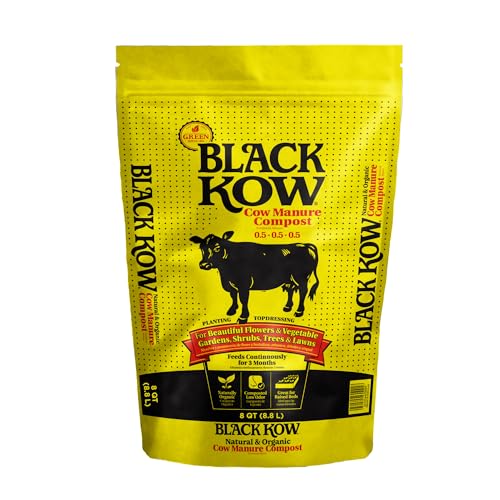
Fertilizers help plants grow strong. Organic options like compost are great. They add nutrients back into the soil.
- Rich, loose soil for better drainage
- Organic compost for natural nutrients
- Balanced fertilizers for different plants
Containers And Pots
If you lack garden space, use pots. They are perfect for small spaces or patios. Choose the right size for your plants.
Containers should have drainage holes. This prevents water from staying in the soil. It helps keep plant roots healthy.
- Pots for small spaces
- Correct size for plant growth
- Drainage holes to prevent waterlogging
Gardening Tools
Basic tools make gardening easier. A trowel is useful for digging. Pruners help trim plants to keep them healthy.
Gloves protect your hands while working. They keep them clean and safe from sharp objects. Watering cans help keep plants hydrated.
- Trowel for digging
- Pruners for trimming plants
- Gloves for hand protection
- Watering can for hydration
Selecting Vegetables To Grow
Starting a vegetable garden is fun and rewarding. Choosing the right vegetables helps you succeed.
Think about your space, climate, and the time you have for gardening. This helps you pick suitable plants.
Easy-to-grow Veggies
Some vegetables grow well even if you are a beginner. These plants need less care and grow fast.
Try these easy vegetables first to get confident with gardening.
- Radishes – grow quickly in cool weather
- Lettuce – needs little space and grows fast
- Green beans – produce many pods in a small area
- Carrots – grow well in deep, loose soil
- Zucchini – very productive and easy to care for
Seasonal Choices
Vegetables grow best in certain seasons. Knowing this helps you plant at the right time.
Choose vegetables that match your local climate and the current season for better results.
- Spring: peas, spinach, lettuce, radishes
- Summer: tomatoes, peppers, cucumbers, beans
- Fall: broccoli, kale, carrots, cabbage
- Winter (mild areas): garlic, onions, kale, carrots
Companion Planting Tips
Some vegetables grow better when planted near certain others. This is called companion planting.
Good companions can help plants grow strong and keep pests away.
| Vegetable | Good Companions | Benefits |
|---|---|---|
| Tomatoes | Basil, carrots, onions | Better flavor, pest control |
| Carrots | Peas, lettuce, onions | Improves growth, pest deterrence |
| Beans | Corn, cucumbers, radishes | Improves soil nitrogen |
| Lettuce | Carrots, radishes, cucumbers | Shades soil, reduces weeds |
Planting Your Starter Kit
Starting a vegetable garden with a kit is simple and fun. You get seeds, soil, and instructions to grow fresh veggies.
Planting your starter kit correctly helps plants grow strong and healthy. Follow easy steps to prepare soil, sow seeds, and water well.
Preparing The Soil
Good soil helps seeds sprout and grow. Use loose, soft soil that drains water well. Remove rocks and weeds before planting.
Add compost or organic matter to make soil rich in nutrients. Mix it well to create a healthy base for plants.
Sowing Seeds Correctly
Plant seeds at the right depth. Usually, plant them twice as deep as their size. Cover seeds lightly with soil.
Space seeds according to the instructions. Crowding plants can stop them from growing well.
- Check seed packet for planting depth
- Use your finger or a small tool to dig holes
- Place one or two seeds per hole
- Cover gently with soil
- Label each row or section
Watering Techniques
Water seeds right after planting to keep soil moist. Avoid overwatering, which can drown roots or cause mold.
Water early in the day to give plants time to dry. Use a gentle spray to protect seeds and young plants.
- Check soil moisture daily
- Water when top inch of soil feels dry
- Use a watering can with a fine rose
- Water at the base of the plants
- Avoid wetting leaves to prevent disease
Caring For Your Garden
Starting a vegetable garden kit is easy and fun. Taking care of your plants helps them grow strong and healthy.
Good care means checking sunlight, fighting pests, and doing regular tasks. These steps keep your garden happy.
Sunlight And Temperature Needs
Most vegetables need at least six hours of sunlight each day. Too little sun can slow growth and reduce yield.
- Place your garden where it gets full sun in the morning and afternoon.
- Protect young plants from strong winds and cold temperatures.
- Watch the weather and cover plants if frost is expected.
Pest And Disease Management
Keep pests and diseases away to stop damage to your vegetables. Check your plants often for any signs of trouble.
| Pest or Disease | Signs | Action |
| Aphids | Small green bugs on leaves | Spray with water or use insecticidal soap |
| Fungal spots | Brown or black spots on leaves | Remove affected leaves and improve air flow |
| Cutworms | Plants cut near soil surface | Place collars around young stems |
Regular Maintenance
Doing simple tasks regularly helps your garden thrive. Watering, weeding, and pruning are important jobs.
- Water plants early in the morning or late in the day.
- Remove weeds to stop them from stealing nutrients.
- Trim dead or yellow leaves to keep plants healthy.
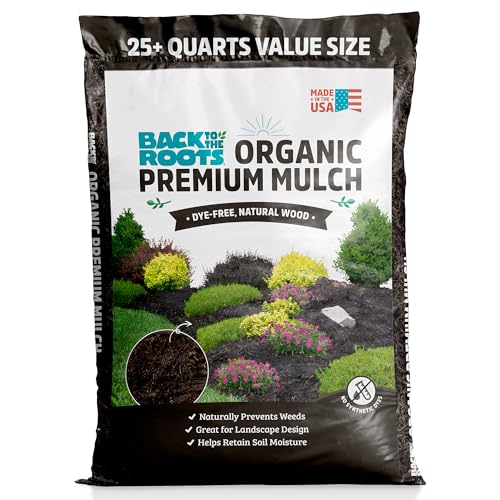
- Check soil moisture and add mulch to keep it cool.
- Harvest vegetables when they are ripe to encourage new growth.

Credit: www.pestrol.com.au
Harvesting Fresh Vegetables
Growing your own vegetables is rewarding. Harvesting at the right time keeps vegetables fresh and tasty.
Proper methods help protect plants and ensure you get the best yield from your garden kit.
Knowing When To Harvest
Each vegetable has a different time to harvest. Watch for color, size, and firmness. Picking too early or late affects taste.
- Tomatoes are best when fully red and firm.
- Carrots should be thick and firm before pulling.
- Leafy greens like spinach taste best when leaves are young and tender.
- Peas are sweeter when pods are plump but before seeds get hard.
Proper Harvesting Methods
Use clean, sharp tools to avoid damaging plants. Cut or twist gently to remove vegetables. Handle with care to avoid bruising.
| Vegetable | Harvest Method | Tools Needed |
| Tomatoes | Twist or cut stem | Pruning shears or hands |
| Carrots | Pull from soil carefully | Hands or garden fork |
| Leafy Greens | Cut leaves at base | Sharp scissors |
| Peas | Snap pods gently | Hands |
Storing Your Produce
Store vegetables properly to keep them fresh longer. Some need refrigeration, while others do better in cool, dry places.
| Vegetable | Storage Method | Storage Time |
|---|---|---|
| Tomatoes | Room temperature, away from sunlight | 3 to 5 days |
| Carrots | Refrigerator in a plastic bag | 2 to 3 weeks |
| Leafy Greens | Refrigerator, wrapped in paper towel | 1 week |
| Peas | Refrigerator in an airtight container | 3 to 5 days |
Troubleshooting Common Issues
Starting a vegetable garden can be very rewarding. Sometimes plants have problems that slow growth or cause damage.
Knowing how to fix common issues helps your garden stay healthy and produce well. This guide covers key problems and easy solutions.
Dealing With Poor Growth
Poor growth often means plants do not get enough light or water. Check if your garden gets at least 6 hours of sun daily.
Too much or too little water can also stop growth. Soil should be moist but not soggy. Make sure pots or beds drain well.
- Move plants to a sunnier spot if needed
- Water plants evenly, avoid overwatering
- Use well-draining soil to prevent root rot
Identifying Nutrient Deficiencies
Plants need nutrients like nitrogen, phosphorus, and potassium to grow. Deficiencies cause yellow leaves or slow growth.
You can use simple leaf color clues to find which nutrient is missing. Add balanced fertilizer to fix most problems.
- Yellow leaves with green veins may mean iron deficiency
- Older leaves turning yellow often show nitrogen lack
- Purple leaves can signal phosphorus shortage
Handling Pests And Weeds
Pests like aphids or caterpillars can eat leaves and damage plants. Weeds compete for water and nutrients.
Check your plants often for bugs or unwanted plants. Remove weeds by hand and use natural pest control methods.
- Spray water to knock off small pests
- Use insecticidal soap for harmful insects
- Pull weeds regularly to keep garden clean
Expanding Beyond The Starter Kit
Starter vegetable garden kits help you begin growing your own food. Once you feel comfortable, you can expand your garden. Growing more plants adds variety and increases your harvest.
This guide will show ways to add more plant types, improve your garden space, and use green gardening methods. These ideas help you enjoy gardening all year.
Adding More Varieties
Try planting different kinds of vegetables and herbs. This keeps your garden interesting and offers many flavors and nutrients.
- Leafy greens like kale and spinach
- Root vegetables such as carrots and radishes
- Herbs like basil, parsley, and mint
- Fruiting plants including peppers and cherry tomatoes
- Flowers that attract pollinators
Upgrading Garden Space
Make your garden larger or more efficient by using new structures. Raised beds and vertical gardens save space. Good layout helps plants get enough sun and air.
| Garden Upgrade | Benefit |
| Raised Beds | Better soil control and drainage |
| Vertical Gardens | Use walls or fences to grow up |
| Container Gardening | Move plants to sunny spots |
| Compost Bins | Recycle waste into rich soil |
Sustainable Gardening Practices
Use methods that protect the environment and keep your garden healthy. These practices reduce waste and save water.
- Collect rainwater to water plants
- Use organic fertilizers and natural pest controls
- Plant native species that need less care
- Rotate crops to keep soil healthy
- Mulch to keep moisture and reduce weeds

Credit: www.amazon.ca
Frequently Asked Questions
What Is Included In A Starter Vegetable Garden Kit?
A starter vegetable garden kit usually contains seeds, soil or growing medium, containers, and planting instructions. It’s designed for beginners to easily grow fresh vegetables at home.
How Do Starter Vegetable Garden Kits Help Beginners?
These kits simplify gardening by providing all essentials and step-by-step guidance. They reduce guesswork and increase the chances of a successful harvest for new gardeners.
Which Vegetables Are Best For Starter Garden Kits?
Easy-to-grow vegetables like lettuce, radishes, tomatoes, and herbs are common in starter kits. They require minimal care and grow quickly, perfect for beginners.
Can Starter Vegetable Garden Kits Be Used Indoors?
Yes, many kits are designed for indoor use. They often include compact containers and suitable soil for growing vegetables on windowsills or small spaces.
Conclusion
Starter vegetable garden kits make growing plants simple and fun. They include everything needed to begin planting right away. These kits save time and reduce guesswork for beginners. Watching your garden grow brings joy and fresh produce to your table.
Small steps lead to big rewards in gardening. Try a starter kit and enjoy the benefits of homegrown vegetables. Gardening can be relaxing and healthy for everyone. Give it a chance and see how easy it can be.