

Do you ever wonder how long you should run your sprinkler to keep your garden healthy without wasting water? Finding the perfect watering time can be tricky.
Too little water, and your plants suffer; too much, and you risk overwatering and higher bills. You’ll discover simple tips to help you figure out the ideal watering duration for your garden. Keep reading, and you’ll learn how to save water, boost your plants’ growth, and make your garden flourish like never before.
Credit: www.lawnstarter.com
Ideal Watering Duration
Knowing how long to water your garden with a sprinkler is important. Watering for the right time helps plants grow healthy.
Watering too little or too much can harm your plants. The ideal watering duration depends on several factors.
Factors Influencing Watering Time
Several things affect how long you should run your sprinkler. These include the soil type and the plants’ needs.
Soil Type And Absorption Rates
Different soils soak up water at different speeds. Sandy soil drains water fast, so it needs more frequent watering.
Clay soil holds water longer but absorbs it slowly. Watering too long on clay can cause puddles or runoff.
- Sandy soil: Water shorter, more often
- Clay soil: Water slower, less often
- Loamy soil: Balanced watering works best
Plant Water Requirements
Different plants need different amounts of water. Some need a lot, while others survive with little.
Vegetables usually need more water than flowers. Native plants often require less watering.
- Vegetables: Water deeply and regularly
- Flowers: Moderate watering works well
- Native plants: Water less often
Best Time To Water
Watering your garden at the right time helps plants grow healthy. It also saves water and avoids waste.
Choosing morning or evening for watering affects how much water your garden keeps. Let’s explore which time works best.
Morning Vs Evening Watering
Watering in the morning lets plants soak up water before the heat starts. This helps roots grow deep and strong.
- Morning watering reduces chances of fungus growth.
- Plants dry faster after watering in the morning.
- Evening watering cools plants but may keep leaves wet overnight.
- Wet leaves overnight increase risk of disease.
Morning watering generally supports plant health better than evening watering.
Avoiding Evaporation Loss
Water evaporates quickly in hot sun or strong wind. This wastes water and leaves plants dry.
| Time of Day | Evaporation Rate | Water Efficiency |
| Early Morning | Low | High |
| Midday | High | Low |
| Evening | Medium | Medium |
Choose early morning watering to reduce evaporation and keep soil moist longer.
Sprinkler Types And Coverage
Watering your garden with a sprinkler needs the right type and coverage. Different sprinklers work best for different garden shapes and sizes. Knowing each sprinkler type helps you save water and keep plants healthy.
This guide explains three common sprinkler types and their coverage areas. It will help you decide how long to water your garden with each one.
Oscillating Sprinklers
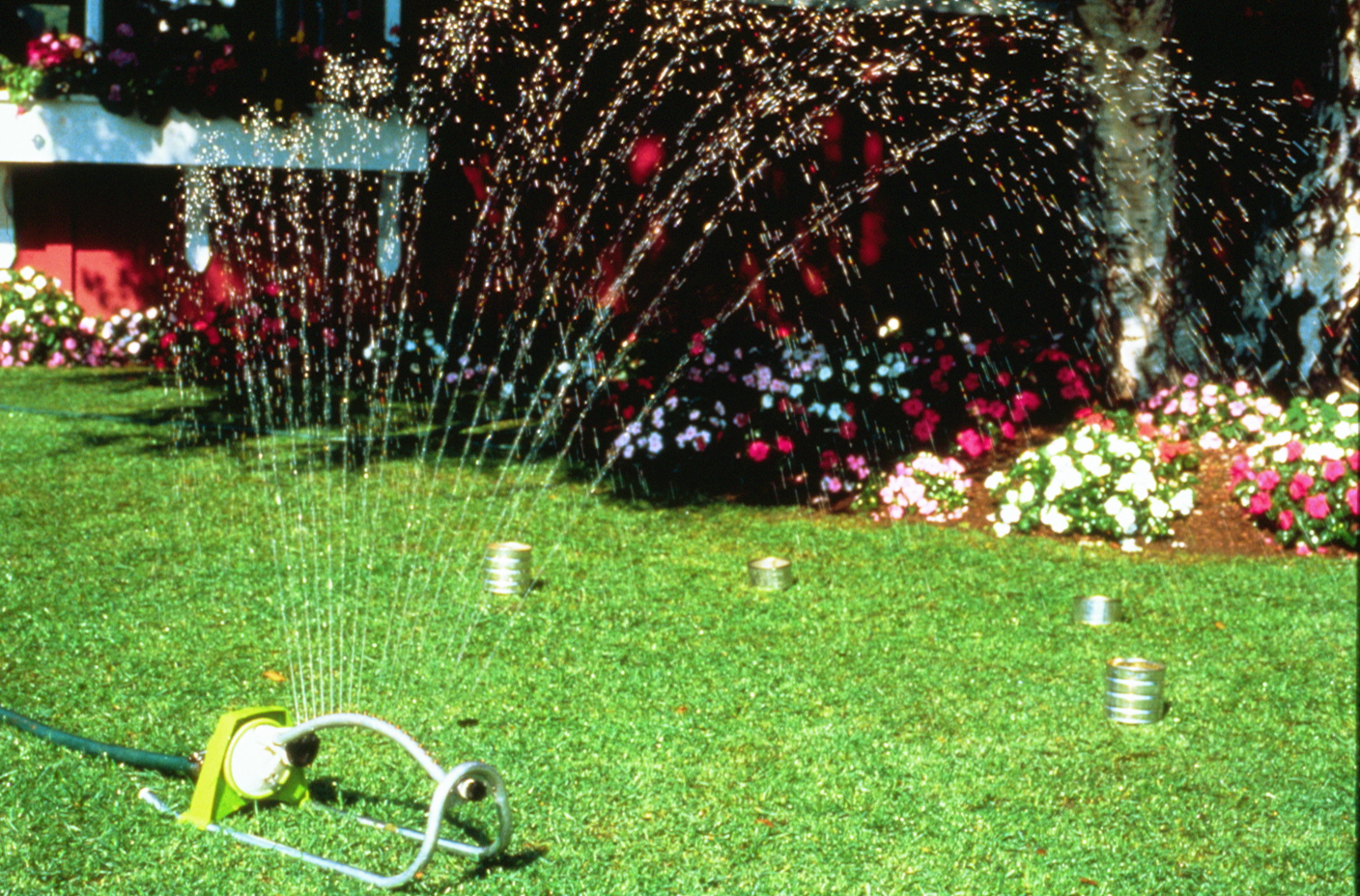
Oscillating sprinklers spray water in a rectangular or square pattern. They work well for medium to large lawns. The sprinkler moves back and forth, covering a wide strip each time.
- Best for flat, even lawns
- Covers long, narrow areas
- Watering time depends on lawn size and water pressure
- Adjust spray width and length for better coverage
Rotary Sprinklers
Rotary sprinklers rotate to water in a circle or part circle. They deliver water slowly and evenly. These sprinklers suit large or irregular garden shapes well.
| Sprinkler Type | Coverage Shape | Typical Coverage Area | Watering Time Range |
|---|---|---|---|
| Rotary Sprinkler | Circle or part circle | 15 to 50 feet radius | 20 to 45 minutes |
Drip Irrigation Systems
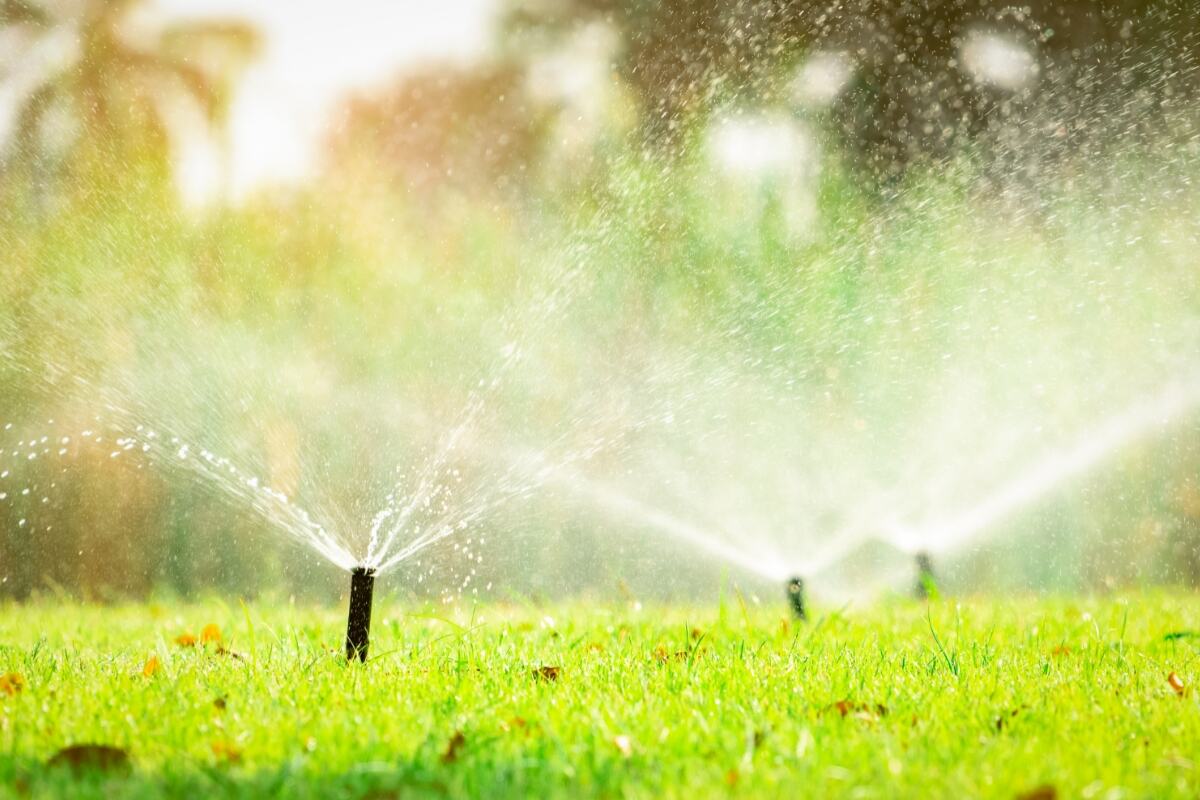
Drip irrigation delivers water directly to plant roots. It uses tubes or hoses with small holes. This system saves water and reduces evaporation.
Drip irrigation watering times depend on:
- Soil type (sandy soils need more frequent watering)
- Plant water needs (vegetables vs. shrubs)
- Flow rate of the drip emitters
Credit: www.savingwater.org
Measuring Water Application
Knowing how long to water your garden with a sprinkler depends on measuring the water applied. Measuring helps avoid overwatering or underwatering.
Using simple tools and calculations, you can find the exact watering time needed for healthy plants.
Using Rain Gauges
Rain gauges collect water to show how much rain or irrigation your garden receives. You can use them to measure sprinkler output.
Place rain gauges in different spots of your garden while the sprinkler runs. Check the water level after a set time.
- Set rain gauges on flat ground
- Run sprinklers for 15 or 30 minutes
- Read water depth in each gauge
- Calculate average water collected
Calculating Water Depth
Water depth means how much water reaches the soil surface. It helps decide the sprinkler run time to meet plant needs.
Use the average depth from rain gauges to find the watering time. For example, if plants need 1 inch of water, divide 1 inch by the average depth per minute.
- Measure water in inches from gauges
- Find average depth per minute
- Calculate total minutes to water desired depth
- Adjust sprinkler time based on calculations
Adjusting For Weather Conditions
Watering your garden with a sprinkler needs to change with weather. Different weather affects how much water your plants need.
Adjusting watering time helps save water and keeps plants healthy. Watch the weather to know when to water more or less.
Rain And Humidity Effects
Rain reduces the need to water your garden. If it rains a lot, cut back on sprinkler time. Too much water can harm plants.
High humidity means the soil stays moist longer. You may need to water less during humid days. Low humidity dries soil faster, so water more.
- Skip watering after heavy rain
- Water less on humid days
- Water more during dry, low humidity
Seasonal Watering Adjustments
Water needs change with the seasons. In spring and fall, plants need less water. Summer heat makes plants thirsty and needs more watering.
Winter usually needs the least watering because plants grow slow. Adjust sprinkler time to match the season and keep plants healthy.
- Water less in spring and fall
- Water more in hot summer months
- Water very little or not at all in winter
Watering Tips For Efficiency
Watering your garden with a sprinkler can save time and effort. Using water wisely helps plants grow healthy and strong.
Knowing how long to water keeps your garden fresh without wasting water or harming plants.
Avoiding Overwatering
Too much water can hurt plants and soil. Overwatering causes root rot and wastes water.
- Water early in the morning to reduce evaporation.
- Check soil moisture before watering again.
- Adjust sprinkler time based on weather and soil type.
- Use a rain sensor to avoid watering after rain.
- Water deeply but less often to encourage strong roots.
Maintenance Of Sprinkler Systems
Keeping your sprinkler system in good shape ensures even water distribution and saves water.
| Maintenance Task | How Often | Why |
| Check for leaks | Monthly | Prevents water waste |
| Clean sprinkler heads | Every 3 months | Ensures proper spray |
| Adjust spray patterns | Seasonally | Avoids watering sidewalks |
| Test water pressure | Yearly | Maintains system efficiency |
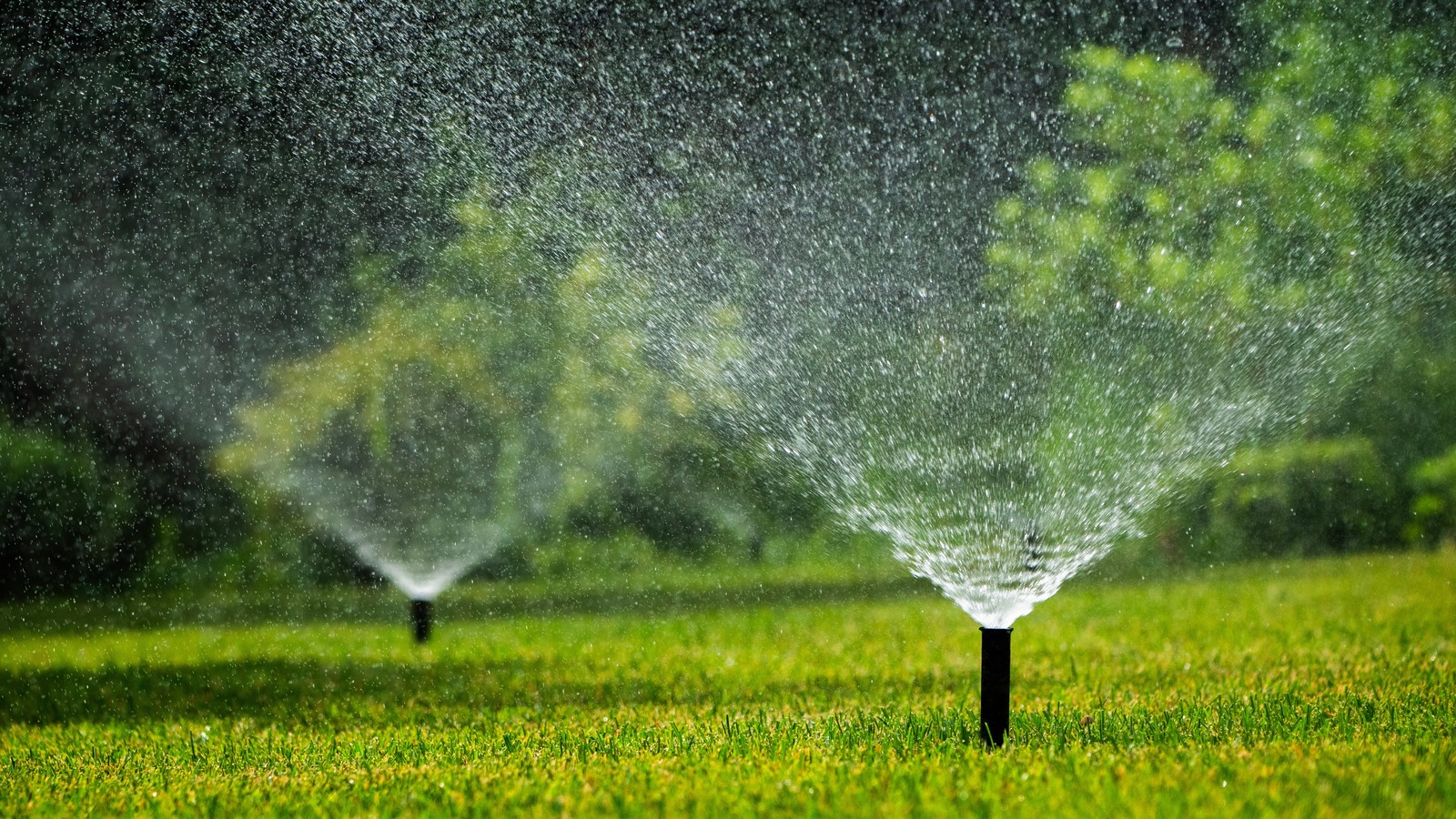
Credit: www.housedigest.com
Frequently Asked Questions
How Often Should I Water My Garden With A Sprinkler?
Water your garden with a sprinkler once or twice a week. This depends on the weather and soil type. Ensure the soil receives about one inch of water per session. This helps maintain healthy plant growth.
What Time Of Day Is Best For Watering?
The best time to water is early morning. This reduces evaporation and allows plants to absorb moisture. Watering in the morning helps prevent fungal diseases. Avoid watering in the evening to reduce mold growth.
How Can I Measure Sprinkler Water Output?
Place a rain gauge or containers around your garden. Run the sprinkler for 15 minutes. Measure the collected water to estimate output. This helps ensure your garden gets the right amount of water.
Can I Overwater My Garden With A Sprinkler?
Yes, overwatering can harm plants by suffocating roots. It can also promote fungal growth and nutrient leaching. Ensure your garden receives the recommended one inch of water weekly. Adjust based on rainfall and plant needs.
Conclusion
Watering your garden with a sprinkler takes care and timing. Most gardens need about 15 to 30 minutes per session. Too little water can hurt plants. Too much water wastes resources and can damage roots. Check soil moisture to know when to stop.
Early morning or late evening is best for watering. This helps water soak in and reduces evaporation. Regular, balanced watering helps your garden stay healthy and green. Simple steps lead to strong plants and a beautiful garden. Keep watching your plants, and adjust watering as needed.