

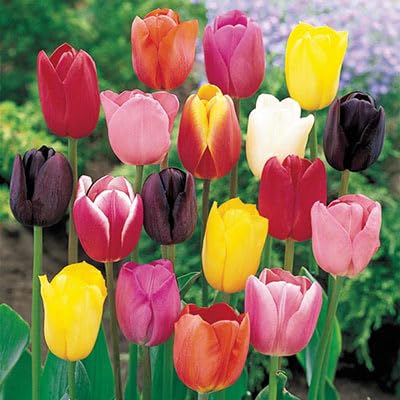

Are you wondering what you can still plant as the leaves start to fall? Your garden doesn’t have to rest just because summer is ending.
In fact, fall is a perfect time to grow fresh, healthy vegetables and flowers that thrive in cooler weather. Imagine harvesting crisp greens, vibrant root vegetables, or beautiful blooms right before winter arrives. Keep reading to discover the best plants for your fall garden and how to make your outdoor space flourish when others are winding down.
Your garden’s next chapter starts now!
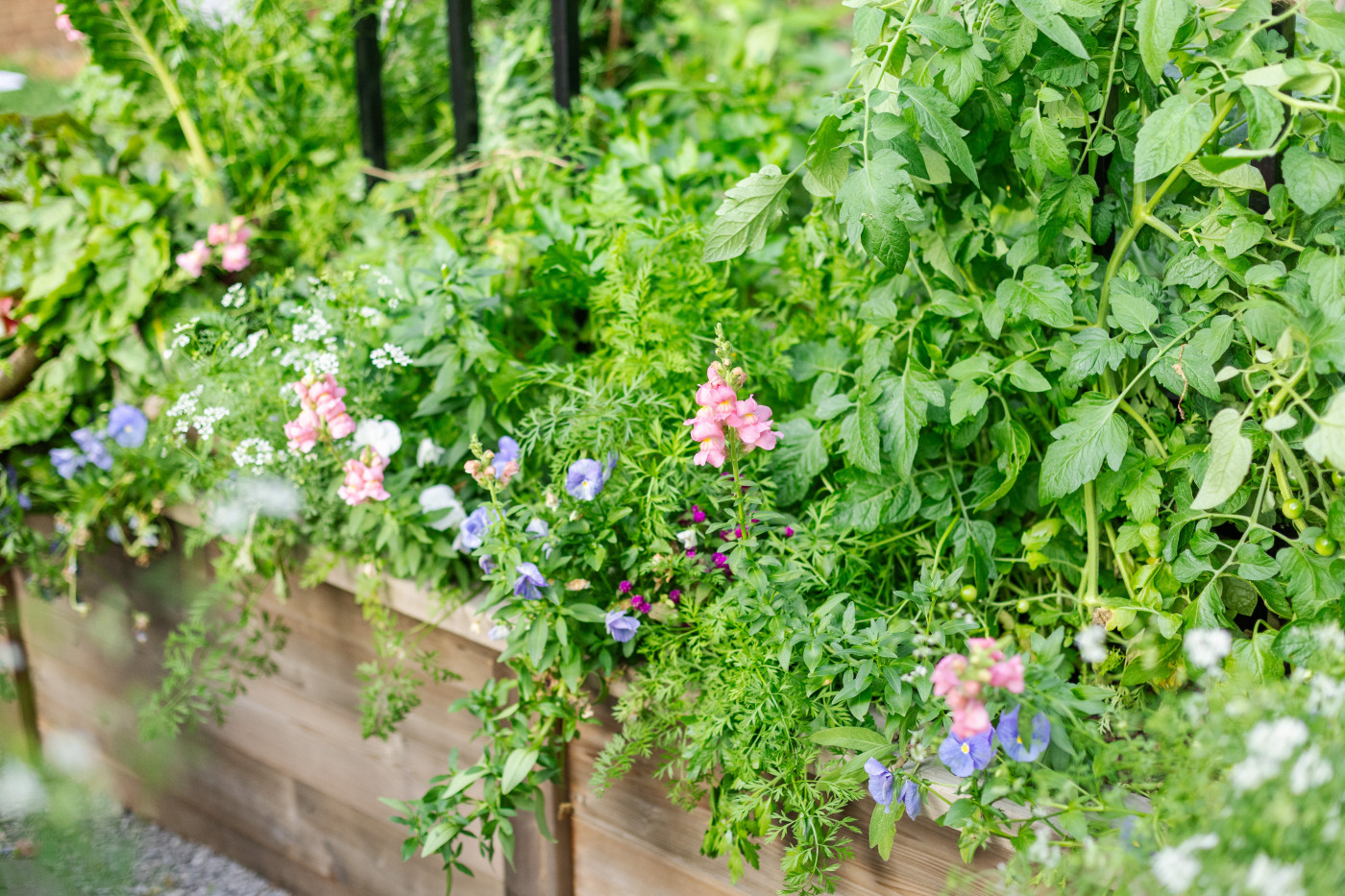
Credit: www.gardenary.com
Benefits Of Fall Gardening
Planting a garden in the fall has many benefits for gardeners. It allows you to grow fresh food and flowers even as the weather cools down.
Fall gardening helps you enjoy your garden longer and can improve the health of your plants. Let’s explore how.
Cooler Temperatures And Plant Growth
Cooler weather in fall is easier on many plants. They grow well without the heat stress of summer.
Plants like lettuce, spinach, and kale thrive in cooler temperatures. They grow faster and taste better.
- Less heat means less water loss from plants
- Roots develop well in cool soil
- Plants stay healthy without heat damage
Extended Harvest Season
Fall planting lets you harvest fresh vegetables later in the year. You can enjoy homegrown food after summer ends.
Some crops grow quickly in fall, giving you more food in less time. This extends your gardening season.
- Harvest leafy greens well into late fall
- Enjoy root vegetables like carrots and beets
- Pick herbs fresh from the garden in cooler months
Pest And Disease Reduction
Fall gardens face fewer pests and diseases. Many bugs slow down or disappear as temperatures drop.
This means your plants are less likely to get sick. You can grow healthy crops with less need for chemicals.
- Lower pest activity in cooler weather
- Reduced spread of common plant diseases
- Less damage means stronger, healthier plants
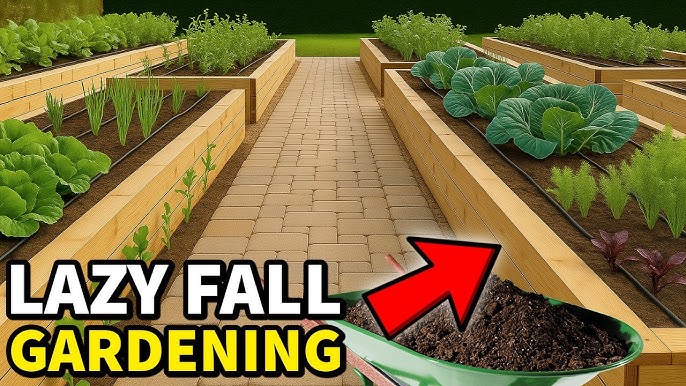
Credit: www.youtube.com
Best Vegetables For Fall Planting
Planting a fall garden can give you fresh vegetables well into the cooler months. Choosing the right vegetables helps you get the best harvest before winter arrives.
Many vegetables grow well in the fall because they prefer cooler temperatures. Let’s explore some of the best choices for your fall garden.
Leafy Greens
Leafy greens thrive in cool weather and grow quickly. They add fresh flavor to salads and cooked dishes alike.
- Spinach
- Kale
- Swiss chard
- Lettuce
- Arugula
Root Vegetables
Root vegetables develop underground and store well after harvest. They often get sweeter as the weather cools.
| Vegetable | Planting Tips |
|---|---|
| Carrots | Plant in loose, sandy soil for straight roots. |
| Beets | Thin seedlings to allow space for roots. |
| Radishes | Grow quickly; harvest before frost. |
| Turnips | Plant early for best texture and flavor. |
Brassicas
Brassicas include many cool-season vegetables. They are rich in vitamins and hold up well in cold weather.
- Broccoli
- Cabbage
- Cauliflower
- Brussels sprouts
- Kohlrabi
Alliums
Alliums have strong flavors and are easy to grow in fall. They store well and add zest to many dishes.
| Allium | Planting Notes |
|---|---|
| Garlic | Plant cloves in late fall for summer harvest. |
| Onions | Choose sets or seedlings for best results. |
| Leeks | Plant seeds early for a long growing season. |
Soil Preparation For Fall
Preparing your soil is key for a successful fall garden. Good soil helps plants grow strong and healthy.
Fall soil preparation improves nutrients and structure for cool-season crops. Start early for best results.
Testing And Amending Soil
Test your soil to know its pH and nutrient levels. This helps you add the right amendments.
Use a simple soil test kit or send a sample to a lab. Follow the instructions carefully.
- Check soil pH to see if it is acidic or alkaline
- Measure nitrogen, phosphorus, and potassium levels
- Add lime to raise pH or sulfur to lower pH if needed
- Use fertilizers based on nutrient deficiencies
Adding Organic Matter
Organic matter improves soil texture and adds nutrients. It also helps soil hold water.
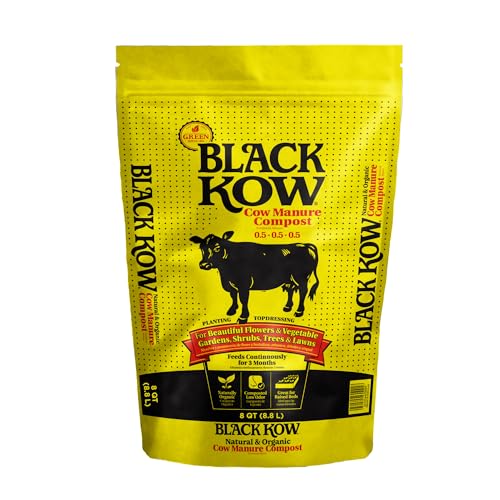
Compost, aged manure, and leaf mold are great choices. Mix them into the soil before planting.
- Spread 2-3 inches of organic matter on the soil surface
- Till or dig the organic matter into the top 6-8 inches of soil
- Organic matter feeds soil microbes and improves soil health
Soil Drainage Tips
Good drainage prevents water from pooling around roots. This stops plant diseases.
Check if your soil drains well after rain. If water stays on top, improve drainage.
- Add sand or fine gravel to heavy clay soils
- Build raised beds for better water flow
- Avoid compacting soil by walking on garden beds
- Use mulch to keep soil surface loose and moist
:max_bytes(150000):strip_icc()/GettyImages-sb10063671m-001-986c908082ca4dd09ad813e6db6492c2.jpg)
Credit: www.realsimple.com
Planting Techniques And Timing
Fall gardening is a great way to grow fresh vegetables and flowers. Picking the right planting time and method helps plants grow strong.
Understanding how to plant seeds and transplants, when to plant, and how to space them will improve your fall garden’s success.
Sowing Seeds Vs. Transplants
Sowing seeds means planting tiny seeds directly into the soil. Transplants are young plants started indoors or bought from a nursery.
Seeds take longer to grow but cost less. Transplants grow faster and give your garden a head start.
- Sow seeds for root vegetables like carrots and radishes.
- Use transplants for leafy greens like lettuce and kale.
- Some plants, like broccoli, can be started from either seeds or transplants.
Ideal Planting Dates
Planting at the right time helps plants grow before cold weather arrives. Check your local frost dates to plan your garden.
Most fall crops should be planted 6 to 8 weeks before the first hard frost. This gives them time to mature.
| Plant | Ideal Planting Time |
|---|---|
| Spinach | 6-8 weeks before frost |
| Carrots | 8-10 weeks before frost |
| Broccoli | Transplants 6 weeks before frost |
| Lettuce | Transplants or seeds 6-8 weeks before frost |
Spacing And Depth Guidelines
Proper spacing helps plants get enough air, light, and nutrients. Planting too close can cause disease and poor growth.
Plant seeds at the depth recommended on the seed packet. Transplants should be planted at the same soil level they grew in the pot.
- Carrots: Space seeds 2-3 inches apart, ¼ inch deep.
- Spinach: Space seeds 3-4 inches apart, ½ inch deep.
- Broccoli transplants: Space 18-24 inches apart, plant at soil level.
- Lettuce transplants: Space 10-12 inches apart, plant at soil level.
Watering And Maintenance
Taking care of your fall garden means paying attention to watering and general upkeep. Cooler months bring changes that affect how much water your plants need.
Proper maintenance helps your plants grow strong and stay healthy through the season.
Irrigation Needs In Cooler Months
In fall, plants need less water than in summer. The soil stays moist longer because temperatures are lower. Overwatering can lead to root problems.
- Check soil moisture before watering.
- Water early in the day to avoid cold, damp nights.
- Use drip irrigation or soaker hoses to save water.
- Reduce watering frequency gradually as temperatures drop.
Mulching Benefits
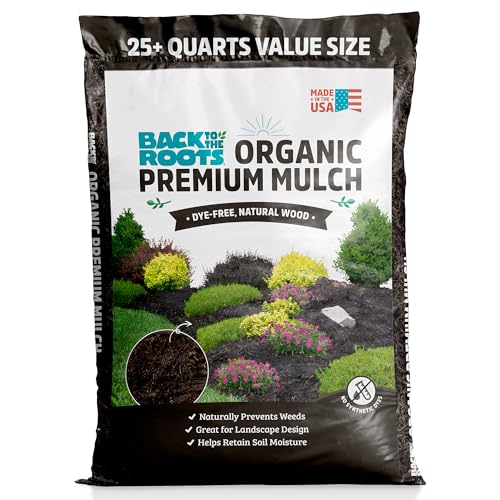
Mulch helps keep the soil warm and moist. It protects plant roots from cold and limits water loss. Mulching also stops weeds from growing.
| Mulch Type | Benefits | Best Use |
| Straw | Keeps soil warm and dry | Vegetable beds |
| Wood chips | Suppresses weeds | Perennial plants |
| Leaves | Adds nutrients as they break down | Flower beds |
Weed And Pest Control
Weeds and pests can harm fall plants. Regular checks help catch problems early. Remove weeds by hand or with tools to stop them from spreading.
Use natural methods to control pests. Encourage helpful insects and use safe sprays only if needed.
- Inspect plants weekly for pests.
- Pull out weeds carefully to keep roots intact.
- Set up barriers or traps for common pests.
- Apply organic insecticidal soap if pests increase.
Harvesting Tips For Fall Vegetables
Fall gardens bring many fresh vegetables to enjoy. Knowing the right time to harvest helps keep them tasty and healthy.
Good harvesting and storing methods make your fall crops last longer. This guide helps you pick and save your vegetables well.
Signs Of Readiness
Look for clear signs that your vegetables are ready to pick. Size, color, and firmness are good clues to check.
For example, carrots should be thick and bright orange. Leafy greens like kale look full and crisp. Squash skins get hard and dull when ready.
- Check vegetable size against seed packet info
- Look for mature color and firm texture
- Avoid harvesting too early or too late
Proper Harvesting Methods
Use sharp tools to harvest fall vegetables. Clean cuts help plants stay healthy and grow more next season.
Handle vegetables gently to avoid bruising. Pick in the morning when it is cool for best flavor and freshness.
- Use scissors or garden shears for leafy greens
- Pull root vegetables carefully from soil
- Cut squash and pumpkins from vines with a knife
- Harvest regularly to encourage new growth
Storing And Preserving
Store fall vegetables properly to keep them fresh longer. Cool, dark places work best for most crops.
Freezing and pickling are good ways to preserve extra vegetables. Drying some types also keeps them for months.
- Refrigerate leafy greens in plastic bags with air holes
- Keep root vegetables in a cool, dry root cellar
- Freeze peas and beans after blanching
- Pickle cucumbers and peppers for longer storage
- Dry herbs and some vegetables for later use
Common Challenges And Solutions
Planting a fall garden brings special challenges. Cooler temperatures and changing daylight affect plant growth.
Wildlife can also harm your plants. Knowing how to handle these issues helps your garden thrive.
Frost Protection Strategies
Frost can damage many fall crops. Protect plants with covers and proper timing.
- Use row covers or frost blankets to keep plants warm at night.
- Mulch soil to keep roots insulated.
- Plant frost-tolerant crops like kale and spinach.
- Harvest crops before heavy frost hits.
Dealing With Shorter Daylight
Shorter days reduce sunlight, slowing plant growth. Choose crops that grow well with less light.
| Crop | Days to Harvest | Light Needs |
| Radishes | 25-30 | Low to Medium |
| Leaf Lettuce | 30-45 | Low |
| Carrots | 60-70 | Medium |
| Broccoli | 50-70 | Medium |
Managing Wildlife
Animals can eat or damage your fall plants. Use barriers and deterrents to protect them.
- Install fencing to keep deer and rabbits out.
- Use netting to protect fruit and vegetables.
- Place natural repellents like garlic or chili sprays around plants.
- Remove fallen fruit and debris to reduce pests.
Frequently Asked Questions
What Vegetables Grow Best In Fall?
Cool-season vegetables like kale, spinach, and broccoli thrive in fall gardens. They are frost-tolerant and prefer cooler temperatures. Root vegetables such as carrots and beets also do well. Planting these ensures a bountiful harvest before winter sets in.
Can I Plant Flowers In The Fall?
Yes, fall is perfect for planting certain flowers. Perennials like mums and pansies flourish in cooler weather. Bulbs such as tulips and daffodils should be planted for spring blooms. These flowers establish roots in fall and bloom beautifully come springtime.
What Herbs Can I Grow In Fall?
Herbs like cilantro, parsley, and chives are ideal for fall planting. They thrive in cooler temperatures and require minimal maintenance. These herbs can be harvested throughout the fall, adding fresh flavors to your dishes even as the weather cools.
Is It Too Late To Plant In October?
No, October is suitable for planting certain crops. Many cool-season vegetables and flowers can still be planted. Focus on frost-tolerant varieties like lettuce and spinach. With the right choices, you can enjoy a productive fall garden even in October.
Conclusion
Fall gardens offer many planting choices for fresh food and color. Cool-weather crops like spinach, carrots, and kale grow well this season. Planting now helps you enjoy a harvest before winter arrives. Preparing soil and choosing the right seeds ensures strong plants.
Keep watering and caring for your garden regularly. Small efforts bring great rewards in the fall garden. Start planting soon to enjoy a healthy, vibrant garden this autumn. Gardening in fall can be simple, fun, and rewarding. Give your garden a chance to thrive this season!