

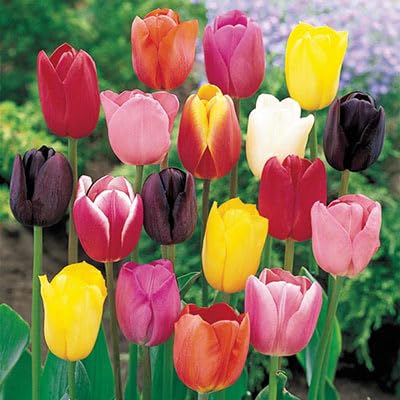

Are you wondering what to plant in your garden but feel overwhelmed by all the choices? You’re not alone.
Picking the right plants can make your garden thrive and become a place you love to spend time in. Whether you want vibrant flowers, fresh vegetables, or low-maintenance greenery, the right plants can turn your space into a personal paradise.
Keep reading, and you’ll discover simple tips and smart ideas that will help you choose plants perfectly suited to your garden and lifestyle. Your dream garden is closer than you think!
Choosing Plants For Your Garden
Choosing the right plants is key for a thriving garden. Think about your space and conditions before planting.
This guide helps you pick plants that fit your garden’s needs and your goals.
Assessing Your Garden Space
Look at how much space you have and what parts get sun or shade. Measure your garden and note sunny spots.
- Check sunlight hours per day
- Note shaded areas
- Measure soil depth and width
- Look for space to grow tall or wide plants
Considering Climate And Soil
Your climate and soil type affect plant growth. Know your zone and soil texture before planting.
| Factor | What to Check |
| Climate Zone | Temperature ranges and frost dates |
| Soil Type | Clay, sandy, loamy, or rocky |
| Drainage | How fast water drains from soil |
| pH Level | Acidic, neutral, or alkaline soil |
Selecting Plants By Purpose
Choose plants that fit your garden’s goals. Decide if you want flowers, food, or shade.
- Flowers for color and fragrance
- Vegetables and herbs for cooking
- Trees and shrubs for shade and privacy
- Ground cover to reduce weeds

Credit: www.holokahome.com
Best Flowers For Vibrant Color
Choosing flowers with bright colors can make your garden lively and cheerful. Vibrant blooms attract attention and bring joy to any outdoor space.
Some flowers bloom all season, while others add color for a short time. Picking the right mix will give your garden beautiful color throughout the year.
Perennials For Long-lasting Blooms
Perennials come back every year and often bloom for many weeks. They need less care once planted and provide steady color in your garden.
Popular perennials with bright colors include coneflowers, daylilies, and black-eyed Susans. These flowers attract butterflies and bees.
- Coneflowers: Pink, purple, and orange shades
- Daylilies: Wide range of bright colors
- Black-eyed Susans: Yellow petals with dark centers
- Coreopsis: Golden yellow blooms
- Lupines: Tall spikes in blue and purple
Annuals For Seasonal Variety
Annuals bloom for one season but often have very bright colors. They let you change your garden’s look every year.
These flowers are easy to grow from seed or small plants. Common annuals include marigolds, petunias, and zinnias.
- Marigolds: Bright orange and yellow flowers
- Petunias: Many colors including pink, purple, and white
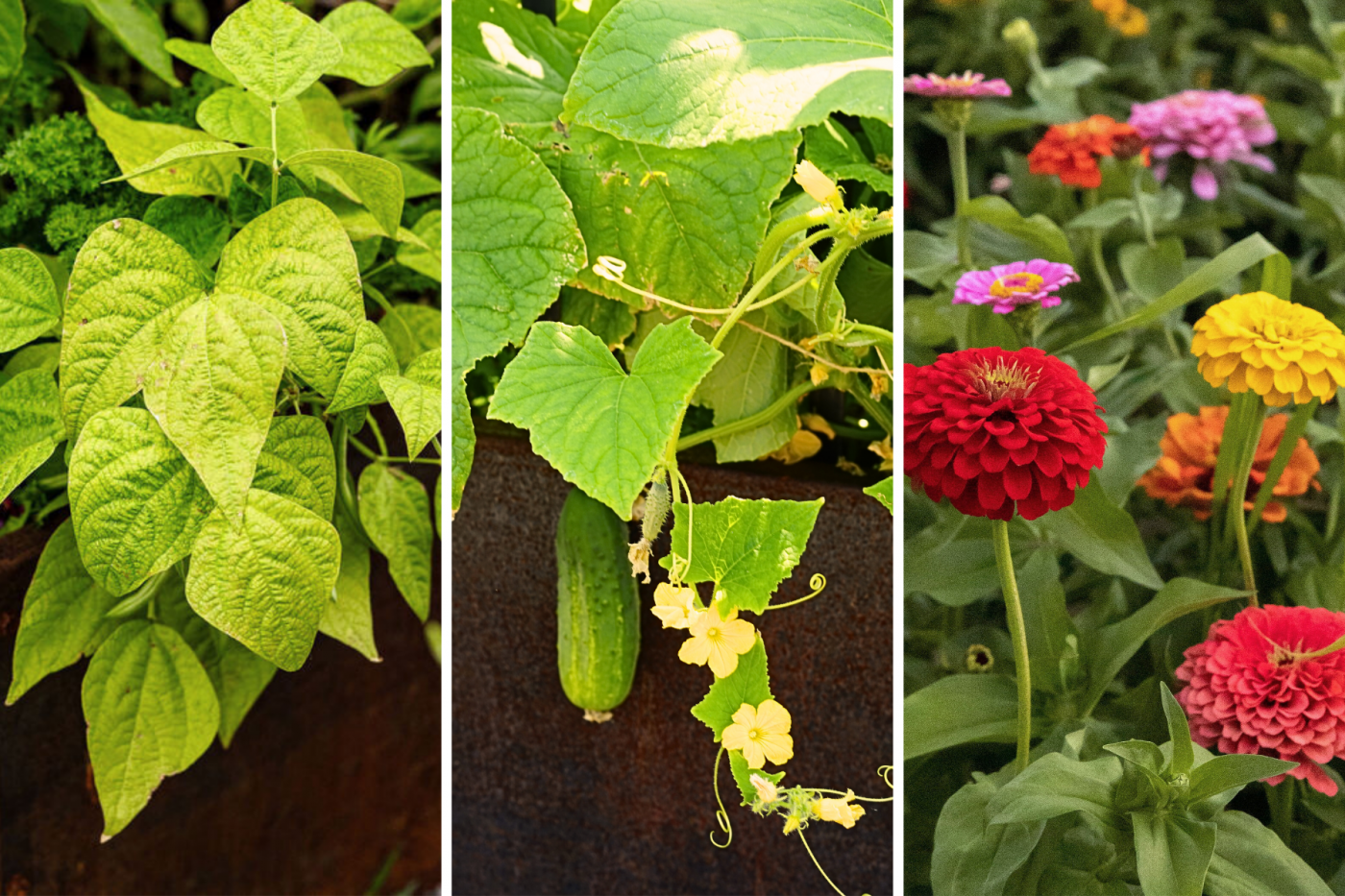
- Zinnias: Bold reds, pinks, and oranges
- Impatiens: Shade-loving with vibrant colors
- Geraniums: Red, pink, and white blooms
Native Flowers For Easy Care
Native flowers grow well in your local climate. They need less water and care but still add bright colors to your garden.
Using native plants helps local wildlife like birds and pollinators. Some colorful native flowers are bee balm, goldenrod, and milkweed.
- Bee Balm: Red, pink, or purple flowers that attract hummingbirds
- Goldenrod: Bright yellow blooms in late summer
- Milkweed: Pink or orange flowers important for butterflies
- Wild Indigo: Blue-purple flowers with a bushy look
- Black-eyed Susan: Native bright yellow with dark centers
Fruits And Vegetables To Grow
Growing your own fruits and vegetables is a fun way to enjoy fresh food. You can start with plants that are easy to grow and fit your space.
Choose plants based on your garden size and the flavors you like in your meals. This guide helps you pick the right ones.
Easy-to-grow Vegetables
Some vegetables grow well even if you are a beginner. They need little care and give good results quickly.
These vegetables do well in most gardens and are great for fresh cooking.
- Tomatoes
- Lettuce
- Carrots
- Radishes
- Zucchini
- Green beans
Fruit Plants For Small Spaces
You do not need a big garden to grow fruit. Some fruit plants grow well in pots or small areas.
Choose compact plants that produce tasty fruits without taking much room.
- Strawberries
- Dwarf citrus trees
- Blueberry bushes
- Raspberries
- Fig trees (dwarf varieties)
Herbs For Flavorful Cooking
Fresh herbs add great taste to your dishes. Many herbs grow easily in small pots or garden beds.
Growing your own herbs means fresh flavor all year round.
- Basil
- Parsley
- Mint
- Rosemary
- Thyme
- Cilantro
Credit: www.gardenary.com
Plants For Attracting Wildlife
Creating a garden that attracts wildlife helps support nature near your home. Plants that provide food and shelter invite birds, bees, and butterflies.
Choosing the right flowers, shrubs, and water features makes your garden lively and healthy for many creatures.
Flowers That Draw Pollinators
Bright flowers with nectar attract bees, butterflies, and hummingbirds. These pollinators help plants reproduce and keep your garden growing strong.
- Sunflowers
- Lavender
- Milkweed
- Bee balm
- Black-eyed Susan
Shrubs For Birds And Beneficial Insects
Shrubs offer food and safe places for birds and helpful insects. They provide berries, seeds, and shelter during different seasons.
| Shrub | Benefit | Attracts |
| Serviceberry | Produces berries | Birds |
| Holly | Year-round shelter | Birds |
| Buttonbush | Flowers for insects | Bees and butterflies |
| Viburnum | Berries and flowers | Birds and insects |
Water Features And Aquatic Plants
Water attracts frogs, dragonflies, and birds. Aquatic plants keep water clean and provide food and shelter.
Try adding these plants near your water feature:
- Cattails
- Water lilies
- Pickerelweed
- Duckweed
Low-maintenance Plant Choices
Choosing the right plants can make gardening easier and more enjoyable. Low-maintenance plants save time and effort.
This guide highlights plants that need less water, grow slowly, or resist pests well. These choices fit many gardens.
Drought-tolerant Plants
Drought-tolerant plants survive with little water. They keep your garden green even in dry seasons.
- Lavender
- Succulents like Sedum and Aloe
- Russian Sage
- Yarrow
- Agave
Slow-growing Shrubs
Slow-growing shrubs need less pruning and trimming. They keep their shape longer and require less work.
| Shrub | Growth Rate | Care Tips |
| Boxwood | Slow | Trim once a year |
| Holly | Slow | Water deeply, less often |
| Juniper | Slow | Full sun, well-drained soil |
Plants Resistant To Pests
Plants that resist pests need fewer chemicals. They stay healthy with less care.
- Marigolds repel many insects and are easy to grow.
- Catmint attracts pollinators and keeps bugs away.
- Chrysanthemums contain natural insecticides.
:max_bytes(150000):strip_icc()/GettyImages-1180062139-ce4e4e8133144edd9b1bcf7b601ec70b.jpg)
Credit: www.thespruce.com
Design Tips For A Thriving Garden
Choosing what to plant in your garden is exciting. Good design helps your garden grow strong and look beautiful.
Think about colors, space, and seasons. These tips will help your garden thrive and stay interesting all year.
Combining Colors And Textures
Use different colors to make your garden bright and lively. Mix soft and rough leaf textures for variety.
Choose plants with leaves and flowers that look good together. This keeps your garden interesting to see and touch.
- Pair dark green leaves with light-colored flowers
- Use plants with smooth and fuzzy leaves side by side
- Add bright flowers to green shrubs for contrast
- Mix tall plants with low ground covers
Planning For Seasonal Interest
Pick plants that bloom in different seasons. This way, your garden looks nice year-round.
Add plants with colorful leaves for fall and evergreens for winter. Change the garden’s look as the months pass.
- Spring bulbs like tulips and daffodils
- Summer flowers such as marigolds and zinnias
- Fall plants with red or orange leaves
- Winter evergreens like pine or holly
Maximizing Space With Vertical Gardening
Use walls, fences, or trellises to grow plants up. This saves ground space for other plants.
Vertical gardens can hold flowers, herbs, or vegetables. It works well for small yards or patios.
- Grow climbing plants like beans or peas
- Use hanging pots for herbs
- Build shelves for pots of flowers
- Attach planters to fences for more space
Frequently Asked Questions
What Vegetables Should I Plant In My Garden?
Consider planting tomatoes, carrots, and lettuce. These vegetables are easy to grow and maintain. They thrive in most climates and provide a fresh, home-grown taste. Ensure you have well-drained soil and adequate sunlight. With proper care, your vegetable garden will yield a bountiful harvest.
What Flowers Grow Best In A Home Garden?
Roses, sunflowers, and marigolds are excellent choices for a garden. They add vibrant colors and fragrances. These flowers are relatively easy to maintain and attract beneficial insects like bees. Make sure to plant them in sunny spots with well-drained soil for optimal growth.
How Do I Choose Plants For My Garden?
Consider your garden’s climate, soil type, and sunlight exposure. Choose plants that thrive in your conditions. Research the maintenance needs and growth habits of each plant. Opt for a mix of perennials and annuals to ensure blooms throughout the season.
When Is The Best Time To Plant Seeds?
The best time depends on your local climate. Generally, spring and fall are ideal for planting. In spring, the soil warms up, encouraging seed germination. In fall, cooler temperatures help establish roots. Always check the seed packet for specific planting instructions.
Conclusion
Choosing plants for your garden depends on your space and climate. Pick plants that grow well in your area and suit your needs. Start small with easy-to-grow flowers or vegetables. Watch how your garden changes with each season. Enjoy the process of planting and caring for your garden.
Every plant adds beauty and life to your outdoor space. Gardening brings peace and joy to your daily routine. Keep learning and trying new plants to find what works best. Your garden can become a place you love and nurture.