

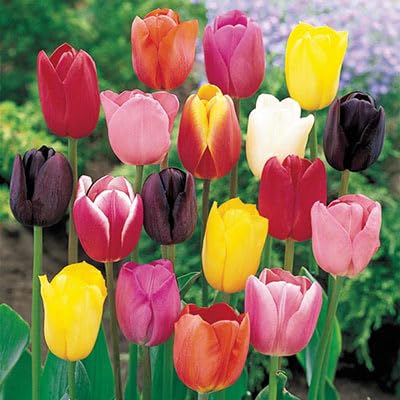

Are you ready to transform your raised garden into a thriving oasis? Choosing the right plants can make all the difference between a flourishing garden and a frustrating patch of soil.
Whether you want vibrant flowers, fresh vegetables, or fragrant herbs, knowing what to plant will save you time and effort. You’ll discover easy-to-grow options that suit raised beds perfectly. Keep reading, and you’ll find simple tips to help your garden flourish like never before.
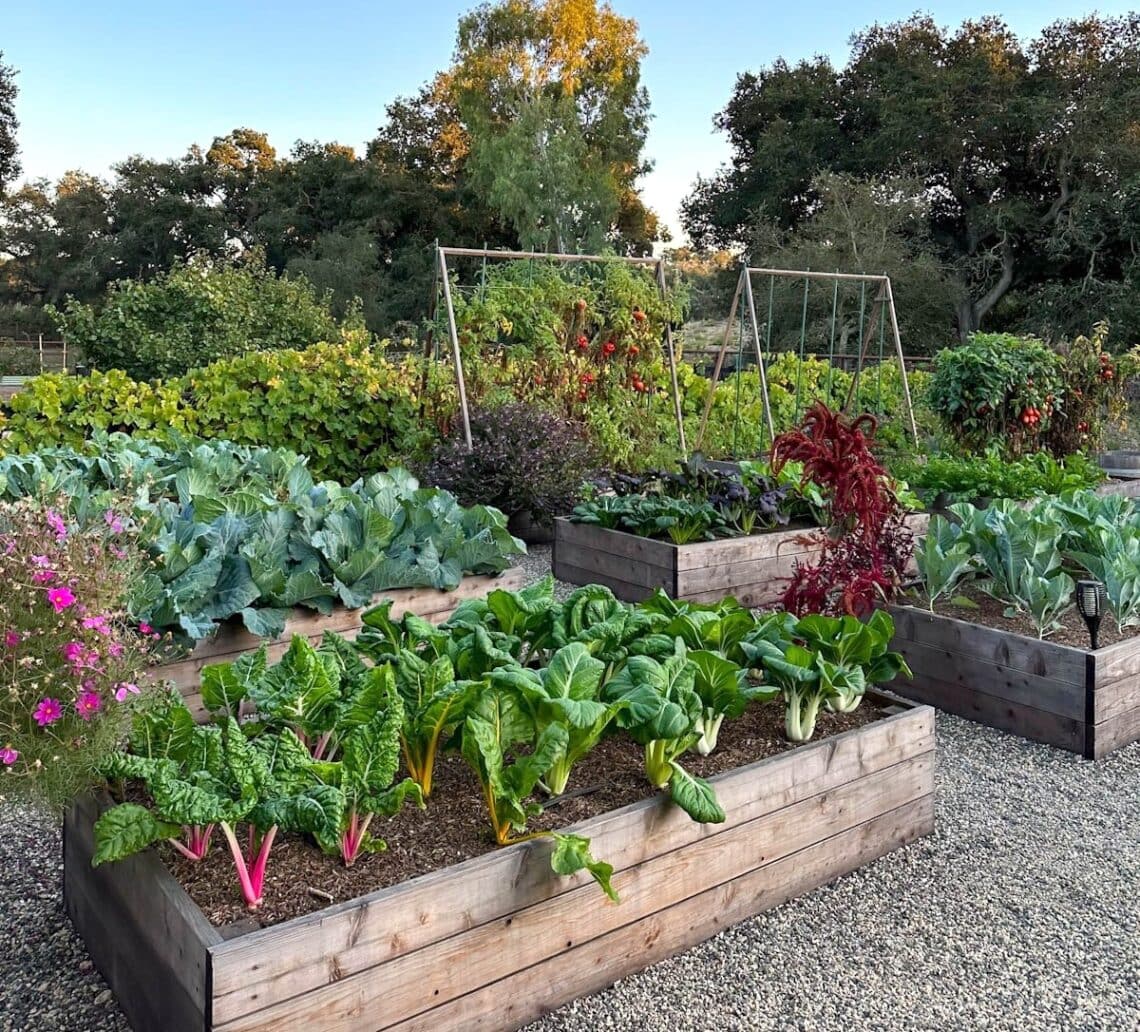
Credit: homesteadandchill.com
Benefits Of Raised Garden Beds
Raised garden beds are a popular choice for many gardeners. They offer many benefits that help plants grow better.
These beds make gardening easier and more productive. Let’s look at some key advantages.
Improved Soil Drainage
Raised beds allow water to drain away quickly. This prevents water from pooling around roots.
Good drainage helps plants avoid root rot and other water-related problems. It keeps soil moist but not soggy.
Enhanced Soil Quality
You can fill raised beds with the best soil mix. This gives plants the nutrients they need to grow strong.
It is easier to control soil quality in raised beds than in the ground. You can add compost or fertilizers as needed.
Pest And Weed Control
Raised beds help reduce weeds because soil is fresh and less compacted. Weeds find it harder to grow here.
They also make pest control easier. You can add barriers or covers to protect plants from insects and animals.
- Less weed growth
- Easy to spot pests early
- Simple to add protective covers
Extended Growing Season
Raised beds warm up faster in spring than ground soil. This lets you plant earlier in the season.
The soil stays warmer longer in fall, too. This means you can grow plants later into the year.
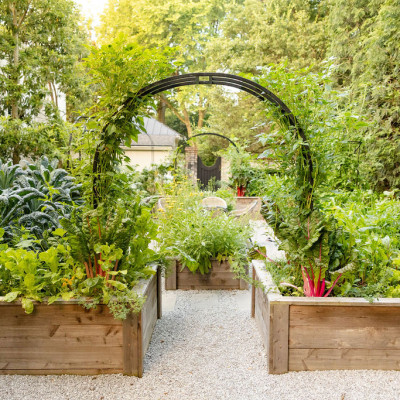
Credit: www.gardenary.com
Best Vegetables For Raised Beds
Raised garden beds give plants good soil and space to grow. Choosing the right vegetables helps you get the best harvest. Some plants do very well in raised beds because of their root and space needs.
This guide shows the best vegetables to plant in raised beds. It covers leafy greens, root vegetables, nightshades, and legumes. Each group has easy-to-grow options for your garden.
Leafy Greens
Leafy greens grow fast and like rich, loose soil in raised beds. They take up little space and can be harvested several times. These vegetables are great for fresh salads and cooking.
- Lettuce
- Spinach
- Kale
- Swiss chard
- Arugula
Root Vegetables
Raised beds help root vegetables by giving them loose soil to grow straight and long. They need deep soil to develop well. These veggies are nutritious and store well after harvest.
- Carrots
- Beets
- Radishes
- Turnips
- Parsnips
Nightshades
Nightshades like warm soil and good drainage, both easy to provide in raised beds. They need space and sunlight to produce fruit. These vegetables are popular for many recipes.
- Tomatoes
- Peppers
- Eggplants
Legumes
Legumes fix nitrogen in the soil, helping other plants grow. Raised beds give them good air circulation and drainage. These vegetables add protein and fiber to meals.
- Green beans
- Peas
- Lima beans
Top Fruits To Grow
Raised gardens are great for growing fruits. They give plants good soil and drainage.
Choosing the right fruits helps you get a better harvest in small spaces.
Strawberries
Strawberries grow well in raised beds. They need full sun and well-drained soil.
You can plant them close together to save space. They produce sweet, juicy berries.
- Choose everbearing varieties for longer harvest
- Keep soil moist but not wet
- Protect from birds with netting
Blueberries
Blueberries like acidic soil, which you can control in a raised garden.
They need full sun and space to spread. Raised beds keep roots healthy.
- Use special blueberry soil mix or add peat moss
- Water regularly for best fruit
- Mulch to keep roots cool
Dwarf Fruit Trees
Dwarf fruit trees fit well in raised gardens. They stay small but produce fruit.
These trees include apples, peaches, and pears. They need strong support and space.
- Choose dwarf varieties labeled for small spaces
- Plant where they get full sun
- Use stakes or cages for support
Melons
Melons grow quickly in raised beds with warm soil. They need plenty of sun.
Space vines well and provide a trellis to save room. Keep soil moist.
- Choose small melon varieties for raised beds
- Train vines on trellis to save space
- Harvest when melons smell sweet
Herbs That Thrive
Raised gardens offer great soil and drainage. This makes them perfect for growing herbs. Many herbs grow well in these conditions and stay healthy.
Choosing the right herbs helps you enjoy fresh flavors all season. Let’s look at some herbs that do well in raised gardens.
Basil And Parsley
Basil grows best in warm, sunny spots. It needs well-drained soil and regular watering. Basil leaves add fresh taste to many dishes.
Parsley prefers cooler spots but also likes good soil drainage. It grows well in partial shade. Parsley is a great herb for salads and soups.
Thyme And Oregano
Thyme is a hardy herb that grows well in raised beds. It likes full sun and dry soil. Thyme is perfect for seasoning meats and vegetables.
Oregano also thrives in sunny spots with well-drained soil. It spreads quickly, so give it enough space. Oregano is often used in Italian and Greek cooking.
Mint Varieties
Mint grows fast and prefers moist soil with some shade. It can take over a garden, so raised beds help control it. Different mint types add fresh flavor to drinks and desserts.
- Spearmint – mild and sweet taste
- Peppermint – strong and cooling flavor
- Chocolate mint – mint with a chocolate scent
Perennial Herbs
Perennial herbs come back every year, making them good for raised gardens. They need good soil and sunlight to thrive. You can harvest them season after season.
- Rosemary – woody stems and pine scent
- Sage – soft leaves with strong flavor
- Chives – onion-flavored leaves and flowers
Flowers For Companion Planting
Companion planting uses flowers to help vegetables grow better. Flowers attract helpful insects and keep pests away.
Choosing the right flowers for your raised garden improves plant health and yields. Some flowers work better than others.
Marigolds
Marigolds repel many garden pests like nematodes and aphids. Their strong smell keeps harmful insects away from vegetables.
Plant marigolds near tomatoes, peppers, and beans to protect them naturally. They also add bright color to your garden.
Nasturtiums
Nasturtiums attract aphids away from other plants. They act as a trap crop to protect your vegetables.
These flowers also attract pollinators like bees. Plant nasturtiums near cucumbers, cabbage, and radishes.
Calendula
Calendula flowers attract beneficial insects such as ladybugs and hoverflies. These insects eat many garden pests.
Use calendula near lettuce, carrots, and tomatoes. They help improve soil health and pest control.
Sunflowers
Sunflowers provide shade for smaller plants in hot weather. Their tall stems also attract pollinators.
Plant sunflowers near beans and corn. They help these plants climb and improve growth.
Soil Preparation Tips
Preparing soil well is key to a healthy raised garden. Good soil helps plants grow strong.
Learn how to pick soil, add nutrients, and keep moisture for the best results.
Choosing The Right Soil Mix
Use a light, loose soil mix for raised beds. It lets roots breathe and water drain well.
Mix equal parts of garden soil, compost, and coarse sand or perlite for best texture.
- Garden soil adds structure and minerals
- Compost supplies nutrients and organic matter
- Sand or perlite improves drainage and aeration
Adding Compost And Fertilizers
Compost enriches soil with nutrients and helps soil hold moisture. Add it before planting.
Use balanced fertilizers to support plant growth. Follow package instructions for amounts.
- Spread 2-3 inches of compost on soil surface
- Mix compost into the top 6-8 inches of soil
- Apply slow-release fertilizer for steady feeding
- Test soil pH to adjust nutrients if needed
Maintaining Soil Moisture
Keep soil moist but not soggy. Water regularly, especially in dry weather.
Mulch helps keep soil damp and stops weeds from growing.
- Water early in the morning or late afternoon
- Use drip irrigation or soaker hoses to save water
- Apply 2-3 inches of mulch like straw or wood chips
- Check soil moisture by feeling the soil surface
Planting And Spacing Guidelines
Proper planting and spacing help plants grow strong in a raised garden. Good space lets roots grow and air flow well. This stops diseases and keeps plants healthy.
Choosing between seeds and transplants, spacing rows and beds, and timing your plants are all key. These steps make sure your garden grows well and produces more.
Seed Starting Vs Transplants
Starting seeds inside lets you control the environment. It gives plants a head start before putting them outside. Transplants are young plants bought from a nursery. They save time but cost more.
- Seed starting takes longer but is cheaper.
- Transplants grow faster once planted outdoors.
- Some plants do better as transplants, like tomatoes.
- Leafy greens often do well when started from seed.
Row And Bed Spacing
Give each plant enough room to grow. Crowded plants compete for water and nutrients. Proper spacing lets you move easily between rows for care and harvest.
| Plant | Row Spacing | Plant Spacing |
|---|---|---|
| Carrots | 12 inches | 3 inches |
| Tomatoes | 24 inches | 18 inches |
| Beans | 18 inches | 4 inches |
| Lettuce | 12 inches | 6 inches |
Succession Planting
Succession planting means planting crops in intervals. This keeps your garden producing food all season long. It also spreads out your harvest.
- Plant new seeds every 2 to 3 weeks.
- Use quick-growing crops like radishes and spinach.
- Replace finished crops with new ones in the same space.
- Plan for cool and warm season plants to avoid gaps.
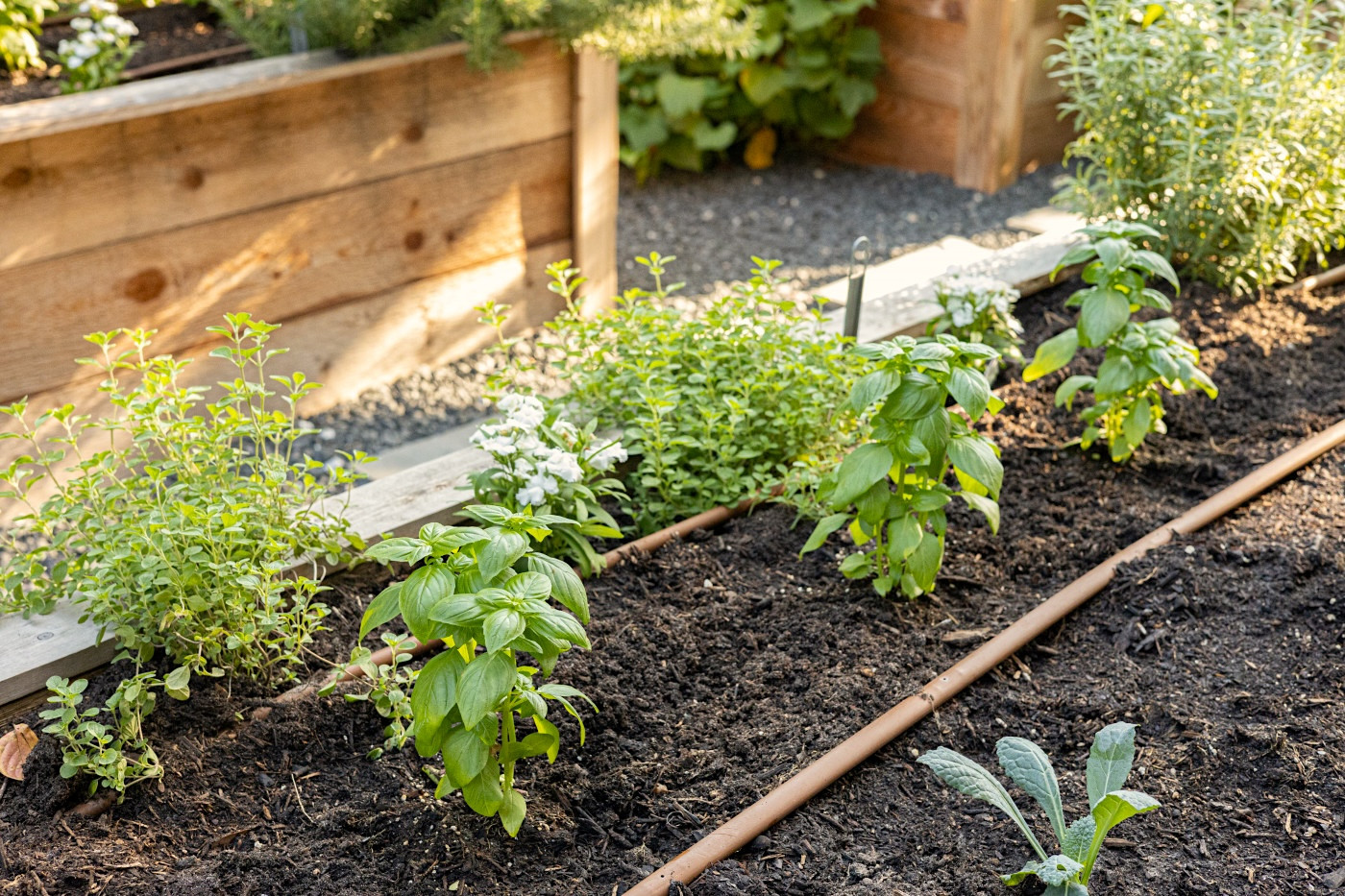
Credit: www.gardenary.com
Watering And Maintenance
Growing plants in a raised garden needs regular care. Watering and maintenance keep plants healthy and strong.
Proper watering and good upkeep help plants grow better and produce more food.
Irrigation Techniques
Watering raised gardens needs care to avoid too much or too little water. Use drip irrigation to save water.
Drip irrigation sends water directly to the roots. It reduces water waste and helps plants stay moist.
- Use soaker hoses or drip lines for slow watering
- Water early in the morning or late in the evening
- Check soil moisture before watering again
- Avoid watering leaves to prevent diseases
Mulching Benefits
Mulch is a layer of material on top of the soil. It keeps soil moist and cool for plants.
Mulching stops weeds from growing and protects plants from temperature changes.
- Use straw, wood chips, or leaves as mulch
- Apply mulch around plants but not on stems
- Replenish mulch each season to keep benefits
Pest And Disease Management
Keep pests and diseases away to protect your raised garden. Check plants often for signs of trouble.
Use natural ways to control pests like handpicking and organic sprays.
- Remove damaged or diseased leaves quickly
- Encourage helpful insects like ladybugs
- Keep garden clean to reduce pest hiding spots
- Rotate crops to prevent soil diseases
Frequently Asked Questions
What Vegetables Grow Best In Raised Gardens?
Vegetables like tomatoes, carrots, and lettuce thrive in raised gardens. Their improved soil drainage and aeration enhance growth. Raised beds allow for better control over soil quality and temperature. This makes them ideal for growing a variety of vegetables. Regular watering and sunlight will maximize their productivity.
How Do I Start A Raised Garden?
Begin by selecting a sunny location. Build a bed with wood or stone, ensuring it’s at least 12 inches deep. Fill it with high-quality soil mix. Choose plants suited for your climate and season. Water regularly and ensure proper drainage.
This will create an optimal environment for your plants.
What Herbs Can I Plant In A Raised Bed?
Herbs like basil, rosemary, and thyme flourish in raised beds. These herbs benefit from the well-drained soil and controlled environment. Raised beds also allow for easy access and maintenance. Regular pruning will encourage bushier growth. With proper care, you’ll have fresh herbs throughout the growing season.
Are Raised Gardens Suitable For Flowers?
Yes, raised gardens are perfect for flowers. They offer excellent drainage and soil quality. Flowers like marigolds, petunias, and zinnias thrive in such conditions. Raised beds also elevate plants, reducing the risk of pests. With proper sunlight and care, flowers will bloom beautifully in raised gardens.
Conclusion
Raised gardens offer a great way to grow many plants. Choose vegetables, herbs, and flowers that suit your space. Good soil and regular watering help plants grow strong. Raised beds warm up faster in spring, so plants start early. Keep pests away by checking plants often.
Enjoy fresh, healthy food right from your garden. Happy planting!