


Are you wondering what to plant in your garden right now? Choosing the right plants at the right time can make all the difference between a thriving garden and a struggling one.
Whether you want fresh veggies, colorful flowers, or fragrant herbs, planting at the right moment sets you up for success. You’ll discover simple, effective options perfect for your garden today. Get ready to transform your outdoor space with plants that grow strong and healthy—keep reading to find out exactly what to plant now!
Credit: www.homesandgardens.com
Best Plants For This Season
Gardening is fun and rewarding this season. Choosing the right plants helps your garden grow strong.
Focus on plants that suit the current weather and soil conditions. This guide shows the best options.
Vegetables Thriving Now
Some vegetables grow well this season and give good harvests. They like the current temperature and sunlight.
- Leafy greens like spinach and lettuce
- Root vegetables such as carrots and radishes
- Peas and green beans
- Broccoli and cauliflower
Plant these vegetables in well-drained soil with regular watering. They grow fast and taste fresh.
Flowers That Bloom Quickly
Fast-blooming flowers bring color to your garden quickly. They brighten spaces in just a few weeks.
- Marigolds
- Sunflowers
- Zinnias
- Cosmos
- Calendula
These flowers need plenty of sunlight and moderate watering. They attract bees and butterflies.
Herbs To Grow Fast
Herbs grow quickly and add fresh flavor to meals. They are easy to grow in pots or garden beds.
- Basil
- Mint
- Cilantro
- Parsley
- Dill
Plant herbs in sunny spots with good drainage. Harvest leaves regularly to encourage growth.
Soil Preparation Tips
Good soil helps plants grow strong and healthy. Preparing your garden soil now sets the stage for a great growing season.
Learn how to improve your soil with easy steps. Focus on nutrients, drainage, and pH balance for the best results.
Nutrient Boosters
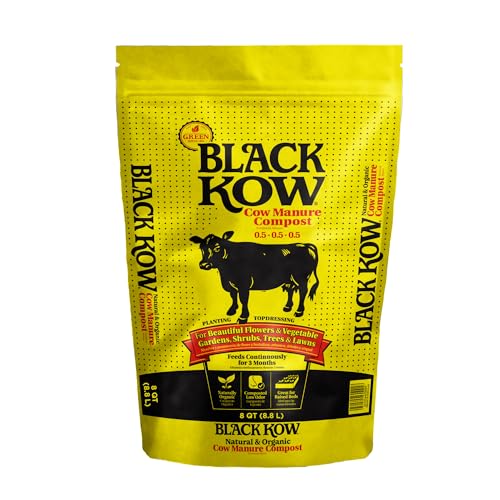
Adding nutrients to your soil feeds plants and helps roots grow. Compost and manure are natural choices for enriching soil.
- Mix compost into the top 6 inches of soil.
- Add well-rotted manure for extra nitrogen.
- Use bone meal or fish emulsion for phosphorus.
- Apply kelp or seaweed extracts to boost minerals.
Improving Drainage
Good drainage stops water from pooling around roots. This prevents root rot and helps plants breathe.
| Method | Description |
| Adding Sand | Mix coarse sand to break up clay soils. |
| Raised Beds | Build beds higher than ground level to drain water. |
| Organic Matter | Mix in compost to improve soil texture. |
| Drainage Pipes | Install pipes to redirect excess water. |
Ph Balancing Techniques
Soil pH affects nutrient availability. Most plants grow best in slightly acidic to neutral soil.
Use this guide to adjust your soil pH:
- Test soil with a pH kit before planting.
- Add lime to raise pH if soil is too acidic.
- Use sulfur or peat moss to lower pH if soil is too alkaline.
- Retest soil after changes to check balance.
Planting Techniques For Fast Growth
Growing a healthy garden starts with good planting methods. Using the right techniques helps plants grow quickly and strong.
This guide covers key tips on spacing, planting depth, timing, and watering to speed up growth in your garden.
Proper Spacing
Giving plants enough space improves air flow and sunlight exposure. Crowded plants compete for nutrients and grow slower.
- Check seed packet for recommended spacing
- Leave room between rows for easy access
- Thin seedlings to avoid crowding
- Space plants wider for larger vegetables
Depth And Timing
Plant seeds at the right depth to help roots develop fast. Planting too deep or too shallow slows growth.
| Plant Type | Planting Depth | Best Planting Time |
| Carrots | ¼ inch | Early Spring |
| Beans | 1 inch | After Last Frost |
| Lettuce | ½ inch | Cool Weather |
| Tomatoes | 1 inch (deep for roots) | Warm Soil |
Watering Strategies
Water plants deeply but less often. Frequent shallow watering weakens roots and slows growth.
Follow this simple watering guide:
- Water early in the morning to reduce evaporation.
- Use drip irrigation or a soaker hose for deep watering.
- Check soil moisture by feeling 2 inches below surface.
- Adjust watering frequency based on weather and soil type.
Using Fertilizers And Amendments
Fertilizers and amendments help your garden plants grow strong. They add nutrients to the soil that plants need.
Choosing the right type can improve soil health and plant growth. It also helps your garden produce better flowers and vegetables.
Organic Options
Organic fertilizers come from natural sources like plants and animals. They release nutrients slowly and improve soil quality.
Common organic fertilizers include compost, manure, bone meal, and seaweed extract. These options support beneficial soil life.
- Compost adds nutrients and improves soil texture
- Manure provides nitrogen and other minerals
- Bone meal is rich in phosphorus for root growth
- Seaweed extract supplies trace minerals and hormones
Synthetic Choices
Synthetic fertilizers are made from chemical compounds. They provide nutrients quickly and in specific amounts.
These fertilizers often list nutrient ratios like N-P-K (Nitrogen, Phosphorus, Potassium). Use them carefully to avoid overfeeding plants.
- Granular fertilizers release nutrients slowly
- Liquid fertilizers feed plants fast
- Special formulas target flowers, vegetables, or lawns
- Check labels for the right nutrient mix
Application Methods
Applying fertilizers the right way helps plants absorb nutrients well. Different methods suit different types of fertilizers.
You can spread granular fertilizer on soil, mix amendments into soil, or spray liquid fertilizer on leaves. Always follow package instructions.
- Top dressing: sprinkle fertilizer on soil surface
- Incorporation: mix amendments into soil before planting
- Foliar feeding: spray liquid fertilizer on leaves
- Side dressing: apply fertilizer beside plants during growth
Pest And Disease Management
Managing pests and diseases is key to a healthy garden. It helps plants grow strong and produce well.
Knowing what pests and diseases to expect helps you protect your garden on time.
Common Pests This Season
Many pests attack plants now. Watch for aphids, caterpillars, and spider mites. They can damage leaves and stems.
Slugs and snails also appear. They eat young seedlings and fruits. Early spotting helps control them.
- Aphids suck plant juices and spread diseases
- Caterpillars chew leaves and flowers
- Spider mites cause tiny yellow spots on leaves
- Slugs and snails leave slimy trails and holes in leaves
Natural Pest Control
Use natural ways to keep pests away. They protect your garden without chemicals.
Encourage helpful insects like ladybugs and lacewings. They eat harmful pests and keep balance.
- Plant flowers such as marigolds to attract beneficial insects
- Use neem oil spray to deter aphids and mites
- Handpick larger pests like caterpillars and slugs
- Keep the garden clean to reduce hiding spots for pests
Preventing Disease
Prevent diseases by keeping plants healthy and dry. Wet leaves can cause fungus and mold.
Rotate crops and space plants well. This stops disease from spreading quickly.
- Water plants early in the day to let leaves dry
- Remove diseased leaves and plants immediately
- Use clean tools to avoid spreading infections
- Choose disease-resistant plant varieties for your garden
Climate And Light Considerations
Choosing the right plants for your garden depends on climate and light. These factors affect how well plants grow and survive.
Understanding sun exposure, temperature, and weather protection helps you pick plants that thrive in your garden now.
Optimal Sun Exposure
Plants need different amounts of sunlight each day. Some grow best in full sun, while others prefer shade.
- Full sun means at least six hours of direct sunlight.
- Partial sun or shade means three to six hours of sunlight.
- Full shade means less than three hours of direct sun, with mostly filtered light.
Temperature Effects
Temperature influences seed germination and plant growth. Some plants like cool weather, others prefer warmth.
| Plant Type | Preferred Temperature | Planting Season |
| Lettuce | 50°F–70°F (10°C–21°C) | Early Spring or Fall |
| Tomatoes | 70°F–85°F (21°C–29°C) | Late Spring to Summer |
| Carrots | 55°F–75°F (13°C–24°C) | Spring or Fall |
Protecting Plants From Weather
Weather can harm plants with strong wind, frost, or heavy rain. Protecting plants keeps them healthy.
Tips to protect plants:
- Use garden fabric or row covers to shield from frost.
- Place windbreaks like fences or shrubs near sensitive plants.
- Ensure good drainage to prevent root rot from heavy rain.
- Move potted plants indoors during extreme weather.
Companion Planting Benefits
Companion planting is a smart way to grow many types of plants together. It helps plants support each other naturally in the garden.
Using companion planting can make your garden healthier and more productive without extra chemicals.
Boosting Growth Naturally
Some plants release nutrients or chemicals that help nearby plants grow faster. They share resources and space well.
For example, beans add nitrogen to the soil, which helps leafy vegetables grow strong.
- Beans improve soil nitrogen for other plants
- Marigolds support tomato growth
- Basil helps peppers grow better
Pest Deterrence
Certain plants keep pests away from others by confusing or repelling insects. This lowers pest damage without chemicals.
Planting garlic near roses helps stop aphids. Some flowers attract bugs that eat harmful insects.
- Marigolds repel nematodes and beetles
- Garlic deters aphids and spider mites
- Nasturtiums attract aphids away from vegetables
Soil Health Improvement
Companion plants can improve soil by adding nutrients and preventing erosion. Healthy soil grows better plants.
Cover crops like clover protect the soil and add nitrogen. Deep-rooted plants bring up minerals from lower layers.
- Clover adds nitrogen and protects soil
- Deep roots improve soil structure
- Plant diversity keeps soil balanced
Credit: www.theolympian.com
Tools To Speed Up Growth
Using the right tools can help your garden grow faster. These tools improve soil quality and keep plants healthy.
Here are some key tools that help speed up plant growth in your garden now.
Mulching Materials
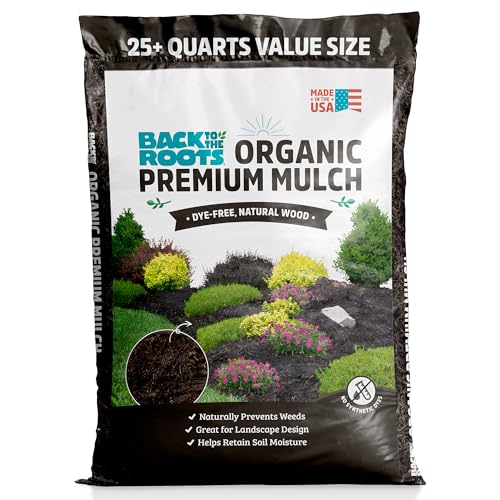
Mulching keeps soil moist and warm. It also stops weeds from growing and adds nutrients to the soil.
- Wood chips help keep moisture and improve soil texture.
- Straw mulch reduces soil temperature swings.
- Compost mulch adds nutrients and feeds plants.
- Plastic mulch warms soil for early planting.
Growth Enhancers
Growth enhancers help plants get nutrients and grow stronger. They include natural and chemical options.
| Type | Purpose | Example |
| Organic Fertilizer | Provides slow nutrient release | Compost, manure |
| Liquid Fertilizer | Gives quick nutrients to plants | Fish emulsion, seaweed extract |
| Root Stimulants | Encourages strong root growth | Mycorrhizal fungi, seaweed |
Irrigation Systems
Irrigation systems give plants the right amount of water. They save time and water by targeting plants directly.
- Drip irrigation delivers water slowly at roots.
- Soaker hoses spread water evenly in garden beds.
- Sprinklers cover large areas but may waste water.
- Timers help water plants at set times automatically.
Credit: www.dammannsgardenco.com
Frequently Asked Questions
What Vegetables Can I Plant In My Garden Now?
You can plant cool-season vegetables like lettuce, spinach, radishes, and peas now. These crops thrive in early spring or fall. They grow quickly and tolerate cooler temperatures, making them ideal for current garden conditions.
When Is The Best Time To Plant Flowers In The Garden?
The best time to plant flowers depends on your climate. Generally, spring after the last frost is ideal. This ensures flowers get enough sunlight and warmth to grow strong and bloom beautifully.
How Do I Prepare My Soil For Planting Now?
Start by removing weeds and debris from your garden bed. Loosen the soil with a garden fork or tiller. Add organic compost or fertilizer to enrich the soil. This improves drainage and provides nutrients for healthy plant growth.
Which Herbs Grow Well If Planted Now?
Herbs like basil, cilantro, parsley, and chives grow well when planted now. These herbs prefer moderate temperatures and can be grown in containers or garden beds. They add fresh flavors to your cooking and are easy to maintain.
Conclusion
Planting the right seeds now helps your garden grow strong. Choose plants that suit your climate and soil. Water them well and watch them thrive. Enjoy fresh vegetables, herbs, or flowers soon. Gardening brings joy and fresh air every day.
Start small and add more plants as you learn. Happy gardening!