

Are you wondering what to plant in your garden this season? Choosing the right plants can make all the difference in creating a vibrant, thriving space you’ll love.
Whether you want colorful flowers, fresh vegetables, or easy-care greenery, the options can feel overwhelming. But don’t worry—this guide will help you pick the perfect plants tailored to your garden’s needs and your personal style. Keep reading to discover simple tips that will transform your garden into a beautiful, rewarding oasis you’ll enjoy every day.

Credit: behindthedesigns.blog
Choosing The Right Plants
Picking the right plants is key to a healthy garden. It helps your plants grow well and look good.
You should think about your garden space, climate, and soil before planting.
Assessing Your Garden Space
Look at how much sunlight your garden gets. Some plants need full sun, others need shade.
Check the size of your garden. Choose plants that fit well in the space you have.
- Measure garden length and width
- Note sunny and shady spots
- Consider space for plants to grow
Considering Climate And Season
Your local climate affects what plants will grow best. Some plants like warm weather.
Plant in the right season to help plants start strong and grow well.
- Know your hardiness zone
- Choose plants that match your climate
- Plant during the right season for each plant
Soil Preparation Tips
Good soil helps plants get nutrients and water. Test your soil to know what it needs.
Add compost or fertilizer to improve soil health before planting.
- Remove weeds and rocks from soil
- Loosen soil for better root growth
- Add organic matter like compost
- Check soil pH and adjust if needed
Easy Vegetables For Beginners
Starting a garden can be fun and rewarding. Choosing easy vegetables helps new gardeners succeed.
These vegetables grow well with little effort. They need simple care and give good results.
Lettuce And Salad Greens
Lettuce and other salad greens grow quickly. They do well in cooler weather and partial shade.
You can plant them in small spaces or containers. Pick leaves often to keep plants healthy.
- Plant seeds ¼ inch deep
- Keep soil moist but not wet
- Harvest leaves in 30 to 60 days
Radishes And Carrots
Radishes and carrots grow underground. They need loose soil and plenty of sunlight.
Radishes grow fast and taste spicy. Carrots take longer but are sweet and crunchy.
- Plant radish seeds ½ inch deep
- Plant carrot seeds ¼ to ½ inch deep
- Thin seedlings to avoid crowding
- Harvest radishes in 3 to 4 weeks
- Harvest carrots in 2 to 3 months
Tomatoes And Peppers
Tomatoes and peppers need warm weather to grow. They need full sun and steady watering.
Choose smaller varieties for easier care. Support plants with stakes or cages as they grow.
- Start seeds indoors 6-8 weeks before last frost
- Transplant outside when soil is warm
- Water deeply once or twice a week
- Remove lower leaves to improve air flow
- Harvest when fruits are fully colored
Simple Herbs To Grow
Growing herbs in your garden is easy and useful. Herbs add fresh flavor to meals and smell nice outdoors.
Many herbs need little care and can grow in small spaces. Choose herbs that fit your climate and cooking style.
Basil And Mint
Basil grows well in warm weather and needs plenty of sun. Mint prefers partial shade and moist soil. Both herbs spread quickly.
- Basil: Great for pesto and salads
- Mint: Perfect for tea and desserts
- Plant mint in pots to control growth
- Harvest leaves regularly to keep plants healthy
Parsley And Chives
Parsley and chives are hardy herbs that grow well in cooler weather. They need moderate sunlight and well-drained soil.
| Herb | Light | Water | Use |
| Parsley | Partial sun | Keep soil moist | Garnish and sauces |
| Chives | Full to partial sun | Water weekly | Salads and soups |
Thyme And Rosemary
Thyme and rosemary grow well in dry, sunny spots. They need good drainage and little water once established.
- Use sandy soil for good drainage
- Prune regularly to keep shape
- Harvest leaves before flowering for best flavor
Credit: www.homesandgardens.com
Low-maintenance Flowers
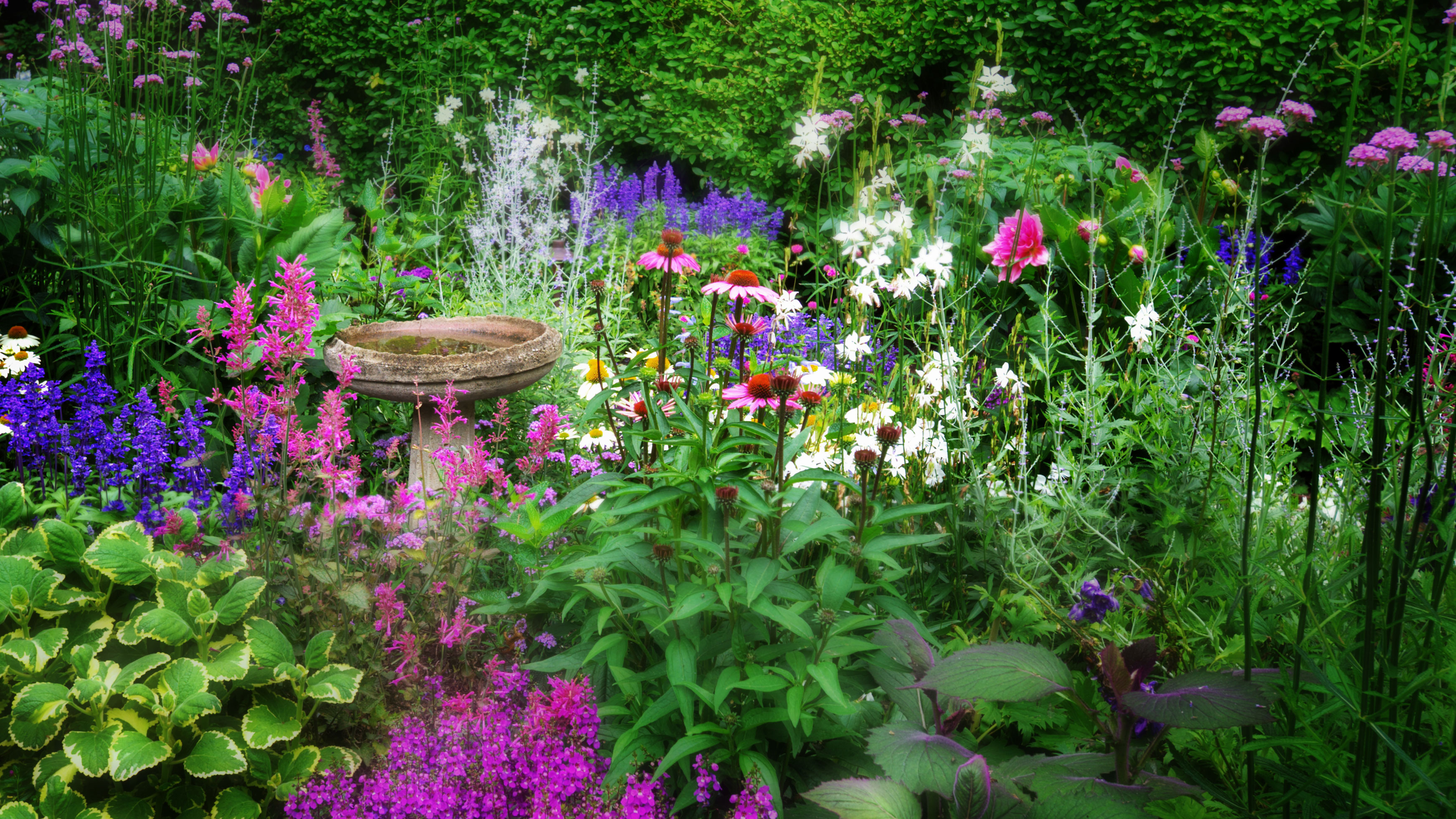
Choosing low-maintenance flowers makes gardening easy and fun. These flowers need less water and care.
They grow well in most soils and attract bees and butterflies to your garden.
Marigolds And Zinnias
Marigolds are bright and help keep pests away. Zinnias add many colors and bloom all summer long.
- Marigolds need full sun and dry soil.
- Zinnias grow best in warm weather with good air flow.
- Both flowers attract pollinators and are easy to grow from seeds.
Sunflowers And Daisies
Sunflowers grow tall and bright, making a strong garden statement. Daisies are simple and cheerful flowers.
| Flower | Sun Needs | Water Needs | Bloom Time |
| Sunflower | Full sun | Moderate | Summer to Fall |
| Daisy | Full to partial sun | Low to moderate | Spring to Summer |
Pansies And Petunias
Pansies offer bright colors and can tolerate cooler weather. Petunias bloom all season and spread nicely.
Care Tips for Pansies and Petunias:
- Plant in well-drained soil with good sunlight.
- Water regularly but avoid soggy soil.
- Deadhead old flowers to encourage new blooms.
Tips For Watering And Care
Planting a garden is fun and rewarding. Proper watering and care help your plants grow strong.
Good habits keep your garden healthy and full of life. Learn simple tips for watering, feeding, and pest control.
Best Watering Practices
Water your garden early in the morning or late in the evening. This reduces water loss from evaporation.
Use a deep watering method to encourage roots to grow downward. Avoid shallow watering that only wets the surface.
- Check soil moisture before watering to avoid overwatering.
- Water at the base of plants, not on leaves.
- Use drip irrigation or soaker hoses for efficient watering.
Fertilizing Basics
Plants need nutrients to grow well. Use fertilizer to give them the food they need.
Choose the right fertilizer for your plants and apply it carefully. Follow the package instructions.
- Use organic fertilizers like compost or manure for healthy soil.
- Apply fertilizer during the growing season for best results.
- Do not over-fertilize to avoid burning plant roots.
Pest Control Ideas
Pests can harm your plants and reduce harvests. Control pests early to keep your garden safe.
Use natural methods to protect your plants. Avoid harsh chemicals that can damage the environment.
- Introduce beneficial insects like ladybugs to eat pests.
- Remove damaged leaves and debris to stop pests from spreading.
- Use homemade sprays with garlic or neem oil as natural pest repellents.
Harvesting And Enjoying Your Garden
Gardening brings joy and fresh food to your table. Knowing when and how to harvest is key. Proper care helps you enjoy your plants longer.
This guide covers harvesting times, storing produce, and ways to keep your garden growing strong.
When To Harvest
Pick vegetables and fruits at the right time for best taste. Each plant has signs that show it is ready. Look for color, size, and firmness.
- Tomatoes: bright red and firm, but slightly soft
- Carrots: when tops are about half an inch wide
- Beans: pods are full and snap easily
- Strawberries: deep red color and sweet smell
- Lettuce: leaves are crisp and full-sized
Storage And Use
Store your harvest properly to keep it fresh longer. Some vegetables need cool, dry places. Others do best in the fridge.
| Produce | Best Storage | Use Time |
| Tomatoes | Room temperature | 3-5 days |
| Carrots | Refrigerator, in a bag | 2-3 weeks |
| Beans | Refrigerator, sealed container | 5-7 days |
| Strawberries | Refrigerator, unwashed | 2-3 days |
| Lettuce | Refrigerator, wrapped in paper | 7-10 days |
Encouraging Continuous Growth
Keep your garden producing by using simple care tips. Regular watering and removing old plants helps. Also, trim your plants to encourage new growth.
- Harvest crops early in the day for best freshness
- Pinch off dead flowers to boost new blooms
- Use mulch to keep soil moist and cool
- Fertilize lightly after each harvest
- Rotate crops to avoid pests and disease

Credit: www.holokahome.com
Frequently Asked Questions
What Vegetables Grow Best In Spring?
Spring is perfect for planting cool-season vegetables. Consider planting spinach, lettuce, peas, and radishes. These thrive in cooler temperatures and can be harvested before the summer heat.
Which Flowers Are Ideal For Summer Planting?
Summer is great for sun-loving flowers like marigolds, zinnias, and sunflowers. These flowers are resilient and bloom beautifully in warm weather, adding vibrant colors to your garden.
Can I Plant Herbs In The Fall?
Yes, herbs like parsley, cilantro, and chives can be planted in the fall. They thrive in the cooler months and can provide fresh flavors for your autumn dishes.
How Do I Choose Plants For A Shady Garden?
Select shade-tolerant plants like hostas, ferns, and astilbes. These plants thrive in low-light conditions, making them ideal for shady areas in your garden.
Conclusion
Choosing what to plant in your garden can bring great joy. Start with plants that suit your climate and soil. Think about the space and sunlight available. Mix flowers, vegetables, and herbs for variety. Keep your plants healthy with regular watering and care.
Watch your garden grow day by day. Enjoy the fresh air and colors around you. Gardening is a simple way to connect with nature. Your garden will soon become a peaceful retreat. Give it time, and you will see beautiful results.