

Are you ready to turn your vegetable garden into a thriving oasis? Choosing what to plant can feel overwhelming, but it doesn’t have to be.
Whether you’re a beginner or looking to refresh your garden, knowing the right vegetables to grow will save you time and effort. Imagine harvesting fresh, tasty produce straight from your backyard—doesn’t that sound rewarding? You’ll discover the best vegetables to plant, tailored to your garden’s needs, so you can enjoy a bountiful and satisfying harvest.
Keep reading, and let’s make your garden dreams come true!
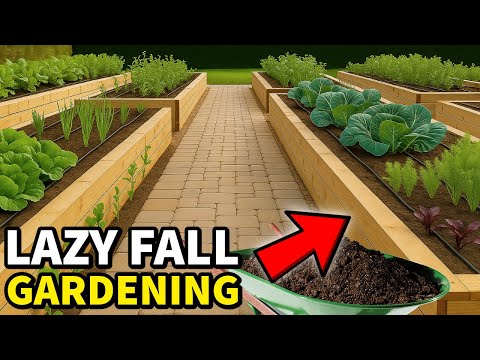
Credit: www.youtube.com
Choosing The Right Vegetables
Picking the right vegetables for your garden helps you grow healthy plants. It also makes your garden productive and fun.
Consider your climate, space, and how much care you can give. These factors guide your choice of vegetables.
Seasonal Favorites
Growing vegetables that suit each season ensures good growth and harvest. Choose crops that match spring, summer, fall, or winter.
- Spring: peas, lettuce, radishes
- Summer: tomatoes, peppers, cucumbers
- Fall: carrots, broccoli, kale
- Winter: spinach, garlic, onions
Easy-to-grow Options
Some vegetables are simple to grow. These are good for beginners or busy gardeners.
| Vegetable | Why It’s Easy |
| Zucchini | Grows fast and yields lots |
| Lettuce | Needs little space and water |
| Green Beans | Resist pests and grow well |
| Radishes | Ready to harvest in weeks |
High-yield Varieties
Choose vegetables that produce many fruits or vegetables per plant. This gives more food in less space.
Try these high-yield vegetables for your garden:
- Tomatoes: Grow many fruits on one plant.
- Cucumbers: Produce long vines with many cucumbers.
- Peppers: Give lots of peppers all season.
Planning Your Garden Layout
Planning your vegetable garden layout helps you grow healthy plants. It makes the best use of your space and time.
Good planning avoids problems like pests and poor soil use. It also helps you choose what to plant and where.
Companion Planting Benefits
Companion planting means growing plants that help each other close together. This can improve growth and reduce pests.
Some plants give shade, fix nitrogen, or repel bugs. Pairing them wisely creates a healthy garden environment.
- Tomatoes grow well with basil to improve flavor and keep bugs away
- Carrots and onions help stop pests that attack each other
- Corn, beans, and squash grow well together, supporting each other’s needs
Maximizing Space
Use your garden space carefully to grow more vegetables. Planting vertically or using containers saves room.
Plant fast-growing crops between slow growers. This way, you can harvest more in the same space.
- Grow peas or beans on trellises to save ground space
- Plant lettuce or radishes between tomato plants
- Use raised beds to keep soil healthy and organized
Crop Rotation Tips
Crop rotation means changing where you plant crops each season. It keeps soil healthy and stops pests.
Do not plant the same vegetable family in one spot every year. Rotate crops to improve soil nutrients.
| Year 1 | Year 2 | Year 3 |
|---|---|---|
| Leafy greens (lettuce, spinach) | Root crops (carrots, beets) | Legumes (beans, peas) |
| Root crops | Legumes | Leafy greens |
| Legumes | Leafy greens | Root crops |
Soil Preparation Essentials
Good soil is key for a healthy vegetable garden. Preparing your soil helps plants grow strong and produce more food.
Start by checking your soil’s condition. Add nutrients and protect it with natural covers to keep it healthy.
Testing And Improving Soil
Testing your soil shows its pH and nutrient levels. You can buy a simple test kit or send samples to a lab.
Based on results, add lime to raise pH or sulfur to lower it. Mix in compost to improve soil texture and nutrients.
- Test soil pH and nutrients before planting
- Add lime for acidic soils, sulfur for alkaline soils
- Mix compost to improve drainage and fertility
Organic Fertilizers
Organic fertilizers feed plants naturally. They release nutrients slowly and improve soil health over time.
Use compost, manure, or bone meal. These add nitrogen, phosphorus, and other nutrients plants need.
- Compost adds many nutrients and improves soil
- Manure supplies nitrogen and organic matter
- Bone meal provides phosphorus for root growth
Mulching Techniques
Mulching covers soil with organic material. It keeps soil moist, controls weeds, and adds nutrients as it breaks down.
Use straw, grass clippings, or shredded leaves. Spread 2-3 inches thick around your plants but not against stems.
- Mulch saves water by reducing evaporation
- It stops weeds from growing
- Organic mulch adds nutrients to soil as it rots
Popular Vegetable Choices
Choosing the right vegetables helps your garden grow well. Some vegetables are easier to grow than others. This guide covers popular vegetables for your garden.
These vegetables suit different tastes and growing conditions. Pick the ones that fit your space and climate.
Leafy Greens
Leafy greens grow quickly and provide fresh, healthy leaves. They do well in cooler weather and partial shade.
- Spinach
- Lettuce
- Kale
- Swiss chard
- Arugula
Root Vegetables
Root vegetables grow underground. They need loose soil for the roots to expand. These vegetables store well after harvest.
| Vegetable | Growing Season | Soil Type |
|---|---|---|
| Carrots | Spring, Fall | Loose, Sandy |
| Beets | Spring, Fall | Well-drained |
| Radishes | Spring, Fall | Loamy |
| Turnips | Spring, Fall | Loamy |
Fruiting Plants
Fruiting plants produce vegetables that grow above ground. They often need more sun and space to grow well.
- Tomatoes need full sun and support like cages or stakes.
- Peppers grow best in warm weather with plenty of light.
- Cucumbers require space to spread or a trellis to climb.
- Squash grows fast and needs rich soil and water.
Watering And Maintenance
Taking care of your vegetable garden means regular watering and maintenance. Proper care helps plants grow strong and healthy.
Good watering and maintenance prevent problems like pests and diseases. This guide explains simple ways to care for your garden.
Efficient Watering Methods
Water your plants deeply but less often to encourage strong roots. Avoid watering leaves to stop disease.
Use watering tools that save water and reach roots well. Early morning is the best time to water your garden.
- Drip irrigation delivers water directly to soil
- Soaker hoses reduce water waste
- Water in the morning to reduce evaporation
- Check soil moisture before watering again
Pest And Disease Control
Watch your plants daily for signs of pests or disease. Early action stops problems from spreading.
Use natural ways to control pests and keep plants healthy. Remove damaged leaves and clean tools regularly.
- Pick off pests by hand
- Use insecticidal soap or neem oil safely
- Plant pest-repellent herbs nearby
- Keep garden free of weeds and debris
Pruning And Thinning
Prune plants to remove dead or crowded parts. This helps air flow and sunlight reach the plants.
Thin seedlings by removing weaker ones. This allows stronger plants to grow bigger and healthier.
- Cut off dead or yellow leaves
- Space seedlings to avoid crowding
- Use clean tools for pruning
- Prune regularly to keep plants healthy
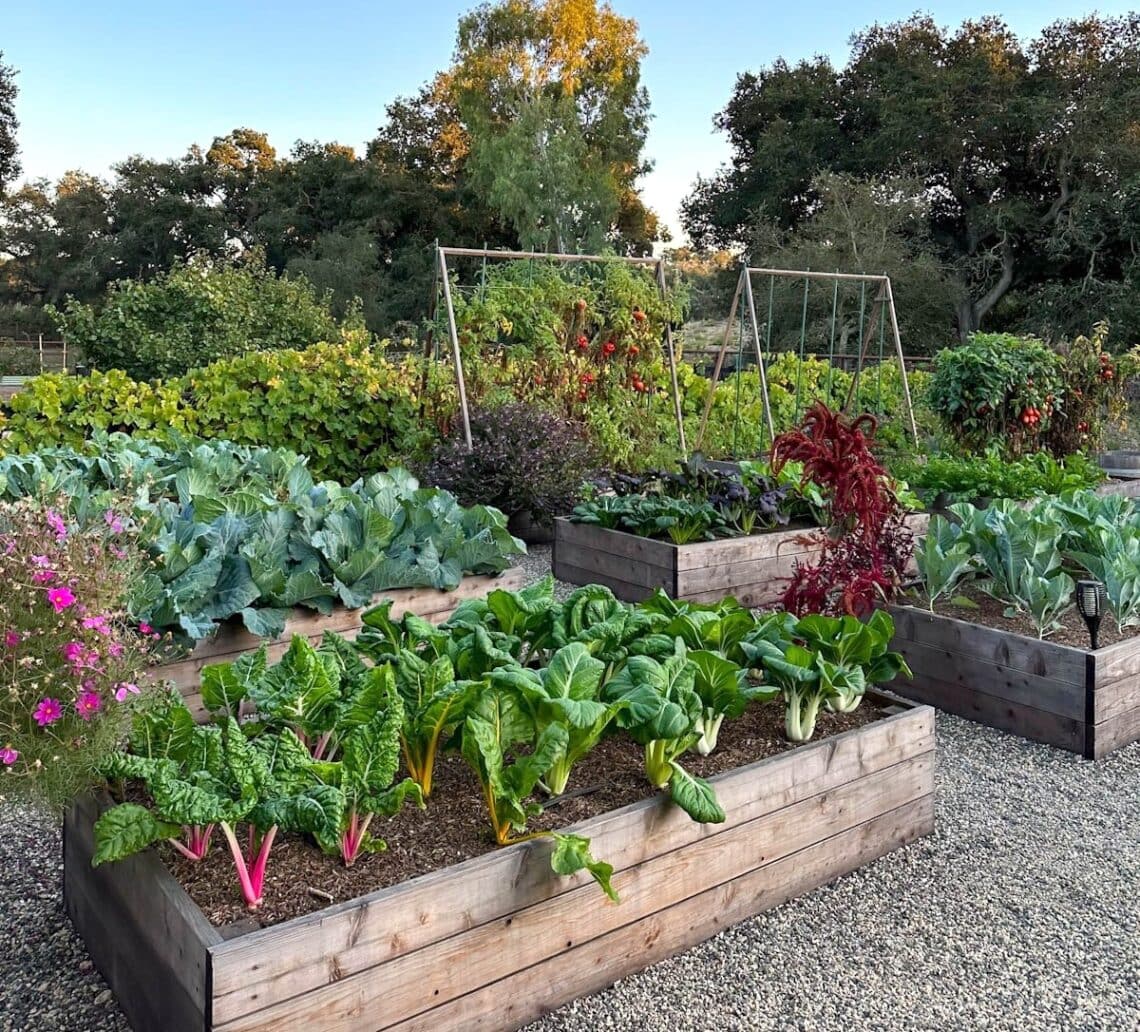
Credit: homesteadandchill.com
Extending The Harvest Season
Extending the harvest season lets you enjoy fresh vegetables for longer. It helps you get more from your garden.
Using simple techniques, you can grow crops before and after the main season. This keeps your garden productive.
Succession Planting
Succession planting means planting crops in intervals. This way, you harvest in waves instead of all at once.
Plant quick-growing vegetables every few weeks. This keeps fresh produce coming through the season.
- Start lettuce seeds every two weeks
- Plant radishes in small batches
- Grow fast beans after early crops
- Replace early peas with late peas
Using Cold Frames And Greenhouses
Cold frames and greenhouses protect plants from cold weather. They create a warmer space for growing.
You can start seedlings earlier and keep harvests going later. These structures extend the growing time.
- Place cold frames over young plants in early spring
- Use greenhouses to grow warm-season crops longer
- Cover plants at night to prevent frost damage
- Ventilate greenhouses on warm days to avoid overheating
Harvesting Tips
Harvest vegetables at the right time for best taste and longer storage. Check plants daily during peak season.
Pick ripe vegetables gently to avoid damage. Early harvesting helps plants produce more crops.
- Harvest leafy greens before they get too big
- Pick tomatoes when fully colored but firm
- Use sharp scissors or knives to cut vegetables
- Store harvest in cool, dry places
:max_bytes(150000):strip_icc()/GettyImages-sb10063671m-001-986c908082ca4dd09ad813e6db6492c2.jpg)
Credit: www.realsimple.com
Frequently Asked Questions
What Vegetables Are Best For Beginners?
Beginner gardeners should try growing tomatoes, lettuce, and radishes. These vegetables are easy to care for and grow quickly. They also adapt well to different climates and soil types, making them ideal for novice gardeners. Start with these to gain confidence and enjoy a successful gardening experience.
When Is The Best Time To Plant Vegetables?
The best time to plant vegetables depends on your climate and the specific crops. Generally, cool-season vegetables like spinach and peas are planted in early spring. Warm-season vegetables like tomatoes and peppers are best planted after the last frost. Always check local frost dates for precise planting times.
How Much Sunlight Do Vegetable Gardens Need?
Vegetable gardens typically require at least six to eight hours of sunlight daily. Sunlight is essential for photosynthesis, helping plants grow and produce healthy yields. If possible, choose a garden location with full sun exposure for optimal vegetable growth. Shade-tolerant vegetables may need less direct sunlight.
What Soil Type Is Ideal For Vegetables?
Loamy soil, rich in organic matter, is ideal for vegetable gardening. It retains moisture while ensuring proper drainage and aeration. This soil type supports strong root development and nutrient absorption. Amending your soil with compost can improve its quality and increase vegetable yields significantly.
Conclusion
Choosing the right vegetables makes your garden thrive. Start with easy plants like tomatoes, lettuce, and carrots. These grow well in most gardens. Pay attention to sunlight, water, and soil needs. Planting what suits your climate saves time and effort.
Watch your garden daily and enjoy the fresh produce. Gardening brings joy and healthy food to your table. Keep learning and trying new plants next season. Small steps lead to a big, beautiful garden. Ready to dig in? Your vegetable garden awaits!