

Are you eager to see your garden burst into life but unsure when the best time is to start planting? Knowing exactly when you can plant your garden can make all the difference between a thriving, colorful space and one that struggles to grow.
You’ll discover simple, clear signs and tips to help you choose the perfect moment to plant. By the end, you’ll feel confident and ready to dig in, ensuring your garden flourishes from the very first seed. Keep reading to unlock the secrets to timing your garden just right!

Credit: dark.properties
Factors Influencing Planting Time
Knowing the right time to plant your garden helps plants grow well. Different factors affect when you should plant seeds or seedlings.
These factors include the weather, soil, and the chance of frost. Understanding them will help you plan your garden better.
Climate Zones And Hardiness
Climate zones divide regions by their temperature and weather patterns. Plants grow best in zones that match their needs.
Hardiness zones show which plants survive winters in an area. Planting according to these zones helps avoid damage from cold.
- Find your climate zone using maps from reliable sources
- Choose plants suited to your zone for better growth
- Check plant labels for hardiness zone recommendations
Soil Temperature And Moisture
Soil temperature affects seed germination and root growth. Some plants need warmer soil to start growing well.
Soil moisture is also important. Soil that is too dry or too wet can harm young plants.
- Use a soil thermometer to check temperature
- Wait until soil warms up for warm-season crops
- Keep soil moist but not waterlogged for best growth
Frost Dates And Seasons
Frost can kill young plants and damage seeds. Knowing the last frost date in spring helps you plant safely.
The first frost date in fall tells when to harvest or protect plants. Seasons also affect how long plants can grow.
- Find average last and first frost dates for your area
- Plant frost-sensitive crops after the last frost date
- Use season length to choose fast or slow-growing plants
Best Planting Times For Common Vegetables
Planting your garden at the right time helps vegetables grow well. Different vegetables need different weather and soil conditions.
Knowing when to plant cool-season, warm-season, and root vegetables can improve your harvest. Use this guide to plan your garden.
Cool-season Crops
Cool-season crops grow best in mild temperatures. Plant them early in spring or late in summer for a fall harvest.
- Lettuce: Sow seeds 4-6 weeks before last frost.
- Spinach: Plant 6 weeks before last frost date.
- Broccoli: Start indoors 6-8 weeks before last frost.
- Peas: Sow seeds as soon as soil can be worked.
Warm-season Crops
Warm-season crops need warm soil and air to grow. Plant them after the last frost date in your area.
| Vegetable | Planting Time |
| Tomatoes | 2 weeks after last frost |
| Peppers | 2-3 weeks after last frost |
| Cucumbers | After soil warms to 70°F |
| Beans | After last frost |
Root Vegetables And Bulbs
Root vegetables and bulbs grow underground. Most prefer cool soil but not freezing.
Here are common root vegetables and their best planting times:
- Carrots: Sow seeds 2-3 weeks before last frost.
- Beets: Plant 3-4 weeks before last frost.
- Onions: Set bulbs or seedlings 4-6 weeks before last frost.
- Potatoes: Plant seed potatoes 2-4 weeks before last frost.
Planning Your Garden Calendar
Knowing when to plant your garden helps your plants grow strong. A good calendar shows the right time for each task.
Planning helps you avoid frost and heat. It also keeps your garden healthy and productive all season.
Starting Seeds Indoors
Starting seeds indoors gives plants a head start. It is best for plants that need a long growing time.
Use seed trays or small pots with good soil. Keep them warm and moist until they sprout.
- Start seeds 6-8 weeks before last frost date
- Keep soil moist but not soaked
- Place seedlings near a sunny window or use grow lights
- Thin seedlings to avoid crowding
Transplanting Seedlings
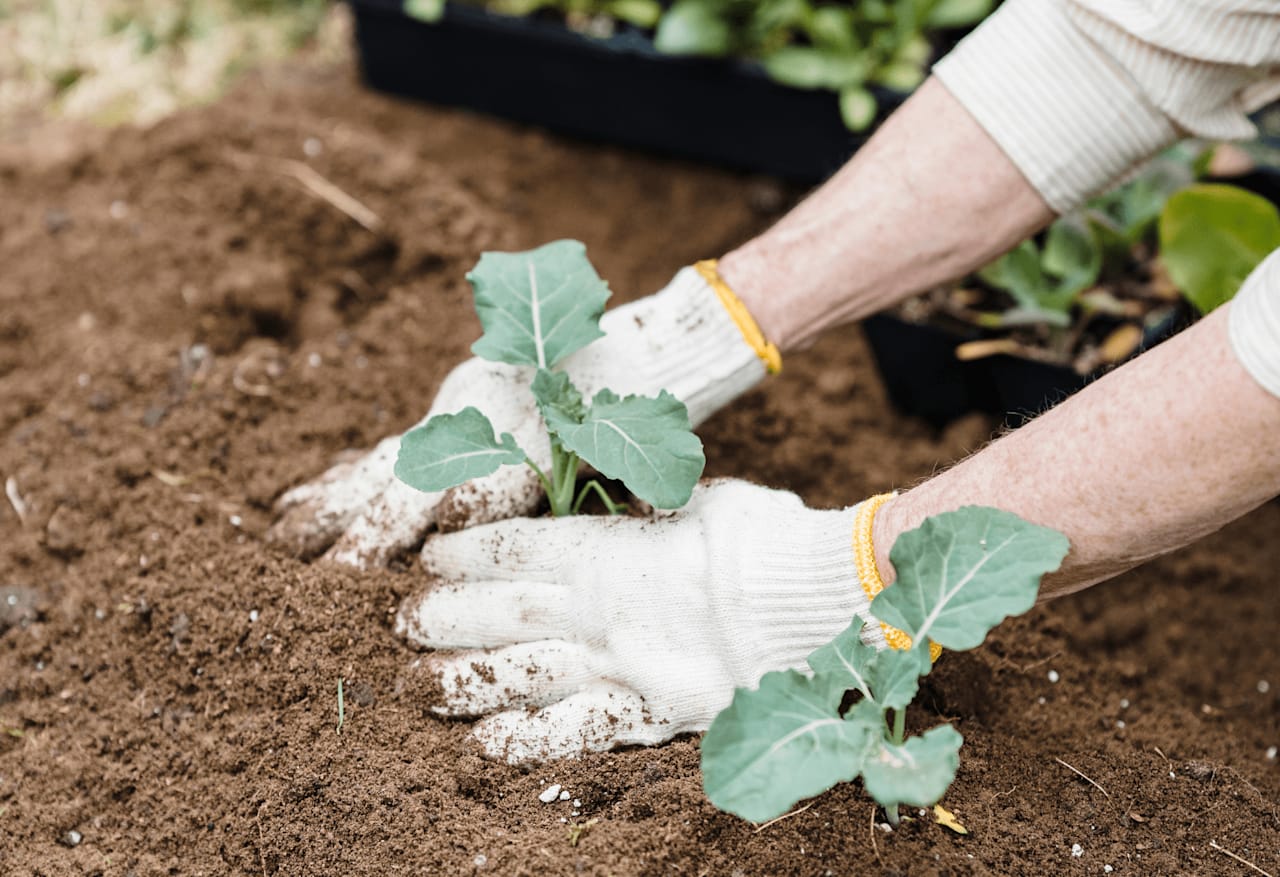
Move seedlings outdoors after the last frost. Harden them off by exposing them to outdoor conditions first.
Plant seedlings in well-prepared soil. Give them space to grow and water regularly.
- Harden off seedlings for 7-10 days
- Choose a cloudy day or late afternoon to transplant
- Plant at the same depth as indoors
- Water gently after planting
Succession Planting Strategies
Succession planting means planting crops in intervals. This keeps your garden producing food longer.
Plant fast-growing crops every few weeks. This way, you get fresh vegetables throughout the season.
- Plant lettuce and radishes every 2 weeks
- Follow early crops with late-season plants
- Use different varieties with varying maturity dates
- Keep track of planting dates for best results
Tools And Resources For Timing
Knowing the right time to plant your garden is important for healthy plants.
Several tools and resources can help you decide when to start planting.
Frost Date Calculators
Frost date calculators tell you the last and first frost days in your area.
These dates help you avoid planting too early or too late in the season.
- Enter your zip code or location to get frost dates.
- Use the last spring frost date to start planting outdoors.
- Use the first fall frost date to plan your harvest.
Soil Thermometers
Soil thermometers measure the temperature of your garden soil.
Planting usually begins when the soil reaches a certain warmth.
| Plant Type | Minimum Soil Temperature |
| Tomatoes | 60°F (16°C) |
| Carrots | 50°F (10°C) |
| Beans | 55°F (13°C) |
Local Extension Services
Local extension services offer advice on planting times for your region.
They provide guides, workshops, and personalized help for gardeners.
- Visit their website for planting calendars.
- Call or email for specific questions.
- Attend free gardening classes in your area.
Adjusting For Weather Variability
Gardening depends a lot on the weather. It does not always follow the calendar. You must adjust your planting time to fit the actual conditions.
Knowing how to handle weather changes helps protect your plants and keeps your garden healthy. You can plan better by watching the weather closely.
Dealing With Late Frosts
Late frosts can kill young plants. Check your local frost dates before planting. Wait until the risk of frost is low.
- Cover plants with cloths or sheets at night.
- Use cold frames or cloches to protect seedlings.
- Plant frost-resistant crops early.
- Delay planting tender plants until frost danger passes.
Managing Drought Conditions
Dry spells can stress plants and slow growth. Water your garden regularly but avoid overwatering. Mulching helps keep soil moist.
| Tip | Description |
| Water Early | Water plants early in the morning to reduce evaporation. |
| Use Mulch | Apply mulch to keep soil damp longer and reduce weed growth. |
| Choose Drought-Tolerant Plants | Pick plants that need less water in dry areas. |
| Check Soil Moisture | Test soil before watering to avoid waste. |
Using Protective Covers
Protective covers shield plants from weather extremes. They can keep warmth in and pests out. Use covers wisely based on your garden needs.
Common protective covers include:
- Row covers made of lightweight fabric
- Plastic tunnels to trap heat and moisture
- Shade cloths to reduce sun damage
- Frost blankets for cold nights
Credit: www.seattleurbanfarmco.com
Credit: declute.com
Frequently Asked Questions
What Is The Best Time To Plant A Garden?
The best time to plant a garden depends on your climate zone. Generally, spring is ideal for most regions. In warmer areas, fall can also be suitable. Always consider the frost dates and the type of plants you wish to grow for best results.
Can I Plant My Garden In Winter?
Planting in winter is possible for certain cold-hardy plants. Choose winter vegetables like kale, spinach, and garlic. Use protective measures like row covers and cold frames. Always check your local climate conditions for the best planting times during winter months.
How Do I Know My Planting Zone?
You can determine your planting zone by using the USDA Plant Hardiness Zone Map. This map divides regions based on average annual minimum winter temperatures. Knowing your zone helps in selecting plants that will thrive in your climate.
What Factors Affect Garden Planting Time?
Several factors affect garden planting time, including climate, soil temperature, and plant type. Frost dates are crucial for timing. Ensure the soil is workable, not too wet or cold. Planting at the right time ensures healthy growth and a bountiful harvest.
Conclusion
Choosing the right time to plant your garden is key. Watch the weather and soil temperature closely. Planting too early can harm young plants. Wait until the risk of frost passes. Start with easy-to-grow seeds or seedlings. Enjoy the process and learn from each season.
Your garden will thank you with fresh, healthy growth. Patience brings a beautiful, thriving garden. Keep notes to improve your planting schedule next year. Gardening is a rewarding journey, one season at a time.