

Have you ever wondered when is the best time to start a garden? Timing can make all the difference between a thriving garden and one that struggles to grow.
Knowing the right moment to plant your seeds or seedlings can save you time, effort, and frustration. You’ll discover simple tips to choose the perfect time for your garden. By the end, you’ll feel confident to start planting and watch your garden flourish like never before.
Keep reading to unlock the secret to a successful garden from the very beginning!
Credit: neilsperry.com
Choosing The Right Season
Starting a garden depends a lot on the season you choose. Each season offers different benefits and challenges for your plants.
Knowing when to plant helps your garden grow healthy and strong. This guide explains what to expect in spring, summer, fall, and winter.
Spring Planting Benefits
Spring is the most popular time to start a garden. The soil warms up, making it easier for seeds to sprout. Plants get plenty of rain and sunlight.
Many vegetables like lettuce, peas, and carrots grow well in spring. It is also a great time to plant flowers that bloom early.
Summer Garden Tips
Summer gardens need more care because of heat and less rain. Watering early in the morning helps plants stay hydrated. Mulching keeps the soil cool.
- Choose heat-tolerant plants like tomatoes and peppers
- Harvest vegetables early to avoid spoilage
- Use shade cloth to protect sensitive plants
- Watch for pests and remove them quickly
Fall Planting Advantages
Fall offers cooler weather and steady rain. It is perfect for planting root vegetables and leafy greens. The soil is still warm, which helps roots grow.
| Vegetable | Best Planting Time | Reason |
|---|---|---|
| Carrots | Early Fall | Develop sweet flavor in cool weather |
| Spinach | Late Summer to Early Fall | Grows fast and resists frost |
| Broccoli | Late Summer | Thrives in cool temperatures |
Winter Gardening Possibilities
Winter gardening is possible in mild climates or with protection. Use greenhouses or cold frames to grow plants. Some vegetables like kale and Brussels sprouts can handle frost.
Winter garden care tips:
- Choose hardy vegetables like kale and cabbage
- Use mulch to protect roots from freezing
- Water plants less but do not let soil dry out
- Use grow lights indoors for seedlings
Climate And Weather Factors
Choosing the best time to start a garden depends on climate and weather. These factors affect plant growth and survival.
Understanding local weather helps gardeners decide when to plant seeds or seedlings. This leads to better harvests.
Frost Dates And Their Impact
Frost dates mark when temperatures fall below freezing. These dates guide gardeners on safe planting times.
Planting before the last frost can kill young plants. Waiting until after frost dates helps plants grow strong.
- Last spring frost: avoid planting frost-sensitive plants before this date
- First fall frost: plan to harvest or protect plants before this date
- Check local frost calendars for accurate dates
Temperature Requirements
Each plant has a temperature range for best growth. Knowing this helps pick the right planting time.
Warm-season plants need higher temperatures. Cool-season plants grow well in lower temperatures.
- Cool-season plants: lettuce, spinach, peas
- Warm-season plants: tomatoes, peppers, beans
- Check seed packets for temperature guidelines
Rainfall Patterns
Rainfall affects soil moisture and plant health. Too little or too much rain can harm plants.
Start planting when rainfall is steady but not excessive. This supports seed germination and root growth.
- Check average monthly rainfall for your area
- Use mulch to keep soil moist during dry spells
- Plan irrigation if rainfall is low during growing season
Soil Preparation Timing
Starting a garden at the right time helps plants grow well. Preparing soil is key for a healthy garden.
Good soil gives plants the nutrients and support they need. Knowing when to prepare soil makes a big difference.
Testing Soil Health
Test soil early in the season to check its condition. Testing shows nutrient levels and pH balance.
- Collect soil samples from different garden spots
- Send samples to a local lab or use a home test kit
- Review results to see what nutrients are missing
- Decide on the needed soil amendments
Amending Soil Before Planting
Add organic matter and nutrients after testing soil. This helps improve texture and fertility.
| Amendment | Purpose | Timing |
| Compost | Improves soil structure and nutrients | 2-3 weeks before planting |
| Lime | Raises soil pH if too acidic | 4 weeks before planting |
| Sulfur | Lowers soil pH if too alkaline | 4 weeks before planting |
| Fertilizer | Supplies key nutrients | Right before or at planting |
Preparing Raised Beds
Raise beds early for better drainage and soil warmth. This helps plants start strong.
Tips for preparing raised beds:
- Build frames with untreated wood or other materials
- Fill beds with a mix of topsoil, compost, and sand
- Work the soil to remove clumps and debris
- Water the beds a few days before planting
Credit: declute.com
Plant Selection And Timing
Starting a garden at the right time helps plants grow strong. Choosing the right plants and knowing when to plant them is very important.
Different plants need different temperatures and times to grow well. This guide will help you understand plant types and the best planting times.
Cool-season Vs Warm-season Plants
Cool-season plants grow best in cooler weather. They can handle light frost and need less heat to grow.
Warm-season plants need warm soil and air to grow well. They cannot survive frost and grow in summer.
- Cool-season plants: lettuce, spinach, peas, broccoli
- Warm-season plants: tomatoes, peppers, beans, corn
- Plant cool-season crops early spring or late summer
- Plant warm-season crops after the last frost date
Seed Starting Schedules
Starting seeds indoors helps plants get a head start before outdoor planting. Timing seed starting is key for healthy growth.
Start seeds too early and seedlings may get weak. Start them too late and plants may not have enough time to grow.
| Plant Type | Weeks Before Last Frost |
|---|---|
| Cool-season plants | 4-6 weeks |
| Warm-season plants | 6-8 weeks |
Transplanting Seedlings
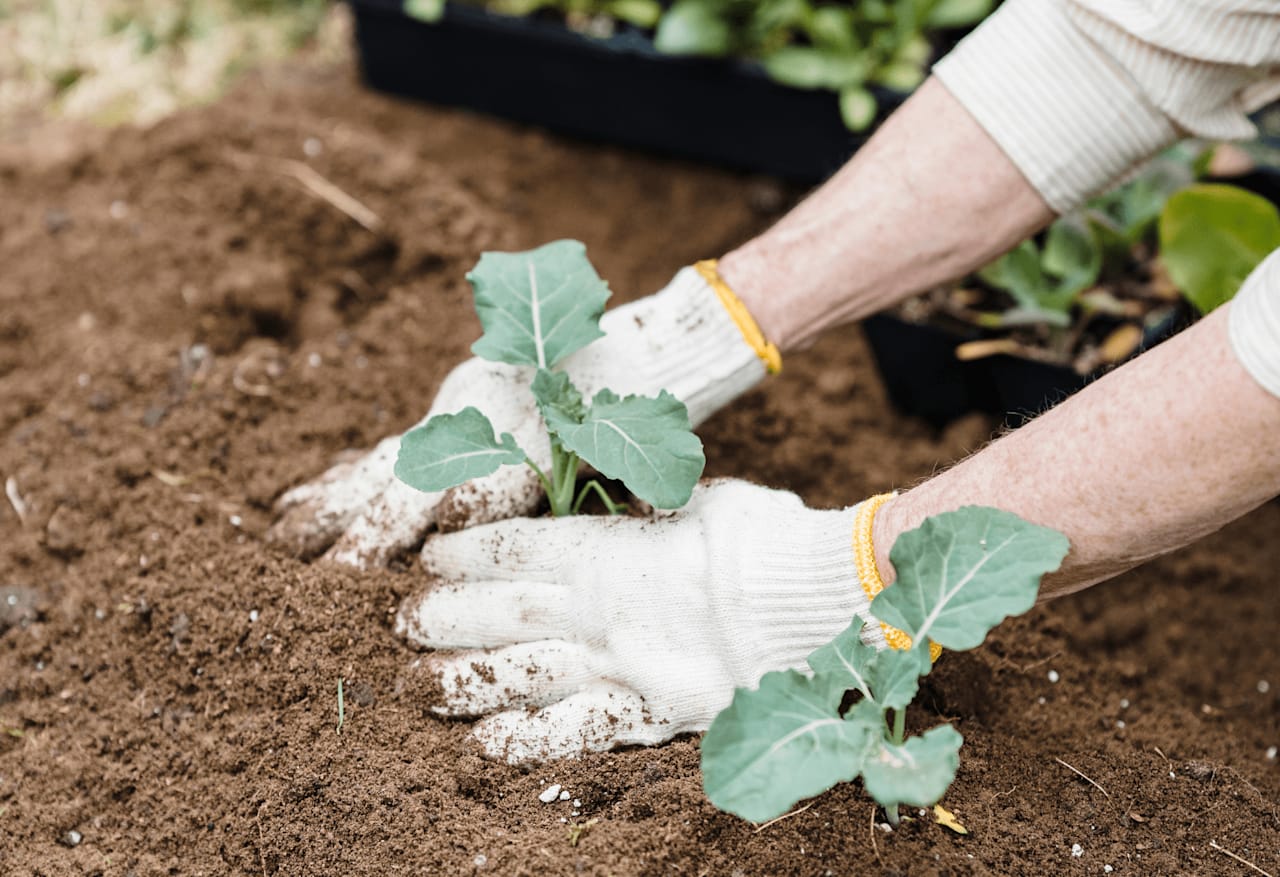
Transplant seedlings outdoors after the danger of frost passes. This helps plants survive and grow well.
Harden off seedlings by slowly exposing them to outdoor conditions. This reduces transplant shock and improves survival.
- Move seedlings outside for a few hours each day
- Gradually increase sunlight and outdoor time over 7-10 days
- Plant seedlings in soil after hardening off
- Water well after transplanting
Sunlight And Day Length
Sunlight and the length of the day are very important for starting a garden. Plants need light to grow strong and healthy.
The time of year affects how much sunlight your garden will get. Knowing this helps you pick the best time to start planting.
Maximizing Sun Exposure
Choose a spot in your yard that gets the most sun during the day. South-facing areas usually get the most light.
Keep plants away from tall trees or buildings that block sunlight. Trim branches if needed to let in more light.
- Pick a location with at least 6 hours of direct sunlight daily
- Avoid shady corners or areas behind tall structures
- Use reflective surfaces to increase light in small spaces
Adjusting For Shorter Days
In fall and winter, days are shorter, and plants get less sun. This can slow down their growth.
Start your garden earlier in spring or later in summer to give plants enough daylight. You can also grow plants that need less light.
- Plant early bloomers that grow well in less light
- Avoid starting heat-loving plants when days are short
- Watch local daylight changes to plan your garden timing
Using Grow Lights
Grow lights help plants get enough light indoors or during short days. They can extend the growing season.
Use LED or fluorescent grow lights that give plants the right colors of light to grow. Keep lights on for 12 to 16 hours a day.
- Place lights 6 to 12 inches above plants
- Use timers to give plants regular light cycles
- Check plants for signs of too much or too little light
Local Gardening Resources
Starting a garden can be easier with help from local resources. These can guide you on the best time to plant in your area.
Using local knowledge helps your garden thrive by matching plants to your climate and soil.
Consulting Extension Services
Extension services offer expert advice for gardeners. They provide information based on your region’s climate.
You can find them at local universities or government offices. They often offer free guides and workshops.
Joining Gardening Groups
Gardening groups connect you with local gardeners. Members share tips and experiences about planting times.
- Meet in person or online
- Share seeds and plants
- Attend group garden tours
- Learn from local successes and failures
Using Online Planting Calendars
Online planting calendars help you plan when to start seeds and transplant. They adjust for your local frost dates and weather.
| Month | Garden Task |
| March | Start seeds indoors |
| April | Transplant seedlings outside |
| May | Direct sow warm-season crops |
Common Planting Mistakes To Avoid
Starting a garden is exciting, but mistakes can slow growth or kill plants. Knowing common errors helps you grow healthy plants.
Here are key planting mistakes to watch for and tips to avoid them.
Overwatering And Underwatering
Water is vital, but too much or too little harms plants. Overwatering can drown roots and cause disease. Underwatering makes plants dry and weak.
- Check soil moisture before watering.
- Water deeply but less often.
- Use mulch to keep soil moist.
- Observe plants for signs of stress.
Planting Too Early Or Late
Planting at the wrong time can stunt growth. Cold soil slows seed germination. Hot weather can dry out young plants fast.
| Planting Time | Effect of Planting Too Early | Effect of Planting Too Late |
| Spring | Seeds may rot or freeze | Short growing season |
| Summer | Heat stress on seedlings | Poor fruit development |
| Fall | Roots may not establish | Plants may not survive winter |
Ignoring Soil Conditions
Soil quality affects plant health. Poor soil can lack nutrients or have bad drainage. Testing soil helps choose the right plants and amendments.
Tips for good soil:
- Test soil pH and nutrients before planting.
- Add compost or organic matter to improve texture.
- Ensure soil drains well to avoid waterlogging.
- Use raised beds if soil is poor or compacted.
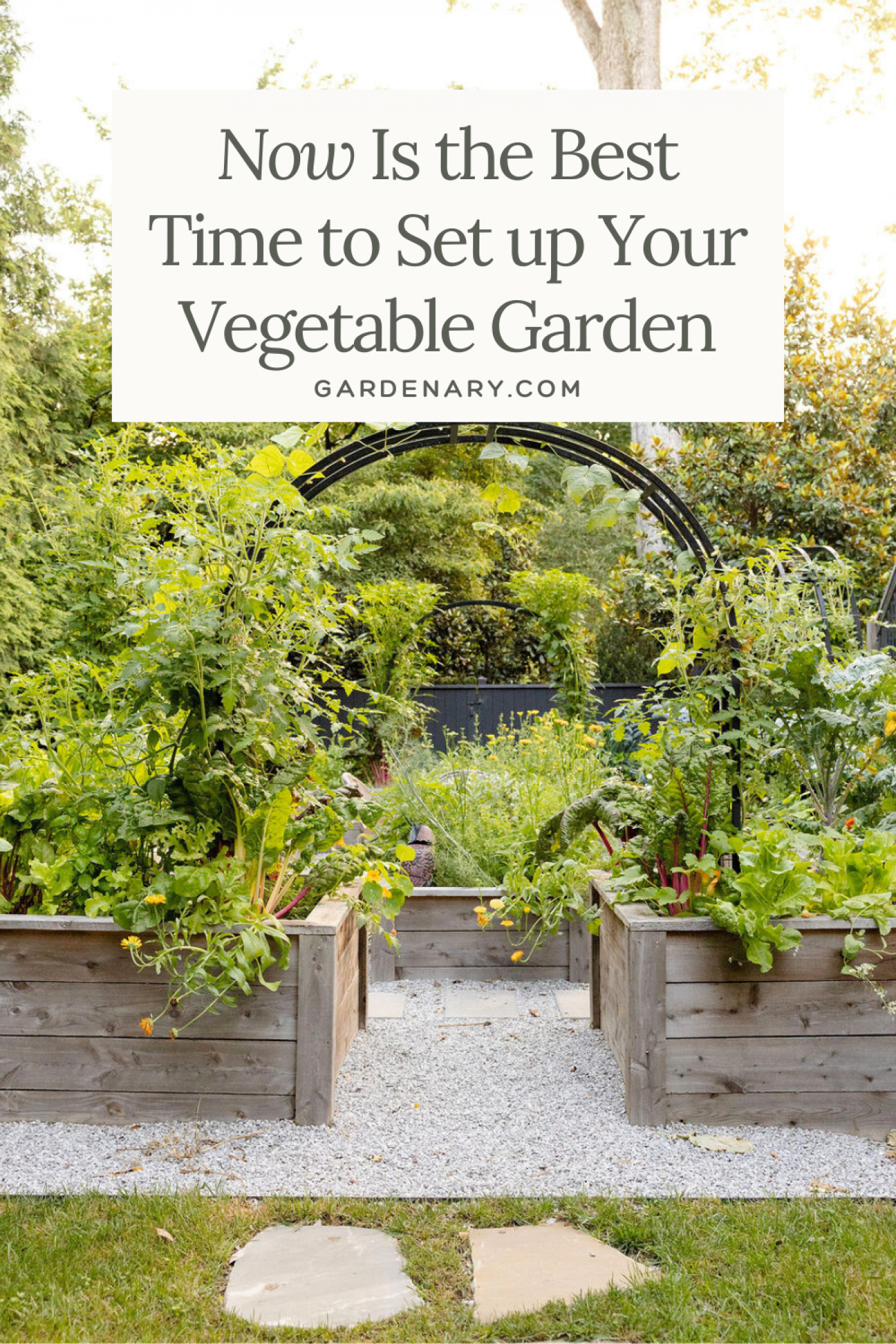
Credit: www.gardenary.com
Frequently Asked Questions
When Should I Start Planting My Garden?
The best time to start planting your garden depends on your climate. Generally, spring is ideal for most regions. Check the local frost dates to avoid planting too early. Starting indoors is an option for colder areas. This ensures plants are ready to thrive outdoors when the weather warms.
What Month Is Best For Gardening?
March to May are typically the best months for starting a garden. This period allows plants to establish before the heat of summer. However, the exact month can vary based on your local climate. Researching your planting zone will help determine the optimal time for gardening activities.
Can I Garden In The Fall Season?
Yes, fall is excellent for certain crops like lettuce and spinach. Cooler temperatures can benefit these plants. Additionally, fall gardening helps prepare the soil for spring. Planting cover crops in fall can improve soil health. It’s essential to understand your local frost dates for successful fall gardening.
How Does Climate Affect Gardening Timing?
Climate significantly influences when to start gardening. Warmer climates offer longer growing seasons, allowing for more flexibility. In contrast, cooler climates may have shorter planting windows. Understanding your USDA Plant Hardiness Zone is crucial. This knowledge helps determine the best planting times for various crops.
Conclusion
Starting a garden at the right time helps plants grow strong. Early spring is often best for many seeds. Warm soil and good sunlight make a big difference. Pay attention to your local climate and frost dates. Choose plants that suit your season and soil type.
Planning well leads to a healthy, beautiful garden. Remember, patience and care bring great rewards. Happy gardening starts with the right timing!