
Are you eager to start your garden but unsure when the best time to plant is? Choosing the right moment can make all the difference between a thriving garden and one that struggles.
Imagine your plants growing strong, bursting with color and life, simply because you planted them at just the right time. You’ll discover exactly when to plant your garden so you can enjoy the freshest, healthiest blooms and harvests. Keep reading, and you’ll learn simple, practical tips to get your garden off to the best possible start.
:max_bytes(150000):strip_icc()/GettyImages-2166093847-2d0639b0d6db462a88d4986dd6bd18d1.jpg)
Credit: www.thespruce.com
Choosing The Right Season
Planting a garden at the right time helps plants grow strong. Each season has its own benefits and challenges.
Knowing when to plant can save time and improve your garden’s success. Let’s look at what each season offers.
Spring Planting Benefits
Spring is a popular time to start gardens. The soil warms up, and days get longer.
- Plants grow quickly with more sunlight.
- Spring rains help keep soil moist.
- Many vegetables and flowers do well in spring.
Summer Gardening Tips
Summer can be hot, but many plants thrive in this season. Watering is very important.
Use shade cloth or mulch to keep soil cool and prevent water loss.
Fall Planting Advantages
Fall is great for planting cool-weather crops. The soil is still warm from summer.
| Crop | Planting Time | Harvest Time |
| Carrots | Early Fall | Late Fall |
| Spinach | Mid Fall | Early Winter |
| Broccoli | Early Fall | Late Fall |
Winter Garden Possibilities
Winter gardens work well in mild climates or with protection. Some plants can grow indoors.
Try using cold frames or greenhouses to extend your growing season.
- Leafy greens like kale and lettuce can grow in winter.
- Herbs such as parsley do well indoors.
- Protect roots with mulch to prevent freezing.
Assessing Your Climate Zone
Knowing your climate zone helps you decide the best time to plant your garden. It tells you how cold winters get and when the frost ends.
This information helps protect your plants from cold damage and ensures they grow well in your area.
Identifying Your Hardiness Zone
Your hardiness zone shows the coldest temperatures your area usually gets. It helps you pick plants that survive winters.
Find your zone by using a USDA Hardiness Zone Map or a local gardening guide.
- Zones range from 1 (coldest) to 13 (warmest)
- Each zone covers a 10-degree Fahrenheit temperature range
- Plants suited for your zone have the best chance to thrive
Adapting To Local Weather Patterns
Local weather can change planting times. Pay attention to frost dates and rainfall in your area.
Adjust your planting schedule based on recent weather trends and seasonal changes.
- Track the last spring frost date to avoid cold damage
- Consider rainfall patterns for watering needs
- Watch for early or late frosts that may affect growth
Soil Preparation Timing
Good soil preparation is key to a healthy garden. Knowing the right time helps plants grow well.
Timing soil tests and amendments correctly makes the soil ready for planting.
When To Test Soil
Test your soil before planting to check its nutrient levels and pH. This helps you decide what to add to the soil.
- Test soil in early spring or fall.
- Collect samples from different parts of your garden.
- Use clean tools to avoid contamination.
- Send samples to a local lab for accurate results.
Best Time To Amend Soil
Amend soil after testing and before planting. This gives nutrients time to mix well.
| Amendment | Best Time to Add | Reason |
| Compost | Late fall or early spring | Improves soil structure and nutrients |
| Lime | Several months before planting | Raises soil pH slowly |
| Fertilizer | Just before planting | Provides nutrients plants need to grow |
Seed Starting Schedules
Starting seeds at the right time helps plants grow strong. Knowing when to start indoors or sow outside is key.
Seed starting schedules depend on your climate and the type of plants you want to grow. Follow this guide to plan your garden.
Indoor Seed Starting
Starting seeds indoors lets you control temperature and light. This helps tender plants get a good start before moving outside.
- Check seed packet for indoor start time, usually 6-8 weeks before last frost.
- Use seed trays and quality soil mix to plant seeds.
- Keep soil moist and place trays in a warm, bright spot.
- Thin seedlings to one plant per cell once they grow leaves.
- Harden off seedlings by gradually exposing them to outdoor conditions before transplanting.
Direct Sowing Outdoors
Some seeds grow best when planted directly in the ground. These usually tolerate cooler soil and outdoor conditions.
| Plant | Best Time to Sow Outdoors | Notes |
| Carrots | 2-4 weeks before last frost | Needs loose soil |
| Beans | After last frost | Warm soil needed |
| Peas | 4-6 weeks before last frost | Cool weather crop |
| Sunflowers | After last frost | Full sun required |
Frost Dates And Planting
Knowing when to plant your garden depends on frost dates. Frost can harm young plants and stop growth. Gardeners use frost dates to plan the best time to plant seeds and seedlings.
Frost dates mark the last and first days frost usually happens. These dates vary by location and affect which plants can grow safely outside.
Calculating Last Frost Date
The last frost date tells you when the risk of frost ends in spring. Planting after this date helps protect new plants from cold damage. You can find this date from local weather services or gardening guides.
- Check historical frost data for your region
- Use gardening calendars based on your zone
- Note the average last frost date for your area
- Consider microclimates in your garden that may freeze earlier or later
Protecting Plants From Early Frost
Sometimes frost happens after planting. Protect plants early with simple tools and methods. Covering plants and choosing the right time helps keep them safe.
| Protection Method | Description |
| Row Covers | Light fabric placed over plants to trap heat |
| Mulching | Layer of straw or leaves to protect roots |
| Watering | Moist soil holds heat better than dry soil |
| Cold Frames | Small structures that shield plants from cold air |

Credit: www.rasnetwork.org
Plant Type Considerations
Choosing the right time to plant your garden depends on the type of plants you want to grow. Different plants have different needs for temperature, sunlight, and soil.
Knowing these details helps you decide the best planting time for each plant type. This guide covers vegetables and herbs, flowers and ornamentals, and perennials versus annuals.
Vegetables And Herbs
Vegetables and herbs often need specific planting times to grow well. Most prefer cool or warm seasons depending on the variety. For example, lettuce grows best in cool weather, while tomatoes need warmth.
- Plant cool-season vegetables like spinach and peas early in spring or fall.
- Warm-season vegetables such as peppers and beans should be planted after the last frost.
- Herbs like basil and cilantro have different temperature needs; check each herb’s preference.
Flowers And Ornamentals
Flowers and ornamentals add beauty but need careful timing. Some bloom best in spring, others in summer or fall. Planting too early or late can reduce blooms or kill the plants.
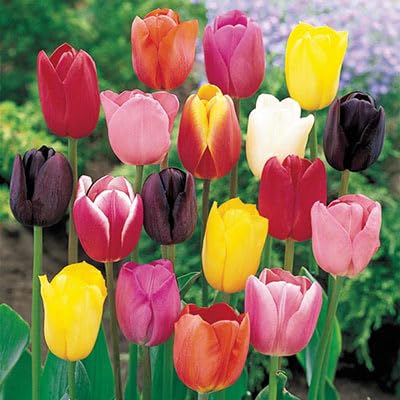
| Flower Type | Best Planting Time |
| Spring bulbs (tulips, daffodils) | Fall |
| Annuals (marigolds, petunias) | Spring after frost |
| Perennial flowers (daylilies, coneflowers) | Spring or fall |
Perennials Vs. Annuals
Perennials live for several years and bloom each season. Annuals complete their life cycle in one year. Knowing this helps plan when to plant for long-term or seasonal color.
- Perennials:Plant in spring or fall for best root growth.
- Annuals:Plant in spring after danger of frost passes.
- Consider climate:Some perennials need cold winters to thrive.
Using Gardening Tools And Resources
Knowing the right time to plant a garden helps your plants grow well. Using tools and resources can guide you to plant at the best time.
Gardening tools and resources give you useful tips. They help you plan and take care of your garden easily.
Garden Calendars And Apps
Garden calendars show the best planting times for different plants. They use your climate and season to give advice.
Apps help you track your garden tasks and remind you when to plant seeds. Many apps offer tips for watering and fertilizing too.
- Track frost dates to avoid planting too early
- Get reminders for planting and harvesting
- Learn about plant care for your area
- Record your garden progress
Local Extension Services
Local extension services offer advice based on your region’s weather and soil. They can tell you the best plants and planting times.
These services often provide free guides, workshops, and soil testing. They help gardeners make good choices and solve problems.
- Receive planting schedules for your area
- Learn about pest and disease control
- Access soil testing and improvement tips
- Join gardening classes and community groups
:max_bytes(150000):strip_icc()/SPR-12-common-perennials-you-should-plant-in-august-for-more-blooms-through-late-fall-11779190-hero-b4af0f1fbf9247fc81473682f9bdeec8.jpg)
Credit: www.thespruce.com
Frequently Asked Questions
When Is The Best Time To Plant A Garden?
The best time to plant a garden depends on your local climate. Generally, spring is ideal after the last frost. Warm-season plants need warmer soil, while cool-season plants can be planted earlier. Check your USDA hardiness zone for specific planting dates.
How Do I Know My Garden’s Planting Season?
Identify your USDA hardiness zone using your zip code online. This zone indicates the average last and first frost dates. Use these dates to plan when to start seeds indoors or transplant outdoors. Local extension offices also provide tailored planting calendars.
Should I Plant A Garden Before Or After Frost?
Avoid planting warm-season crops before the last frost date to prevent damage. Cool-season vegetables tolerate light frost and can be planted earlier. Always monitor local weather forecasts and protect young plants if unexpected frost occurs.
Can I Plant A Garden Year-round?
Some regions allow year-round gardening with proper planning and crop selection. Use season extension techniques like greenhouses, cold frames, and row covers. Choose crops suited for each season to maximize garden productivity throughout the year.
Conclusion
Choosing the right time to plant a garden is essential. Different plants thrive in different seasons. Pay attention to local weather patterns. Spring and fall are popular planting times. Consider the climate in your region. Prepare your soil before planting.
Use quality seeds or seedlings. Water your garden regularly. Monitor growth and adjust care as needed. A little effort leads to a thriving garden. Enjoy the beauty and bounty of your hard work. Gardening brings joy and fresh produce to your home.
Happy planting!