

Are you ready to grow your own fresh vegetables, vibrant flowers, or fragrant herbs? Knowing exactly when to plant a garden can make all the difference between a thriving green space and a disappointing patch of soil.
Timing affects how well your plants take root, how much they yield, and how healthy they stay. You’ll discover simple tips to pick the perfect planting time for your garden, so you can enjoy the best results with less effort.
Keep reading, and you’ll be on your way to a flourishing garden that you’ll be proud of.
Choosing The Right Season
Planting a garden at the right time helps your plants grow well. Different plants do best in different seasons.
Knowing when to plant can save you time and effort. It also improves your garden’s success.
Spring Planting
Spring is a popular time to start gardens. The soil warms up, and days get longer. Many vegetables and flowers like this season.
- Plant cool-weather crops like lettuce and peas early.
- Wait to plant warm-weather crops like tomatoes until the soil is warm.
- Prepare soil by adding compost and removing weeds.
Summer Gardening
Summer brings heat and long days. Some plants thrive in this hot season. Watering is very important in summer.
- Choose heat-loving plants like peppers and eggplants.
- Water early in the morning or late in the evening.
- Mulch to keep soil moist and cool.
Fall Planting
Fall is a good time to plant for a late harvest. Cooler weather helps some plants grow better than in summer.
| Plant | Best Planting Time |
| Carrots | Early Fall |
| Broccoli | Mid to Late Fall |
| Garlic | Late Fall |
Winter Gardening Options
Winter gardening is possible with some care. Use greenhouses or cold frames to protect plants from frost.
Winter gardening tips:
- Grow hardy greens like kale and spinach.
- Use row covers to keep plants warm.
- Start seeds indoors to transplant later.
Climate And Weather Factors
Knowing when to plant a garden depends on the climate and weather in your area. These factors affect how well your plants will grow.
Understanding frost dates, temperature, soil conditions, and rainfall helps you choose the best time to plant.
Frost Dates To Consider
Frost dates tell you when the last frost in spring and the first frost in fall usually occur. Planting too early can kill young plants.
- Find your area’s average last frost date in spring.
- Wait until after this date to plant frost-sensitive seeds.
- Consider the first frost date in fall to harvest crops on time.
- Use local weather services or gardening guides for dates.
Temperature And Soil Conditions
Temperature affects seed germination and plant growth. Soil must be warm enough and loose for roots to grow well.
| Temperature Range | Effect on Plants |
| Below 40°F (4°C) | Seeds may not sprout |
| 50°F – 70°F (10°C – 21°C) | Ideal for most seedlings |
| Above 85°F (29°C) | Can stress young plants |
Soil should be moist but not waterlogged. Test soil by feeling it or using a thermometer before planting.
Rainfall And Moisture Levels
Plants need water to grow, but too much or too little rain can harm them. Monitor rainfall before planting your garden.
Here are tips for managing moisture levels:
- Check local rainfall averages for the planting season.
- Water plants during dry spells to keep soil moist.
- Avoid planting just before heavy rain to prevent root rot.
- Use mulch to retain soil moisture and reduce evaporation.
Plant Types And Timing
Knowing the right time to plant helps your garden grow well. Different plants need different planting times.
Choosing the right type of plant and planting it at the best time leads to a healthy garden.
Annuals Vs Perennials
Annual plants live for one season. They grow, bloom, and die in one year.
Perennials grow back every year. They can live for many years with proper care.
- Plant annuals in spring after the last frost.
- Perennials can be planted in spring or fall.
- Annuals need replanting every year.
- Perennials take longer to bloom but return yearly.
Vegetables And Herbs
Vegetables and herbs have specific planting times. These depend on their frost tolerance.
Cold-tolerant plants go in early spring. Warm-season crops need warmer soil and air.
| Plant Type | Best Planting Time |
|---|---|
| Leafy greens (lettuce, spinach) | Early spring or late summer |
| Tomatoes, peppers | After last frost in spring |
| Herbs (basil, parsley) | After last frost in spring |
| Root vegetables (carrots, beets) | Early spring or late summer |
Flowers And Ornamentals
Flowers and ornamentals vary in planting time by type. Some bloom in spring, others in summer or fall.
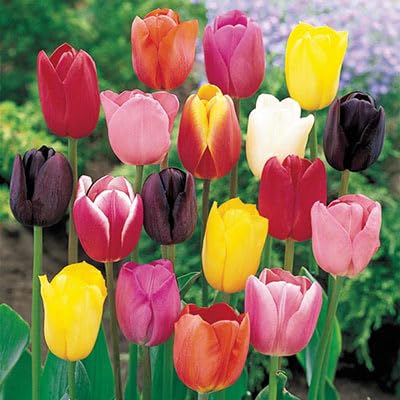
Bulbs like tulips plant in fall. Most annual flowers plant in spring after frost.
- Spring-blooming bulbs: plant in fall
- Summer annuals: plant after frost
- Perennial flowers: plant in spring or fall
- Ornamental grasses: plant in spring

Credit: www.aol.com
Soil Preparation Tips
Good soil is key to a healthy garden. Preparing soil right helps plants grow strong.
Start by learning about your soil. Then improve it before planting your garden.
Testing Soil Health
Check your soil to know its condition. Testing shows nutrients and pH levels.
You can buy a soil test kit or send samples to a lab. Testing helps plan what to add.
- Collect soil from different garden spots
- Mix samples for a good test
- Follow test instructions carefully
- Record results for future reference
Amending Soil
Add materials to improve soil texture and nutrients. This is called soil amending.
Use compost, manure, or peat moss to make soil fertile and soft. Good soil drains well and holds moisture.
- Mix organic matter evenly into the soil
- Avoid adding too much fertilizer at once
- Work amendments into the top 6-8 inches
- Let soil rest for a few days before planting
Mulching Strategies
Mulch covers soil to keep moisture and stop weeds. It also protects roots from heat and cold.
Use straw, wood chips, or leaves as mulch. Apply mulch in a thick layer but keep it away from plant stems.
- Spread 2-3 inches of mulch around plants
- Refresh mulch as it breaks down
- Mulch helps soil stay cool in summer
- Mulch prevents soil erosion during rain
Using Gardening Tools And Technology
Knowing when to plant a garden can be tricky. Using modern tools makes this easier.
Technology helps gardeners track weather, soil, and planting times for better results.
Garden Calendars And Apps
Garden calendars show the best planting times for different plants. Apps give reminders and tips.
These tools help you plan your garden according to your local climate and seasons.
- Track frost dates to avoid planting too early
- Get alerts for planting and harvesting times
- Manage multiple gardens with one app
Weather Monitoring Tools
Weather tools give real-time updates on temperature, rain, and wind. This helps protect your plants.
Knowing the weather helps you decide the best days to plant or water your garden.
- Check daily temperature highs and lows
- Monitor rainfall to plan watering
- Use wind alerts to protect fragile plants
Soil Sensors And Timers
Soil sensors measure moisture and nutrients. Timers control watering schedules automatically.
These tools keep your soil healthy and avoid overwatering or underwatering your plants.
- Soil moisture sensors tell you when to water
- Nutrient sensors help maintain soil health
- Timers save water by setting precise watering times
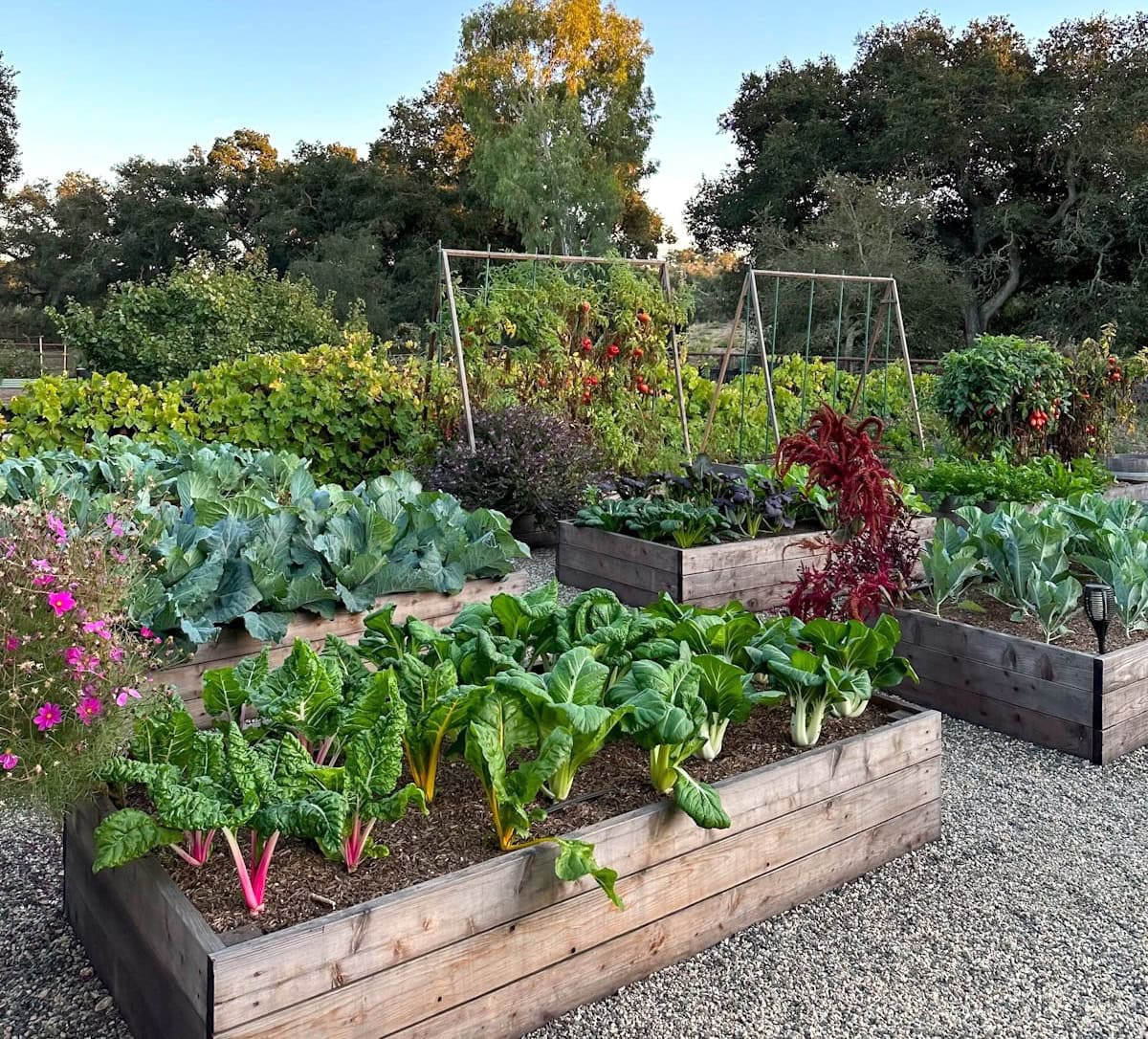
Credit: homesteadandchill.com
Common Planting Mistakes To Avoid
Planting a garden can be fun and rewarding. Yet, many gardeners make mistakes that hurt their plants. Knowing when and how to plant helps your garden grow strong.
This guide covers common errors to avoid. Fixing these will improve your garden’s health and yield.
Planting Too Early Or Late
Planting seeds or seedlings at the wrong time causes poor growth or death. Too early means cold weather can kill young plants. Too late means plants miss the best growing season.
- Check last frost dates before planting.
- Wait until soil warms up for warm-season plants.
- Plant cool-season crops early in spring or fall.
- Use a planting calendar for guidance.
Ignoring Local Climate
Every region has its own climate rules. Ignoring these leads to weak plants and low yields. Choose plants that fit your area’s weather and soil type.
| Climate Factor | Effect on Plants | Tip |
| Temperature | Too hot or cold can stop growth | Pick plants that tolerate your temperature range |
| Rainfall | Too much or too little water stresses plants | Use drought-tolerant or water-loving plants accordingly |
| Soil Type | Clay, sand, or loam affects root health | Amend soil or select plants suited for your soil |
Overwatering And Underwatering
Watering mistakes harm plants. Too much water causes root rot. Too little water makes plants dry and weak. Finding the right balance is key.
- Check soil moisture before watering.
- Water deeply but less often.
- Use mulch to keep soil moist.
- Adjust watering based on weather changes.
Tips For Extending The Growing Season
Planting a garden at the right time helps you get the best results. You can also grow plants longer by using some easy tricks. These tips help you extend the time your garden produces food.
Extending the growing season means your plants grow before and after the usual time. This way, you get fresh vegetables for a longer period.
Using Cold Frames And Greenhouses
Cold frames and greenhouses protect plants from cold weather. They create a warmer space for plants to grow. These tools help start plants early in spring and keep them growing later in fall.
Cold frames are small boxes with clear tops. Greenhouses are larger and can hold many plants. Both trap heat from the sun and stop frost from harming plants.
- Place cold frames in a sunny spot
- Ventilate greenhouses on warm days
- Use heaters or lights if needed
- Check plants daily for water and pests
Selecting Fast-growing Varieties
Choose plants that grow quickly to get food sooner. Fast-growing varieties use less time to reach harvest. This choice helps you fit more crops into a short season.
Look for vegetables labeled as early or quick-maturing. These types give you fresh produce faster than regular ones.
- Radishes grow in about 3 to 4 weeks
- Lettuce can be ready in 30 days
- Spinach often matures in 4 to 6 weeks
- Green beans usually take 50 to 60 days
Succession Planting Methods
Succession planting means planting crops in intervals. This method keeps your garden producing food longer. You plant new seeds as old ones finish growing.
By planting small amounts every few weeks, you get fresh vegetables all season. This approach also reduces waste and makes good use of garden space.
- Plant lettuce seeds every 2 weeks for steady harvests
- Space out carrot planting for a long picking time
- Harvest peas and then plant another batch
- Use different varieties with various maturity dates
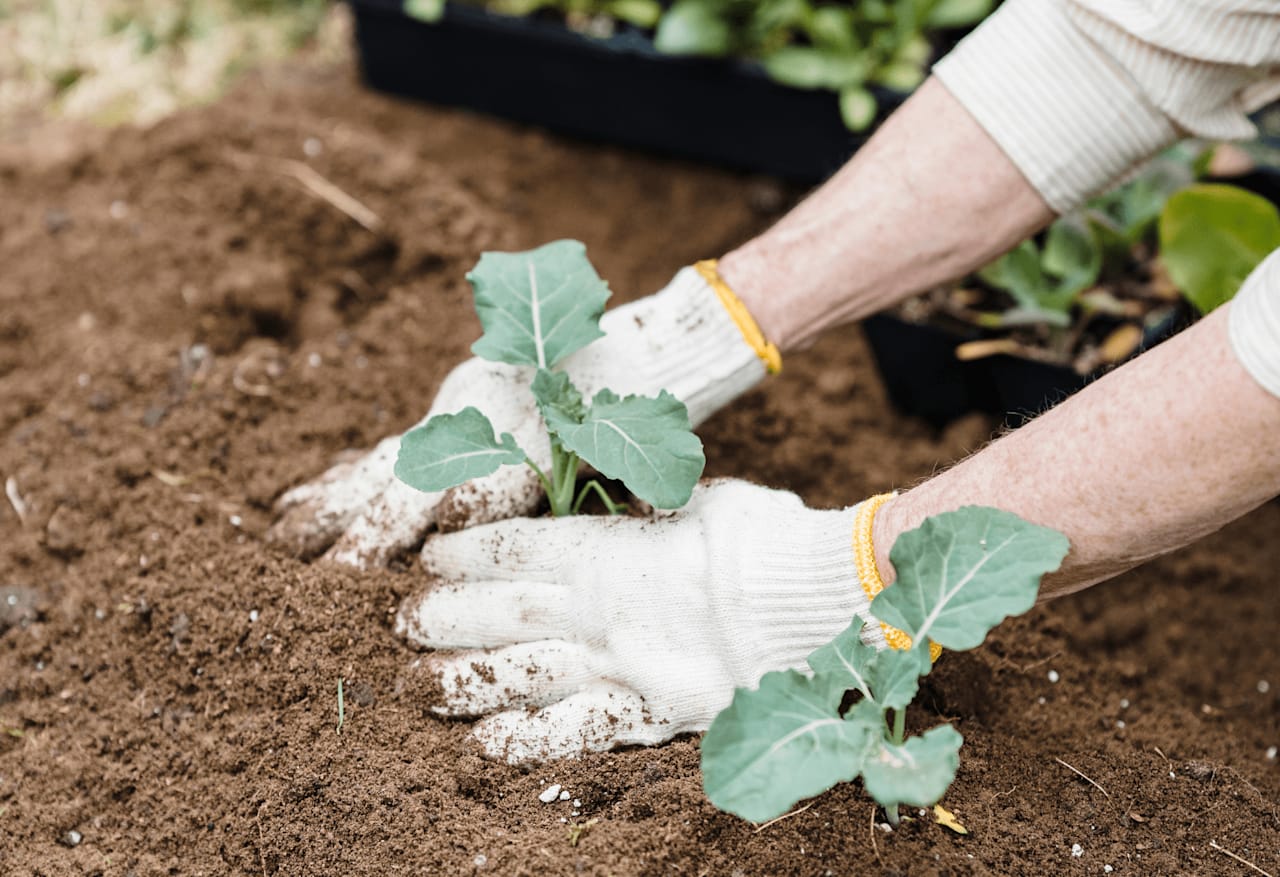
Credit: declute.com
Frequently Asked Questions
What Is The Best Month To Start Gardening?
The ideal month varies by region and plant type. Generally, spring is optimal for most gardens. In colder climates, wait until after the last frost. In warmer areas, you can start earlier. Always check local frost dates and plant needs for the best results.
How Does Climate Affect Planting Times?
Climate dictates when to plant by influencing soil temperature and frost dates. Warm climates allow for earlier planting, while cooler areas require waiting until frost risk passes. Understanding your region’s climate helps in selecting the right time for planting various crops.
Should I Plant Seeds Or Seedlings?
Choosing seeds or seedlings depends on your timeline and expertise. Seeds are cost-effective and offer more variety. Seedlings provide a head start and are easier for beginners. Consider your garden’s needs and your gardening skills when deciding between seeds and seedlings.
When Is The Best Time To Plant Vegetables?
Early spring or late summer is ideal for planting vegetables. Cool-season crops, like lettuce and peas, thrive in early spring. Warm-season vegetables, such as tomatoes and peppers, do better when planted after the danger of frost has passed. Timing impacts yield and success.
Conclusion
Choosing the right time to plant a garden helps your plants grow strong. Watch the weather and soil temperature closely. Planting too early or late can hurt your garden’s success. Start small and learn from each season’s results. Enjoy the process and watch your garden bloom.
Good timing brings a healthy, happy garden every year.