
Have you ever wondered when the best time is to start planting your garden? Knowing exactly when to begin can make all the difference between a thriving garden and a disappointing one.
If you start too early or too late, your plants might struggle to grow or even fail completely. You’ll discover simple signs and tips to help you pick the perfect moment to plant. Keep reading, and you’ll be ready to watch your garden flourish like never before.
Choosing The Right Time
Planting a garden at the right time helps plants grow strong. Knowing when to start saves effort and improves harvests.
This guide explains how to pick the best time to plant by understanding your climate, frost dates, and seasons.
Assessing Your Climate Zone
Climate zones tell you what plants can grow well in your area. They show temperature and weather patterns for the year.
- Find your USDA hardiness zone online
- Check local weather reports for temperature ranges
- Choose plants suited for your zone
- Adjust planting times based on zone info
Tracking Frost Dates
Frost can harm young plants. Knowing the last spring frost and first fall frost helps you avoid damage.
| Frost Date | Meaning |
| Last Spring Frost | Safe to plant tender plants after this date |
| First Fall Frost | Harvest before this date to protect crops |
Seasonal Planting Windows
Each plant type has a best planting time during the year. Planting inside these windows improves growth.
- Spring window: After last frost, when soil warms up
- Summer window: For heat-loving plants that grow fast
- Fall window: Before first frost, for cool-season crops
- Winter window: For mild climates or indoor gardens
Preparing Your Soil
Good soil is key to a healthy garden. Preparing your soil helps plants grow strong roots.
Start early to give your soil time to improve before planting.
Testing Soil Quality
Test your soil to know its pH, nutrients, and texture. This helps you decide what to add.
- Use a soil test kit from a garden store
- Send a soil sample to a local extension service
- Look for color, smell, and texture changes
Improving Soil Fertility
Add natural materials to boost soil nutrients and structure. This feeds plants and holds moisture.
| Soil Amendment | Purpose | How to Use |
| Compost | Adds organic matter and nutrients | Mix into top 6 inches of soil |
| Manure | Increases nitrogen and fertility | Apply well-aged manure before planting |
| Peat Moss | Improves moisture retention | Blend with sandy soils |
| Lime | Raises soil pH if too acidic | Sprinkle and mix in as directed |
Clearing And Tilling
Remove weeds, rocks, and debris from your garden area. Clear space helps plants grow better.
Tilling breaks up soil clumps and aerates it. Use a hoe or tiller to loosen the soil about 6-8 inches deep.
Selecting Plants For Timing
Choosing the right plants depends on when you plan to start your garden. Different plants grow best at different times of the year. Picking plants that match the season helps them grow well.
Understanding plant timing can save you time and effort. It also improves your chances of a healthy and productive garden.
Cool-season Crops
Cool-season crops grow best in early spring or fall. They like cooler temperatures and can tolerate some frost. These crops often grow quickly and can be harvested before hot weather arrives.
Common cool-season crops include lettuce, spinach, peas, and broccoli. Plant these crops as soon as the soil is workable in spring or a few weeks before the first fall frost.
- Lettuce
- Spinach
- Peas
- Broccoli
- Radishes
Warm-season Crops
Warm-season crops need warmer soil and air temperatures to grow well. Plant these crops after the last frost date in your area. They usually grow through the summer when it is hot and sunny.
Examples include tomatoes, peppers, beans, and cucumbers. These plants often take longer to mature and need steady warmth to produce a good harvest.
- Tomatoes
- Peppers
- Beans
- Cucumbers
- Squash
Perennials And Annuals
Perennials come back every year and usually start growing in spring. Plant them early to give roots time to grow before summer heat. Annuals complete their life cycle in one season and should be planted when the weather is warm.
Choose perennials like herbs and flowers that suit your climate. Annuals add color and variety but need planting each year. Both types need proper timing for the best results.
- Perennials: Lavender, mint, daylilies
- Annuals: Marigolds, petunias, zinnias

Credit: www.rasnetwork.org
Starting Seeds Indoors
Starting seeds indoors helps you grow plants earlier in the season. It gives young plants a good start before moving them outside.
This method is useful if you want strong plants ready for your garden when the weather warms up.
Benefits Of Indoor Seed Starting
Growing seeds inside lets you control temperature and light. This helps seeds sprout faster and healthier.
Indoor seed starting also protects young plants from pests and harsh weather.
- Faster germination with stable warmth
- Better control over moisture and light
- Protection from bugs and cold winds
- Longer growing season for your plants
Timing For Different Seeds
Different seeds need to start indoors at different times. This depends on when you want to plant them outside.
Check the seed packet for specific timing. Most seeds start indoors 6 to 8 weeks before the last frost date.
| Seed Type | Start Indoors |
|---|---|
| Tomatoes | 6-8 weeks before last frost |
| Peppers | 8-10 weeks before last frost |
| Herbs (Basil, Parsley) | 6-8 weeks before last frost |
| Broccoli | 4-6 weeks before last frost |
| Beans | Direct sow outside; no indoor start |
Transplanting Seedlings
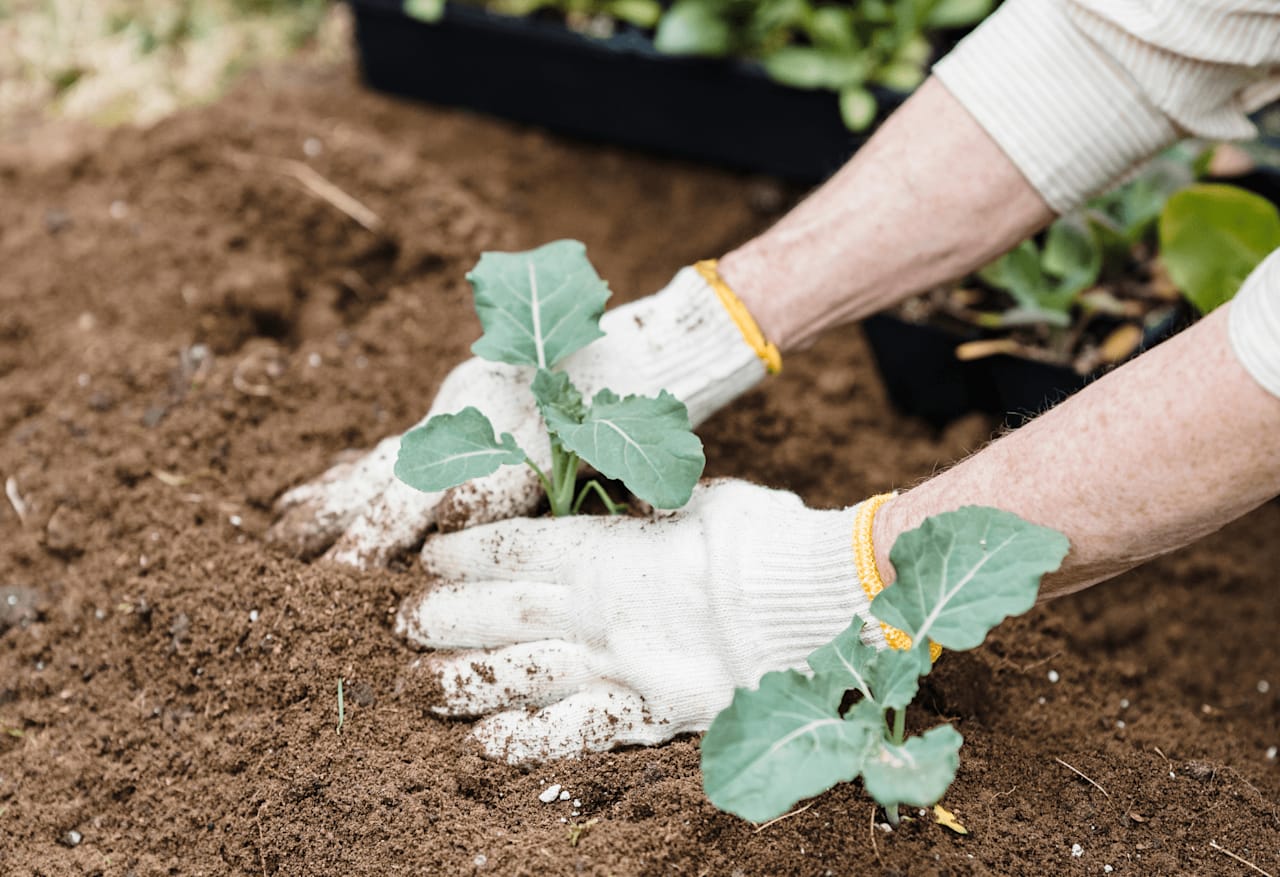
Transplant seedlings outside after hardening them off. This means slowly getting them used to outdoor conditions.
Wait until seedlings have a few true leaves and the outdoor soil is warm enough to avoid shock.
- Move seedlings outdoors for a few hours daily
- Increase outdoor time over 7 to 10 days
- Plant seedlings after last frost date
- Water well after transplanting
Monitoring Weather Conditions
Knowing the weather helps you decide the best time to plant your garden. Weather changes affect seed growth and plant health.
Watching the weather keeps your plants safe from damage and helps them grow strong.
Using Weather Forecasts
Check daily weather reports before planting. Look for temperature, rain, and frost warnings. These details guide your planting dates.
- Use apps or websites for accurate forecasts
- Note the last expected frost date
- Watch for heavy rain or dry spells
- Plan irrigation or protection accordingly
Dealing With Unexpected Frost
Frost can harm young plants. Be ready to protect them if frost is forecasted after planting.
- Cover plants with cloth or plastic sheets
- Use mulch to keep soil warm
- Bring potted plants indoors
- Water plants before frost to keep roots warm
Adjusting Planting Schedule
Sometimes, weather changes force you to change your planting dates. Stay flexible and adjust as needed.
| Weather Condition | Adjustment |
| Late frost expected | Delay planting by 1-2 weeks |
| Early warm weather | Start planting earlier |
| Heavy rain forecast | Prepare drainage or postpone planting |
| Dry spell expected | Plan extra watering |

Credit: migardener.com
Expert Planting Tips
Starting a garden at the right time helps plants grow strong and healthy. Knowing expert tips can improve your planting success.
Good planting practices include proper spacing, watering, and pest control. These steps make your garden thrive.
Spacing And Depth Guidelines
Plant seeds at the right depth to help them sprout easily. Too deep or too shallow can stop growth.
Keep enough space between plants. Crowding slows growth and raises disease risks.
- Check seed packets for depth instructions
- Leave room for roots to spread
- Follow spacing rules for each plant type
- Use markers to keep rows even
Watering Practices
Water plants early in the morning or late in the evening. This reduces water loss from evaporation.
Keep soil moist but not soaked. Overwatering can harm roots and cause disease.
- Use drip irrigation or soaker hoses for steady moisture
- Water the base of plants, not the leaves
- Adjust watering based on weather and soil type
- Check soil moisture with your finger
Pest And Disease Prevention
Keep your garden clean to lower pest and disease problems. Remove dead leaves and debris often.
Use natural methods to control pests. Healthy plants resist bugs and infections better.
- Plant flowers that attract beneficial insects
- Rotate crops to prevent soil diseases
- Inspect plants regularly for signs of pests
- Use organic sprays if needed

Credit: www.zone3vegetablegardening.com
Frequently Asked Questions
When Is The Best Time To Start Planting A Garden?
The best time to start planting depends on your local climate. Generally, early spring after the last frost is ideal. This timing ensures seeds and plants have optimal soil and temperature conditions for growth.
How Do I Know My Garden’s Planting Season?
Check your USDA hardiness zone or local frost dates. These help determine safe planting times. Local gardening guides and extension services offer precise seasonal advice.
What Factors Affect The Garden Planting Schedule?
Soil temperature, weather patterns, and frost dates greatly influence planting times. Also, plant type and growth needs must be considered for successful gardening.
Can I Start Planting A Garden Indoors First?
Yes, starting seeds indoors before the last frost extends your growing season. Use seed trays and proper lighting to nurture seedlings until outdoor planting is safe.
Conclusion
Planting a garden is an exciting journey. Start by checking your local climate. Choose plants suited to your region. Spring is often ideal for many plants. Some vegetables prefer cooler weather, like lettuce or peas. Research and plan ahead for success.
Timing is crucial to ensure healthy growth. Monitor weather patterns and soil conditions. Start small if you’re new to gardening. This helps build confidence and skills. Remember, patience is key. As you gain experience, expand your garden. Enjoy the process of learning and growing.
Happy gardening!