


Are you wondering when to put mulch in your garden to get the best results? Timing is everything when it comes to mulching.
If you do it too early or too late, you might not protect your plants or boost growth the way you want. You’ll discover the perfect moments to add mulch that will keep your garden healthy, save you time, and make your plants thrive.
Keep reading, because knowing the right time to mulch can transform your gardening success.
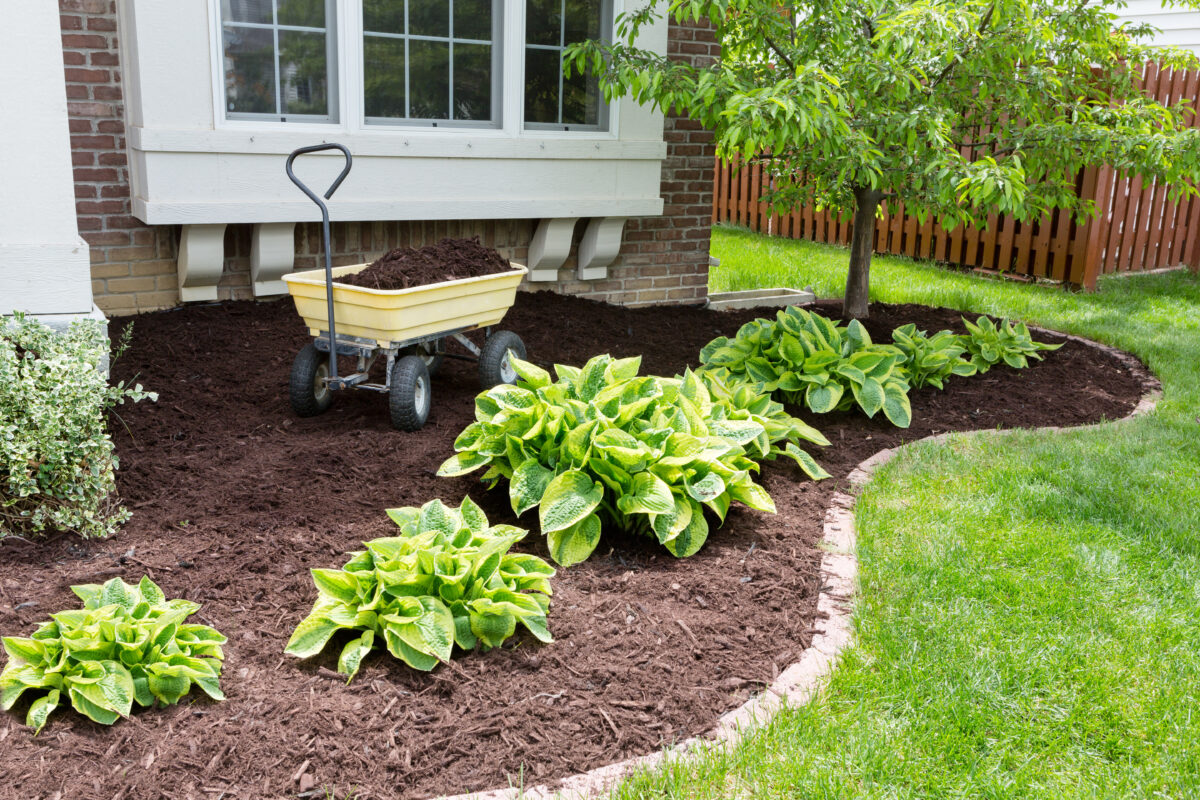
Credit: agwaycapecod.com
Benefits Of Mulching
Mulching helps plants grow by covering the soil around them. It makes your garden healthier and easier to care for.
Adding mulch at the right time can protect plants and improve the soil. It keeps the garden clean and reduces work.
Soil Moisture Retention
Mulch holds water in the soil by slowing evaporation. This keeps the soil moist longer, so plants need less watering.
Moist soil helps roots grow strong and healthy. It also reduces water stress during dry days.
Weed Suppression
Mulch blocks sunlight from reaching weed seeds. This stops many weeds from growing in your garden.
With fewer weeds, your plants get more nutrients and space to grow well.
Temperature Regulation
Mulch keeps the soil cooler in summer and warmer in winter. It protects plant roots from temperature changes.
This helps plants grow better and survive harsh weather conditions.
Soil Health Improvement
Organic mulch breaks down and adds nutrients to the soil. It improves soil structure and helps beneficial organisms.
- Feeds earthworms and microbes
- Increases soil fertility
- Enhances root growth
Best Seasons To Mulch
Mulching is a helpful way to protect plants and soil. It keeps moisture in and stops weeds from growing.
Choosing the right season to mulch helps your garden stay healthy all year. Spring and fall are the best times.
Spring Mulching
Mulching in spring helps keep soil warm and moist. It also stops weeds from growing early.
Apply mulch after the last frost date. This protects new plants and helps them grow strong.
- Use mulch to keep soil temperature steady
- Keep mulch a few inches away from plant stems
- Choose organic mulch like wood chips or straw
Fall Mulching
Fall mulching protects plant roots from cold winter weather. It also adds nutrients to the soil.
Apply mulch after leaves fall and before the ground freezes. This helps plants survive the cold.
- Use thicker mulch layers to insulate roots
- Remove old mulch before adding new
- Choose mulch that breaks down slowly
Signs It’s Time To Mulch
Mulching helps protect your garden soil and plants. Knowing when to add mulch keeps your garden healthy.
Look for clear signs that your garden needs mulch. This guide explains three main signals to watch for.
Dry Soil Conditions
If your garden soil looks dry and cracks easily, it may need mulch. Mulch helps keep moisture in the soil.
Dry soil can harm plant roots and slow growth. Adding mulch reduces water loss and keeps soil damp longer.
Weed Growth
Weeds growing fast in your garden show that mulch is needed. Mulch blocks sunlight and stops weed seeds from sprouting.
Less weed growth means less work for you. Mulching creates a cleaner, healthier garden environment.
- Weeds sprouting between plants
- More weeds than usual
- Weeds growing near garden edges
Soil Temperature Fluctuations
When soil temperature changes a lot, plants can get stressed. Mulch keeps soil temperature steady.
Watch for quick shifts from hot to cold soil. Mulching helps protect roots from these swings.
Types Of Mulch For Different Seasons
Mulching helps protect plants and soil throughout the year. Different mulches work best in different seasons. Choosing the right type keeps your garden healthy.
This guide covers organic and inorganic mulch options. Learn when and why to use each type in your garden.
Organic Mulch Options
Organic mulches break down over time and add nutrients to the soil. They help retain moisture and improve soil texture during growing seasons.
- Spring:Use fresh grass clippings or shredded leaves to warm the soil and add nutrients.
- Summer:Apply straw or bark chips to keep soil cool and moist.
- Fall:Spread compost or shredded bark to protect roots and prepare soil for winter.
- Winter:Use heavier mulches like wood chips or straw to insulate plants from frost.
Inorganic Mulch Choices
Inorganic mulches do not break down but help control weeds and maintain soil temperature. They are good for long-term use and low maintenance.
| Mulch Type | Best Season | Benefits |
|---|---|---|
| Black plastic | Spring, Summer | Warms soil quickly, controls weeds |
| Landscape fabric | All year | Allows water flow, blocks weeds |
| Gravel or stones | Summer, Fall | Prevents erosion, adds decoration |
| Rubber mulch | All year | Durable, does not decompose |
How To Apply Mulch Correctly
Mulching helps keep your garden healthy and neat. It protects plants and saves water.
Using mulch the right way improves its benefits. Follow these tips for best results.
Preparing The Garden Bed
Clear the garden bed of weeds and debris before adding mulch. This stops weeds from growing under the mulch.
Water the soil well after cleaning. Moist soil helps mulch settle and plants stay hydrated.
Mulch Thickness And Coverage
Spread mulch evenly over the soil surface. Aim for a thickness of 2 to 4 inches.
Too thin mulch lets weeds grow. Too thick mulch can stop water and air from reaching roots.
- Use 2-4 inches of mulch for best protection
- Keep mulch a few inches away from plant stems
- Cover the whole garden bed evenly
Avoiding Common Mistakes
Do not pile mulch against plant stems or tree trunks. This can cause rot and pests.
Do not use old or moldy mulch. Fresh mulch works better and looks nicer.
- Keep mulch 2-3 inches away from stems
- Replace mulch yearly to keep it fresh
- Avoid compacting mulch too hard
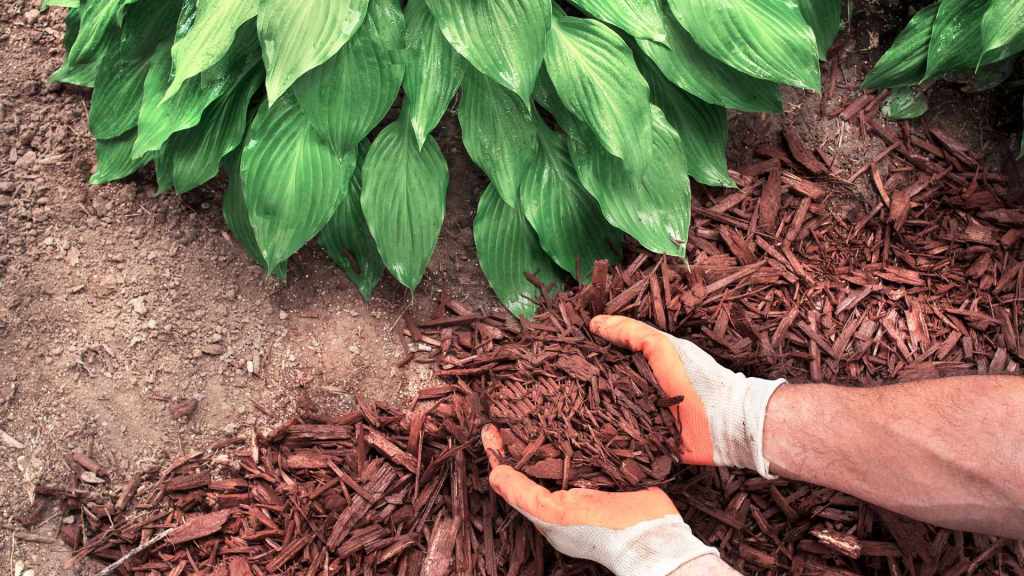
Credit: tylerpaper.com
Mulch Maintenance Tips
Mulch helps keep your garden healthy. It controls weeds and holds moisture in the soil.
Regular care of mulch keeps it working well. Check your mulch often to know when to add more.
When To Replenish Mulch
Add fresh mulch after a few months. Mulch breaks down and becomes thin over time. Adding new mulch keeps your plants protected.
- If mulch looks patchy or bare, add more.
- After heavy rain or wind, check if mulch has washed away.
- In spring or fall, it is good to refresh mulch layers.
- When mulch changes color or smells musty, replace it.
Monitoring Mulch Condition
Watch mulch for signs of wear and damage. Healthy mulch should look fresh and be about 2 to 3 inches thick.
| Mulch Condition | What to Do |
|---|---|
| Thin or patchy | Add a new layer of mulch |
| Compacted or hard | Loosen with a rake before adding more |
| Wet and smelly | Remove old mulch and replace |
| Mixed with weeds | Pull weeds and add fresh mulch |

Credit: savvygardening.com
Frequently Asked Questions
When Is The Best Time To Mulch A Garden?
The ideal time to mulch is in early spring. This helps retain moisture and suppress weeds during the growing season. Applying mulch when the soil is warm encourages plant growth. However, fall is also a good time to mulch as it insulates the soil over winter.
Should I Mulch Before Or After Planting?
It’s best to mulch after planting. This ensures that seeds or plants are not smothered by the mulch. Mulching after planting helps retain moisture and suppress weeds. Ensure to keep mulch away from the base of plants to prevent rot.
How Thick Should Mulch Be In The Garden?
A layer of 2 to 4 inches is ideal for most gardens. This thickness helps retain soil moisture and suppresses weeds effectively. Too little mulch won’t offer benefits, while too much can suffocate plant roots. Ensure even distribution for optimal results.
Can I Mulch In Winter?
Yes, mulching in winter is beneficial. It insulates plant roots and protects soil from temperature fluctuations. Winter mulch helps prevent soil erosion and provides a stable environment for beneficial organisms. Use materials like straw or shredded leaves for best results.
Conclusion
Mulching at the right time helps plants grow strong and healthy. Apply mulch after soil warms up in spring or early summer. Mulch keeps soil moist and stops weeds from growing. It also protects roots from cold in fall. Avoid mulching too early or too late to get best results.
Remember, a well-timed mulch saves water and improves soil health. Watch your garden and add mulch when needed. This simple step makes a big difference for your plants.