

Are you excited to grow your own garden but unsure when to start your seeds indoors? Timing is everything when it comes to planting seeds inside.
Starting too early or too late can affect how strong your plants grow and how well they thrive outside. You’ll discover exactly when to begin your indoor seed planting to give your garden the best possible start. Keep reading to unlock simple tips that will help you grow healthy, vibrant plants from the very first seed.
Benefits Of Starting Seeds Indoors
Starting seeds indoors helps gardeners grow plants before outdoor conditions are ready. It gives more time for plants to grow strong and healthy.
Indoor seed starting lets you control how seeds grow. You can protect young plants from bad weather and pests.
Extended Growing Season
Starting seeds indoors gives plants a head start. You can begin growing weeks before the last frost date.
This means plants have more time to mature and produce fruits or flowers in the garden.
Control Over Growing Conditions
Growing seeds indoors lets you control light, temperature, and moisture. These factors help seeds sprout well.
You can keep plants safe from pests and harsh weather until they are strong enough to go outside.
Cost Savings
Starting seeds indoors is cheaper than buying mature plants. Seed packets cost less and last for many seasons.
You can grow many plants from a few seeds, saving money on buying plants from stores.
Best Time To Start Seeds Indoors
Starting seeds indoors gives plants a head start on the growing season. It helps protect young seedlings from harsh weather. Knowing the right time to start seeds indoors is important for a strong garden.
This guide covers the main factors that influence when to start seeds indoors. You will learn how to read seed packets and consider your local climate for the best results.
Factors Influencing Timing
Several factors affect when you should start seeds indoors. These include the type of plant, the length of the growing season, and how long the seeds take to grow before transplanting.
- Seed germination time: Some seeds take longer to sprout than others.
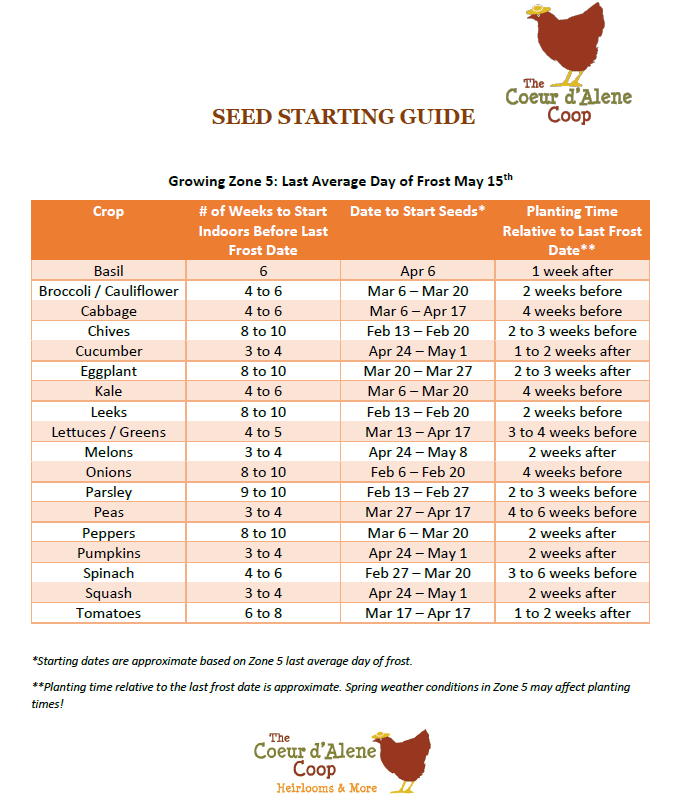
- Frost dates: Knowing your last frost date helps plan when to move seedlings outside.
- Plant maturity: Consider how long the plant needs to mature before harvest.
Seed Packet Guidelines
Seed packets offer key information on when to start seeds indoors. They usually list the best sowing time and days to germination. Always read these instructions carefully before planting.
| Information on Seed Packet | Description |
|---|---|
| Start Indoors | Recommended weeks before last frost date to sow seeds inside. |
| Days to Germination | How long seeds take to sprout after planting. |
| Planting Depth | How deep to plant the seeds for best growth. |
| Light Needs | Whether seeds need light or darkness to germinate. |
Local Climate Considerations
Your local weather affects when to start seeds indoors. Areas with short growing seasons may need earlier indoor sowing. Warmer regions can start seeds later or even plant outside sooner.
Consider these local climate tips:
- Check your hardiness zone for frost dates.
- Monitor indoor temperature to keep seedlings warm.
- Use grow lights if natural light is weak.
- Adjust watering based on humidity and heat.
Choosing Seeds For Indoor Starting
Starting seeds indoors helps plants grow strong before moving outside. Picking the right seeds is key for success.
Some seeds do better indoors than others. Knowing which ones to pick saves time and effort.
Vegetables That Thrive Indoors
Many vegetables grow well when started inside. They need enough light and warmth to sprout.
Choose vegetables that do not require a long growing season. They will be ready to move outside sooner.
- Tomatoes
- Peppers
- Lettuce
- Spinach
- Broccoli
- Cabbage
Herbs And Flowers
Herbs and flowers are great for indoor starting. They often need less space and grow fast.
Many herbs and flowers do well in small pots near a sunny window. They add beauty and flavor to your home.
- Basil
- Parsley
- Chives
- Marigolds
- Pansies
- Zinnias
Avoiding Difficult Seeds
Some seeds are hard to start indoors. They need special care or take too long to grow.
Avoid seeds that need cold or light to germinate. These seeds do better when sown outside.
- Root vegetables like carrots and parsnips
- Beans and peas
- Corn
- Squash and pumpkins
- Some biennial flowers
Preparing For Seed Starting
Starting seeds indoors helps plants grow strong before moving outside. It lets you control temperature and light for better results.
Good preparation makes seed starting easier and more successful. You need the right containers, soil, tools, and a proper space.
Selecting Containers And Soil
Choose containers that drain well to avoid water buildup. You can use seed trays, pots, or recycled containers with holes.
- Plastic seed trays with drainage holes
- Peat pots or biodegradable containers
- Egg cartons or yogurt cups with holes added
Use seed-starting mix, which is light and drains well. Avoid garden soil because it can hold too much water and contain pests.
Tools And Supplies Needed
Having the right tools helps with planting and caring for seeds. Keep everything clean to prevent disease.
| Tool | Purpose |
| Seed trays or containers | Hold soil and seeds |
| Seed-starting mix | Provides loose, nutrient-rich soil |
| Watering can or spray bottle | Gently moistens soil |
| Labels and markers | Identify seed types and planting dates |
| Heating mat (optional) | Maintains warm soil temperature |
Setting Up A Growing Space
Pick a spot with good light, like a sunny windowsill or under grow lights. Keep the area warm and draft-free.
- Place trays near a south-facing window or use grow lights
- Maintain temperatures between 65°F and 75°F (18°C – 24°C)
- Use a heat mat if room temperature is too low
- Ensure good air circulation to prevent mold
Step-by-step Seed Starting Process
Starting seeds indoors helps plants grow strong before moving outside. It saves time and gives you a head start on the gardening season.
Follow simple steps to plant seeds, water them, and provide the right light and temperature. This guide will help you grow healthy seedlings.
Seed Planting Depth And Spacing
Plant seeds at the correct depth to ensure they sprout well. Too deep or too shallow planting can stop growth.
Keep enough space between seeds to avoid crowding. Crowded seedlings may not grow strong or healthy.
- Check seed packet for recommended planting depth
- Usually, plant seeds about two times as deep as their size
- Space seeds according to the type of plant
- Thin seedlings if they grow too close together
Watering Techniques
Keep soil moist but not wet. Too much water can cause seeds to rot.
Water gently to avoid washing away seeds or harming small seedlings.
- Use a spray bottle or a watering can with a fine rose
- Water from the bottom by placing containers in shallow water
- Check soil daily for moisture and water when dry
- Avoid overwatering which can cause mold or fungus
Light And Temperature Requirements
Seeds need warmth to sprout and light to grow strong. Different plants have different needs.
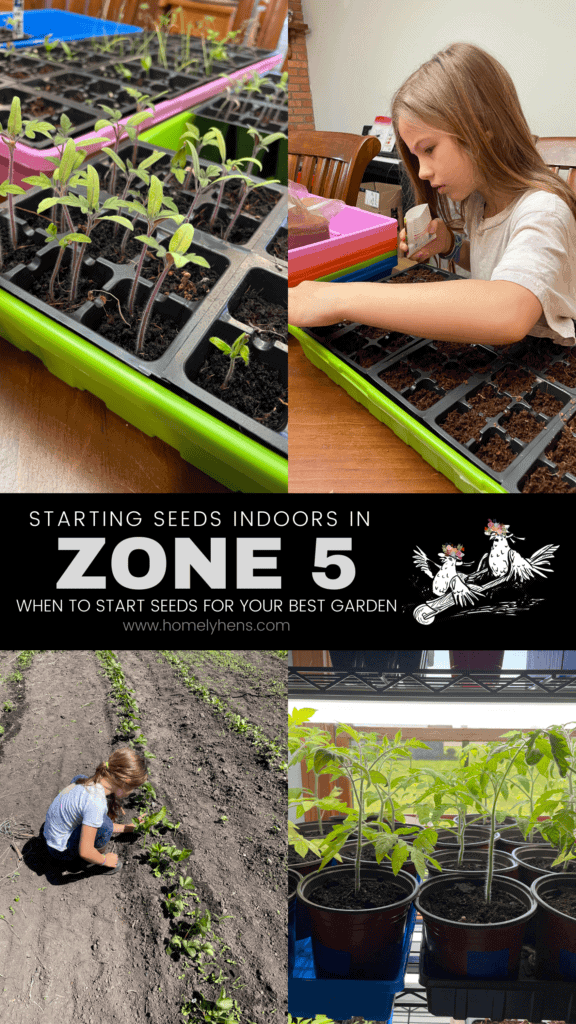
Provide 12 to 16 hours of light daily using grow lights or sunny windows.
- Keep temperature between 65°F and 75°F for most seeds
- Use heat mats for warmth if room is cool
- Move seedlings to bright light as soon as they sprout
- Avoid cold drafts or sudden temperature drops
Credit: homelyhens.com
Caring For Seedlings Indoors
Starting garden seeds indoors helps plants grow strong before moving outside. Taking good care of seedlings is important for healthy growth.
Seedlings need the right amount of water, light, and nutrients. Watch them closely to prevent problems early on.
Watering And Feeding
Water seedlings carefully. Keep the soil moist but not soaked. Too much water can cause roots to rot.
Feed seedlings with a weak fertilizer solution after they grow their first true leaves. This helps plants get needed nutrients.
- Use a spray bottle or gentle watering can
- Water when the top soil feels dry
- Choose a balanced, diluted fertilizer
- Feed every 1-2 weeks for best results
Thinning Seedlings
Seedlings often grow too close together. Thinning means removing weaker plants to give others space.
Thin seedlings when they have their first set of true leaves. This helps strong plants get enough light and nutrients.
- Choose the strongest seedlings to keep
- Use scissors to cut weaker ones at soil level
- Leave enough space for growth
- Be gentle to avoid disturbing roots
Preventing Common Problems
Seedlings can face problems like mold, pests, or stretching. Watch plants daily to catch issues early.
Good air flow, proper watering, and enough light help prevent these problems. Clean tools and containers also reduce risks.
- Keep seedlings away from drafts and cold spots
- Water only when soil is dry on top
- Provide 12-16 hours of light daily
- Use a fan for air circulation if possible
- Check plants for pests or mold often
When And How To Transplant Seedlings
Starting garden seeds indoors helps plants grow strong before moving outside. Transplanting seedlings at the right time is key for healthy growth.
This guide explains how to know when seedlings are ready to move. It also covers how to prepare them and plant them in the garden.
Signs Seedlings Are Ready
Seedlings are ready to transplant when they have several true leaves. True leaves come after the first small leaves called cotyledons.
Look for strong stems and healthy color. Avoid transplanting weak or yellowing seedlings.
- Two to four true leaves show good growth
- Seedlings stand upright and have thick stems
- Leaves look green and healthy
- Roots start to fill the seedling pot but are not crowded
Hardening Off Process
Hardening off helps seedlings adjust to outdoor conditions. This step prevents shock from sun, wind, and cooler temperatures.
Move seedlings outside for a few hours each day. Increase time outside over one to two weeks before planting in the garden.
- Start with 1-2 hours in a shaded spot
- Gradually increase sunlight and time outdoors
- Bring seedlings inside at night during early days
- Avoid windy or very hot days at first
Planting In The Garden
Choose a calm day to plant seedlings in the garden. Prepare the soil by loosening and adding compost if needed.
Dig holes large enough for the seedling roots. Place seedlings gently and cover roots with soil. Water the plants well after planting.
- Plant seedlings at the same depth as in their pots
- Space plants according to seed packet instructions
- Water seedlings immediately after planting
- Mulch around plants to keep soil moist
Credit: thecoeurdalenecoop.com
Troubleshooting Common Issues
Starting garden seeds indoors can be tricky. Many gardeners face problems that stop seedlings from growing well.
Knowing how to fix common issues helps your seeds grow strong and healthy. Read on for tips on common problems.
Damping Off Disease
Damping off is a fungal disease that kills young seedlings quickly. It causes stems to become thin and wet near the soil.
To prevent damping off, keep soil clean and avoid overwatering. Use fresh seed-starting mix and good airflow.
- Use sterile pots and soil
- Water seedlings from the bottom
- Keep the area well ventilated
- Avoid overcrowding seedlings
Leggy Seedlings
Leggy seedlings grow tall and thin with weak stems. This happens when they do not get enough light.
To fix legginess, move seedlings to a brighter spot or use grow lights. Keep lights close to the plants.
- Provide 12-16 hours of light daily
- Use fluorescent or LED grow lights
- Keep light 2-3 inches above seedlings
- Turn seedlings regularly for even growth
Pests And Diseases
Indoor seedlings can get pests like aphids or diseases like mold. These harm seedlings and slow growth.
Check seedlings often. Remove pests by hand or use safe insect sprays. Keep area clean to avoid diseases.
- Inspect leaves and stems daily
- Remove dead leaves and debris
- Use insecticidal soap for pests
- Keep humidity low to prevent mold
Tips For Maximizing Success
Starting garden seeds indoors gives plants a strong start. It helps you control the environment. Careful planning and tools improve your results.
Here are some tips to help you grow healthy seedlings and transplant them with confidence.
Record Keeping And Scheduling
Keep a garden journal to track seed types and planting dates. This helps you avoid confusion and plan better next year.
- Write down seed variety and purchase date
- Note the indoor sowing date for each seed
- Record germination time and growth progress
- Mark transplant dates and outdoor planting times
- Review notes to adjust future planting schedules
Using Grow Lights Effectively
Grow lights give seedlings the light they need inside. Position lights close but not too close to avoid burning leaves.
| Light Type | Distance from Plants | Daily Hours |
| Fluorescent | 2 to 4 inches | 12 to 16 |
| LED | 6 to 12 inches | 12 to 16 |
| Incandescent | Not recommended | – |
Keep lights on a timer to give a consistent day length. This helps plants grow evenly and stay strong.
Selecting Fast-growing Varieties
Choose seed types that grow quickly to save time and space. Fast growers reach transplant size sooner.
- Look for varieties labeled “quick” or “early”
- Try radishes, lettuce, or herbs for fast results
- Check seed packets for days to germination
- Mix fast growers with slower ones for steady harvests
Credit: homelyhens.com
Frequently Asked Questions
When Should You Start Seeds Indoors?
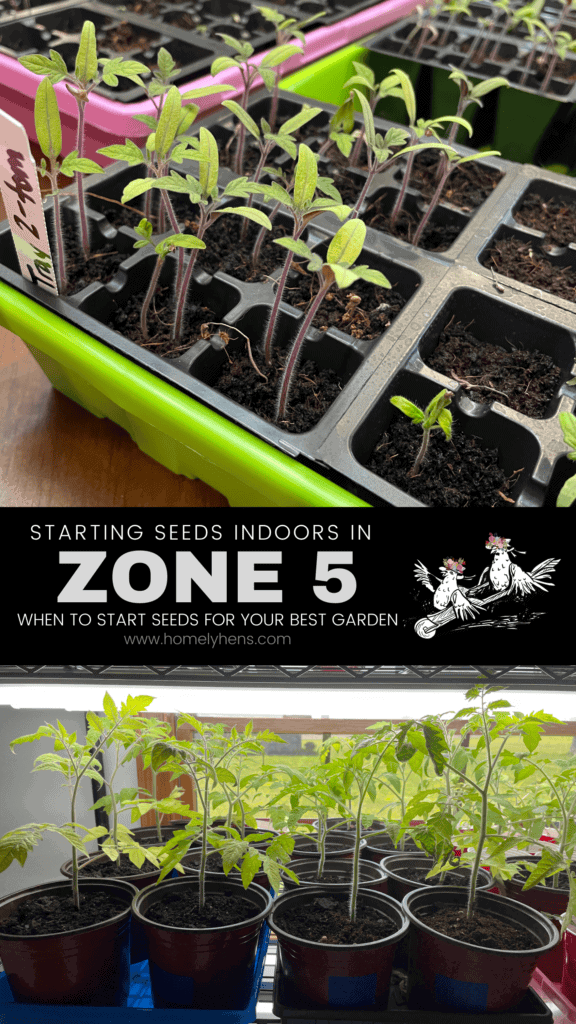
Start seeds indoors 6-8 weeks before the last expected frost. This allows young plants to establish themselves before being transplanted outdoors. Use a seed-starting calendar specific to your region to determine precise timing. Proper timing ensures healthy growth and optimizes your garden’s success for the upcoming season.
What Seeds Are Best To Start Indoors?
Tomatoes, peppers, and eggplants are ideal for starting indoors. These plants require a longer growing season and benefit from an early start. Leafy greens, such as lettuce and kale, can also be started indoors. Starting these seeds indoors can lead to a more robust and productive garden.
How Do You Prepare Soil For Indoor Seeds?
Use a sterile seed-starting mix for the best results. This mix provides a lightweight, well-draining environment for seedlings. Moisten the soil before planting seeds to ensure even moisture distribution. Avoid garden soil, as it may contain pests and diseases that can harm seedlings.
What Light Conditions Do Indoor Seeds Need?
Indoor seeds need 12-16 hours of light daily. Use fluorescent or LED grow lights to ensure adequate light. Position lights 2-4 inches above seedlings. Natural sunlight might not be sufficient, especially in early spring. Adjust light height as plants grow to maintain the optimal distance.
Conclusion
Starting garden seeds indoors at the right time helps plants grow strong. Seeds need warmth, light, and care to sprout well. Count back from your last frost date to know when to begin. Early indoor planting gives seedlings a head start for outdoor growth.
Watch for signs like sprouting and healthy leaves before moving plants outside. Planning and timing make gardening easier and more fun. Try it this season and enjoy fresh plants sooner. Simple steps lead to a successful garden.