



Are you planning to build a garden shed but worried about where to start? The foundation is the most important part of your shed—it keeps everything stable, level, and long-lasting.
Choosing the right garden shed foundation kit can save you time, effort, and money. Imagine having a strong base that protects your shed from weather damage and makes assembly easy. You’ll discover everything you need to know about garden shed foundation kits, so you can build with confidence and enjoy your new space for years to come.
Keep reading to find out how to pick the perfect foundation kit for your garden shed!

Credit: www.amazon.com
Choosing The Right Location
Picking the right place for your garden shed is very important. It helps your shed last longer and stay safe.
Think about the land, water flow, sun, and how easy it is to get to your shed. These things make a big difference.
Assessing Ground Conditions
Check the soil where you want to build your shed. The ground should be firm and flat.
Avoid soft or sandy soil because it may not support the shed well. Clear away rocks and roots first.
Ensuring Proper Drainage
Water should not collect near your shed. Good drainage stops water damage and wood rot.
Choose a spot that is higher than the rest of your yard. This helps water flow away from the shed.
- Look for slopes that guide water away
- Keep gutters and drains clear
- Use gravel or stones to improve drainage
Considering Sunlight And Accessibility
Think about how much sun the shed will get. Some tools may need sunlight to dry properly.
Make sure the shed is easy to reach. Clear paths help you carry tools and materials inside.
- Place near garden or work area
- Leave space for doors to open fully
- Avoid shaded areas to reduce dampness
Types Of Foundation Kits
Garden shed foundation kits come in various types. Each has unique features and benefits for different needs. Understanding these can help you choose the best foundation for your shed.
Let’s explore the different types of foundation kits available. This will guide you in selecting the right one for your garden shed.
Concrete Slab Kits
Concrete slab kits are sturdy and durable. They provide a solid base for your garden shed. These kits often require more preparation and time to install.
- Strong and long-lasting
- Resistant to weather changes
- Needs proper leveling
Wooden Frame Kits
Wooden frame kits are easy to install. They offer a natural look that blends well with gardens. These kits are perfect for temporary or lightweight structures.
| Feature | Benefit |
| Ease of installation | Quick setup |
| Natural appearance | Blends with garden |
| Lightweight | Suitable for small sheds |
Plastic Grid Kits
Plastic grid kits are lightweight and easy to handle. They are ideal for DIY enthusiasts. These kits are perfect for areas with good drainage.
Tools And Materials Needed
Building a garden shed starts with having the right tools and materials. This guide lists what you need for a solid foundation.
Gather these items before you begin. They will help make the process safe and efficient.
Essential Tools
- Measuring tape
- Spirit level
- Shovel
- Hammer
- Power drill with drill bits
- Screwdriver set
- Wheelbarrow
- Carpenter’s square
- Utility knife
- Rubber mallet
Foundation Kit Components
| Component | Description | Quantity |
|---|---|---|
| Concrete blocks | Supports the shed base | 8-12 pieces |
| Gravel | Provides drainage under blocks | 1 cubic yard |
| Pressure-treated timber beams | Frame for the foundation | 4 pieces (8 ft each) |
| Anchor bolts | Secure frame to blocks | 12 bolts |
| Plastic sheeting | Moisture barrier under gravel | 1 sheet (10×10 ft) |
Safety Gear
Wear safety gear to protect yourself during construction.
- Work gloves to protect hands
- Safety glasses to shield eyes
- Steel-toed boots for foot protection
- Dust mask when handling gravel or sawdust
- Ear protection if using loud power tools
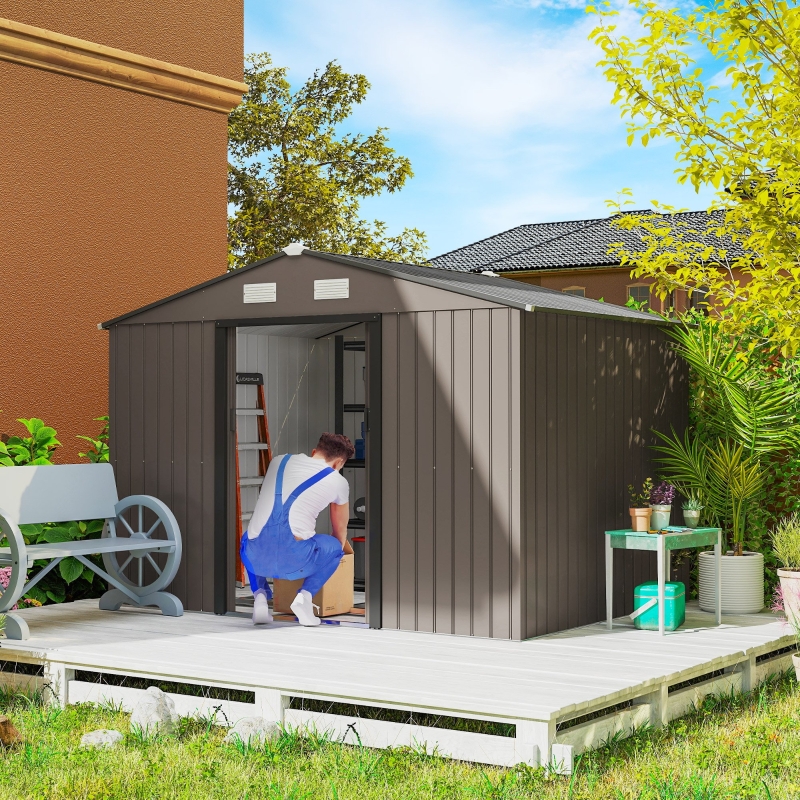
Credit: www.aosom.ca
Preparing The Site
Preparing the site is the first step in building a strong garden shed foundation. It helps ensure the shed stays stable and lasts a long time.
Careful preparation prevents problems like uneven floors and water damage. Follow these steps to get your site ready.
Clearing And Leveling The Area
Clear the site by removing grass, rocks, and debris. This creates a clean space for the foundation.
Use a shovel or rake to level the ground. A flat surface makes the shed more stable.
- Remove plants and roots
- Take away stones and sticks
- Use a level tool to check flatness
- Add or remove soil to even the area
Marking The Foundation Outline
Mark the shed’s foundation shape on the ground. This guides you during digging and building.
Use stakes and string to outline the shed base. Measure carefully to match your shed size.
- Place stakes at each corner
- Tie string between the stakes
- Check diagonal measurements for squareness
- Adjust strings to correct the shape
Excavating For Base
Dig inside the marked outline to create space for the foundation base. The depth depends on your shed type.
Remove soil evenly to keep the base level. This helps the foundation stay strong and stable.
- Dig down to the required depth
- Keep the bottom flat and smooth
- Remove loose soil and debris
- Check level with a tool often
Installing The Foundation Kit
Installing a garden shed foundation kit is important for a strong base. It keeps your shed stable and safe over time.
This guide explains how to install the foundation kit step by step. Follow each part carefully for the best results.
Setting Up The Frame
Start by laying out all the frame pieces on a flat surface. Arrange them according to the instructions.
Connect the frame parts together using the provided screws or bolts. Make sure each corner fits tightly.
Securing The Base Components
Place the base components on the ground where you want the shed. Check that the area is clear of debris.
Fasten the base parts firmly to the frame using the hardware in the kit. Tighten all bolts to avoid movement.
- Use a wrench or screwdriver for tightening
- Double-check all connections for security
- Keep bolts snug but avoid over-tightening
Checking Level And Alignment
Use a level tool to check if the foundation is even on all sides. Adjust the base pieces if needed.
Make sure the frame is square by measuring diagonals. Both diagonal lengths should be equal for proper alignment.
- Place the level on each side of the frame
- Add shims under the base if parts are uneven
- Recheck diagonal measurements after adjustments
Finalizing The Base
Building a strong foundation is key for your garden shed. A solid base keeps the shed stable and prevents damage over time.
This guide explains how to finish the base for your garden shed foundation kit. Follow these steps for a secure setup.
Adding Gravel Or Sand Layer
Start by spreading a layer of gravel or sand over the foundation area. This helps with drainage and prevents water buildup.
Use about 2 to 4 inches of material to create a smooth, even surface for the shed base.
- Gravel allows water to drain quickly
- Sand helps level the surface
- Both reduce soil movement under the shed
Compacting The Foundation
After spreading gravel or sand, compact it well. This makes the base firm and stable for your shed.
Use a hand tamper or plate compactor to press down the layer until it feels solid underfoot.
- Compact in small sections
- Check for any low spots
- Fill and compact again if needed
Waterproofing And Protection
Protect your foundation from moisture by adding a waterproof barrier. This prevents water damage to the shed floor.
Use a plastic sheet or roofing felt over the compacted layer before placing the shed floor.
- Lay the barrier flat with no wrinkles
- Extend the edges beyond the base
- Seal overlaps with waterproof tape
Maintenance Tips For Longevity
Keeping your garden shed foundation kit in good shape helps it last longer. Simple care steps can prevent big problems.
Check your foundation regularly and fix small issues fast. This saves time and money in the long run.
Regular Inspections
Look over your shed foundation often. Watch for cracks, shifts, or loose parts. Early spotting stops damage from spreading.
- Inspect after storms or heavy rain
- Check for signs of sinking or unevenness
- Look under the shed for pests or mold
- Note any cracks or chips in the foundation material
Addressing Moisture Issues
Moisture harms your foundation. It can cause wood rot and weaken concrete. Keep water away from the base.
| Cause | Effect | Action |
| Poor drainage | Water pools near foundation | Install gutters and drains |
| Leaking gutters | Water drips on foundation edges | Repair or replace gutters |
| Wet soil | Foundation shifts or sinks | Improve soil grading |
Repairing Minor Damages
Fix small cracks and holes fast. This stops water entry and keeps the foundation strong.
- Fill cracks with suitable sealant
- Replace damaged wood or panels
- Clean and repaint exposed surfaces
- Secure loose fasteners and bolts
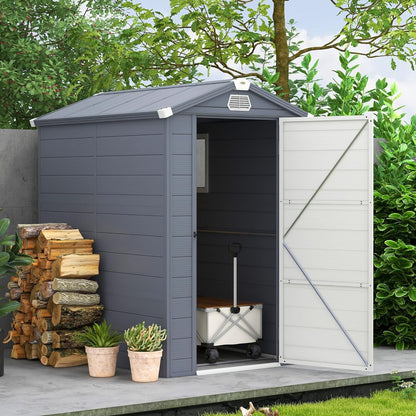
Credit: superstore.quidsin.com
Frequently Asked Questions
What Is A Garden Shed Foundation Kit?
A garden shed foundation kit includes materials to build a stable base. It ensures your shed is level, durable, and protected from moisture and pests. Using a kit simplifies installation and provides all needed components for a secure foundation.
Why Choose A Garden Shed Foundation Kit?
Choosing a foundation kit saves time and effort. Kits come with pre-measured parts, making assembly easier. They provide a strong, level base that extends the shed’s lifespan and prevents structural damage caused by uneven ground or water.
How Do I Install A Garden Shed Foundation Kit?
Installation involves clearing the site, leveling the ground, and assembling kit components. Follow the instructions carefully for proper alignment and securing. Most kits include easy-to-follow guides, making the process straightforward for DIY enthusiasts.
What Materials Are In A Garden Shed Foundation Kit?
Materials often include treated wood, metal brackets, and fasteners. These components resist rot, rust, and wear. Quality materials ensure a long-lasting foundation that supports your garden shed in various weather conditions.
Conclusion
Choosing the right garden shed foundation kit makes a big difference. It keeps your shed stable and safe. A strong foundation stops damage from weather and ground movement. Kits are easy to install and save time. They help your shed last for many years.
A good base means less repair work later. Simple steps can protect your garden investment well. Think of the foundation as the first step to success. Solid ground, solid shed.