

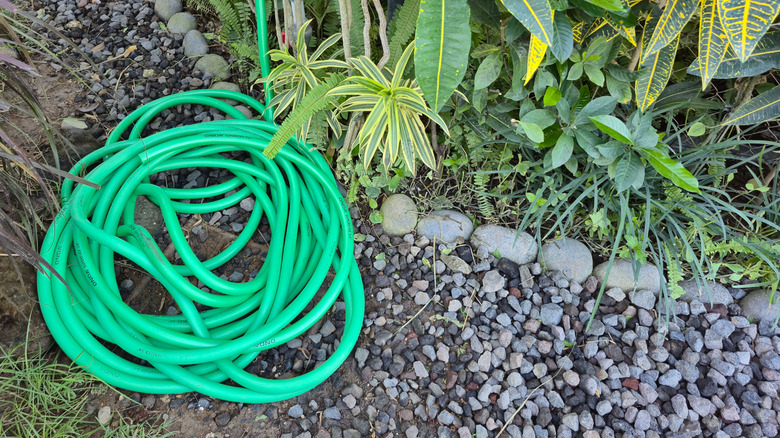


Are you looking to transform your outdoor space with a touch of charm and elegance? A stone garden path might be just what your garden needs.
Imagine walking along a beautiful, sturdy path that guides you through your favorite plants and flowers. It not only adds style but also makes your garden more inviting and easy to explore. You’ll discover simple and creative stone garden path ideas that can fit any style and budget.
Keep reading to find the perfect inspiration for your own garden makeover.
Choosing Stone Types
Stone garden paths add charm and durability to outdoor spaces. Picking the right stone type is key for style and function. This guide helps you choose between natural and manufactured stones and explore popular materials and colors.
Consider the look, feel, and maintenance needs of each stone type. The right choice depends on your garden design and personal taste.
Natural Vs. Manufactured Stones
Natural stones come from quarries and have unique shapes and textures. Manufactured stones are made from cement and other materials to mimic natural stone.
- Natural Stones:Durable and unique in appearance.
- Manufactured Stones:More uniform and often less expensive.
- Natural Stones:Require less processing but can be heavier.
- Manufactured Stones:Easier to install and come in many shapes.
Popular Stone Materials
| Stone Type | Features | Common Uses |
| Flagstone | Flat, layered, slip-resistant | Walkways, patios |
| Granite | Hard, durable, polished options | Path borders, stepping stones |
| Limestone | Soft, warm colors, easy to cut | Garden paths, edging |
| Slate | Thin, smooth, multiple colors | Paths, decorative accents |
| Concrete Pavers | Manufactured, uniform, many shapes | Paths, patios |
Color And Texture Options
Stone colors range from light beige to dark gray. Texture affects safety and style. Rough textures give a rustic look and prevent slipping. Smooth stones feel sleek but can be slippery.
- Earth tones: browns, tans, and reds
- Grays and blues for cooler looks
- Mixed colors for natural variation
Texture Tips:
- Choose rough textures for wet areas
- Smoother stones work well in dry climates

Credit: www.thisoldhouse.com
Design Styles
Stone garden paths can change the look of your garden. Different styles make different feelings.
Explore these design styles to find what fits your garden best.
Rustic And Natural
Rustic paths use natural stones that blend with nature. They create a warm, inviting look.
These paths are uneven and have a natural flow. They look like they belong in the garden.
- Use stones of different sizes
- Leave some grass between stones
- Add moss for a softer look
Modern And Sleek
Modern paths have clean lines and smooth surfaces. They look neat and organized.
These paths use uniform stones or tiles. They create a polished and refined feel.
- Choose stones with sharp edges
- Use a single stone type
- Keep the path straight and narrow
Classic And Elegant
Classic paths use timeless stones that last through trends. They add elegance to any garden.
These paths often feature curves and patterns. They offer a graceful and charming look.
- Choose stones like marble or granite
- Incorporate curved designs
- Add decorative borders
Path Shapes And Layouts
Stone garden paths add style and function to your outdoor space. Choosing the right shape and layout helps guide visitors and enhances the garden’s look.
There are many ways to design stone paths. This guide covers straight paths, curved walkways, and stepping stone arrangements to inspire your garden design.
Straight Paths
Straight paths create a clear and direct route. They work well in formal gardens or when you want to lead to a specific spot quickly.
These paths are easy to build and maintain. They also make the garden look neat and organized.
Curved Walkways
Curved walkways add a soft, natural feel to your garden. They invite visitors to explore and discover different parts of the yard.
- Use gentle curves for a relaxed look
- Combine different stone sizes for interest
- Plant flowers or shrubs along the edges
- Make sure curves are wide enough for easy walking
Stepping Stone Arrangements
Stepping stones create a playful and informal path. They work well in small spaces or to highlight special garden areas.
| Arrangement | Best Use | Style |
|---|---|---|
| Even Spacing | Simple, easy walk | Classic |
| Random Placement | Natural, casual look | Informal |
| Clustered Groups | Focus on garden features | Artistic |

Credit: www.hgtv.com
Installing Your Stone Path
Building a stone path adds beauty and function to your garden. It guides visitors and protects your lawn. Proper installation is key for durability and style.
Follow simple steps to prepare, lay, and care for your stone path. This guide covers each part clearly and simply.
Site Preparation
Start by marking the path area with spray paint or string. Remove grass, weeds, and debris. Dig out the soil to about 4 to 6 inches deep. Make sure the ground is level or slightly sloped for drainage.
- Mark the path edges
- Clear all plants and debris
- Dig down 4 to 6 inches
- Level the soil and slope it slightly
- Compact the soil using a tamper
Laying Techniques
Choose your stones and arrange them on the ground first. Leave small gaps for sand or gravel. Use a rubber mallet to set stones firmly. Add sand or gravel between stones to keep them stable.
| Technique | Description |
| Dry Laying | Place stones without mortar; fill gaps with sand or gravel. |
| Mortar Setting | Use mortar to fix stones in place for a solid surface. |
| Flagstone Pattern | Use flat, irregular stones fitted tightly together. |
| Stepping Stones | Place stones spaced apart for walking paths on grass. |
Sealing And Maintenance
Sealing your stone path helps protect it from weather and stains. Clean the stones first with water and brush. Apply a stone sealer with a roller or sprayer. Let it dry fully before use.
- Clear dirt and moss regularly
- Check for loose stones and reset them
- Reapply sealer every 1 to 2 years
- Remove weeds growing between stones
Complementary Landscaping
A stone garden path looks best when paired with the right landscaping. Plants, lights, and decorations help create a beautiful outdoor space. They add charm and guide visitors along the path.
Thoughtful landscaping makes your stone path stand out. It also blends the path with the garden’s natural feel. Here are some ideas to complement your stone garden path.
Plant Choices
Choose plants that grow well near stone paths. Low plants keep the path clear and easy to walk on. Use a mix of colors and textures for interest.
Some plants add fragrance, while others attract butterflies. Think about how tall plants will grow to avoid blocking the path.
- Lavender for scent and color
- Hostas for shade and texture
- Thyme or creeping jenny as ground cover
- Boxwood shrubs for neat edges
- Daylilies for bright blooms
Lighting Ideas
Lighting adds safety and beauty to stone paths. Soft lights show the way at night without being too bright. Use lights that match the garden style.
Solar lights are easy to install and eco-friendly. You can place lights along the edges or under plants for a glowing effect.
- Pathway stake lights for clear borders
- String lights on nearby trees or bushes
- Spotlights to highlight plants or stones
- Lanterns for a classic look
- Step lights built into larger stones
Decorative Accents
Decorative items add personality to your stone path. Choose accents that fit your garden’s theme. Small statues, birdbaths, or garden stakes work well.
Use natural materials like wood or metal for a balanced look. Avoid clutter to keep the path easy to use and enjoy.
- Rustic wooden benches for rest stops
- Metal garden stakes with simple designs
- Stone birdbaths or small fountains
- Decorative pots with seasonal flowers
- Stepping stones with unique shapes

Credit: najga.org
Budget-friendly Tips
Stone garden paths add charm to your yard. You can create one without spending too much.
Here are simple ideas to keep costs low while making a beautiful path.
Affordable Stone Options
Choose stones that look good but cost less. Local stones often cost less than imported ones.
- Flagstone: Flat and easy to walk on
- Gravel: Cheap and simple to spread
- Concrete pavers: Affordable and come in many shapes
- River rocks: Smooth and natural-looking
Diy Installation
You can install a stone path yourself with some tools and time. This saves money on labor.
- Clear the path area from grass and debris
- Level the ground using a rake
- Lay a base layer of sand or gravel
- Place stones evenly along the path
- Fill gaps with sand or small stones
Cost-saving Maintenance
Keep your stone path looking good with low-cost care. This prevents costly repairs later.
| Maintenance Task | Frequency | Cost Tips |
| Weeding between stones | Weekly | Use vinegar for natural weed control |
| Replenishing sand | Yearly | Buy sand in bulk for discounts |
| Cleaning stones | Monthly | Use a broom or garden hose |
| Fixing loose stones | As needed | Use leftover sand or gravel |
Frequently Asked Questions
What Are The Best Stones For Garden Paths?
The best stones for garden paths include flagstone, slate, limestone, and granite. These stones are durable, slip-resistant, and visually appealing. They blend well with various garden styles and withstand weather changes effectively, making them ideal for creating long-lasting and attractive garden paths.
How Do You Install A Stone Garden Path?
To install a stone garden path, clear the area and level the ground. Lay a base of gravel and sand, then place stones evenly. Fill gaps with sand or soil, compact the surface, and ensure proper drainage to maintain stability and prevent shifting over time.
How Much Does A Stone Garden Path Cost?
The cost of a stone garden path varies between $10 and $30 per square foot. Factors include stone type, path size, and labor. DIY installation can reduce costs, but professional work ensures quality and longevity. Budget accordingly based on materials and design complexity.
Can Stone Garden Paths Be Made Slip-resistant?
Yes, stone garden paths can be slip-resistant by choosing textured stones like slate or flagstone. Adding sand or gravel between stones improves traction. Applying anti-slip sealants or coatings further enhances safety, especially in wet or icy conditions, making paths safer for all users.
Conclusion
Stone garden paths add charm and guide your steps outdoors. Choose stones that fit your garden’s style and size. Mix shapes and colors for a natural look. Keep paths clear and safe for easy walking. Simple designs can create a peaceful, inviting space.
Your garden path can become a favorite place to relax. Start with small ideas and build your perfect path. Enjoy the beauty and calm it brings to your garden.