

Are you eager to grow a beautiful garden but unsure when to start your seeds? Timing is everything when it comes to planting.
Start too early, and your seedlings may struggle; wait too long, and you could miss the perfect growing window. Knowing exactly when to start seeds can save you time, effort, and disappointment. You’ll discover simple tips to get your garden off to the best possible start—so your plants thrive and your hard work pays off.
Keep reading to unlock the secret to perfect planting timing!
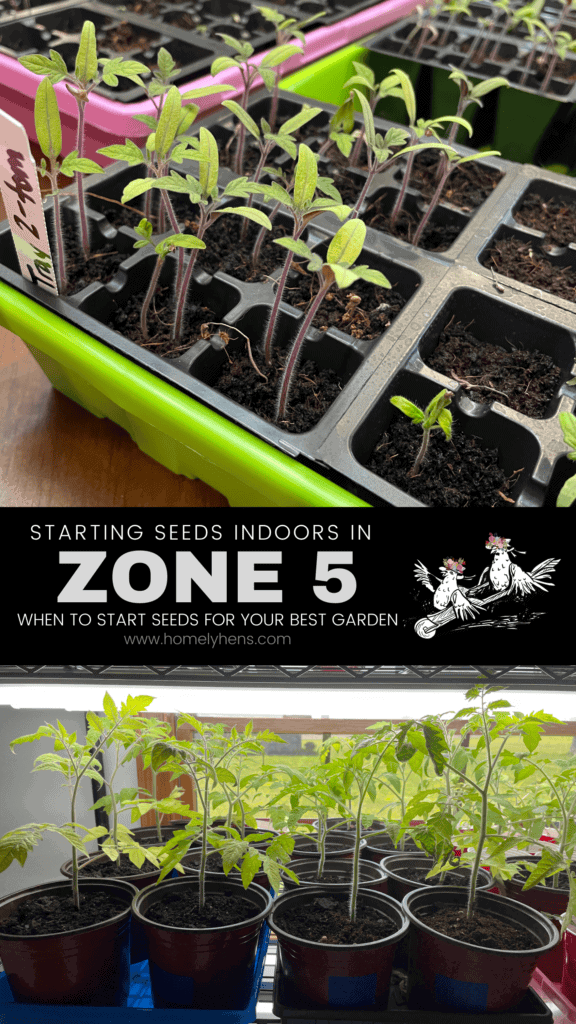
Credit: homelyhens.com
Why Seed Timing Matters
Starting seeds at the right time helps plants grow strong and healthy. If you start too early or too late, seedlings may struggle.
Knowing when to start seeds can save you time and money. It also improves your garden’s success rate.
Understanding Plant Growth Cycles
Each plant has a natural growth cycle that depends on temperature and sunlight. Starting seeds too early can cause weak plants that do not adapt well.
Timing seed starting with the plant’s cycle helps seedlings develop properly and prepares them for transplanting outdoors.
Avoiding Seedling Stress
Seedlings are sensitive to temperature changes and light. Starting seeds at the wrong time can cause stress, making plants more vulnerable to disease.
- Too cold: seeds may rot or fail to sprout.
- Too warm: seedlings grow too fast and become weak.
- Insufficient light: seedlings become tall and leggy.
Matching Outdoor Planting Dates
Starting seeds indoors lets you control growth before outdoor planting. Timing indoor seed starting ensures plants are ready to move outside at the right time.
| Seed Type | Indoor Start Time | Outdoor Planting Time |
| Tomatoes | 6-8 weeks before last frost | After last frost date |
| Peppers | 8-10 weeks before last frost | After last frost date |
| Leafy Greens | 4 weeks before last frost | 2 weeks before last frost |
| Squash | 2-4 weeks before last frost | After last frost date |
Factors Affecting Seed Starting Time
Starting seeds at the right time is important for a healthy garden. The timing depends on several factors. Knowing these helps you grow strong plants.
Different conditions affect when to start seeds. These include climate, planting location, and the type of seed you choose.
Climate Zones And Frost Dates
Climate zones tell you how warm or cold your area is. Frost dates are the last and first days frost happens in your region. These dates guide seed starting time.
Plant seeds indoors before the last frost date. Outdoor planting happens after the risk of frost ends. This protects young plants from cold damage.
- Find your USDA hardiness zone to know your climate zone.
- Check local frost dates through gardening websites.
- Start seeds indoors 4–8 weeks before the last frost.
- Plant outdoors only after the last frost date.
Indoor Vs Outdoor Planting
Starting seeds indoors gives better control over temperature and light. It helps young plants grow strong before moving outside.
Outdoor planting depends on soil temperature and weather. Some seeds can be sown directly in the ground when conditions are right.
- Indoor seed starting is good for slow-growing or tender plants.
- Outdoor planting works for hardy seeds that tolerate cooler soil.
- Use seed trays and grow lights for indoor starts.
- Check soil warmth before planting outside.
Seed Type And Growth Cycle
Different seeds need different times to grow. Some plants take longer to mature. Knowing seed type helps you start at the right time.
Fast-growing seeds can be planted closer to the last frost. Slow growers need a head start indoors. This ensures they bloom or produce on time.
- Annuals often need early indoor starting.
- Perennials may take longer and need early sowing.
- Vegetables like tomatoes and peppers start indoors early.
- Root crops usually go directly into the ground.
Tools To Determine Start Dates
Knowing the right time to start seeds helps your garden grow well. You can use several tools to find the best seed starting dates.
These tools give clear guidance based on weather and local conditions. They help you avoid planting too early or too late.
Using Frost Date Calendars
Frost date calendars show the average last frost date in spring and first frost date in fall. These dates help you plan when to start seeds indoors or outdoors.
- Find your area’s average last frost date.
- Count back the number of weeks needed for seed starting.
- Plan to transplant seedlings after the last frost.
- Use frost dates to protect plants from cold weather.
Gardening Apps And Websites
Many apps and websites provide seed starting dates based on your location. They use weather data and local climate to give accurate advice.
| Tool | Feature |
| Seed Starting App | Custom planting calendar |
| Gardening Website | Frost date lookup by zip code |
| Weather Service | Seasonal weather forecasts |
Local Gardening Resources
Local resources like garden centers and extension offices offer advice on seed starting times. They know your area’s climate and soil well.
Here are common local resources to check:
- County extension services
- Community gardens
- Local nurseries
- Garden clubs and workshops

Credit: gardeninminutes.com
Starting Seeds Indoors
Starting seeds indoors helps you control the environment for young plants. It gives seeds a safe place to grow before planting outside.
You can start seeds weeks before the last frost date. This gives plants a head start on the growing season.
Choosing Containers And Soil
Use containers that drain well to avoid water buildup. Small pots or seed trays work best for seedlings.
Select a light, loose soil mix made for seed starting. It should hold moisture but not stay soggy.
- Use peat-free or seed-starting mix
- Containers need drainage holes
- Start with clean, sterilized containers
- Avoid heavy garden soil
Light And Temperature Requirements
Seedlings need plenty of light to grow strong and healthy. Place them near a bright window or under grow lights.
Keep the temperature warm, usually between 65°F and 75°F. Some seeds need warmth to sprout well.
- Use fluorescent or LED grow lights for best results
- Keep lights about 2 inches above seedlings
- Maintain consistent warmth for germination
- Use a heat mat if needed for warmth
Watering And Maintenance Tips
Keep soil moist but not soaked. Check daily and water gently to avoid disturbing seedlings.
Thin seedlings by removing weaker ones. This gives space for strong plants to grow well.
- Use a spray bottle or gentle watering can
- Water from the bottom if possible to avoid damping-off
- Remove any mold or dead seedlings quickly
- Turn seedlings daily for even growth
Direct Sowing Seeds Outdoors
Direct sowing means planting seeds right into the garden soil. This method works well for many vegetables.
Knowing the right time to sow seeds outdoors helps plants grow strong. It depends on soil and weather.
Preparing Garden Beds
Clear the area of weeds and old plants before sowing seeds. This helps young plants get enough space.
Loosen the soil by digging or tilling. This makes it easy for roots to grow and absorb water.
- Remove rocks and debris
- Break large soil clumps
- Add compost or organic matter
- Level the soil surface
Ideal Soil Conditions
Soil should be moist but not soggy when you plant seeds. Too much water can cause seeds to rot.
Check soil temperature for best results. Most seeds sprout well between 50°F and 85°F (10°C to 29°C).
- Soil pH between 6.0 and 7.0 is good for most vegetables
- Well-drained soil prevents waterlogging
- Use mulch to keep soil moist and warm
Timing For Different Vegetables
Each vegetable has a best time to sow seeds outdoors. This time depends on frost dates and temperature.
| Vegetable | When to Sow |
|---|---|
| Carrots | 2-4 weeks before last frost |
| Beans | After last frost |
| Peas | 4-6 weeks before last frost |
| Spinach | 4-6 weeks before last frost |
| Radishes | 2-4 weeks before last frost |
Common Mistakes To Avoid
Starting seeds for your garden can be simple if you avoid common mistakes. Many gardeners lose plants by starting seeds at the wrong time or not caring for them properly.
Knowing what to do and what to avoid helps your seedlings grow strong. Read on to learn about three big errors and how to prevent them.
Starting Too Early Or Late
Starting seeds too early can cause weak, leggy plants that outgrow their pots. Starting too late may mean plants do not have enough time to grow before outdoor planting.
- Check your local last frost date before starting seeds.
- Use seed starting calendars for your area.
- Adjust indoor planting times based on seed type.
- Watch seedlings for signs of stress if started early.
Overwatering Or Underwatering
Too much water can drown seeds and cause mold. Too little water makes seeds dry out and fail to sprout. Proper moisture is key to seed success.
| Watering Issue | Signs | Fix |
| Overwatering | Wet soil, mold, seed rot | Let soil dry slightly, water less |
| Underwatering | Dry soil, no sprouting | Water gently and regularly |
Ignoring Seed Pack Instructions
Seed packets have important information about planting depth, spacing, and light needs. Ignoring these details can lower your chance of success.
Follow these tips from seed packets:
- Plant seeds at the depth shown on the packet.
- Keep the soil temperature right for the seed type.
- Give seedlings the right amount of light each day.
- Thin seedlings if the packet suggests it.
Adjusting Timing For Seasonal Variations
Starting seeds at the right time helps plants grow strong. The seasons change, so timing must change too.
Knowing how to adjust for season changes can protect your garden and improve your harvest.
Dealing With Unexpected Frosts
Frost can kill young plants. It may come after you start your seeds. Watch the weather closely.
Protect plants by covering them or moving seedlings indoors if frost is forecasted.
- Use frost cloths or old sheets to cover plants at night
- Bring pots inside during cold nights
- Delay seed starting if a frost is likely
Extending Growing Seasons
You can grow plants longer by starting seeds early or late. This lets you harvest more food.
Try planting in small batches to spread out your garden’s harvest over many weeks.
- Start seeds indoors before last frost date
- Plant heat-loving crops after frost danger
- Use row covers to keep soil warmer
Using Greenhouses And Cold Frames
Greenhouses and cold frames create warm spaces for seeds. They protect from cold and wind.
These structures help you start seeds earlier and keep plants growing longer in the fall.
- Greenhouses offer full control of temperature
- Cold frames use sunlight and trap heat
- Both protect seedlings from pests and frost
Tracking And Recording Your Seed Starting
Keeping track of your seed starting helps you grow healthy plants. It lets you learn what works best for your garden.
Recording details about your seeds saves time and effort in future gardening seasons.
Using Garden Journals
Garden journals are great tools for writing down seed starting dates and conditions. You can note soil type, watering schedules, and sunlight exposure.
- Write the seed variety and planting date.
- Record temperature and humidity levels.
- Note any problems like pests or diseases.
- Track transplant dates and growth stages.
Monitoring Growth Progress
Watching your seedlings grow helps you spot issues early. You can adjust care based on what you observe.
| Growth Stage | Signs to Watch | Actions to Take |
| Germination | Seed coat breaks, small sprout appears | Keep soil moist and warm |
| Seedling | First leaves unfold | Ensure enough light and gentle watering |
| True Leaves | Second set of leaves grow | Start feeding with mild fertilizer |
| Ready to Transplant | Strong stem, several leaves | Harden off before planting outside |
Planning For Future Seasons
Use your past notes to plan seed starting dates for next year. This helps you avoid starting too early or too late.
Here are tips to plan better:
- Review last year’s journal entries.
- Check the average frost dates for your area.
- Adjust seed starting dates based on plant type.
- Note which seeds took longer to sprout.
- Keep a calendar for planting and transplanting.
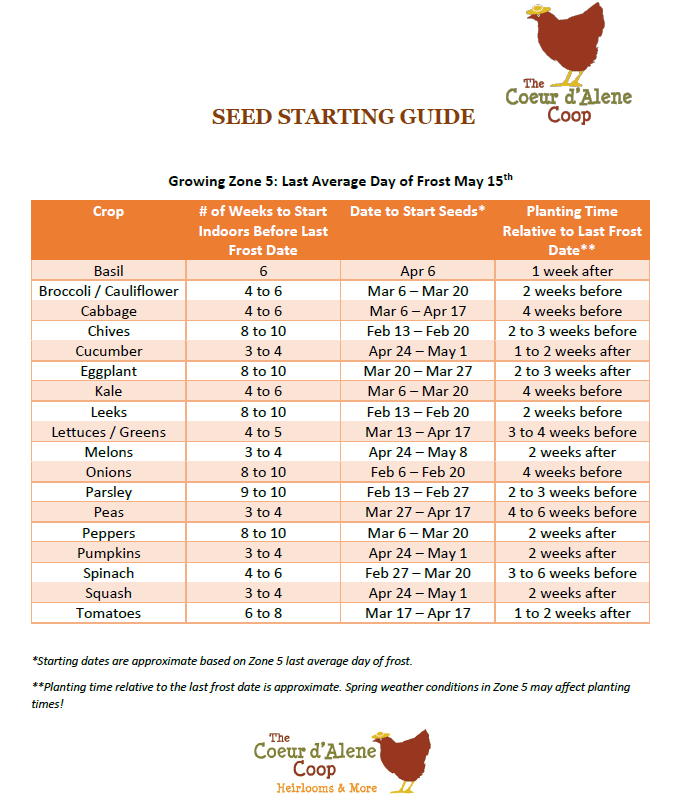
Credit: thecoeurdalenecoop.com
Frequently Asked Questions
When Is The Best Time To Start Seeds?
The best time to start seeds depends on your climate and the plant type. Generally, start indoor seeds 6-8 weeks before the last expected frost. For direct sowing, plant seeds outdoors after the last frost. Check your local frost dates for precise timing.
How Do I Choose The Right Seeds?
Choose seeds based on your climate, garden space, and personal preference. Consider the plant’s sunlight, water, and soil requirements. Check the seed packet for growing information. Opt for high-quality, disease-resistant seeds for better results.
What Materials Are Needed To Start Seeds Indoors?
To start seeds indoors, you’ll need seed trays, potting mix, and a light source. A heat mat can help with germination. Ensure trays have drainage holes. Cover them with a clear lid or plastic wrap to retain moisture.
How Often Should I Water Seed-started Plants?
Water seed-started plants when the soil surface feels dry. Avoid overwatering, as it can cause root rot. Use a spray bottle for even moisture. Ensure proper drainage to prevent waterlogging. Adjust watering frequency based on temperature and humidity.
Conclusion
Starting seeds at the right time helps plants grow strong and healthy. Check your local frost dates to know when to begin. Use seed packets as guides for timing and care. Keep soil warm and moist for the best results.
Starting seeds indoors can give your garden a good head start. Patience and attention make a big difference in your garden’s success. Happy planting!