






Have you ever faced the frustration of a damaged CPU socket pin? It’s one of those tiny parts that can cause big problems for your computer.
You might be wondering if there are tools designed specifically to fix these delicate pins without causing more harm. If you want to save your CPU and avoid costly replacements, knowing about the right tools can make all the difference.
Keep reading to discover if such tools exist and how they can help you repair your CPU socket pins safely and effectively.
Common Issues With Cpu Socket Pins
CPU socket pins are small but crucial parts of a computer’s motherboard. They connect the processor to the board and help it work properly.
Damage to these pins can cause many problems. It is important to know the common issues to spot and fix them early.
Types Of Damage
CPU socket pins can suffer from different types of damage. Some damage is visible, and some can cause hidden problems.
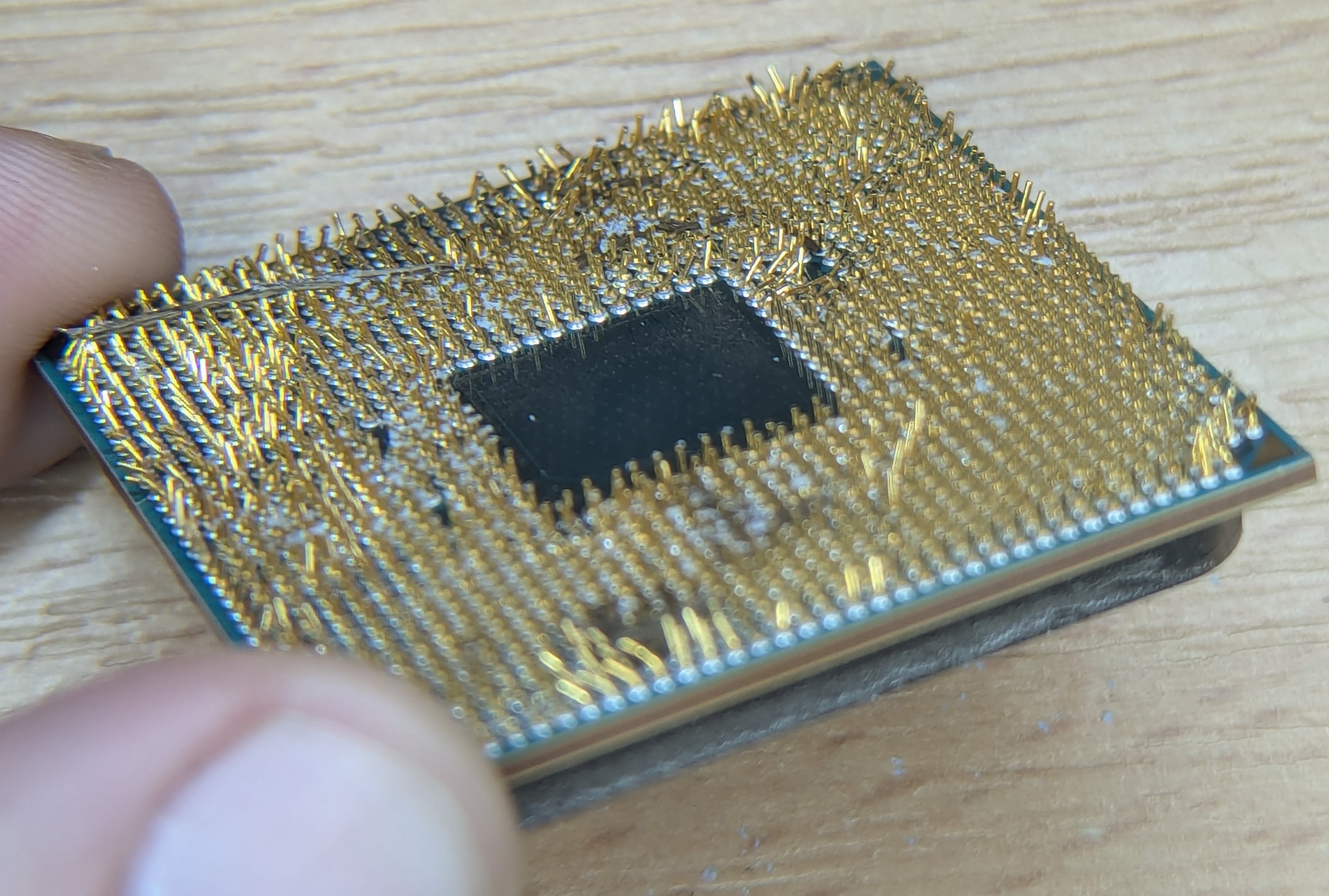
- Bent Pins:Pins may bend during CPU installation or removal.
- Broken Pins:Pins can break off if too much force is used.
- Corrosion:Moisture can cause pins to rust or corrode.
- Debris and Dirt:Dust or dirt can block proper contact between pins and CPU.
- Oxidation:Oxidation can reduce electrical conductivity over time.
Signs Of Pin Problems
Knowing the signs of CPU socket pin issues can save you time and money. Look for these common symptoms:
| Symptom | Description |
|---|---|
| Computer Won’t Boot | The system fails to start or shows no power. |
| Random Crashes | Unexpected shutdowns or restarts during use. |
| Overheating | CPU gets hotter than usual due to poor contact. |
| Unrecognized CPU | BIOS or system does not detect the processor. |
| Performance Drops | Slower speeds or lag when running applications. |
Challenges In Repairing Cpu Socket Pins
Repairing CPU socket pins is a difficult task. These pins are tiny and fragile. Fixing them needs care and skill.
There are special tools for this job, but using them is not easy. Many challenges come with repairing these pins.
Delicate Nature Of Pins
CPU socket pins are very small and thin. They bend or break easily if not handled well. Even a little force can cause damage.
These pins are made to fit precisely with the CPU. Any misalignment can stop the computer from working correctly.
- Pins are fragile and can bend easily.
- They require steady hands and good tools.
- Precision is needed to avoid misalignment.
- Cleaning pins without damage is hard.
Risks Involved
Repairing pins carries risks that can make the problem worse. Using wrong tools can break pins or socket parts.
Static electricity can also damage the CPU or motherboard during repair. This makes the repair risky without proper safety.
- Breaking pins beyond repair.
- Damaging the CPU socket permanently.
- Static shock can harm computer parts.
- Wrong repair can cause system failure.
Specialized Tools For Pin Repair
Repairing CPU socket pins requires careful handling. The pins are very small and delicate. Specialized tools make the job easier and safer.
These tools help to straighten bent pins, see details clearly, and handle pins without damage. Using the right tools improves repair success.
Pin Straightening Tools
Pin straightening tools are designed to fix bent CPU socket pins precisely. They help avoid further damage during repair.
These tools often have fine tips or flat edges to gently push pins back into place. They come in various shapes for different pin sizes.
- Needle probes with fine points for precise control
- Flat metal tools shaped for CPU socket pins
- Specialized pin straighteners with adjustable tips
Magnification And Lighting Aids
Magnification helps you see tiny CPU pins clearly. Lighting makes sure you can work without shadows or glare.
Common aids include magnifying glasses, headsets with lights, and desktop microscopes. They improve accuracy and reduce eye strain.
- Magnifying glasses with built-in lights
- Headband magnifiers for hands-free use
- USB microscopes for detailed viewing on a screen
Precision Tweezers And Probes
Precision tweezers allow you to handle tiny pins carefully. They help adjust or remove pins without bending or breaking them.
Probes can test pin alignment or gently move pins. Tweezers and probes come in many sizes and tip shapes for different tasks.
- Fine-point tweezers for delicate pin work
- Anti-static tweezers to protect components
- Metal or plastic probes for testing and adjusting pins

Credit: www.youtube.com
Diy Solutions And Techniques
Repairing CPU socket pins can be tricky. These pins are very small and delicate.
Some tools and techniques can help fix bent or damaged pins at home. This guide covers safe ways to do it yourself.
Using Mechanical Tools Safely
Small mechanical tools can fix CPU socket pins carefully. Use fine tweezers or a mechanical pencil tip to bend pins back gently.
Always work in good light and use a magnifier to see the pins clearly. Move slowly to avoid breaking pins.
- Use fine-tipped tweezers for precision
- Work on a clean, static-free surface
- Apply very gentle pressure to avoid damage
- Check pin alignment often under magnification
Alternative Household Items
You can use common household items if you lack special tools. A mechanical pencil without lead can help align pins.
A sewing needle or a thin paperclip can also work. Clean these items before use to avoid dirt or static damage.
- Mechanical pencil tip (without lead) to push pins
- Sewing needle for gentle pin adjustment
- Thin paperclip bent to a fine tip
- Soft brush to clean socket gently
Professional Repair Services
CPU socket pins are tiny and fragile parts inside your computer. Fixing them needs care and skill. Special tools exist, but they can be hard to use correctly.
Many people try to fix socket pins at home and risk more damage. Professional repair services have the right tools and experience to handle this delicate work.
When To Seek Experts
Not all issues with CPU socket pins can be fixed at home. Experts are best for certain problems that need detailed care.
- If pins are bent or broken badly
- If you lack the proper tools or steady hands
- If the motherboard is expensive or hard to replace
- If previous repair attempts failed
- If the CPU socket is hard to access or crowded
Cost Vs. Benefit
Choosing repair or replacement depends on cost and value. Sometimes paying for repair saves more money and time.
| Factor | Repair | Replacement |
| Cost | Lower if repair is simple | Higher with new parts |
| Time | Short if service is fast | Longer due to buying parts |
| Risk | Damage risk if done wrong | Less risk but needs full swap |
| Skill Required | High for delicate work | Low for simple replacement |
| Outcome | Can restore original function | New component guaranteed |

Credit: www.reddit.com
Preventive Measures For Cpu Socket Pins
CPU socket pins are delicate and can be easily damaged. Taking preventive steps helps keep them safe. Careful handling and regular maintenance reduce the risk of bending or breaking pins.
Using the right tools and techniques protects your computer’s performance. This guide covers best practices for handling and maintaining CPU socket pins.
Handling Best Practices
Always handle the CPU and motherboard carefully. Avoid touching the pins directly with your fingers. Use tools designed for computer assembly to prevent accidental damage.
- Hold the CPU by its edges only
- Keep the socket cover on until installation
- Use an antistatic wrist strap to prevent static damage
- Align the CPU correctly before placing it in the socket
- Do not force the CPU into the socket
Maintenance Tips
Regular maintenance keeps the socket pins clean and functional. Dust and debris can cause poor contact and overheating. Inspect the pins often, especially if you remove or replace the CPU.
| Maintenance Task | Recommended Action |
| Cleaning | Use compressed air or a soft brush to remove dust gently |
| Inspection | Look for bent or damaged pins under good lighting |
| Storage | Keep CPU and motherboard in protective cases when not in use |
| Environment | Work in a dry, static-free area to avoid damage |
Credit: spodesabode.com
Frequently Asked Questions
What Tools Can Fix Bent Cpu Socket Pins?
Specialized tools like pin straighteners or precision tweezers can repair bent CPU socket pins. These tools are designed for delicate tasks, ensuring minimal damage. Using them carefully can align pins back to their original position, enhancing CPU functionality.
Are Cpu Socket Repair Tools Affordable?
Yes, CPU socket repair tools are generally affordable. Most pin straighteners and precision tweezers are priced reasonably. This makes them accessible for both professionals and DIY enthusiasts, ensuring effective pin repairs without significant investment.
Can Tweezers Fix Damaged Cpu Pins?
Yes, precision tweezers can fix damaged CPU pins. They offer precise control, allowing careful pin adjustment. Tweezers are effective for minor pin repairs, but caution is necessary. Using them with a steady hand ensures optimal results without causing further damage.
Is It Safe To Use Pin Straighteners?
Yes, pin straighteners are safe when used correctly. They are specifically designed for aligning bent pins. Proper usage minimizes risk and prevents additional damage. Following instructions and handling with care ensures successful CPU pin repairs, maintaining your device’s integrity.
Conclusion
Tools for repairing CPU socket pins do exist and can help fix damage. Using the right tool reduces the risk of making things worse. Repairing pins requires patience and a steady hand. Not all damage can be fixed, so know when to seek expert help.
Taking care of your CPU socket can save money and extend device life. Small repairs might restore your computer’s function without needing a full replacement. Always work carefully and follow proper guides when handling delicate parts.