

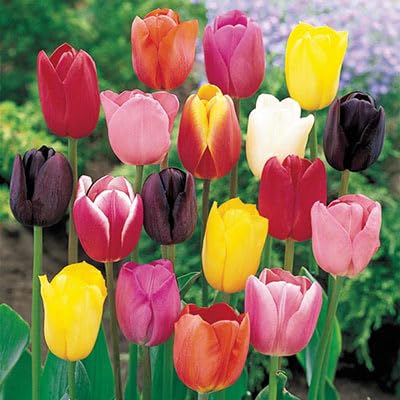

Want to transform your garden into a vibrant, thriving space faster than you ever thought possible? You’re in the right place.
Whether you’re starting from scratch or looking to boost what you already have, this guide will show you simple, effective ways to level up your garden quickly. Imagine stepping outside to a lush, colorful oasis that feels like your personal retreat.
Ready to make that vision real? Keep reading, and you’ll discover easy tips and tricks to speed up your garden’s growth and beauty—no complicated steps, just results you can enjoy sooner.

Credit: gamerant.com
Choose Fast-growing Plants
Choosing fast-growing plants helps your garden fill out quickly. It lets you enjoy colors and harvest sooner.
Focus on plants that grow well in your area and fit your garden space. This saves time and effort.
Annuals Vs Perennials
Annual plants complete their life cycle in one year. They grow fast and bloom all season.
Perennials live for many years but often take longer to grow. They return each spring.
- Annuals grow quickly and provide bright colors fast.
- Perennials take time but come back every year.
- Choose annuals for quick garden changes.
- Pick perennials for long-term garden structure.
Vegetables That Grow Quickly
Some vegetables grow fast and are easy to harvest. They help you get fresh food quickly.
| Vegetable | Days to Harvest |
| Lettuce | 30-45 |
| Radishes | 20-30 |
| Spinach | 30-40 |
| Green Beans | 50-60 |
Herbs For Rapid Growth
Many herbs grow fast and add flavor to your meals. They are great for small spaces.
- Basil grows quickly and loves sunny spots.
- Cilantro grows fast and prefers cooler weather.
- Mint spreads quickly but grows well in pots.
- Dill grows fast and attracts beneficial insects.
Prepare Soil Efficiently
Good soil helps your garden grow fast and healthy. Preparing soil right saves time and effort later.
Focus on testing soil, adding nutrients, and fixing drainage. These steps make your soil perfect for plants.
Soil Testing Basics
Test soil to know its pH and nutrient levels. This helps choose the right plants and fertilizers.
Use a soil test kit or send a sample to a lab. Follow instructions carefully to get accurate results.
- Collect soil from several spots in your garden
- Remove debris like roots and stones
- Mix samples for one test
- Check pH, nitrogen, phosphorus, and potassium
Amending Soil For Nutrients
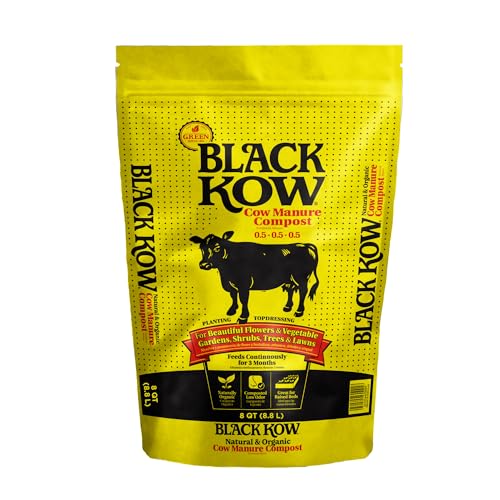
Add organic matter to improve soil nutrients. Compost, manure, and leaf mold work well.
Use fertilizers if tests show missing nutrients. Follow package instructions to avoid overfeeding.
- Spread compost evenly over soil
- Mix amendments into the top 6-8 inches
- Apply balanced fertilizer if needed
- Water soil after adding nutrients
Improving Drainage
Good drainage prevents water from pooling and hurting roots. Check soil type to fix drainage problems.
Add sand or organic matter to heavy clay soils. Raised beds also help water drain well.
- Test soil drainage by digging a hole and filling with water
- If water drains slowly, add coarse sand or peat moss
- Create raised beds for better water flow
- Avoid compacting soil by walking on garden beds
Optimize Watering Techniques
Watering your garden correctly helps plants grow faster and stay healthy. Using smart watering methods saves water and prevents plant damage.
Learn the best times to water, how to avoid overwatering, and ways to use drip irrigation for better results.
Best Time To Water
Water your garden early in the morning or late in the afternoon. These times reduce water loss from evaporation. Avoid watering during midday when the sun is strongest.
- Morning watering helps roots absorb water well.
- Evening watering cools plants after a hot day.
- Midday watering wastes water due to heat.
Avoiding Overwatering
Too much water harms plant roots and can cause diseases. Check soil moisture before watering. Water only when the top inch of soil feels dry.
| Signs of Overwatering | Signs of Underwatering |
| Yellow leaves | Wilting leaves |
| Soft, mushy roots | Dry, hard soil |
| Mold or fungus on soil | Slow growth |
Using Drip Irrigation
Drip irrigation delivers water slowly to plant roots. It reduces water waste and keeps leaves dry, lowering disease risk.
- Water saves by targeting roots only
- Less weed growth
- Easy to automate with timers
- Reduces soil erosion

Credit: www.youtube.com
Maximize Sunlight Exposure
Sunlight is very important for a healthy garden. Plants need light to grow strong and produce flowers or fruits.
By using simple ideas, you can give your plants more sunlight. This helps your garden grow faster and look better.
Ideal Sunlight Hours
Most garden plants need 6 to 8 hours of sunlight each day. This amount helps them make food and stay healthy.
Some plants like more sun, while others do better with less. Check your plants’ sunlight needs before planting.
- Full sun plants need 6+ hours of direct light
- Partial sun plants do well with 3 to 6 hours
- Shade plants grow best with less than 3 hours
Positioning Plants Strategically
Put taller plants where they will not block light from smaller ones. This lets every plant get enough sun.
Face your garden toward the south if you live in the northern hemisphere. This gives plants more sunlight.
- Place sun-loving plants in open, sunny spots
- Keep shade-tolerant plants under taller trees
- Arrange plants by height to avoid shade
Using Reflective Surfaces
Reflective surfaces help bounce sunlight onto plants. This adds more light to shaded areas.
Use materials like white walls, mirrors, or shiny boards near your plants to increase light exposure.
- Place white-painted boards near plants
- Use mirrors to reflect light into dark spots
- Shiny metal sheets can also boost light
Use Fertilizers Wisely
Fertilizers help your garden grow faster and stronger. Using them in the right way makes your plants healthy. Too much or too little can harm your garden.
Learn how to pick the right fertilizer, understand the types, and apply them at the best times. This helps your garden get the nutrients it needs.
Choosing The Right Fertilizer
Different plants need different nutrients. Fertilizers come with numbers like 10-10-10. These show the amount of nitrogen, phosphorus, and potassium. Check what your plants need before buying.
| Nutrient | Purpose |
| Nitrogen (N) | Helps leaves grow green and strong |
| Phosphorus (P) | Supports root and flower development |
| Potassium (K) | Improves overall plant health and disease resistance |
Organic Vs Synthetic Options
Organic fertilizers come from natural sources like compost or manure. Synthetic fertilizers are made in factories. Both have pros and cons depending on your garden needs.
- Organic fertilizers improve soil health over time.
- Synthetic fertilizers act quickly to feed plants.
- Organic types are safer for the environment.
- Synthetic options are easier to measure and apply.
Application Timing
Applying fertilizer at the right time helps plants absorb nutrients best. Too early or too late can waste fertilizer or harm plants.
- Apply before planting to prepare the soil.
- Feed plants during their active growing phase.
- Avoid fertilizing during very hot or dry weather.
- Follow instructions on the fertilizer package carefully.
Implement Effective Pest Control
Keeping your garden healthy means controlling pests fast. Pests can damage plants and slow growth. Using the right pest control helps your garden grow strong.
Choose pest control methods that are safe and work well. This helps protect plants and the environment around them.
Natural Pest Deterrents
Natural pest deterrents keep bugs away without chemicals. They are safe for plants and animals. You can use plants or homemade sprays to protect your garden.
- Plant herbs like basil, mint, and lavender to repel insects.
- Use garlic or chili pepper sprays to keep pests off leaves.
- Apply neem oil to stop many common garden pests.
- Keep your garden clean to avoid pest hiding spots.
Beneficial Insects
Good insects can help control bad pests naturally. They eat harmful bugs and keep your garden balanced. Adding these insects can reduce the need for sprays.
- Ladiesbugs eat aphids and other soft-bodied pests.
- Praying mantises catch many types of garden insects.
- Lacewings feed on mites and small caterpillars.
- Bees help pollinate flowers and fruits while being gentle.
Safe Chemical Options
Sometimes you need safe chemicals to fight pests fast. Choose products that break down quickly and do not harm helpful insects. Always follow the label instructions.
- Use insecticidal soaps to kill soft insects without poison.
- Apply horticultural oils to smother eggs and larvae.
- Select botanical insecticides made from natural plant extracts.
- Avoid broad-spectrum pesticides that kill all insects.
Prune And Thin Regularly
Pruning and thinning your garden helps plants grow faster and stay healthy. Removing extra growth lets the plant focus energy on strong branches and leaves.
Regular care keeps your garden neat and encourages better fruit and flower production. Use sharp tools and prune carefully to avoid damage.
Encouraging New Growth
Cut back old or weak stems to make room for new shoots. Pruning helps plants produce fresh leaves and flowers. It also shapes the plant for better growth.
- Trim overgrown branches in early spring
- Remove small shoots that crowd main stems
- Cut just above a leaf node to promote new buds
Removing Dead Or Diseased Parts
Take away dead or sick branches right away. They can spread disease to healthy parts of the plant. Use clean tools to cut these areas.
| Type of Branch | Action |
|---|---|
| Dead | Cut off completely at base |
| Diseased | Remove and dispose away from garden |
| Damaged by pests | Prune affected parts carefully |
Spacing For Airflow
Thin crowded areas to allow air to flow between branches. Good airflow reduces moisture and stops fungus from growing. It also helps plants dry faster after rain.
- Remove small branches that block airflow
- Keep main stems spaced evenly apart
- Check plants regularly for crowded growth
Use Mulching Techniques
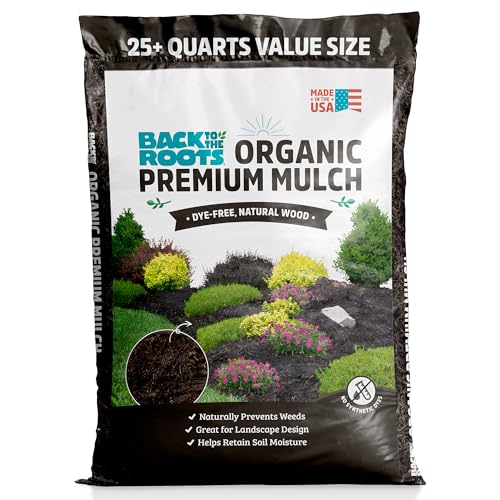
Mulching helps your garden grow faster and stay healthy. It covers the soil around plants with natural materials.
This simple method saves water, stops weeds, and improves soil quality over time.
Types Of Mulch
There are many kinds of mulch to choose from. Each type has unique benefits for your garden.
- Wood chips and bark: They break down slowly and add nutrients.
- Straw and hay: Good for vegetable gardens and easy to spread.
- Grass clippings: Fast to decompose and rich in nitrogen.
- Leaves: Free and great for protecting soil in fall and winter.
- Compost: Adds nutrients and improves soil texture.
Benefits For Moisture Retention
Mulch keeps soil moist by reducing water loss. It lowers evaporation and helps plants stay hydrated.
| Benefit | How Mulch Helps |
| Water savings | Reduces need for frequent watering |
| Soil temperature | Keeps soil cooler in summer and warmer in winter |
| Plant health | Prevents stress caused by dry soil |
Weed Suppression
Mulch blocks sunlight from reaching weed seeds. This stops weeds from growing and spreading.
- Apply mulch thickly around your plants.
- Use organic mulch that decomposes and adds nutrients.
- Keep mulch away from plant stems to avoid rot.
- Replace mulch yearly to maintain weed control.
Create A Growth Schedule
Creating a growth schedule helps your garden grow faster and healthier. It guides you to care for plants at the right time.
A good schedule tracks each plant’s needs and growth stages. This way, you can give the right care when plants need it most.
Tracking Plant Progress
Watch your plants daily to notice changes like new leaves or flowers. Tracking progress helps you spot problems early.
Keep a garden journal or use an app to record plant growth. Note dates of watering, fertilizing, and any issues.
- Measure plant height weekly
- Check leaf color and size
- Record flowering or fruiting dates
- Note pests or diseases
Adjusting Care Based On Growth
Change watering and feeding as plants grow. Young plants need more water but less fertilizer than mature ones.
Prune or trim plants to encourage healthy growth. Remove dead leaves and branches to keep plants strong.
- Increase water during hot days
- Add fertilizer during active growth
- Reduce water when plants rest
- Use mulch to keep soil moist
Seasonal Considerations
Adjust your schedule for each season. Plants grow differently in spring, summer, fall, and winter.
Protect plants from frost in cold months. Use shade or extra water during hot summer days.
- Plant cool-weather crops in spring and fall
- Water more during dry summer
- Cover plants in frost-prone winter nights
- Plan planting times based on local climate

Credit: gamerant.com
Frequently Asked Questions
How Can I Speed Up Garden Growth?
To speed up garden growth, focus on soil quality and plant selection. Use organic fertilizers and compost to enrich soil nutrients. Choose fast-growing plants suited to your climate. Regular watering and sunlight exposure also play crucial roles. Consistent maintenance ensures rapid and healthy garden development.
What Are The Best Fertilizers For Quick Growth?
Use fertilizers rich in nitrogen, phosphorus, and potassium for quick growth. Organic options like compost and manure are excellent choices. They improve soil health and provide essential nutrients. Avoid over-fertilizing as it can harm plants. Always follow package instructions for best results.
How Often Should I Water My Garden?
Water your garden deeply 2-3 times a week. This encourages deep root growth. The frequency may vary based on climate and plant type. Ensure soil is consistently moist but not waterlogged. Adjust watering during rainy seasons to prevent overwatering and root rot.
Which Plants Grow Fastest In A Garden?
Fast-growing plants include radishes, lettuce, and spinach. They thrive in various climates and require minimal care. Sunflowers and marigolds also grow quickly and add vibrant colors. Select plants based on your region’s climate for optimal results. Quick-growing plants enhance garden productivity and beauty.
Conclusion
Gardening grows better with patience and care. Small steps lead to big changes. Water plants regularly and watch them thrive. Use good soil and keep weeds away. Try new tools to save time. Enjoy the fresh air while working outside.
Soon, your garden will look healthier and fuller. Keep learning and adapting your methods. Remember, every garden grows at its own pace. Stay consistent, and success will follow.