

Are you looking for a simple way to boost your garden’s health and beauty? Mulching might be the secret you’ve been missing.
When you mulch your garden properly, you protect your plants, save time on watering, and keep weeds at bay—all while giving your garden a neat, polished look. You’ll discover easy steps to mulch your garden like a pro. By the end, you’ll have the confidence to transform your outdoor space into a thriving, vibrant oasis.
Let’s get started!

Credit: savvygardening.com
Benefits Of Mulching
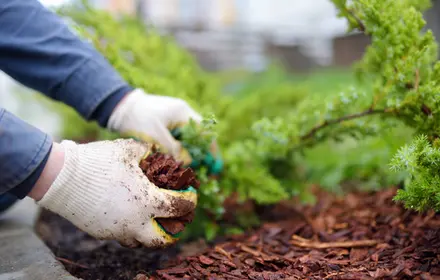
Mulching is a simple way to help your garden grow better. It covers the soil with a layer of material like leaves or wood chips.
This layer protects the soil and plants in many useful ways. Let’s look at the main benefits of mulching.
Moisture Retention
Mulch keeps water in the soil by slowing evaporation. This means your plants stay hydrated longer without extra watering.
It helps the soil stay moist during dry days and reduces the need for frequent watering.
Weed Suppression
Mulch blocks sunlight from reaching weed seeds. This stops many weeds from growing and spreading in your garden.
With fewer weeds, your plants get more space and nutrients to grow strong.
Soil Temperature Control
Mulch helps keep the soil cooler in hot weather. It also keeps the soil warmer during cold nights.
This protects plant roots from extreme temperature changes and stress.
Nutrient Enhancement
As organic mulch breaks down, it adds nutrients to the soil. This improves soil health and feeds your plants naturally.
Mulching also helps soil microbes stay active and healthy, which supports plant growth.
Credit: www.gardencentrescanada.ca
Types Of Mulch
Mulch helps protect plants and soil in your garden. It keeps moisture, controls weeds, and improves soil health. There are many types of mulch to choose from.
Understanding the main types will help you pick the best mulch for your garden needs. Mulches fall into two broad groups: organic and inorganic.
Organic Mulches
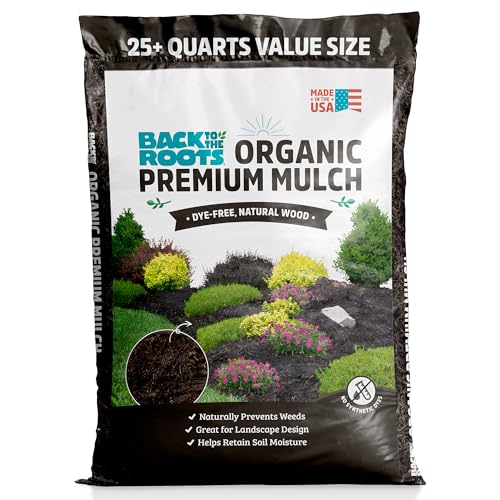
Organic mulches come from natural materials that break down over time. They add nutrients to the soil and improve its structure. Common types include wood chips, straw, leaves, and compost.
- Wood chips: slow to decompose and good for paths or trees
- Straw: light and easy to spread, great for vegetable gardens
- Leaves: free and rich in nutrients, best chopped finely
- Compost: adds nutrients and improves soil texture
Inorganic Mulches
Inorganic mulches are made from non-living materials. They do not break down and usually last longer. Common options include plastic sheeting, rubber mulch, and gravel.
| Type | Benefits | Best Use |
| Plastic Sheeting | Blocks weeds and retains soil moisture | Vegetable beds and flower gardens |
| Rubber Mulch | Long-lasting and good for playgrounds | Paths and play areas |
| Gravel | Improves drainage and prevents erosion | Walkways and rock gardens |
Choosing The Right Mulch
Select mulch based on your garden’s needs and plant types. Think about how long you want it to last and how it affects soil and water.
- Use organic mulch to improve soil and add nutrients
- Choose inorganic mulch for long-lasting weed control
- Consider mulch color to control soil temperature
- Apply mulch 2 to 4 inches deep for best results
Preparing Your Garden Bed
Preparing your garden bed is the first step to a healthy garden. A well-prepared bed helps plants grow strong and stay healthy.
Start by making sure the soil and space are ready for planting. This will make mulching easier and more effective.
Clearing Debris
Remove leaves, sticks, and old plants from the garden bed. Clearing debris stops pests and diseases from hiding in the soil.
Use a rake or your hands to clear the area. Make sure the bed is smooth and free of large clumps.
Soil Preparation
Good soil helps plants get the nutrients they need. Check the soil for hardness and moisture before planting.
- Loosen the soil with a garden fork or tiller.
- Add compost or organic matter to improve soil texture.
- Remove large stones and roots from the soil.
- Level the soil surface for even planting.
Plant Spacing Considerations
Give each plant enough space to grow. Crowded plants compete for water and nutrients.
| Plant Type | Recommended Spacing |
|---|---|
| Tomatoes | 18 to 24 inches |
| Lettuce | 6 to 12 inches |
| Carrots | 2 to 3 inches |
| Beans | 3 to 6 inches |
Applying Mulch Correctly
Mulching helps keep soil moist and controls weeds in your garden. Applying mulch the right way makes your plants healthier.
Learn how to apply mulch correctly to protect your plants and improve your garden’s look.
Proper Mulch Depth
Use the right amount of mulch to avoid problems. Too thin mulch dries out quickly. Too thick mulch stops water and air from reaching roots.
Spread mulch evenly, about 2 to 4 inches deep, depending on the material.
- Use 2 inches for fine mulch like shredded leaves.
- Use 3 to 4 inches for coarse mulch like wood chips.
- Check mulch thickness every few months and add more if needed.
Avoiding Mulch Volcanoes
Mulch volcanoes happen when mulch piles up around tree trunks. This can cause rot and pests.
Keep mulch a few inches away from tree and plant stems. Let the trunk breathe and stay dry.
- Leave 2 to 3 inches of space around trunks and stems.
- Do not pile mulch against tree bark or plant bases.
- Spread mulch thinly near stems and thicker farther out.
Timing For Application
Apply mulch at the right time to protect plants and soil. Mulch helps keep soil warm in cold months and cool in hot months.
Apply mulch in spring after soil warms up or in fall before winter. Avoid mulching frozen ground.
- Spring mulch keeps moisture in and weeds down.
- Fall mulch protects roots from cold weather.
- Refresh mulch layers as needed during growing season.
Maintaining Mulch Beds
Mulch beds help keep your garden healthy and neat. They save water and stop weeds.
To keep mulch beds working well, you need to care for them regularly. This guide shows how.
Regular Inspection
Check your mulch beds often to spot problems early. Look for bare spots or compacted mulch.
Inspect after heavy rain or wind. Make sure the mulch stays in place and is not washed away.
- Look for signs of weeds growing through the mulch
- Check if mulch is too thin or piled too high
- Notice any changes in soil moisture or color
Replenishing Mulch
Add fresh mulch to keep the bed thick and protective. Mulch breaks down over time and thins out.
Spread new mulch evenly and avoid piling it against plant stems. About 2 to 3 inches thick is ideal.
- Remove old, clumpy mulch before adding new
- Use the same type of mulch for a consistent look
- Replenish mulch once or twice a year
Dealing With Pests And Mold
Mulch can sometimes attract pests or develop mold. Watch for signs to protect your plants.
If you see mold, rake the mulch to let it dry. Remove any mulch that smells bad or looks slimy.
- Keep mulch away from plant stems to reduce pests
- Use natural pest repellents if needed
- Replace mulch if pests or mold keep returning

Credit: woodlandmills.ca
Common Mulching Mistakes
Mulching helps protect plants and keep soil healthy. Many gardeners make simple mistakes that hurt their garden.
Knowing what to avoid can save time and improve plant growth. Learn about common mulching errors.
Over-mulching
Adding too much mulch stops air and water from reaching the soil. This can cause root rot and kill plants.
- Mulch should be 2 to 3 inches thick.
- Keep mulch a few inches away from plant stems.
- Remove old mulch before adding new layers.
Using The Wrong Mulch
Not all mulches work well for every garden. Some can harm plants or attract pests.
| Mulch Type | Best Use | Possible Problem |
| Wood chips | Flower beds, trees | Can tie up nitrogen if not aged |
| Straw | Vegetable gardens | May carry weed seeds |
| Rubber mulch | Play areas | Not biodegradable, can heat soil |
| Grass clippings | Quick mulch | Can mat and smell if thick |
Ignoring Soil Drainage
Good soil drainage is key for healthy plants. Mulch can hide drainage problems but not fix them.
Check soil drainage before mulching:
- Dig a hole 12 inches deep.
- Fill it with water and let it drain.
- If water drains slowly, improve soil before mulching.
Frequently Asked Questions
What Is The Best Time To Mulch Garden?
The best time to mulch your garden is in early spring. This helps retain moisture as temperatures rise. Mulching in spring also prevents weeds from taking root. It’s crucial to add mulch before the growing season starts. This ensures your plants benefit from optimal conditions.
How Thick Should Mulch Layers Be?
Mulch layers should typically be about 2 to 4 inches thick. This thickness helps retain moisture effectively. It also prevents weed growth and provides adequate insulation. Avoid applying too much mulch, as it can suffocate plant roots. Always ensure a balanced and even layer.
Can I Use Grass Clippings As Mulch?
Yes, grass clippings can be used as mulch in the garden. They decompose quickly and add nutrients to the soil. Ensure the clippings are free from pesticides. Spread them thinly to prevent matting, which can block water and air. Grass mulch is an eco-friendly option.
How Often Should I Replace Mulch?
Replacing mulch once a year is generally recommended for optimal benefits. Over time, mulch decomposes and loses effectiveness. Check mulch regularly for signs of decomposition or thinning. Refreshing it annually helps maintain soil health and appearance. Regular checks ensure your plants get the best growth conditions.
Conclusion
Mulching helps keep your garden healthy and neat. It stops weeds from growing and keeps soil moist. Mulch also adds nutrients to the earth as it breaks down. Spread mulch evenly around plants but keep it away from stems. Regular mulching saves water and reduces garden work.
Try different mulch types to see what works best. Your garden will thank you with stronger, happier plants. Start mulching today for a greener, cleaner garden space. Simple steps bring big benefits.