

Have you ever faced a stubborn bolt or screw that just won’t come out? You might think you need a drill to fix this problem, but what if you don’t have one?
The Easy Out tool can be your best friend in these moments. And the good news? You can use it without a drill! In this guide, you’ll discover simple steps to remove stuck bolts quickly and safely, saving your time and frustration.
Keep reading, and you’ll learn how to handle this like a pro—even if you’re a beginner. Your next fix is easier than you think!

Credit: www.amazon.com
What Is An Easy Out Tool
An Easy Out tool helps remove broken screws or bolts. It grips inside the damaged screw to pull it out.
People use Easy Out tools when a screw head is stripped or damaged. It saves time and avoids drilling.
Basic Design Of An Easy Out Tool
Easy Out tools have a tapered shape with sharp, reverse threads. These threads bite into the broken screw.
- The tool is made of hardened steel for strength.
- One end is shaped to fit a wrench or pliers.
- Reverse threads grip the screw when turned counterclockwise.
- The taper allows it to fit tightly inside the screw hole.
Materials Used In Easy Out Tools
Easy Out tools are usually made from strong metals. This gives them durability and resistance to wear.
| Material | Properties |
| Hardened Steel | Strong, durable, resists bending |
| High-Speed Steel | Withstands heat, maintains sharp edges |
| Alloy Steel | Good balance of strength and toughness |
Common Sizes And Types
Easy Out tools come in different sizes. Choose a size that fits the broken screw hole properly.
- Small sizes for tiny screws in electronics.
- Medium sizes for household screws and bolts.
- Large sizes for automotive or heavy equipment bolts.
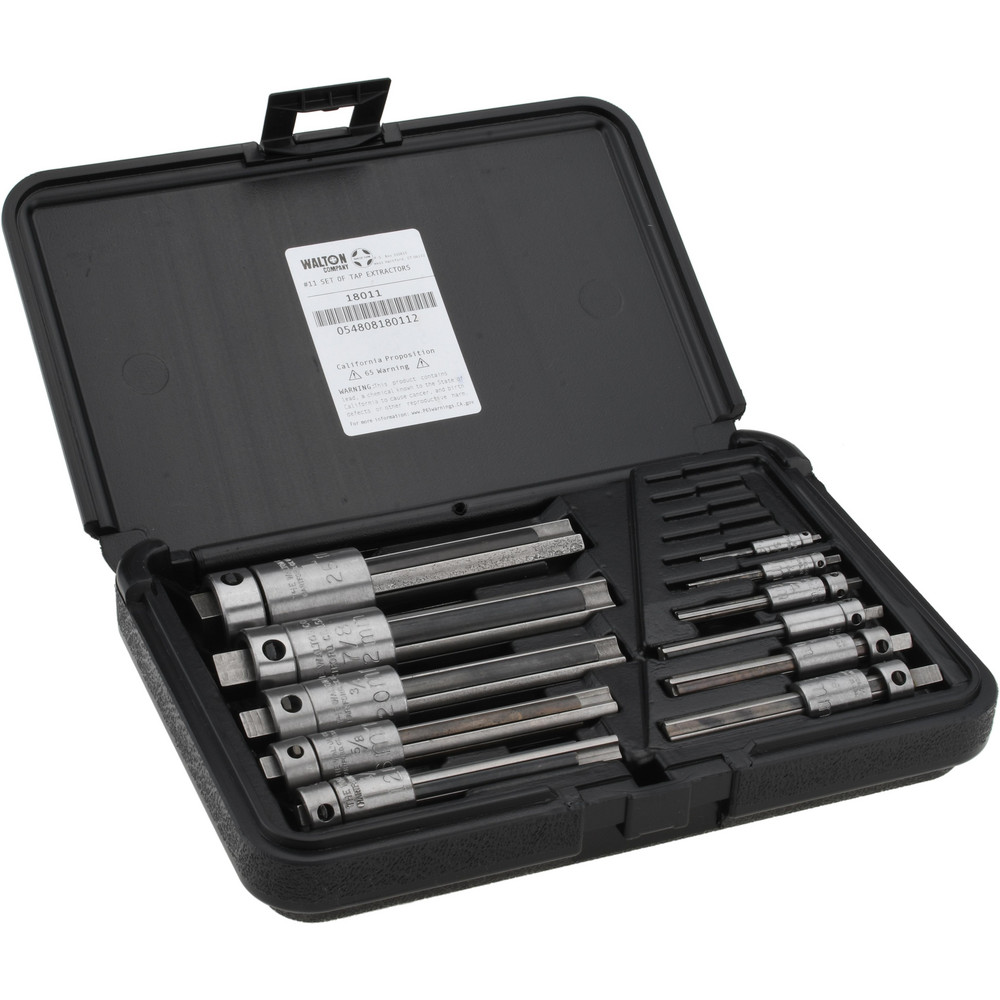
- Some sets include multiple sizes in one kit.
When To Use Easy Out Without A Drill
The Easy Out tool helps remove broken bolts or screws. You can use it without a drill in some cases. This guide explains when to choose this method.
Using the Easy Out without a drill works best for small fasteners or when you want more control. It can save your workpiece from damage.
Use On Small Or Fragile Materials
When the material around the broken bolt is soft or thin, avoid drills. Using a drill may cause cracking or warping.
Remove Lightly Stuck Bolts
If the bolt is not deeply stuck or rusted, you can turn the Easy Out by hand. This prevents extra damage to the threads.
Work In Tight Spaces
Drills need room for their size and movement. The Easy Out without a drill fits better in cramped spots.
- Small engine parts
- Inside machinery casing
- Close to other hardware
Avoid Power Tools For Safety
Using the Easy Out by hand lowers the risk of slipping. This helps avoid injury and tool damage.
| Situation | Reason to Avoid Drill |
|---|---|
| Thin metal parts | Prevent cracking or warping |
| Lightly stuck bolts | More control, less damage |
| Tight spaces | Drill size limits access |
| Safety concerns | Reduces slipping and injury |
Tools Needed For Manual Easy Out Removal
Removing a broken bolt or screw can be tricky without a drill. You can use an Easy Out tool by hand. This method needs some simple tools to help you work safely and well.
Using the right tools makes it easier to grip and turn the Easy Out. This guide shows what tools you need to remove fasteners manually.
Easy Out Extractor
The Easy Out extractor is the main tool for this job. It has sharp threads that bite into the broken bolt. This allows you to turn and remove the stuck piece.
Choose the right size extractor for the bolt you want to remove. A wrong size can damage the bolt or tool.
T-handle Or Adjustable Wrench
A T-handle provides good grip and control when turning the Easy Out. It fits into the extractor’s square end for easy manual turning.
If you do not have a T-handle, an adjustable wrench works well. It can hold the Easy Out’s end securely and give you enough torque.
Center Punch
A center punch helps start a small guide hole in the broken bolt. This hole keeps the Easy Out from slipping off while turning.
Use a hammer with the center punch to make a clear mark in the center of the broken fastener.
Pliers Or Vice Grips
If part of the broken bolt sticks out, pliers or vice grips can help. You can grab and turn the bolt gently by hand.
This tool is useful to remove bolts that are loose enough to turn without an Easy Out.
Penetrating Oil
Penetrating oil loosens rust or dirt around the broken bolt. Spray it on and let it sit for several minutes before you start.
This helps the Easy Out grip better and makes removal easier without damaging the parts.

Credit: www.amazon.ae
Step-by-step Manual Easy Out Method
Removing a broken bolt or screw can be tricky without power tools. You can use an Easy Out tool manually. This guide shows how to do it step-by-step without a drill.
Follow each step carefully to remove the fastener safely and effectively. Using hand tools keeps the process simple and controlled.
Prepare The Work Area
Start by cleaning the area around the broken bolt or screw. Remove dirt, rust, and grease to see the fastener clearly.
Gather all the tools you will need. This usually includes the Easy Out tool, a wrench or pliers, and safety gloves.
- Clear the workspace for easy access
- Wear gloves to protect your hands
- Have a flashlight if the area is dark
Secure The Broken Bolt Or Screw
Hold the broken bolt or screw firmly. Use pliers or a wrench to prevent it from spinning while you work.
If the fastener is loose, tighten it gently before using the Easy Out tool. This gives better grip during removal.
- Use locking pliers for a strong hold
- Avoid applying too much force to avoid damage
- Ensure the fastener is stable before proceeding
Insert The Easy Out Tool
Select the right size Easy Out tool for the fastener. Insert the tool’s tapered end into the broken bolt or screw’s center hole.
Push the tool in gently so it fits tightly. The tool’s threads should bite into the fastener for a good grip.
- Match tool size to fastener size
- Use steady pressure when inserting
- Check that the tool is centered properly
Turn The Tool To Extract The Fastener
Use a wrench or tap handle to turn the Easy Out tool counterclockwise. Apply slow and steady force to loosen the fastener.
Keep turning until the broken bolt or screw comes out. If it feels stuck, stop and check the tool’s grip before trying again.
- Turn slowly to avoid breaking the tool
- Use steady, even pressure
- Stop if resistance is too high
Tips To Avoid Damage During Extraction
Using an easy out tool without a drill can be tricky. You need to work carefully to protect the part you want to save.
This guide shares tips to avoid damage during extraction. Follow these steps for a smooth process.
Prepare The Area Properly
Clear the workspace before starting. Remove any dirt or rust from the fastener. This helps the easy out tool grip better.
Use The Right Size Tool
Select an easy out tool that fits snugly into the broken fastener. Using the wrong size can cause slipping and damage.
Apply Steady Pressure
Turn the easy out tool slowly and steadily. Avoid sudden force that can break the tool or the part you want to save.
- Use a wrench for better control
- Turn counterclockwise gently
- Stop if the tool slips or binds
- Apply penetrating oil if stuck
Protect Surrounding Parts
Cover nearby components with cloth or tape. This prevents scratches or dents during extraction.
Know When To Stop
| Signs to Stop | What to Do Next |
| Tool slips repeatedly | Try a different size tool or use penetrating oil |
| Fastener won’t turn | Let oil soak longer or apply gentle heat |
| Tool or fastener breaks | Seek professional help to avoid further damage |
Alternative Methods Without Using A Drill
Using an easy out tool usually needs a drill to remove broken bolts. Some tasks do not allow drilling. You can try other ways to use the tool without a drill.
This guide shows simple methods to remove bolts using pliers or heat. These methods work well when drills are not an option.
Using Pliers Or Vice Grips
Pliers or vice grips can grip the broken bolt tightly. This helps turn and remove the bolt without drilling. Make sure you have the right size tool for a firm hold.
- Clean the bolt surface to get a better grip.
- Use locking pliers or vice grips for strong hold.
- Turn the bolt slowly to avoid breaking it further.
- Apply steady pressure and try to loosen the bolt.
- If the bolt moves, keep turning until it comes out.
Applying Heat Or Lubricants
Heat and lubricants help loosen stuck bolts. Heat expands the metal, and lubricants reduce friction. These methods make it easier to remove bolts without drilling.
| Method | Description | Safety Tips |
| Applying Heat | Use a heat gun or propane torch on the bolt for a few minutes. | Avoid overheating and keep flammable materials away. |
| Using Lubricants | Spray penetrating oil or WD-40 on the bolt and wait 10-15 minutes. | Wear gloves and work in a well-ventilated area. |
Safety Precautions While Removing Fasteners
Removing fasteners without a drill can be safer if you follow key precautions. It helps avoid injury and protects your tools.
This guide covers important safety steps when using an Easy Out tool without a drill. Always prioritize your safety first.
Wear Protective Gear
Always wear safety glasses to protect your eyes from metal shards. Gloves can protect your hands from sharp edges and slips.
Secure The Workpiece
Keep the object with the fastener firmly clamped or held in place. This prevents unexpected movement during removal.
Use The Correct Tool Size
Select the right size Easy Out tool for the fastener. Using the wrong size can cause the tool to slip or break.
Apply Steady Pressure
- Insert the Easy Out tool carefully into the fastener.
- Turn slowly and steadily without forcing it.
- Stop if you feel resistance or the tool slips.
- Try loosening the fastener gently to avoid damage.
Check For Tool Condition
Inspect your Easy Out tool before use. Look for cracks or worn edges that may reduce safety and effectiveness.
Work In A Well-lit Area
Good lighting helps you see the fastener clearly. Avoid dim or cluttered workspaces to reduce mistakes and accidents.
Credit: mikeomearashow.com
Frequently Asked Questions
What Is An Easy Out Tool?
An Easy Out tool is a specialized extractor used to remove broken screws or bolts. It functions without the need for a drill. It’s a valuable tool for those who frequently encounter stripped or broken fasteners.
How Do You Use An Easy Out Tool?
Using an Easy Out involves inserting the extractor into the damaged screw or bolt. Carefully apply pressure and turn counterclockwise. This allows the tool’s reverse thread to grip and remove the fastener. Ensure steady pressure for effective extraction.
Can You Use An Easy Out Without Drilling?
Yes, you can use an Easy Out without a drill. It requires manual insertion and turning. Ensure the extractor is securely embedded in the fastener for effective removal. This method is ideal for delicate or precise situations.
What Materials Can Easy Out Tools Remove?
Easy Out tools can remove screws and bolts made of various metals, including steel and aluminum. They are designed to grip securely, making them versatile for different materials. Always choose the appropriate size and type for best results.
Conclusion
Using the Easy Out tool without a drill is simple and safe. Hand tools give you more control and reduce damage risk. Take your time and turn slowly for best results. This method works well for stuck bolts and screws.
Keep patience, and avoid forcing the tool. You can remove fasteners even without power tools. Practice these steps to feel more confident next time. Easy Out helps fix problems without expensive equipment. Give it a try and see how it works for you.