




Have you ever picked up a drill and wondered if it really counts as a power tool? You might think it’s just a simple gadget, but there’s more to it than meets the eye.
Understanding what makes a drill a power tool can change the way you use it—and help you choose the right tools for your projects. Keep reading, and you’ll discover surprising facts that can save you time, effort, and even money on your next DIY job.
Don’t miss out on unlocking the full potential of your drill!
Drill As A Power Tool
A drill is a common tool used for making holes or driving screws. It helps to complete many home and work projects.
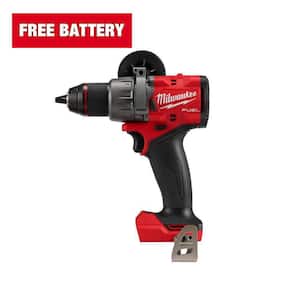
This tool can be powered by electricity or batteries, making tasks easier and faster than manual tools.
What Makes A Tool A Power Tool
A power tool uses an external power source to work. It does not rely on human strength alone.
- Uses electricity or batteries for power
- Performs work faster than hand tools
- Reduces physical effort needed
- Can handle tough materials easily
A drill fits these points because it uses a motor powered by electricity or batteries. It spins the drill bit quickly to make holes.
Types Of Drills And Their Power Sources
Drills come in different types. They use various power sources to suit different needs.
| Type of Drill | Power Source | Common Use |
| Corded Drill | Electricity (plug-in) | Continuous power for long jobs |
| Cordless Drill | Rechargeable Battery | Portable and easy to use anywhere |
| Hammer Drill | Electricity or Battery | Drilling into hard materials like concrete |
| Impact Driver | Electricity or Battery | Driving screws with extra force |

Credit: www.youtube.com
Key Features Of Drills
Drills are common power tools used for many tasks. They help in drilling holes and driving screws with ease.
Understanding the key features of drills helps you choose the right tool. These features affect how well the drill works.
Motor And Power Output
The motor powers the drill and determines its strength. More power means the drill can handle tougher jobs.
Drills use different motors like brushed or brushless types. Brushless motors last longer and run cooler.
- Higher power helps drill into hard materials
- Motor type affects tool durability
- Power is measured in volts for cordless drills
Speed And Torque Control
Speed controls how fast the drill spins. Torque controls how much force it applies to turn screws or drill bits.
Many drills have variable speed settings. This lets users pick the right speed and torque for each task.
- Low speed is good for driving screws
- High speed works well for drilling holes
- Adjusting torque prevents overdriving screws
Design And Ergonomics
Drills come in different shapes and sizes. A good design makes the drill easy to hold and use for a long time.
Ergonomic features include soft grips and balanced weight. These reduce hand fatigue and improve control.
- Compact size fits in tight spaces
- Lightweight design reduces strain
- Comfortable grip helps steady the drill
Common Uses Of Drills
Drills are one of the most common power tools found in homes and workplaces. They make many tasks easier by creating holes or driving screws quickly.
People use drills in different jobs. From fixing things at home to heavy-duty work, drills help save time and effort.
Home Improvement Projects
At home, drills help with many tasks. They make building furniture or hanging shelves faster and neater.
- Drilling holes for wall anchors
- Installing curtain rods or blinds
- Building or repairing wooden furniture
- Assembling cabinets and shelves
- Mounting TV brackets or picture frames
Construction And Carpentry
In construction, drills are essential for joining materials. Carpenters use them to drill holes and drive screws fast and strong.
| Task | Drill Use | Material |
| Framing walls | Driving screws | Wood |
| Installing drywall | Drilling pilot holes | Drywall sheets |
| Building decks | Fastening boards | Wood |
| Fitting cabinets | Making holes and screws | Wood and metal |
Metalworking And Masonry
Drills also work on hard materials like metal and stone. Special drill bits make this possible.
Common drill tasks in metalworking and masonry include:
- Drilling holes in metal sheets and pipes
- Creating anchor points in concrete or brick walls
- Mixing mortar using drill attachments
- Removing rust or paint with wire brush bits
Comparing Drills With Other Power Tools
Drills are common power tools used in many projects. They help make holes and drive screws. Other power tools look similar but have different jobs.
Knowing how drills compare to other tools helps you pick the right one. This guide looks at drills and three other tools.
Drills Vs. Screwdrivers
Drills and screwdrivers both drive screws. Drills can also make holes with drill bits. Screwdrivers mainly focus on turning screws.
Screwdrivers are smaller and lighter. They work well for simple tasks. Drills use more power and have adjustable speed. They handle tougher jobs.
- Drills make holes and drive screws
- Screwdrivers mainly drive screws only
- Drills have variable speed and torque
- Screwdrivers are lighter and easier to use
Drills Vs. Impact Drivers
Drills and impact drivers both drive screws and bolts. Impact drivers add extra force with quick bursts. This helps with tight or long screws.
Drills use steady power and work well for drilling holes. Impact drivers are better for heavy-duty screwing. They reduce wrist strain when driving tough fasteners.
- Drills provide steady rotation for drilling
- Impact drivers give strong bursts for screws
- Impact drivers handle large screws better
- Drills are more versatile for hole making
Drills Vs. Rotary Tools
Rotary tools are small and use high speeds. They cut, grind, sand, and polish. Drills use lower speed but more power for holes and screws.
Rotary tools work well on small, detailed jobs. Drills are better for larger, tougher tasks. Each tool fits different needs in a workshop.
- Drills make holes and drive screws
- Rotary tools cut, sand, and polish small areas
- Rotary tools spin faster but with less force
- Drills handle bigger, tougher jobs
Safety Tips When Using Drills
Drills are useful power tools for many projects. Using them safely protects you and others. Always follow safety rules to avoid accidents.
Read the instruction manual before using a drill. Make sure your work area is clean and well-lit.
Protective Gear
Wear the right gear to protect your body. Safety glasses shield your eyes from dust and debris. Gloves protect your hands from slips and cuts.
- Safety glasses or goggles
- Protective gloves
- Ear protection if noise is loud
- Dust mask when drilling materials that create dust
Handling And Maintenance
Check the drill before use to make sure it works well. Keep the drill bit sharp and clean. Always hold the drill firmly with both hands.
| Task | Maintenance Tip |
| Checking power cord | Look for cuts or damage |
| Cleaning drill bits | Remove dirt after each use |
| Storing drill | Keep in a dry, safe place |
Avoiding Common Mistakes
Many accidents happen from simple errors. Do not force the drill or use the wrong bit. Keep your work steady and do not rush.
- Never wear loose clothing or jewelry while drilling
- Unplug drill before changing bits
- Use clamps to hold workpieces in place
- Keep fingers away from the drill bit
- Do not drill near flammable materials
Credit: www.homedepot.com
Innovations In Drill Technology
Drills have changed a lot in recent years. New technology makes them easier to use and more powerful.
These innovations help both professionals and hobbyists work faster and better. Let’s look at the main improvements in drill technology.
Cordless Drill Advances
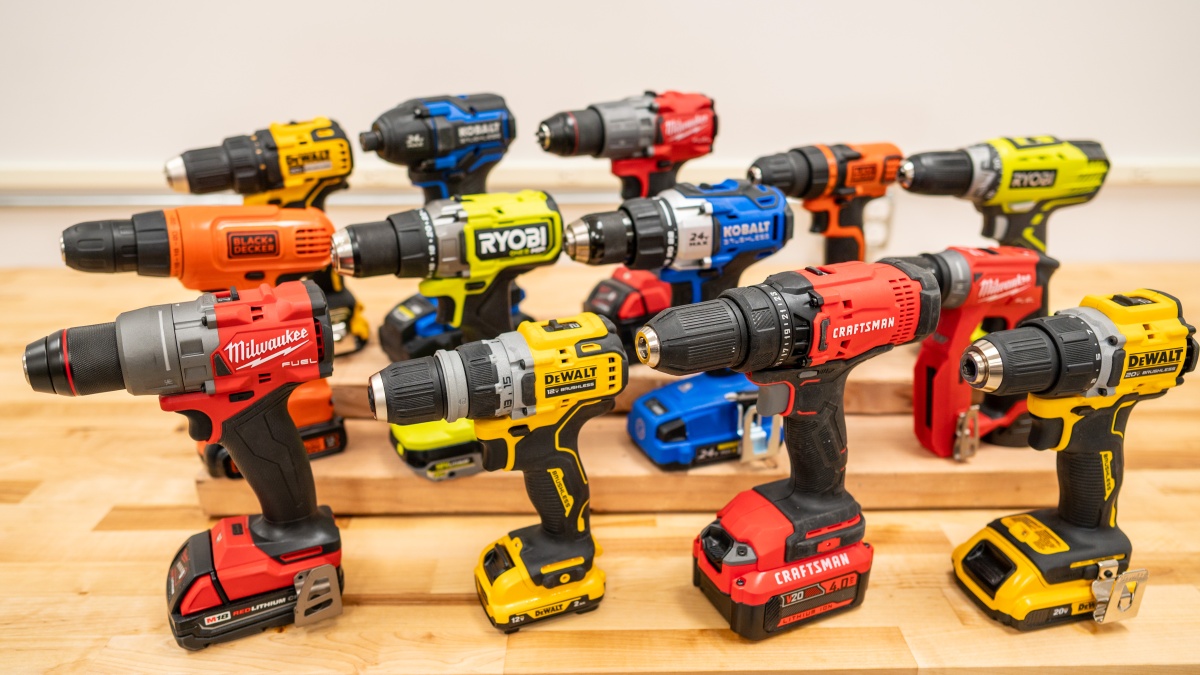
Cordless drills are now lighter and more powerful. Battery technology has improved, giving longer run time without adding weight.
- Brushless motors make drills more efficient
- Compact designs fit in tight spaces
- Faster charging times reduce downtime
Smart Features And Connectivity
Some drills connect to smartphones or tablets. This lets users track usage and get maintenance alerts.
| Feature | Benefit |
| Bluetooth connection | Monitor drill status remotely |
| App control | Adjust speed and torque settings |
| Usage logs | Track work time and tool health |
Battery Life Improvements
Battery life is a key focus in drill design. New batteries last longer and charge faster.
- Use of lithium-ion cells for high capacity
- Improved battery management systems
- Temperature control to extend battery life
Credit: www.techgearlab.com
Frequently Asked Questions
What Qualifies A Drill As A Power Tool?
A drill is considered a power tool because it uses electricity or battery power for operation. Unlike manual tools, power tools like drills offer increased efficiency and speed. Their motorized function allows users to perform tasks like drilling holes or driving screws with minimal effort, making them indispensable in construction and DIY projects.
How Do Power Drills Differ From Manual Drills?
Power drills are faster and more efficient than manual drills. They use an electric motor or battery power to operate. This allows for quick and effortless drilling. Manual drills require physical effort and are slower. Power drills also offer more features, such as variable speed settings and interchangeable drill bits.
Are Cordless Drills As Effective As Corded Ones?
Cordless drills offer portability and are convenient for hard-to-reach areas. They run on rechargeable batteries, making them versatile for various tasks. However, corded drills provide consistent power and may be more suitable for heavy-duty tasks. Choosing between them depends on your specific needs and work environment.
What Are The Main Uses Of A Power Drill?
Power drills are versatile tools used for drilling holes and driving screws. They can also be used for mixing materials, sanding surfaces, and removing rust with specific attachments. Their adaptability makes them essential in construction, woodworking, and DIY projects, providing efficiency and precision in various tasks.
Conclusion
A drill is definitely a power tool. It uses electricity or batteries to work. This makes tasks faster and easier. People use drills for many jobs at home or work. Knowing what a drill does helps you choose the right tool.
Simple, strong, and useful—that’s a drill. Whether fixing or building, a drill is a handy tool to have.