




Need to drill holes but don’t have power tools? You’re not alone.
Maybe you’re in a hurry, or your drill is out of reach. Don’t worry—there are simple ways to get the job done using just your hands and a few basic items. Imagine fixing things around your home or completing your project without the noise, hassle, or cost of electric tools.
Keep reading, and you’ll discover easy, effective methods that anyone can use. Your next DIY success is closer than you think.
Manual Drilling Tools
Drilling holes without power tools is possible using simple manual tools. These tools work well for small projects and when electricity is not available.
Manual drilling tools let you control the speed and pressure easily. They are lightweight and easy to carry anywhere.
Using A Hand Drill
A hand drill is a small tool with a handle and a chuck to hold drill bits. You turn the handle by hand to make the bit spin and drill holes.
Hand drills work best on soft wood and thin metal sheets. They give good control over the drilling speed and depth.
Brace And Bit Technique
A brace and bit is an old-fashioned tool for drilling. It has a U-shaped handle and a long bit that you turn by hand.
This tool is strong and can drill larger holes. Use steady pressure and turn the brace slowly for best results.
- Place the bit tip on the mark
- Hold the brace handle firmly
- Turn the crank in a smooth motion
- Keep pressure steady but not too hard
Awl And Nail As Alternatives
An awl or a strong nail can make small holes by pushing or twisting. These tools work on soft materials like wood and leather.
Use a hammer or your hand to push the nail or awl into the surface. Move it in circles to widen the hole if needed.
- Mark the spot for the hole
- Place the awl or nail on the mark
- Push or tap gently to start the hole
- Twist to enlarge the hole carefully
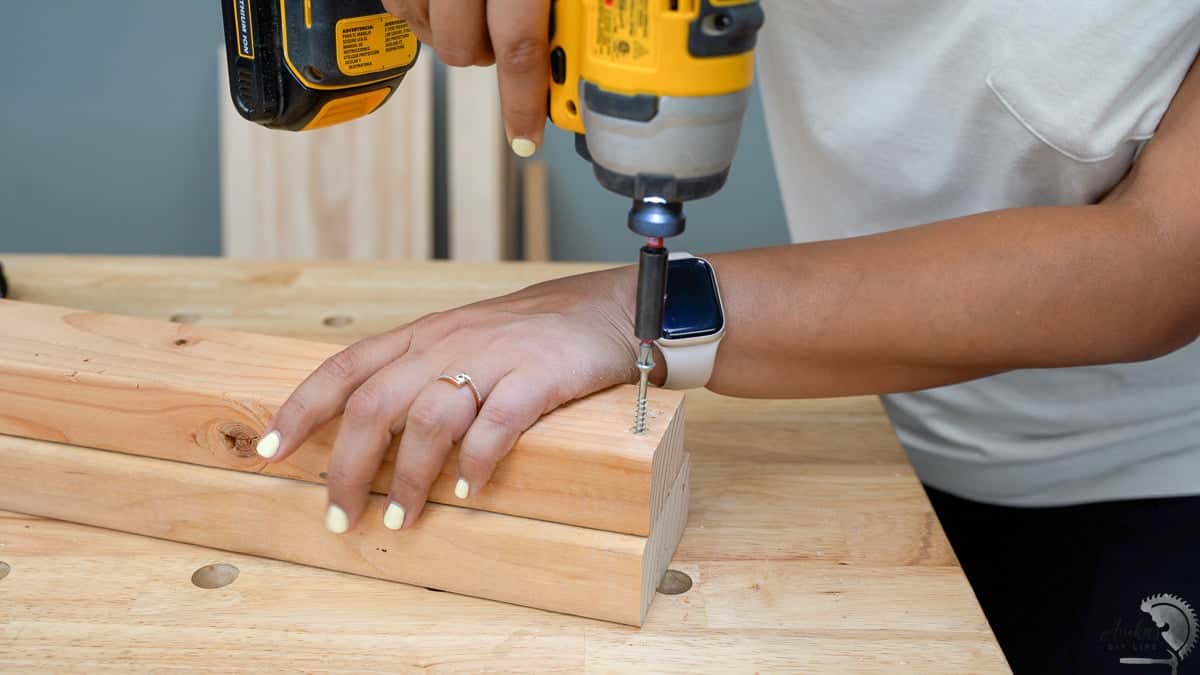
Credit: www.anikasdiylife.com
Improvised Drilling Methods
Drilling holes is easy with power tools. But what if you have none? You can still drill holes using simple tools. These methods use things found at home or work.
Below are three ways to drill holes without power tools. Each uses a different technique and tool.
Twisting A Screwdriver
Use a screwdriver to make a hole by twisting it hard. Choose a screwdriver with a sharp tip. Place the tip on the spot you want the hole. Turn the screwdriver clockwise with steady pressure. It will slowly cut into the material.
- Pick the right screwdriver size
- Keep the tip straight to avoid slipping
- Apply firm and steady twisting force
- Work slowly to avoid breaking the tool
Using A Knife Or Sharp Object
You can use a sharp knife to poke and widen a hole. This works best on soft materials like wood or plastic. Hold the knife tip on the spot. Press and twist carefully to create a small hole. Make the hole larger by repeating the motion.
- Always cut away from your body
- Use gloves to protect your hands
- Keep the knife sharp but handle with care
- Do not rush; work slowly and steadily
Spinning A Wire Or String
You can spin a thin wire or strong string to create friction and burn a hole. This method works on soft wood or plastic sheets. Wrap the wire or string tightly around a stick or handle. Rub it quickly back and forth on the spot to wear away the material.
| Material | Best Tool | How to Use |
|---|---|---|
| Soft Wood | Wire | Wrap wire on stick and spin fast |
| Plastic Sheet | Strong String | Rub string quickly back and forth |
| Thin Cardboard | Knife or Sharp Object | Poke and twist slowly |
Material-specific Tips
Drilling holes without power tools needs special care for each material. Wood, plastic, and metal each have different properties.
Choosing the right hand tools and techniques makes drilling easier and safer. Read these tips for working with each material.
Drilling Into Wood
Use a sharp hand drill or brace for wood. Mark the spot with a nail to keep the drill bit from slipping. Apply steady pressure and turn slowly.
- Start with a small pilot hole for accuracy
- Use wood drill bits with a pointed tip
- Keep the drill straight for a clean hole
- Clear wood chips often to avoid clogging
Drilling Into Plastic
Plastic can crack if drilled too fast. Use a sharp bit and slow turning speed. Support the plastic from underneath to reduce stress.
| Plastic Type | Recommended Drill Bit | Speed |
| Acrylic | Brad Point Bit | Slow |
| Polycarbonate | Twist Bit | Medium |
| PVC | High-Speed Steel Bit | Slow |
Drilling Into Metal
Metal needs strong, sharp bits and cutting oil. Use a center punch to make a small dent before drilling. Turn the bit slowly with firm pressure.
- Choose cobalt or titanium-coated drill bits
- Keep the drill bit cool with oil or water
- Do not force the bit; let it cut gently
- Wear safety glasses to protect from metal shards
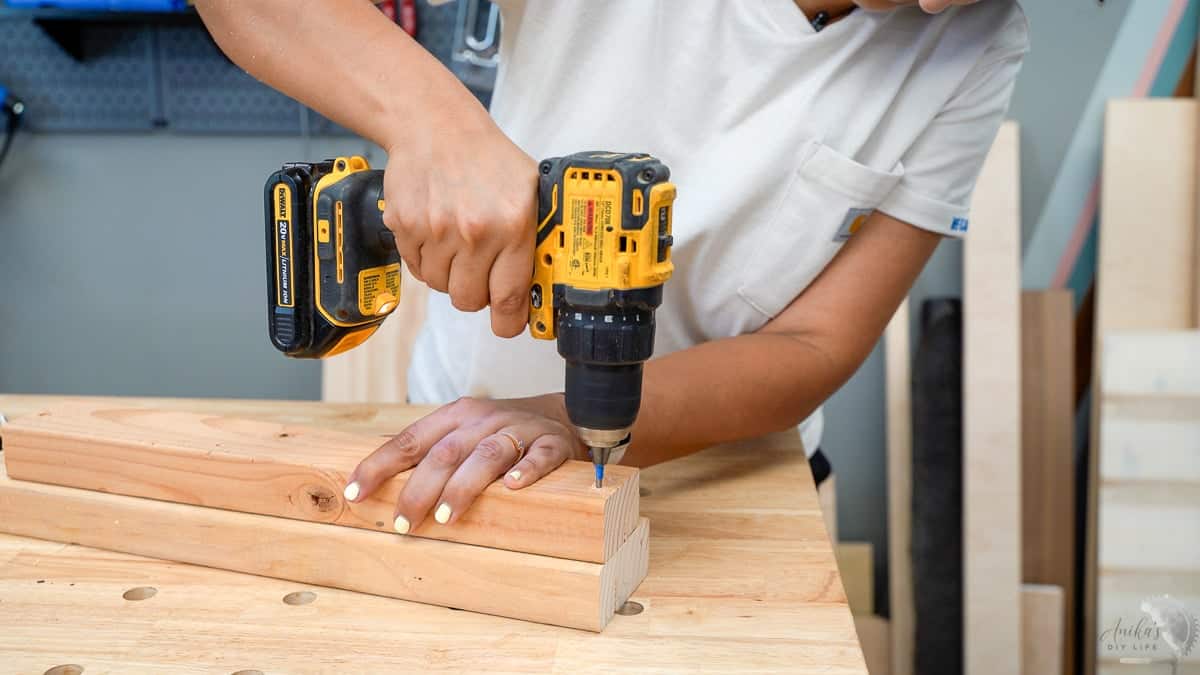
Credit: www.anikasdiylife.com
Safety Precautions
Drilling holes without power tools requires care and attention. Safety precautions help prevent accidents and injuries. Always prepare before starting your work.
Use the right methods and protective gear to stay safe. Keep your workspace organized and stable. Follow simple rules to avoid harm.
Protective Gear
Wear protective gear to shield yourself from dust and sharp objects. This gear keeps you safe during manual drilling tasks.
- Safety goggles protect your eyes from debris
- Gloves help prevent cuts and blisters
- Wear a dust mask to avoid breathing dust particles
- Use ear protection if noise levels are high
- Wear closed-toe shoes to protect your feet
Work Surface Stability
Make sure your work surface is steady and secure. A stable surface stops the material from moving and reduces the risk of slipping.
| Tip | Reason |
| Use clamps to hold materials | Keeps workpiece steady and safe |
| Work on a flat, hard surface | Prevents wobbling during drilling |
| Clear the area from clutter | Reduces accidental trips or falls |
Avoiding Injury
Take care to avoid injury by following safe techniques. Keep your hands and fingers clear of the drilling point.
- Use a sharp manual drill or hand brace for easier control
- Apply steady, even pressure while drilling
- Do not force the drill if it sticks
- Keep your body balanced and stable
- Stop immediately if you feel pain or discomfort
Enhancing Efficiency
Drilling holes without power tools can be tough. Using simple tips will make the task easier and faster.
These methods help you work smart, not hard, saving time and effort.
Pre-marking Holes
Mark where you want to drill before you start. This helps keep holes accurate and saves time.
- Use a pencil or marker to spot drill points.
- Measure carefully to keep holes even.
- Make small indentations with a nail to guide the drill bit.
Lubricating Drill Points
Adding lubricant reduces friction and heat. This makes drilling smoother and faster.
| Lubricant Type | Best For |
| Soap or wax | Wood drilling |
| Vegetable oil | Metal drilling |
| Graphite powder | Hard surfaces |
Applying Consistent Pressure
Keep steady pressure while drilling. This helps the drill bit cut well without slipping.
- Hold the drill firmly with both hands.
- Push evenly, not too hard or too soft.
- Pause occasionally to clear debris and cool the drill bit.

Credit: www.youtube.com
Frequently Asked Questions
How Can I Drill Without Electricity?
You can drill without electricity using hand tools like a brace and bit, or an auger. These tools allow for manual drilling through wood and softer materials. Ensure you have a sharp bit for efficient drilling. Always use steady pressure and a consistent motion to create clean holes.
What Are Manual Tools For Drilling?
Manual tools for drilling include the hand drill, brace and bit, and auger. These tools are powered by hand, making them ideal for situations without electricity. They are effective for woodworking and other light materials. Choose the right tool based on the material and hole size needed.
Can I Drill Holes With A Nail?
Yes, you can use a nail to start a hole. Hammer the nail into the surface to create a pilot hole. This method is best for soft materials like wood. It helps guide screws or larger drill bits for more precise drilling later.
Is A Hand Drill Effective For Wood?
A hand drill is effective for wood, providing precision and control. It’s ideal for small to medium holes. Ensure the drill bit is sharp and appropriate for the wood type. Use steady pressure and a consistent turning motion for the best results.
Conclusion
Drilling holes without power tools is simple and effective. Use basic hand tools like a manual drill or awl for small jobs. Take your time and apply steady pressure for best results. This method works well for wood, plastic, and soft metals.
Practice helps you improve accuracy and control. You don’t need expensive equipment to complete many tasks. Just patience and the right technique. Keep these tips in mind for your next project. Simple tools can do the job well.