

Have you ever looked at your garden and wondered which plants are helping your flowers grow and which ones are secretly stealing their nutrients? Weeds can sneak into your garden, looking harmless at first, but they can quickly take over if you don’t spot them early.
Knowing what weeds look like is the first step to keeping your garden healthy and vibrant. You’ll discover how to identify common garden weeds so you can protect your plants and enjoy a beautiful, thriving garden all season long. Keep reading to learn the simple signs that separate weeds from your favorite flowers and vegetables.
Credit: dengarden.com
Common Garden Weeds
Weeds often grow where they are not wanted. They can take space and nutrients from garden plants. Knowing what garden weeds look like helps you remove them early.
This guide shows common types of garden weeds. You will learn about broadleaf weeds, grass-like weeds, and invasive vine weeds.
Broadleaf Weeds
Broadleaf weeds have wide leaves with visible veins. They often have flowers and grow fast. These weeds can crowd your garden plants and block sunlight.
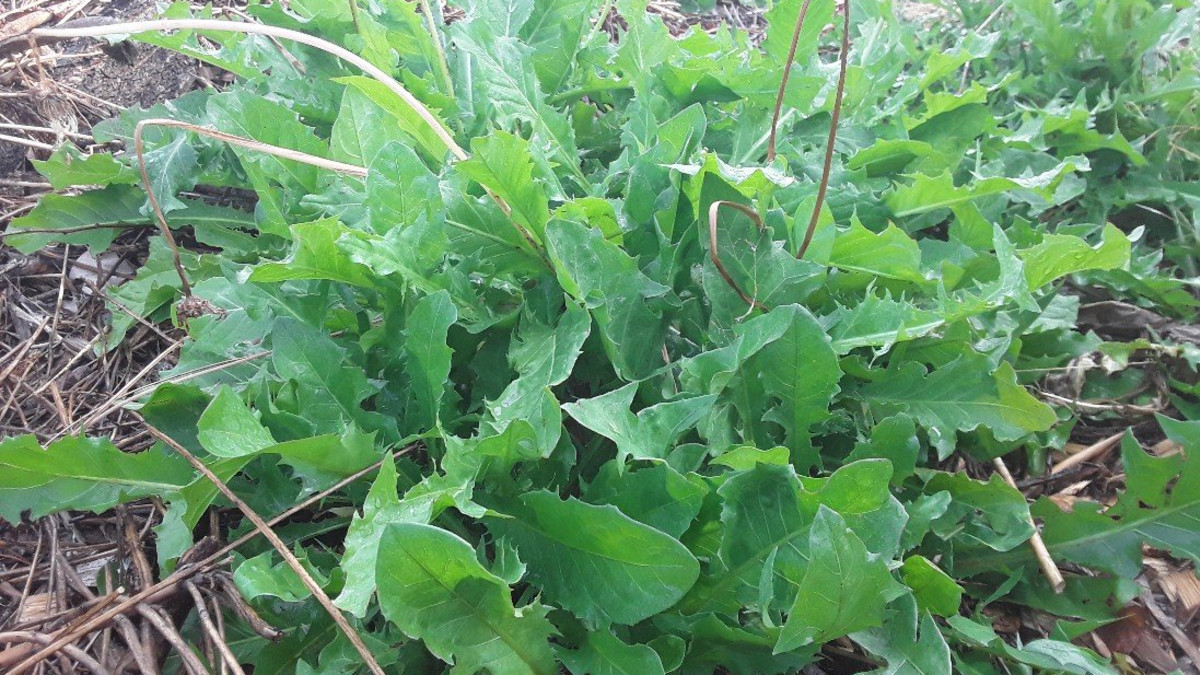
- Dandelion: Bright yellow flowers and jagged leaves.
- Clover: Small round leaves in groups of three.
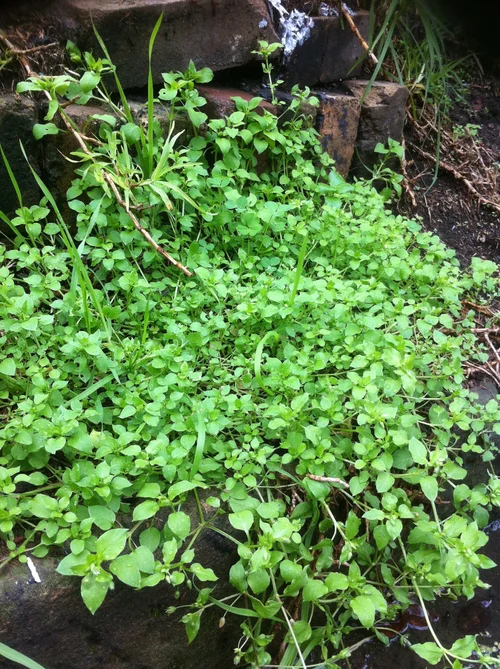
- Chickweed: Small white flowers and oval leaves.
- Plantain: Broad leaves with parallel veins.
Grass-like Weeds
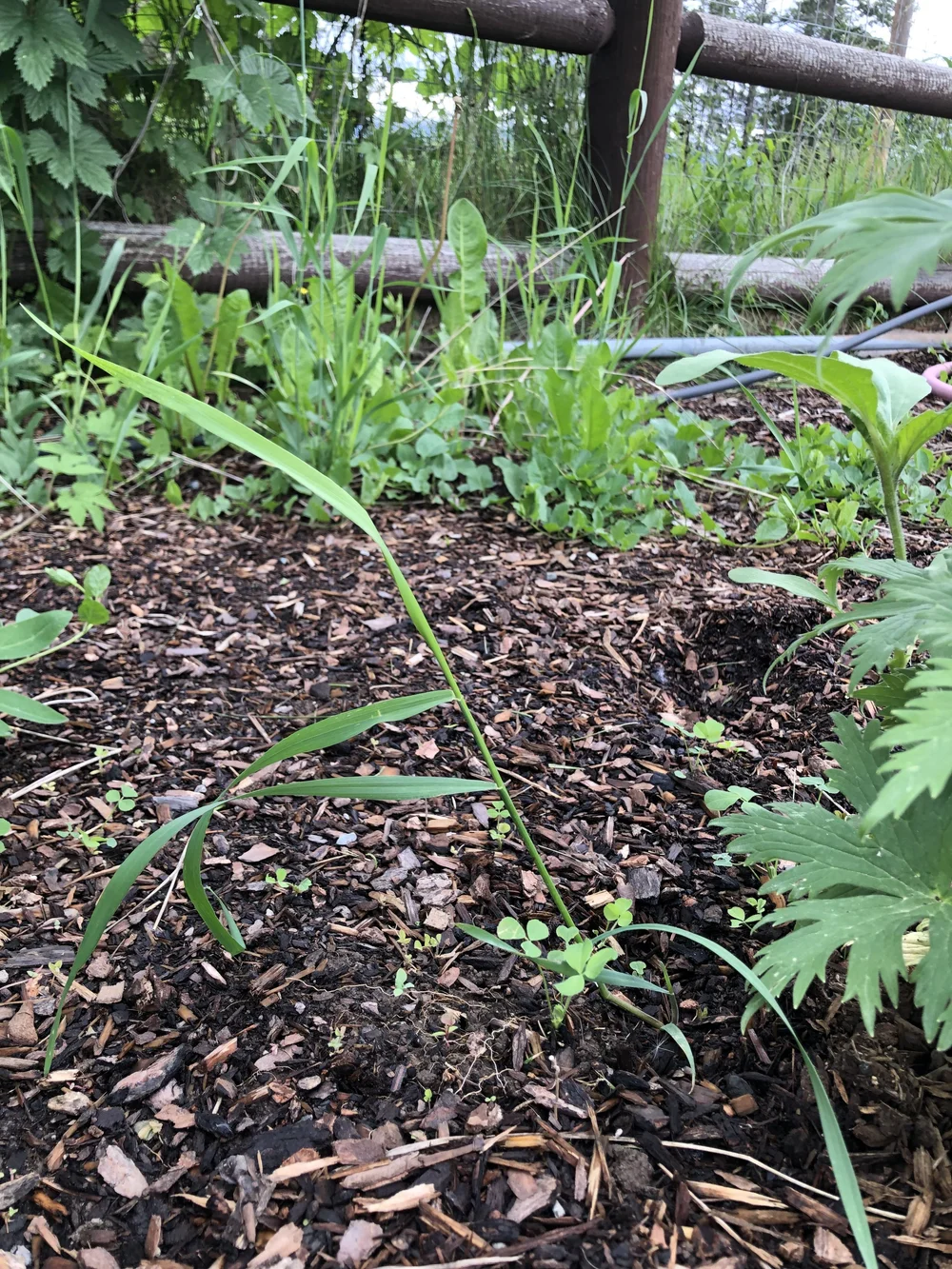
Grass-like weeds look like grass but grow faster and spread quickly. They have narrow leaves and can choke your lawn or garden beds.
| Weed Name | Description | Common Signs |
|---|---|---|
| Crabgrass | Spreads low with wide stems. | Light green leaves and seed heads. |
| Quackgrass | Has long roots and sharp leaves. | Leaves with a rough edge. |
| Foxtail | Grows tall with bushy seed heads. | Soft, bushy flower spikes. |
Invasive Vine Weeds
Invasive vine weeds climb on plants and structures. They can grow fast and cover large areas, choking other plants.
Common invasive vine weeds include:
- Bindweed:White trumpet-shaped flowers and twining stems.
- English Ivy:Dark green leaves that cling to walls and trees.
- Morning Glory:Large colorful flowers and heart-shaped leaves.
Credit: www.gardencityharvest.org
Key Characteristics Of Weeds
Weeds are unwanted plants that grow in gardens. They can harm other plants by taking nutrients and space.
Knowing what weeds look like helps you spot and remove them early. Weeds have distinct features in their leaves, growth, flowers, and seeds.
Leaf Shape And Texture
Weed leaves often differ from garden plants. They may have rough or hairy surfaces. Some leaves are narrow, while others are wide and lobed.
- Leaves can be smooth or hairy.
- Shapes vary: oval, lance-shaped, or deeply lobed.
- Edges may be smooth, jagged, or toothed.
- Colors range from bright green to gray-green.
Growth Patterns
Weeds grow fast and spread quickly. Some grow tall with thick stems. Others stay low and spread across the ground.
| Growth Type | Description | Example |
| Upright | Grow tall with stiff stems | Dandelions |
| Spreading | Grow horizontally, covering soil | Creeping Charlie |
| Climbing | Use other plants or structures to grow up | Bindweed |
| Rosette | Leaves form a circle close to ground | Chickweed |
Flower And Seed Appearance
Weeds produce many flowers and seeds. The flowers can be small or large. Seeds often spread easily by wind or animals.
Common flower and seed traits of weeds include:
- Small flowers with many petals
- Bright colors like yellow or white
- Seed pods that burst open
- Seeds with hooks or fluff for spreading
Tools For Weed Identification
Weeds in a garden can look like many different plants. Knowing which plants are weeds helps keep your garden healthy. Using the right tools makes it easier to identify weeds.
There are several tools you can use to find out if a plant is a weed. These include apps, books, and talking to experts.
Using Plant Identification Apps
Plant identification apps let you take a picture of a plant. The app then shows what the plant might be. Many apps work offline and are easy to use.
These apps help you quickly learn if a plant is a weed. You can also save information about plants you find in your garden.
Field Guides And Resources
Field guides are books or printed sheets with pictures of plants. They show common weeds and how to identify them. You can use these guides outdoors while checking your garden.
Many guides explain the plant’s leaves, flowers, and growth habits. This helps you tell weeds apart from other plants.
- Look for guides specific to your region
- Use pictures to compare with your plants
- Note key features like leaf shape and flower color
Expert Consultation
Garden experts can help you identify weeds. They have experience and know local plants well. You can ask at garden centers, extension offices, or online forums.
Experts can give advice on how to remove weeds safely and keep your garden healthy. Getting their help can save time and avoid mistakes.
Effective Weed Removal Techniques
Weeds can quickly take over a garden if left unchecked. Removing them early helps keep plants healthy and soil rich.
There are many ways to remove weeds. Choosing the right method depends on the garden size and weed type.
Manual Pulling And Digging
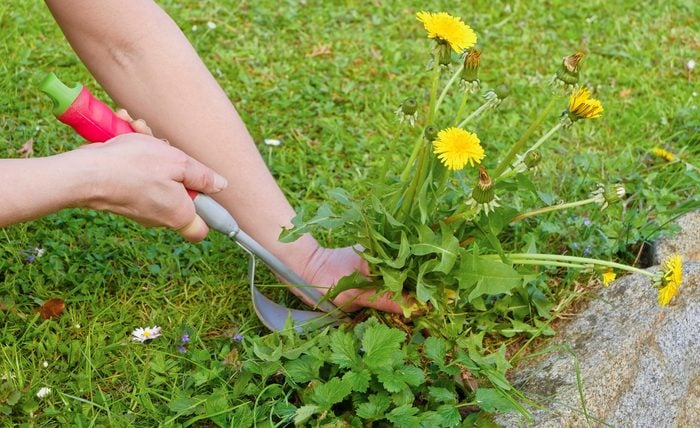
Manual pulling is the simplest way to remove weeds. Pull them out by hand or use a garden fork for deep roots.
Digging is useful for tough or deep-rooted weeds. Make sure to remove the entire root to prevent regrowth.
Mulching To Suppress Weeds
Mulching blocks sunlight and stops weed seeds from sprouting. It also keeps soil moist and improves its quality.
- Use organic mulch like straw, wood chips, or leaves.
- Apply mulch 2 to 3 inches thick around plants.
- Replenish mulch regularly to keep weeds down.
Chemical Herbicides And Safety
Chemical herbicides kill weeds quickly but need careful use. Choose products made for your weed type and plants.
| Type of Herbicide | Use | Safety Tips |
| Pre-emergent | Stops weed seeds from growing | Apply before weeds appear |
| Post-emergent | Kills existing weeds | Wear gloves and avoid wind |
| Selective | Targets specific weeds | Read label for safe plants |
| Non-selective | Kills all plants it touches | Use only on hard surfaces |
Natural And Organic Methods
Natural methods avoid chemicals and protect the environment. These methods work well for small gardens.
Common natural methods include:
- Pouring boiling water on weeds
- Spraying vinegar or salt solutions
- Using corn gluten meal to stop seed growth
- Planting ground covers to crowd out weeds
Preventing Weed Growth
Weeds can quickly take over a garden and compete with plants. Stopping them early saves time and effort later. Good garden care helps keep weeds away.
This guide covers ways to prevent weeds by preparing soil, watering correctly, and using ground covers.
Soil Preparation And Maintenance
Healthy soil makes plants strong and stops weeds from growing easily. Remove weeds and roots before planting. Use mulch to cover soil and block light from weed seeds.
- Till soil to break up hard layers
- Add compost for nutrients
- Use mulch like straw or wood chips
- Remove weeds by hand or with tools
- Keep soil covered to prevent new weed seeds from sprouting
Proper Watering Practices
Water plants carefully to help them grow well but do not water weeds. Use drip irrigation or water at the base of plants. This keeps soil dry between plants where weeds grow.
| Watering Method | Effect on Weeds |
| Drip Irrigation | Water only plant roots, reduce weed growth |
| Overhead Sprinklers | Water weeds and plants, encourage weeds |
| Hand Watering | Control water placement, less water for weeds |
Planting Ground Covers
Ground covers are low plants that spread fast. They block sunlight and space so weeds cannot grow. Choose the right ground cover for your garden’s sunlight and soil.
Benefits of ground covers:
- Stop weed seeds from reaching soil
- Hold soil moisture
- Protect soil from erosion
- Make garden look full and green
Managing Weeds In Different Garden Types
Weeds can harm your garden by stealing nutrients and space. They often look different depending on the garden type.
Knowing how to manage weeds in various gardens helps keep plants healthy and strong.
Vegetable Gardens
Weeds in vegetable gardens often have broad leaves and grow fast. They compete with vegetables for water and nutrients.
Pull weeds by hand or use shallow hoeing to avoid damaging vegetable roots. Mulching also stops weed seeds from sprouting.
- Remove weeds early before they flower
- Use mulch to block sunlight
- Water vegetables carefully to avoid watering weeds
Flower Beds
Weeds in flower beds can hide among flowers and take over the space quickly. They often have thin leaves and small flowers.
Regular weeding by hand is best in flower beds. Adding a layer of organic mulch keeps soil moist and reduces weed growth.
- Check flower beds weekly for new weeds
- Cut weeds before they produce seeds
- Use mulch like bark or straw
Lawns And Turf Areas
Weeds in lawns often look like clovers, dandelions, or crabgrass. They grow between grass blades and can spread fast.
Keep your lawn thick and healthy by mowing and watering properly. Spot treat weeds with safe herbicides or pull them by hand.
- Mow grass at the right height to shade weeds
- Water deeply but less often
- Use weed control products carefully
Credit: www.familyhandyman.com
Frequently Asked Questions
What Are Common Types Of Garden Weeds?
Common garden weeds include dandelions, crabgrass, chickweed, and thistle. They often invade garden spaces, competing for nutrients. These weeds are usually hardy and can spread rapidly if not controlled. Recognizing these weeds early helps in maintaining a healthy garden.
How Do Weeds Affect My Garden’s Health?
Weeds compete with plants for nutrients, water, and sunlight. This competition can stunt the growth of desired plants. Weeds may also harbor pests and diseases that can spread to your garden plants, affecting their health and productivity.
Why Do Weeds Grow Faster Than Plants?
Weeds grow faster due to their adaptive nature and rapid reproduction. They have evolved to thrive in various conditions, often outpacing cultivated plants. Their fast growth allows them to quickly dominate garden spaces, making weed management crucial.
How Can I Identify Weeds In My Garden?
Identifying weeds involves recognizing their distinct features like leaf shape, growth pattern, and flower type. Comparing these features to common weed guides can help. Understanding the specific weeds in your area can also aid in effective identification and control.
Conclusion
Weeds often look like unwanted plants in your garden. They grow fast and take space from flowers or vegetables. Knowing what weeds look like helps you remove them early. This keeps your garden healthy and neat. Watch for different shapes, colors, and sizes.
Catching weeds quickly saves time and effort later. A tidy garden feels good and grows better. Keep an eye on your plants every week. Small steps make a big difference in garden care.