

Are you ready to bring a little green into your life but don’t know where to start? Garden kits for beginners are the perfect way to make your first steps in gardening simple and fun.
Imagine growing your own fresh herbs, vibrant flowers, or tasty veggies right at home without feeling overwhelmed. This guide will show you exactly how to choose the best garden kit for your needs and get your hands dirty with confidence.
Keep reading, and you’ll discover how easy and rewarding gardening can be, even if you’ve never planted a seed before.
Choosing The Right Garden Kit
Starting a garden can be exciting. Choosing the right garden kit helps make it easier. Garden kits have all you need to start planting.
There are many types of garden kits. Each kit has different tools and seeds. Picking the right one is important for beginners.
Types Of Garden Kits
Garden kits come in various styles. Some are for flowers, while others are for vegetables or herbs.
- Vegetable garden kits
- Herb garden kits
- Flower garden kits
- Indoor garden kits
Key Features To Look For
When choosing a kit, look for useful features. These features help new gardeners start easily.
| Feature | Importance |
| Variety of seeds | Offers diverse planting |
| Quality tools | Makes gardening easier |
| Clear instructions | Guides beginners |
Budget-friendly Options
Gardening does not need to be expensive. Many kits are affordable and good for beginners.

Credit: gardensoxx.com
Essential Tools In Starter Sets
Starting a garden can be easy with the right tools. Starter sets provide everything a beginner needs.
These kits include basic tools, seeds, soil, and fertilizer to help plants grow well.
Basic Gardening Tools
Starter kits usually have small tools to make gardening simple and fun. These tools help with digging, planting, and watering.
- Trowel: For digging small holes
- Hand fork: To loosen soil
- Pruning shears: To trim plants
- Watering can: To water seedlings
- Gardening gloves: To protect hands
Seed Selection And Packaging
Good seed choice helps you grow healthy plants. Starter kits include seeds in small, easy-to-use packets.
| Seed Type | Plant Type | Growth Time |
| Tomato | Vegetable | 60-80 days |
| Basil | Herb | 30-40 days |
| Sunflower | Flower | 70-90 days |
Soil And Fertilizer Included
Starter kits come with soil that holds water and nutrients. Fertilizers help plants grow strong and healthy.
Most kits include:
- Potting soil mix
- Organic fertilizer pellets
- Instructions for soil and fertilizer use
Easy Plants For Beginners
Starting a garden can be fun and simple. Choosing easy plants helps beginners grow healthy gardens quickly. These plants need less care and still look great.
This guide shows herbs, vegetables, and flowers that are perfect for new gardeners. Each group offers easy options to help you enjoy gardening without stress.
Herbs That Grow Fast
Fast-growing herbs give you fresh flavors soon after planting. They usually need little space and can grow indoors or outdoors.
- Basil: Grows well in pots and loves sunlight.
- Mint: Spreads quickly and needs moist soil.
- Cilantro: Grows fast and prefers cooler weather.
- Chives: Easy to grow and adds mild onion flavor.
Low-maintenance Vegetables
These vegetables grow well with little care. They are good choices if you want fresh food but have limited time for gardening.
| Vegetable | Sunlight | Water Needs | Growing Time |
| Lettuce | Partial sun | Moderate | 30-45 days |
| Radishes | Full sun | Low to moderate | 25-30 days |
| Green Beans | Full sun | Moderate | 50-60 days |
| Spinach | Partial sun | Moderate | 40-50 days |
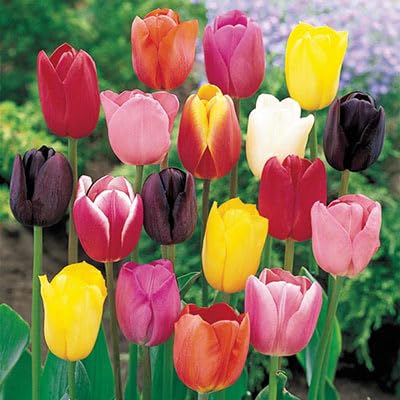
Colorful Flowers To Brighten Spaces
Flowers add beauty and color to any garden. These flowers are easy to care for and bloom well in many conditions.
Try planting these flowers:
- Marigolds – Bright orange and yellow, repel pests
- Zinnias – Colorful blooms that attract butterflies
- Sunflowers – Tall plants with big yellow heads
- Pansies – Cool weather lovers with many colors
Credit: eartheasy.com
Step-by-step Planting Guide
Starting a garden kit is easy and fun for beginners. This guide will help you plant your seeds the right way.
Follow these steps to prepare your garden, plant seeds, and care for your plants to help them grow strong.
Preparing Your Garden Space
Choose a spot with good sunlight and space for your plants. Clear the area of weeds and rocks before planting.
- Pick a sunny location with at least 6 hours of light
- Remove any weeds or debris from the soil
- Loosen the soil to allow roots to grow easily
- Add compost or organic matter to enrich the soil
- Make sure the area has good drainage to avoid water pooling
Planting Seeds Correctly
Plant seeds at the right depth and distance to help them sprout well. Use clean tools and water gently after planting.
| Seed Type | Planting Depth | Spacing Between Seeds |
| Carrot | 1/4 inch | 2 inches |
| Tomato | 1/2 inch | 24 inches |
| Lettuce | 1/8 inch | 6 inches |
| Beans | 1 inch | 4 inches |
Watering And Care Tips
Water your plants regularly but do not overwater. Keep an eye out for pests and remove dead leaves to keep plants healthy.
- Water plants early in the morning or late afternoon
- Use a gentle spray to avoid washing away seeds
- Check soil moisture before watering again
- Remove weeds that compete for water and nutrients
- Watch for insects or diseases and treat early
Common Challenges And Solutions
Starting a garden with a kit is exciting but can bring some problems. These problems can make gardening hard for beginners.
Knowing common challenges and how to fix them helps beginners enjoy gardening more and avoid frustration.
Dealing With Pests Naturally
Pests like bugs and insects can harm plants in your garden kit. Using natural ways to control pests keeps your garden healthy.
Natural pest control avoids chemicals that can hurt plants or people. It also helps keep beneficial insects safe.
- Use neem oil spray to repel insects
- Plant herbs like basil or mint to keep pests away
- Introduce ladybugs that eat harmful bugs
- Remove pests by hand when you see them
Preventing Overwatering
New gardeners often give plants too much water. Overwatering can cause roots to rot and plants to die.
Check the soil before watering. If the top inch feels dry, then water your plants. Use pots with drainage holes to avoid water buildup.
- Water plants slowly and evenly
- Use a moisture meter to check soil wetness
- Water in the morning to reduce evaporation
- Empty extra water from saucers under pots
Managing Limited Space
Garden kits often have small areas to grow plants. Limited space can make it hard to grow many plants.
Use space-smart ideas to grow more plants in small spots. Vertical gardening and container gardening work well in tight spaces.
- Grow plants in vertical shelves or hanging pots
- Choose compact plant varieties that stay small
- Use stackable containers to save ground space
- Group plants with similar needs together

Credit: www.amazon.com
Creative Garden Kit Uses
Garden kits for beginners are great tools to start growing plants. They include seeds, soil, and pots.
These kits can be used in many creative ways beyond just planting flowers or vegetables.
Indoor Gardening Ideas
Garden kits work well inside your home. They bring green life to small spaces.
You can grow herbs, succulents, or small flowers on windowsills or shelves.
- Use small pots to create a mini herb garden in the kitchen.
- Place succulents in decorative containers for a stylish look.
- Grow air-purifying plants to improve indoor air quality.
Gifts For Garden Lovers
Garden kits make thoughtful gifts for people who love plants. They offer a fun project to try.
Choose kits that match the recipient’s interests, like flowers or vegetables.
- Compact kits for apartment gardeners.
- Specialty kits with rare seeds for hobbyists.
- Kits with colorful pots for a cheerful gift.
Educational Activities For Kids
Garden kits are great tools to teach kids about plants and nature. Kids enjoy watching seeds grow.
These activities help children learn patience and responsibility while having fun.
- Track plant growth by measuring daily.
- Learn about different types of seeds and plants.
- Create a garden journal with drawings and notes.
Frequently Asked Questions
What Is Included In A Beginner Garden Kit?
A beginner garden kit usually includes seeds, soil, pots, and instructions. These kits simplify gardening by providing all essentials. They help beginners start easily and grow plants successfully.
How Do Garden Kits Help New Gardeners?
Garden kits offer pre-measured supplies and easy guides. They reduce guesswork and build confidence in planting. This makes gardening enjoyable and less intimidating for beginners.
Which Plants Are Best For Garden Kits?
Easy-to-grow plants like herbs, lettuce, and flowers suit garden kits. These plants require minimal care and adapt well indoors or outdoors. They ensure early gardening success.
Can Garden Kits Be Used Indoors?
Yes, many garden kits are designed for indoor use. They often include compact pots and grow lights. Indoor kits allow gardening year-round regardless of outdoor space.
Conclusion
Starting a garden is simple with the right kit. These kits help beginners grow plants step by step. They include all needed tools and seeds. Beginners can enjoy fresh herbs, flowers, or veggies. Gardening brings joy and calm to daily life.
Try a garden kit and watch your plants grow. Small efforts lead to great results over time. Everyone can enjoy the beauty and taste of homegrown plants. Gardening becomes fun and easy with the right support. Give it a try and see the difference yourself.