





A battery operated power tool such as a cordless drill changes the way you work. Imagine having the freedom to move anywhere without worrying about finding an outlet or dealing with tangled cords.
This tool puts power right in your hands, making your projects faster and easier. Whether you’re fixing something at home or tackling a big DIY job, understanding how this tool converts energy and works can boost your efficiency and confidence.
Keep reading to discover how your cordless drill truly transforms energy into action—and how that can transform your work.

Credit: www.ebay.com
How Cordless Drills Work
Cordless drills are useful power tools. They let you drill holes without cords.
These tools run on batteries. The battery powers the motor to turn the drill bit.
Basic Components
A cordless drill has several key parts. Each part plays a role in drilling tasks.
- Battery:Supplies electrical energy to the drill.
- Motor:Converts electrical energy to mechanical motion.
- Chuck:Holds the drill bit firmly.
- Trigger switch:Controls power to the motor.
- Gearbox:Adjusts speed and torque for different jobs.
- Controller:Manages battery power and motor speed.
Power Conversion Process
The battery stores chemical energy. It changes this energy into electrical power.
| Stage | Description |
| Battery Output | Releases electrical energy stored in cells. |
| Motor Input | Receives electrical energy to create motion. |
| Motor Action | Converts electrical energy into spinning force. |
| Gearbox | Adjusts force and speed for drilling. |
| Chuck | Turns the drill bit to bore holes. |
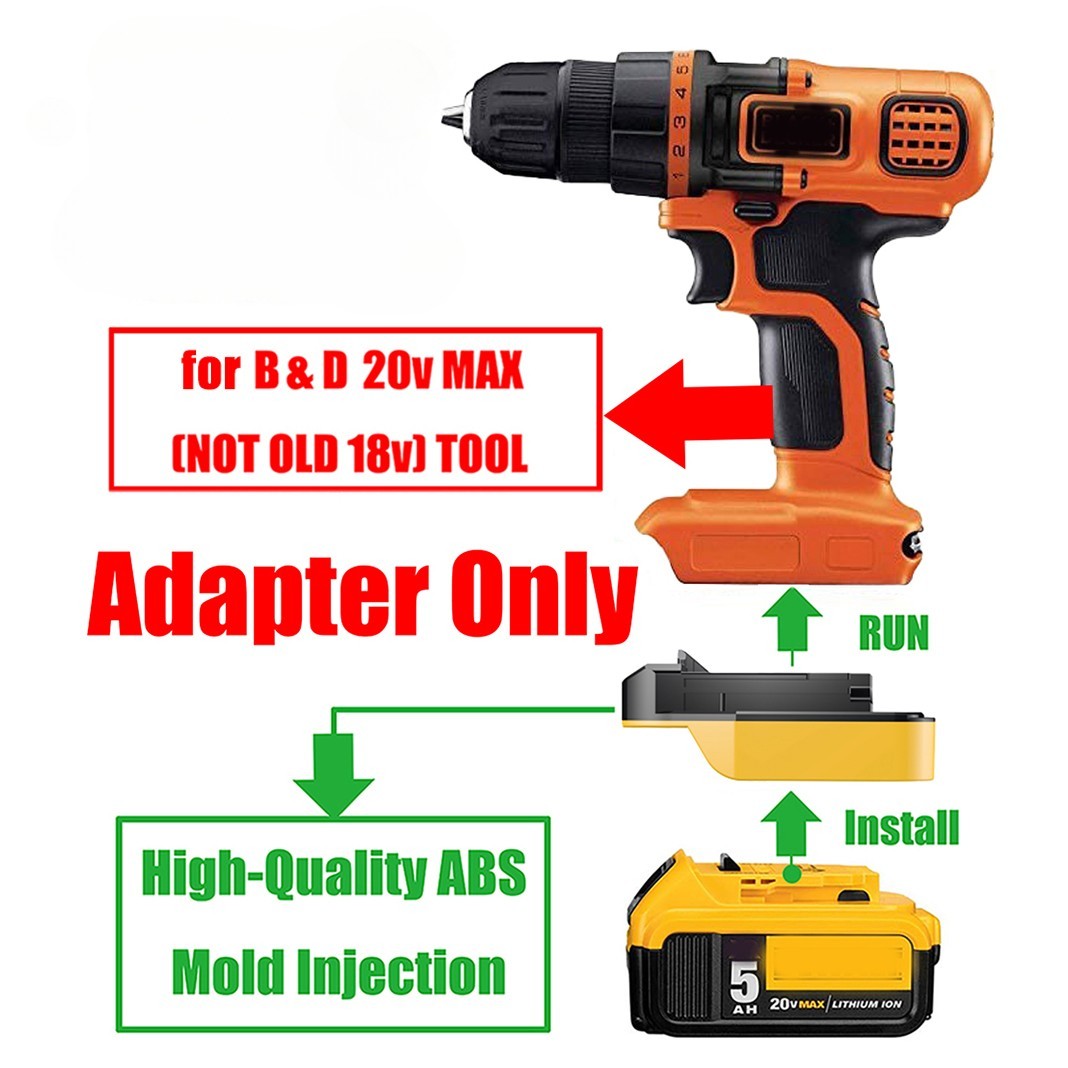
Credit: www.ebay.ca
Types Of Batteries Used
Battery operated power tools need reliable energy sources. The battery type affects tool performance and life. Different batteries offer various strengths and weaknesses.
Choosing the right battery helps you get the most out of your cordless drill and other tools. Here are common battery types used in these tools.
Lithium-ion Batteries
Lithium-ion batteries are popular in cordless drills. They are lightweight and hold charge for a long time. These batteries do not suffer from memory effect. They also charge faster than older types.
They work well in cold weather and have a high energy density. This means they provide more power in a smaller size. Lithium-ion batteries last longer before needing replacement.
Nickel-cadmium Batteries
Nickel-cadmium (NiCd) batteries were common before lithium-ion. They are durable and can handle many charge cycles. NiCd batteries can deliver strong power for tough jobs.
- They tend to be heavier than lithium-ion batteries.
- NiCd batteries may lose capacity if not fully discharged.
- They can handle extreme temperatures better than some batteries.
- Environmental concerns exist due to cadmium toxicity.
Battery Performance Factors
| Factor | Description | Effect on Tool |
|---|---|---|
| Capacity (mAh) | Amount of charge stored | Longer use between charges |
| Voltage (V) | Power output level | Stronger torque and speed |
| Charge Time | How fast battery recharges | Less downtime |
| Weight | Battery mass | Ease of tool handling |
| Memory Effect | Loss of capacity from partial charges | Reduced battery life (NiCd) |
Efficiency Factors In Power Conversion
A cordless drill uses a battery to power its motor. The tool changes electrical energy to mechanical energy. The efficiency of this change affects how long the tool runs and how well it works.
Many parts of the drill affect power conversion. These parts include the motor design, battery system, and how energy is lost as heat. Understanding these helps improve tool performance.
Motor Design And Efficiency
The motor turns electrical power into motion. A well-designed motor uses less power to create more torque. This means the drill can work longer and stronger.
Brushless motors are common in cordless drills. They reduce friction and wear, which raises efficiency. The shape and size of motor parts also affect power use.
- Brushless motors have fewer moving parts
- Smaller gaps in the motor increase magnetic force
- High-quality materials reduce energy loss
Battery Management Systems
The battery management system (BMS) controls charging and discharging. It keeps the battery safe and efficient. A good BMS prevents overcharging and deep discharging.
The BMS also balances power among battery cells. This balance helps the battery last longer and deliver steady power to the motor. Proper battery care improves overall tool efficiency.
- Protects battery from damage
- Balances charge in all cells
- Monitors temperature to avoid overheating
Energy Losses And Heat Generation
Some energy turns into heat instead of power. Heat comes from resistance in wires and motor parts. Too much heat lowers the tool’s efficiency and can damage parts.
Good designs use cooling and better materials to reduce heat. Lower heat means more power is used for drilling. Less energy loss means longer battery life and better performance.
- Electrical resistance creates heat
- Friction in motor parts adds heat
- Cooling systems help keep temperature low
Advantages Of Efficient Power Conversion
A cordless drill uses a battery to power its motor. Efficient power conversion helps change the battery’s energy into useful work. This process affects how long the battery lasts and how well the tool works.
Good power conversion also lowers waste and helps protect the environment. Understanding these benefits can show why efficiency matters in battery-operated power tools.
Longer Battery Life
Efficient power conversion reduces energy loss. This means the battery can run the tool longer before needing a recharge. Users can work more without interruptions.
- Less wasted energy means more work from one charge
- Reduces the frequency of battery replacements
- Helps keep the battery healthy over time
Improved Tool Performance
When power conversion is efficient, the tool runs smoothly and with consistent power. This improves drilling speed and accuracy. The motor stays cooler and lasts longer.
| Performance Factor | Benefit |
| Stable Power Output | Consistent tool speed |
| Reduced Heat | Longer motor life |
| Efficient Energy Use | Better torque and control |
Reduced Environmental Impact
Efficient power conversion lowers energy waste and battery wear. This means fewer batteries need to be made and thrown away. It helps reduce pollution and resource use.
Key environmental benefits include:
- Lower energy consumption
- Less battery waste in landfills
- Reduced carbon footprint from manufacturing
Innovations Enhancing Efficiency
Battery operated power tools like cordless drills have changed how we work. New technologies help these tools work longer and better.
These innovations focus on improving power, charging, and ease of use. They help users finish tasks faster and with less effort.
Brushless Motors
Brushless motors use magnets to move the drill without friction from brushes. This makes them more efficient and last longer.
They also run cooler and provide more power in a smaller size. This helps the tool perform well under heavy use.
Smart Charging Technologies
Smart chargers protect the battery by controlling how it charges. They stop charging at the right time to avoid damage.
- Speed up charging without overheating
- Extend battery life by avoiding overcharge
- Show battery status for better planning
- Adapt charging based on battery health
Lightweight Materials
Using lightweight materials reduces the weight of cordless drills. This helps users work longer without feeling tired.
| Material | Benefit |
| Aluminum | Strong but light |
| Magnesium Alloy | Durable and reduces weight |
| High-Strength Plastic | Cost-effective and light |
Maintenance Tips For Optimal Efficiency
A battery operated power tool like a cordless drill needs regular care. Proper maintenance keeps it working well and lasts longer.
Following simple tips helps your tool run at its best every time you use it.
Battery Care
Take good care of the battery to keep the drill strong. Charge the battery fully before use and avoid letting it drain completely.
Keep the battery clean and dry. Dirt or moisture can cause damage and reduce battery life.
- Charge battery after each use
- Store battery at room temperature
- Clean battery contacts with a dry cloth
- Avoid long periods without charging
Regular Tool Inspection
Check your cordless drill often for any signs of wear or damage. Look at the drill bit, chuck, and body for cracks or loose parts.
Fix small problems early to avoid bigger damage. Tighten screws and replace worn parts as needed.
- Inspect drill bits for dullness or damage
- Check chuck for secure grip
- Look for cracks in the drill body
- Tighten loose screws and parts
Proper Storage Practices
Store your cordless drill in a dry, cool place. Keep it away from extreme heat or cold to protect the battery and tool parts.
Use a case or box to keep dust and dirt off the tool when not in use.
- Store in a dry, indoor space
- Keep battery separate if storing long-term
- Use a protective case or box
- Avoid exposure to direct sunlight
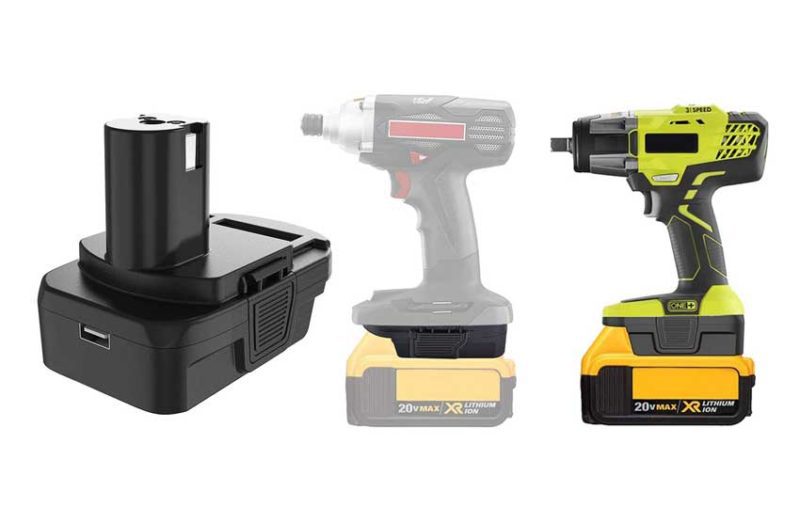
Credit: www.protoolreviews.com
Frequently Asked Questions
How Does A Cordless Drill Convert Energy?
A cordless drill converts electrical energy from its battery into mechanical energy. This powers the motor, which rotates the drill bit. The efficiency of this conversion process is crucial for the tool’s performance. Modern designs maximize energy use, ensuring longer battery life and more powerful drilling capabilities.
What Makes Cordless Drills Efficient?
Cordless drills are efficient due to their lightweight design and advanced battery technology. Lithium-ion batteries provide longer runtimes and faster charging. Additionally, brushless motors reduce friction, improving efficiency and extending tool lifespan. These features make them ideal for both professional and DIY use.
How Long Does A Cordless Drill Battery Last?
The battery life of a cordless drill depends on its usage and type. Typically, a fully charged lithium-ion battery lasts between 30 minutes to 2 hours. Proper maintenance, like avoiding overcharging, can extend the battery’s lifespan, ensuring reliable performance over time.
Are Cordless Drills Suitable For Heavy-duty Tasks?
Yes, many modern cordless drills are suitable for heavy-duty tasks. They come with powerful motors and high-capacity batteries. These features allow them to perform demanding jobs efficiently. Always choose a drill with the right specifications for your particular tasks to ensure optimal performance.
Conclusion
A battery operated power tool like a cordless drill offers great freedom. It works without cords, letting you move easily. You save time by not searching for outlets or untangling wires. These tools are lightweight and easy to carry. They provide enough power for many tasks around the house.
Changing batteries is quick and keeps work going. Choose the right drill for your needs and enjoy simple, efficient work. Small, handy, and reliable—these tools make many jobs easier.